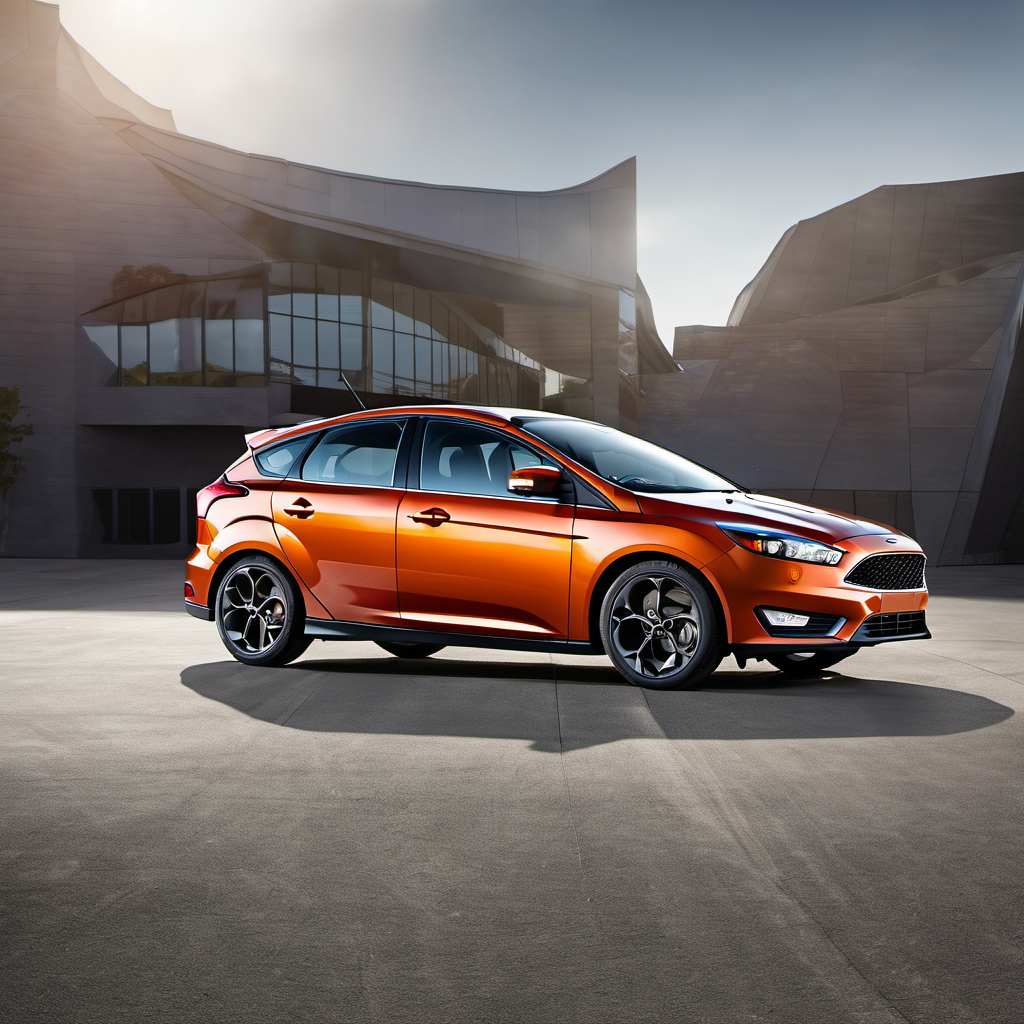
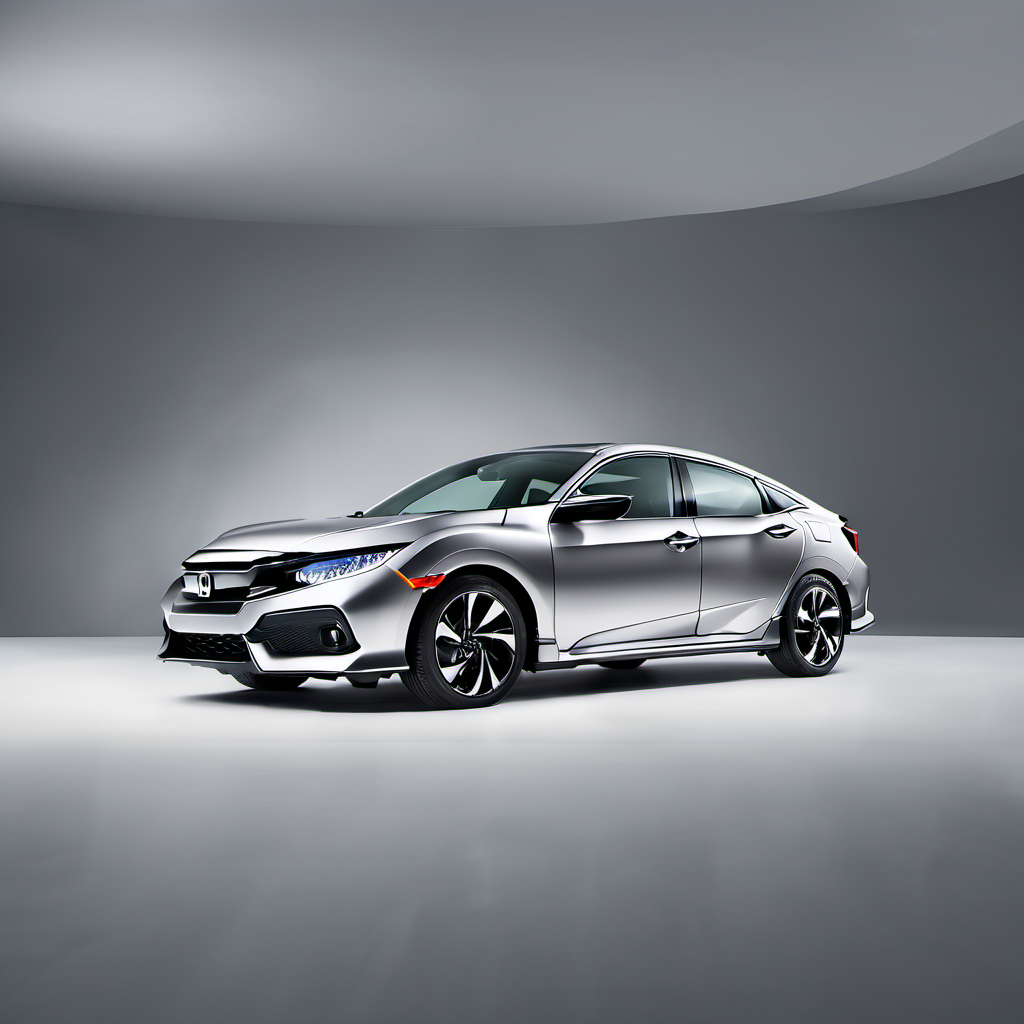
2016 Ford Focus Sedan

2016 Ford

FocusSedan

2.0L I4 · Sedan

The 2016 Ford Focus Sedan is a compact front-wheel-drive car that competes squarely in the bread-and-butter economy segment. It comes standard with a 2.0L four-cylinder and an optional 1.0L EcoBoost three-cylinder, and it shares its platform with the Focus ST and Focus RS performance variants — though the base sedan is tuned for fuel economy and comfort. For everyday commuting and light highway travel it earns solid marks on interior space-per-dollar and fuel economy. The elephant in the room for any 2016 Focus is the PowerShift dual-clutch automatic transmission (DCT), which Ford sold in huge volume under the 'automatic' label. This transmission — offered as the standard automatic in most Focus configurations — has a well-documented history of shuddering, hesitation, and premature wear. Ford extended warranties and issued TSBs, but many owners still experienced repeated problems. The manual-equipped car largely sidesteps this issue. If you're buying used, the transmission situation is the first and biggest thing to investigate. A well-maintained Focus with a manual gearbox or the 1.0L EcoBoost is a different vehicle than one with a neglected PowerShift. Choose carefully and this is a competent, economical compact; choose poorly and you're inheriting someone else's headache.

Reliability
2/5
Verified data
Specs shown for Focus Electric — the most common configuration. Other trims may vary in engine, drivetrain, or fuel economy. Sign in to see your vehicle's exact specs.
Engine
2.0L I4
Drivetrain
FWD
Fuel
Gasoline
MPG
27 city / 37 hwy / 31 combined
Seats
5
Doors
4
Body
Sedan
MSRP
$17,225

Overview

AI-curated

The 2016 Ford Focus Sedan is a compact front-wheel-drive car that competes squarely in the bread-and-butter economy segment. It comes standard with a 2.0L four-cylinder and an optional 1.0L EcoBoost three-cylinder, and it shares its platform with the Focus ST and Focus RS performance variants — though the base sedan is tuned for fuel economy and comfort. For everyday commuting and light highway travel it earns solid marks on interior space-per-dollar and fuel economy. The elephant in the room for any 2016 Focus is the PowerShift dual-clutch automatic transmission (DCT), which Ford sold in huge volume under the 'automatic' label. This transmission — offered as the standard automatic in most Focus configurations — has a well-documented history of shuddering, hesitation, and premature wear. Ford extended warranties and issued TSBs, but many owners still experienced repeated problems. The manual-equipped car largely sidesteps this issue. If you're buying used, the transmission situation is the first and biggest thing to investigate. A well-maintained Focus with a manual gearbox or the 1.0L EcoBoost is a different vehicle than one with a neglected PowerShift. Choose carefully and this is a competent, economical compact; choose poorly and you're inheriting someone else's headache.

Known for
  • Responsive handling for a compact economy car
  • Good fuel economy, especially with the 1.0L EcoBoost
  • Notoriously problematic PowerShift dual-clutch automatic transmission
  • Above-average interior ergonomics and SYNC infotainment for its class
  • Affordable entry price and low insurance costs
Best for
  • Single commuters or small households wanting low fuel costs
  • Drivers who will choose the 6-speed manual transmission
  • Budget-conscious buyers who do their own light maintenance
  • City and suburban driving with modest highway use
Watch for
  • PowerShift DCT shudder, hesitation, and premature clutch wear — very common
  • Transmission fluid neglect on DCT-equipped cars compounds failures quickly
  • Engine carbon buildup on direct-injected 2.0L at higher mileage
  • Rust on door bottoms and wheel arches in Wisconsin salt environments
  • SYNC infotainment freezes and black-screen issues on older software

Common issues by mileage

6 known

PowerShift DCT shudder and hesitation

high
Typically appears
20–80k mi
Estimated repair
$400 – $2,500

Camshaft phaser / VCT system faults (timing over-retarded)

medium
Typically appears
60–120k mi
Estimated repair
$300 – $900

VCT solenoid circuit range/performance fault

medium
Typically appears
60–120k mi
Estimated repair
$150 – $500

Oxygen sensor heater circuit failure

medium
Typically appears
80–130k mi
Estimated repair
$150 – $400

SYNC infotainment module freeze / black screen

medium
Typically appears
Any mileage
Estimated repair
$0 – $600

Door and rocker panel rust (salt belt corrosion)

high
Typically appears
50k+ mi in rust-belt climates
Estimated repair
$300 – $1,500

Maintenance schedule

  1. 1
    Every 40,000 miles — do NOT skip DCT transmission fluid change

    Ford's factory interval was too long for real-world driving. Fresh fluid is the single most important thing you can do to extend PowerShift clutch life. Use only Ford-spec dual-clutch fluid.

  2. 2
    Every 5,000–7,500 miles with full synthetic Engine oil change

    The 2.0L direct-injection engine benefits from clean oil to keep VCT passages clear and reduce carbon buildup on intake valves.

  3. 3
    Every 60,000–80,000 miles Intake valve carbon cleaning (walnut blasting or chemical)

    Direct injection means fuel never washes the intake valves. Carbon deposits accumulate and eventually cause rough idle and hesitation.

  4. 4
    Every 60,000 miles Spark plug replacement

    Worn plugs stress the ignition coils and can cause misfires on this engine.

  5. 5
    Every 2–3 years Brake fluid flush

    Wisconsin road salt increases brake component exposure to moisture. Contaminated fluid lowers boiling point and accelerates caliper corrosion.

  6. 6
    Every 15,000–20,000 miles Cabin and engine air filter inspection

    Wisconsin road debris and spring pollen clog filters faster than manufacturer estimates assume.

  7. 7
    Every winter season and after heavy salt exposure Undercarriage wash and anti-corrosion inspection

    Focus door skins and rocker panels are prone to rust in salt-belt states. Catching it early prevents structural issues.

  8. 8
    Every fall, or at 3–4 years of age Battery load test

    Compact car batteries are smaller capacity and sub-zero Wisconsin starts are hard on them. A weak battery can cause DCT and SYNC module faults as well.

Always defer to the manufacturer's service manual for warranty-mandated intervals.

Cost of ownership

Annual maintenance
$500 – $1,200
Fuel
At 31 MPG combined and ~15,000 miles/year, expect roughly $1,400–$1,700/year in fuel at current Wisconsin prices. The 1.0L EcoBoost trim can beat this by $200–$300.
Insurance
Typically $900–$1,400/year for a full-coverage policy in the Lake Geneva area, depending on driver age and record. Compact cars generally rate favorably.

Day-to-day running costs are low — fuel and insurance are among the cheapest in class. The wildcard is the PowerShift transmission: a clutch pack replacement or transmission replacement can run $1,500–$4,000 and wipe out years of fuel savings in one shot. Budget for it if buying used.
Seasonal care

Lake Geneva, WI
Winter
  • Switch to a full synthetic 5W-20 or 0W-20 motor oil before first hard freeze — cold cranking is easier and the VCT system gets oil pressure faster on startup.
  • Load-test the battery every October. Sub-zero starts put enormous strain on small compact batteries; replace proactively at 3–4 years old.
  • Use a winter-rated washer fluid rated to at least -20°F. Lake Geneva winters regularly hit those lows and the Focus reservoir freezes solid with all-season fluid.
  • Inspect rubber door seals and apply silicone protectant before winter — Focus door seals can freeze shut and tear if neglected.
  • Flush the brake system if fluid is over 2 years old; salt spray accelerates internal brake corrosion in ABS modulators and calipers.
  • After each significant snowfall, rinse the undercarriage at a touchless car wash — salt packs into the Focus's door bottom seams and starts rust from the inside out.
Summer
  • Check tire pressure monthly — summer heat causes pressure to rise ~1 PSI per 10°F above the calibration temperature. Overinflated tires reduce wet-road traction.
  • Inspect and test A/C system before Memorial Day. R-134a refrigerant leaks are common at older hose connections; a slow leak found in May is cheaper than a full recharge in July.
  • Check coolant concentration — antifreeze also protects against boilover. Target 50/50 mix for year-round Wisconsin use.
  • Inspect wiper blades after winter; winter blades left on in summer overheat and streak. Swap to standard blades by April.
  • Check the cabin air filter — spring pollen in Wisconsin can clog it in a single season, reducing A/C airflow noticeably.

Comparable vehicles

If you're shopping for one

Red flags
  • Any PowerShift-equipped car with no documented DCT fluid change and over 40,000 miles — walk away or negotiate hard for the repair cost.
  • Shudder or vibration felt during the test drive at low speed under light throttle.
  • Rust bubbling on door bottoms or rocker panels — surface rust here means structural rust underneath on a 2016 Wisconsin car.
  • Multiple stored DTC codes, especially VCT timing codes (P0012, P0015), which suggest long oil change intervals.
  • A price that seems too good to be true — Focus sedans with bad transmissions flood the used market and are priced low for a reason.
What to inspect
  • Test drive specifically for DCT shudder: at low speed, light throttle (15–35 mph) the car should accelerate smoothly. Any vibration, shudder, or jerky engagement is a red flag.
  • Pull transmission service records — has the DCT fluid ever been changed? No record = assume it hasn't.
  • Check for rust along the bottom of all four doors, the rocker panels, and the rear wheel arches. These are the first spots to go on Wisconsin cars.
  • Scan for DTCs before purchase — P0012/P0015 or VCT-related codes indicate engine oil maintenance neglect.
  • Verify SYNC infotainment works fully: test Bluetooth, backup camera (if equipped), and that the screen doesn't go black on startup.
  • Inspect the clutch pedal feel if manual-equipped — excessive slipping or a very high engagement point suggests a worn clutch.
AI profile generated 20 days ago · claude-sonnet-4-6 · v2.