VVT-i Oil Line Sludge / Cam Timing Issues
medium- Typically appears
- 80–150k mi
- Estimated repair
- $150 – $800
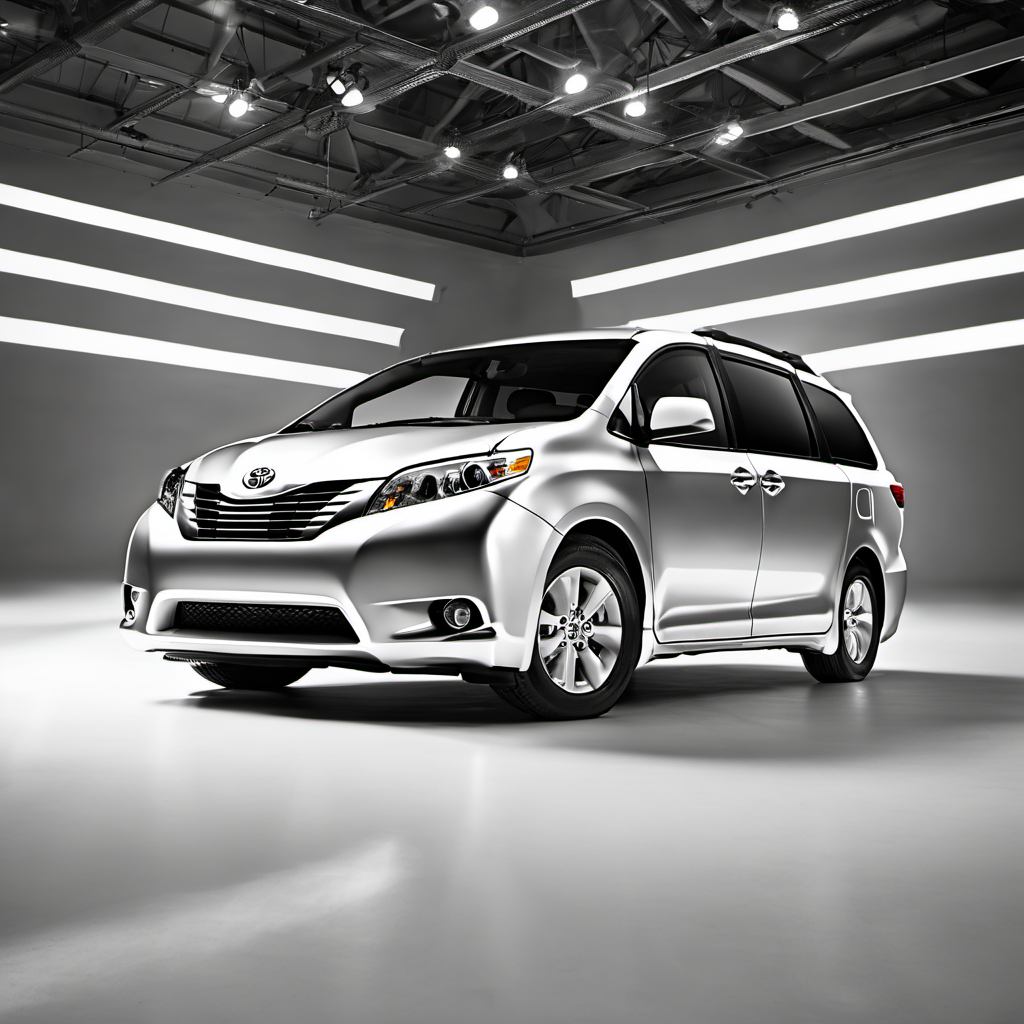
2015 Toyota
3.5L V6 (2GR-FE) · Van/Minivan
The 2015 Toyota Sienna is a third-generation minivan that has earned a reputation as one of the most durable people-haulers on the market. Powered by a 3.5L V6 and available in front-wheel or all-wheel drive, it comfortably seats seven or eight and delivers a well-rounded blend of practicality, reliability, and reasonable running costs. For families in the Lake Geneva area, the AWD variant is a meaningful option — it's the only minivan of this era to offer all-wheel drive, which gives it a tangible edge on snow-covered roads. The ride is smooth, the cabin is cavernous, and the dual sliding power doors are genuinely useful day-to-day. By 2015, the third-gen Sienna was a mature, well-sorted platform. Most early bugs had been ironed out, and the 3.5L 2GR-FE engine is one of Toyota's most proven powerplants. High-mileage examples (150k+) are common and still commanding reasonable prices, which speaks to real-world longevity.
The 2015 Toyota Sienna is a third-generation minivan that has earned a reputation as one of the most durable people-haulers on the market. Powered by a 3.5L V6 and available in front-wheel or all-wheel drive, it comfortably seats seven or eight and delivers a well-rounded blend of practicality, reliability, and reasonable running costs. For families in the Lake Geneva area, the AWD variant is a meaningful option — it's the only minivan of this era to offer all-wheel drive, which gives it a tangible edge on snow-covered roads. The ride is smooth, the cabin is cavernous, and the dual sliding power doors are genuinely useful day-to-day. By 2015, the third-gen Sienna was a mature, well-sorted platform. Most early bugs had been ironed out, and the 3.5L 2GR-FE engine is one of Toyota's most proven powerplants. High-mileage examples (150k+) are common and still commanding reasonable prices, which speaks to real-world longevity.
The VVT-i cam phaser system is highly sensitive to oil cleanliness. Sludge is the number-one cause of premature VVT-i and cam timing failures on this engine. Do not stretch intervals.
Toyota's 'lifetime' ATF claim is optimistic for high-mileage or tow-use vehicles. Fresh fluid at 45k-mile intervals keeps the 6-speed shifting cleanly and prevents costly solenoid wear.
Debris and dried grease in the door tracks accelerates cable and roller wear — the most common repair on this vehicle. A clean, lubricated track significantly extends motor life.
Factory iridium plugs last 60k miles. Running worn plugs causes misfires that can foul the downstream catalytic converters — an expensive secondary failure.
Toyota's SLLC is long-lived but not immortal. Degraded coolant causes water pump and thermostat corrosion, both of which are pricier repairs on this transversely-mounted V6.
Wisconsin's humidity and road salt accelerate moisture absorption in brake fluid, lowering boiling point and promoting caliper corrosion. A $60 flush prevents much larger brake jobs.
Rocker panels and rear wheel well lips are rust hot spots on this platform in the salt belt. Catching surface rust early and treating it costs far less than structural repairs.
The rear differential on AWD Siennas is often overlooked. Low or degraded fluid leads to premature bearing and gear wear, and replacement is a significant expense.
Always defer to the manufacturer's service manual for warranty-mandated intervals.
The Sienna is an economical vehicle to own once purchased. Parts are widely available, independent shops know this engine well, and catastrophic failures are rare when maintenance is kept up. The biggest budget risks are power door repairs and rust remediation — both preventable with early attention. AWD adds modest driveline service costs but is worth it for Wisconsin winters.
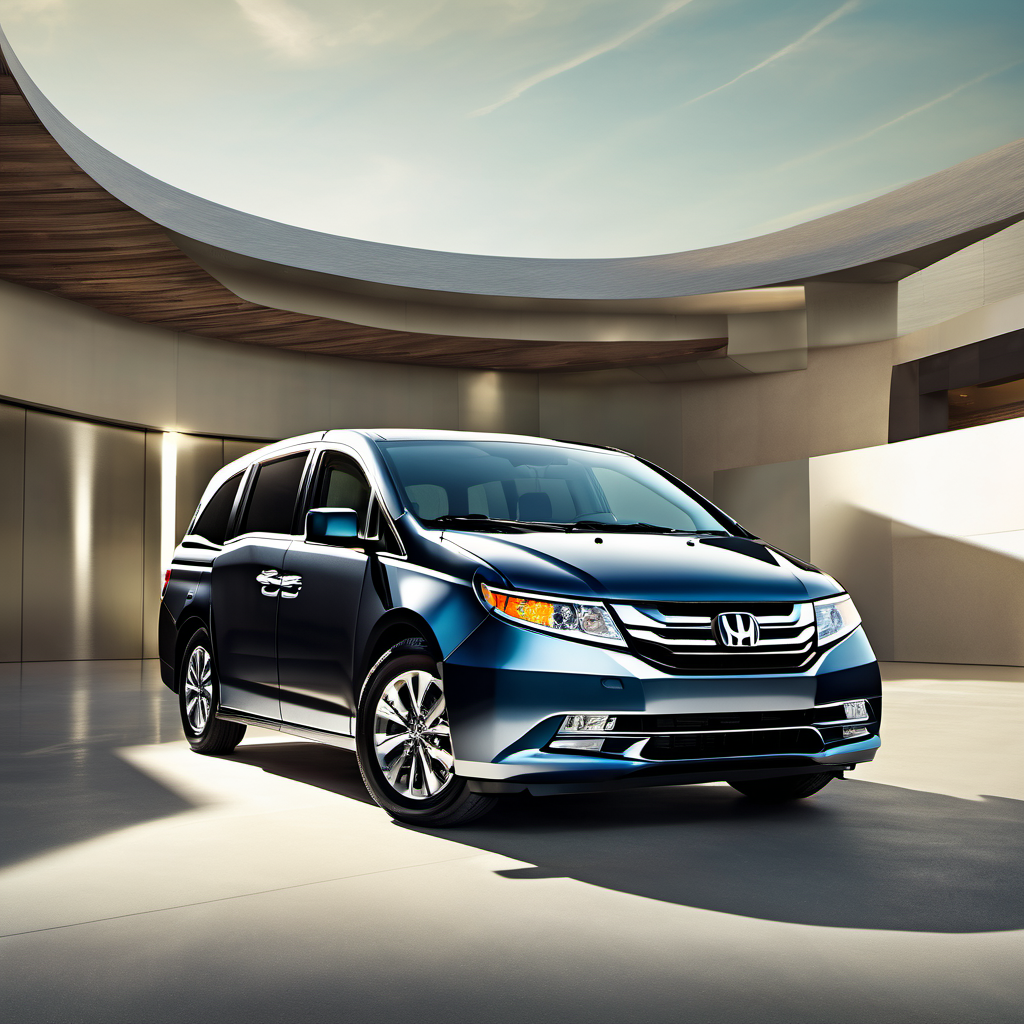
The Odyssey is the Sienna's closest rival — similar size, price, and family-hauler mission. Slightly sportier to drive, comparable reliability, but FWD only. Strong resale and widely serviced.

More feature content per dollar and a comfortable ride, but reliability trails Toyota significantly. Worth considering only if the price gap is substantial and maintenance history is documented.
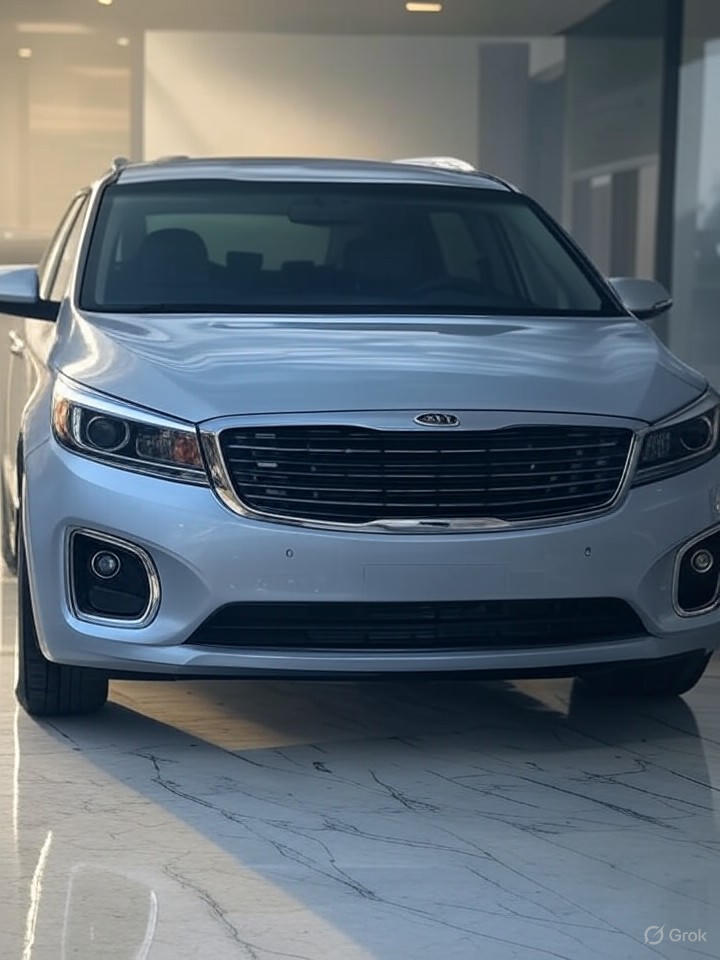
Lower entry price with a solid warranty history. Slightly smaller inside than the Sienna, FWD only, and long-term durability data is less deep — but a solid budget alternative.
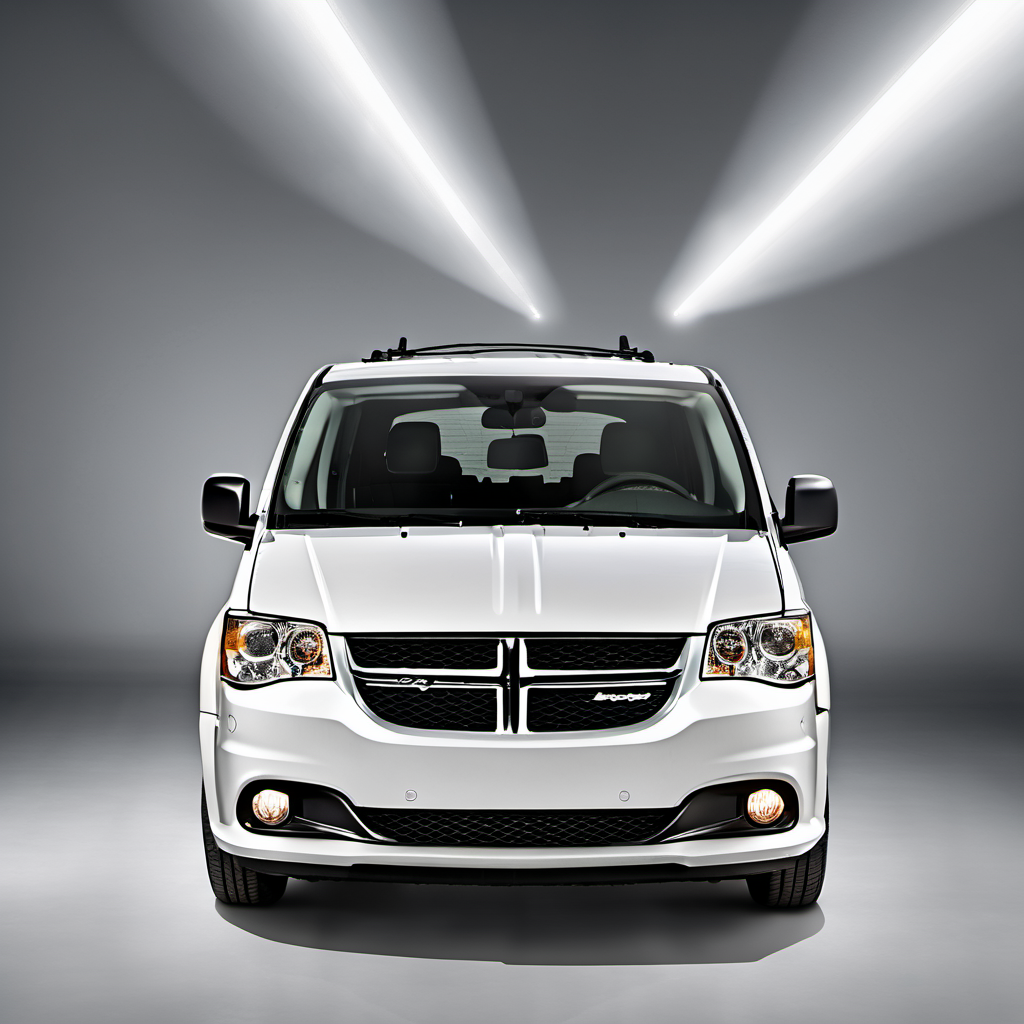
The most affordable minivan option used, with flexible Stow 'n Go seating. Reliability and build quality noticeably below Sienna. Best for budget buyers who are prepared for more frequent repairs.