Oil consumption — 2.5L SKYACTIV-G engine
medium- Typically appears
- 40–100k mi
- Estimated repair
- $50 – $200
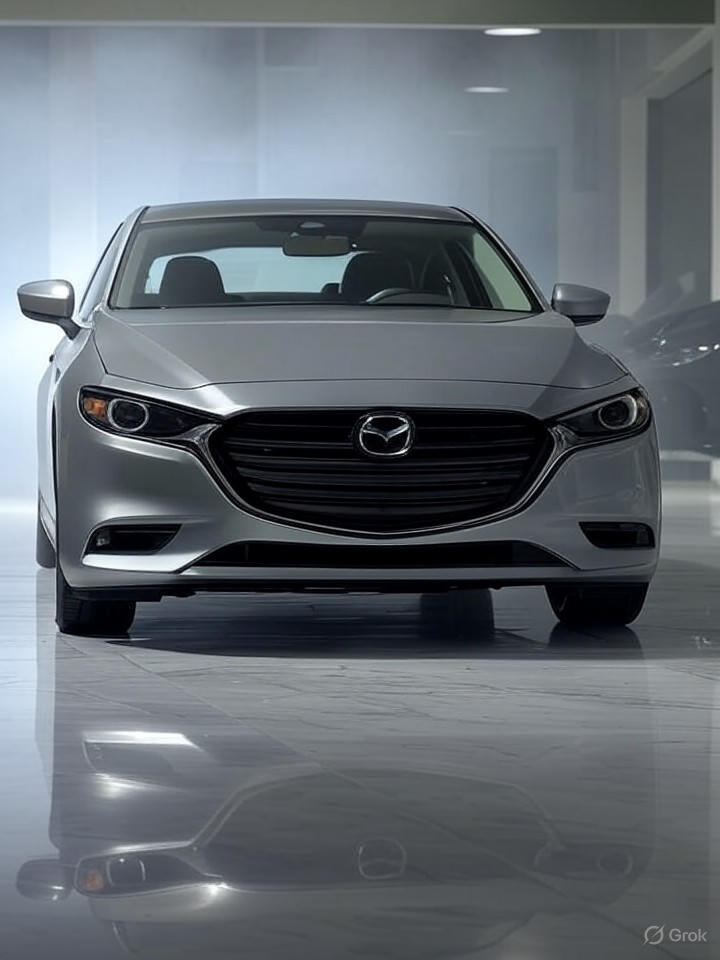
2015 MAZDA
2.0L I4 SKYACTIV-G · Sedan
The 2015 Mazda3 Sedan is the third generation of Mazda's core compact car, built on the SKYACTIV platform that debuted in 2014. It's a sharp-handling, fuel-efficient four-door that punches well above its price class in driving feel and interior quality. Two SKYACTIV-G engines were offered — a 2.0L and a 2.5L — both naturally aspirated and paired with either a 6-speed manual or 6-speed automatic (or optional SKYACTIV-Drive automatic). The Mazda3 earned strong reliability marks in this generation. SKYACTIV engines are straightforward to service, and owners routinely reach 150k–200k miles with nothing more than scheduled maintenance. Compared to a Civic or Corolla, it's a more driver-focused choice without sacrificing day-to-day practicality. For a Lake Geneva driver, the Mazda3 is a decent winter car in FWD form — it's light and responsive, but tires matter a lot. A dedicated set of winter tires makes a meaningful difference on packed snow and icy roads.
The 2015 Mazda3 Sedan is the third generation of Mazda's core compact car, built on the SKYACTIV platform that debuted in 2014. It's a sharp-handling, fuel-efficient four-door that punches well above its price class in driving feel and interior quality. Two SKYACTIV-G engines were offered — a 2.0L and a 2.5L — both naturally aspirated and paired with either a 6-speed manual or 6-speed automatic (or optional SKYACTIV-Drive automatic). The Mazda3 earned strong reliability marks in this generation. SKYACTIV engines are straightforward to service, and owners routinely reach 150k–200k miles with nothing more than scheduled maintenance. Compared to a Civic or Corolla, it's a more driver-focused choice without sacrificing day-to-day practicality. For a Lake Geneva driver, the Mazda3 is a decent winter car in FWD form — it's light and responsive, but tires matter a lot. A dedicated set of winter tires makes a meaningful difference on packed snow and icy roads.
SKYACTIV engines are designed around 0W-20 synthetic. Stretching intervals beyond 5k contributes to VVT solenoid sludging and oil consumption issues, especially on the 2.5L.
Wisconsin road grit and cottonwood season clog filters faster than the Southwest. A dirty air filter hurts MPG noticeably on the SKYACTIV-G.
Brake fluid absorbs moisture over time, lowering its boiling point. Especially important in Wisconsin where temperature swings accelerate moisture ingestion.
SKYACTIV high-compression engines need the correct plug gap. Non-OEM plugs can cause misfires. Stick with OEM spec.
Mazda does not list this as a scheduled item but real-world data shows transmission longevity improves with fresh fluid at 60k. Use Mazda-spec fluid.
The Mazda3 tends to warp rotors in city driving. Inspect at each tire rotation and replace rotors when resurfacing would leave them under minimum thickness.
Wisconsin road salt is aggressive. Brake line corrosion is a real safety risk on vehicles parked outdoors year-round. Catching it early is far cheaper than emergency replacement.
The SKYACTIV engine requires Mazda's specific FL-22 long-life coolant. Do not mix with standard green or universal coolant — it can shorten water pump life.
Always defer to the manufacturer's service manual for warranty-mandated intervals.
The 2015 Mazda3 is one of the more affordable compact sedans to own long-term. Parts are widely available, labor times are short, and major repairs before 150k are uncommon with regular maintenance. Annual costs are meaningfully lower than a comparable Honda or Toyota when you factor in slightly lower parts pricing at independent shops.
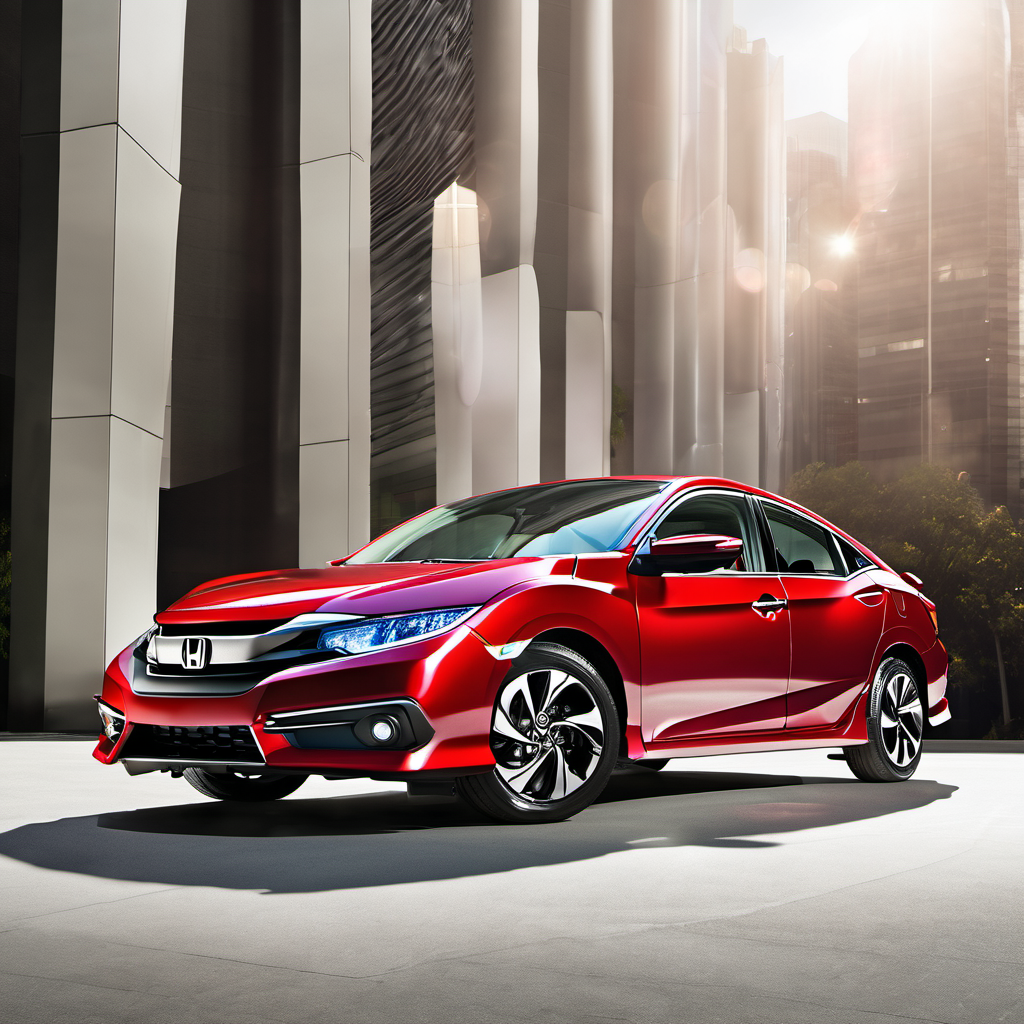
The closest rival — similar price, FWD compact sedan, excellent reliability. The Civic has a slightly larger back seat; the Mazda3 drives better and has a nicer interior.
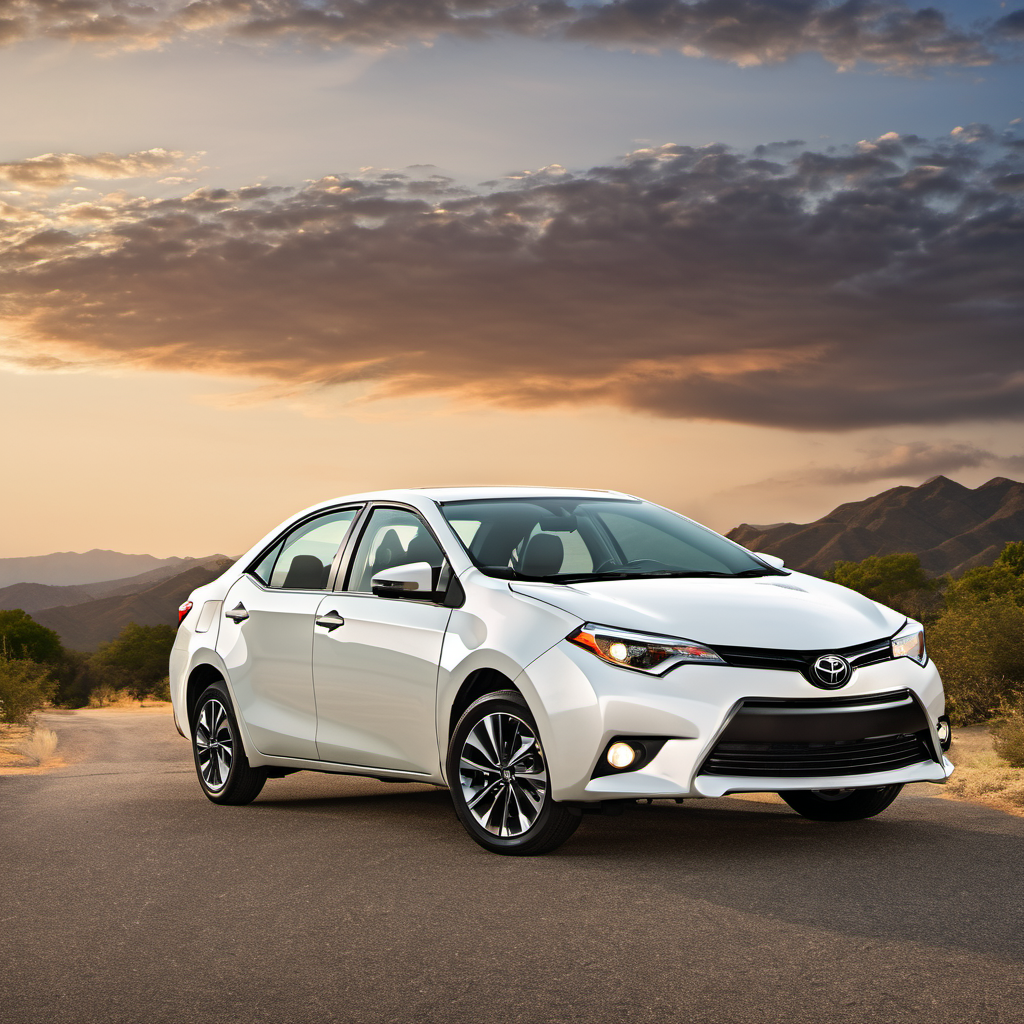
Rock-solid long-term reliability and easy parts availability. The Corolla is softer and less engaging to drive but has a slightly roomier rear seat.
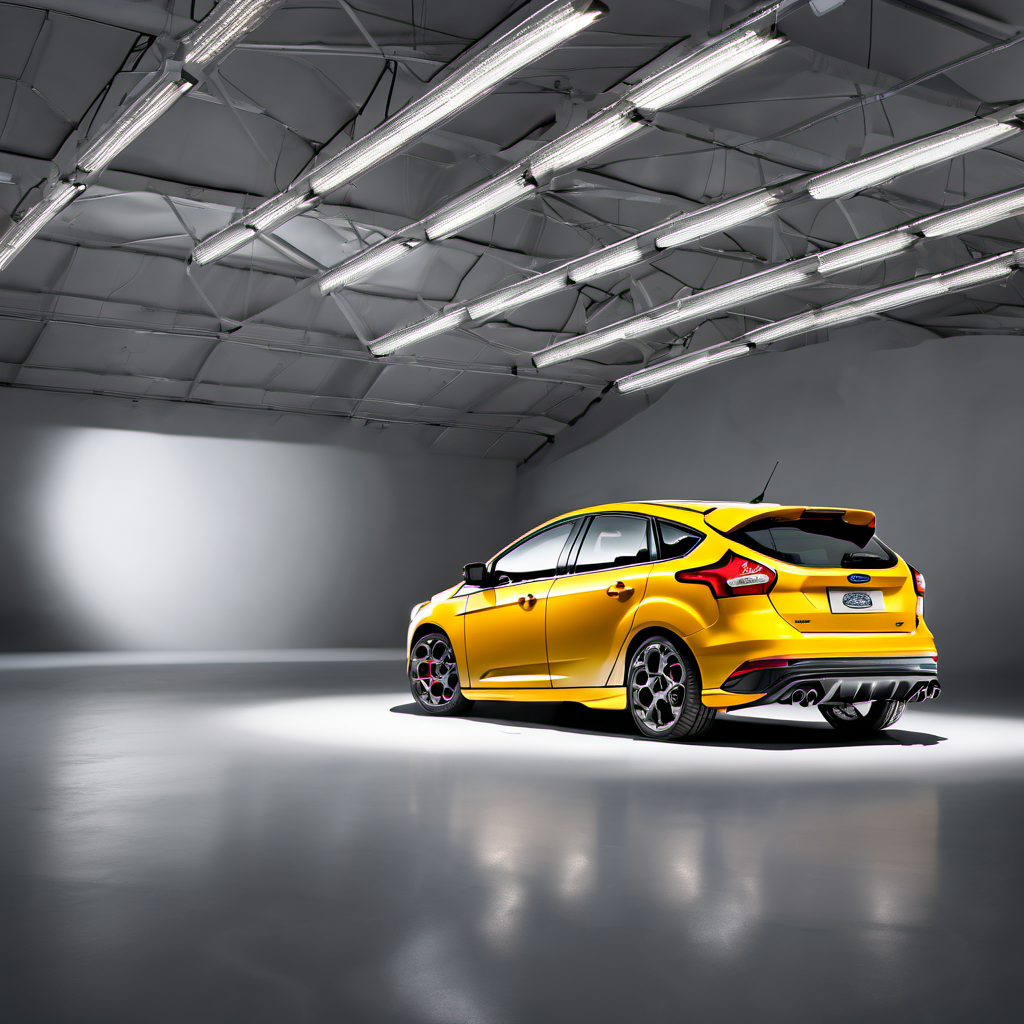
Similar footprint and price. Avoid the dual-clutch automatic (PowerShift) — the 6-speed automatic or manual are fine. The Focus ST is sportier but costs more.
More rear legroom and a more upscale feel at a similar price point. Higher long-term maintenance costs than the Mazda3, especially at the dealer.