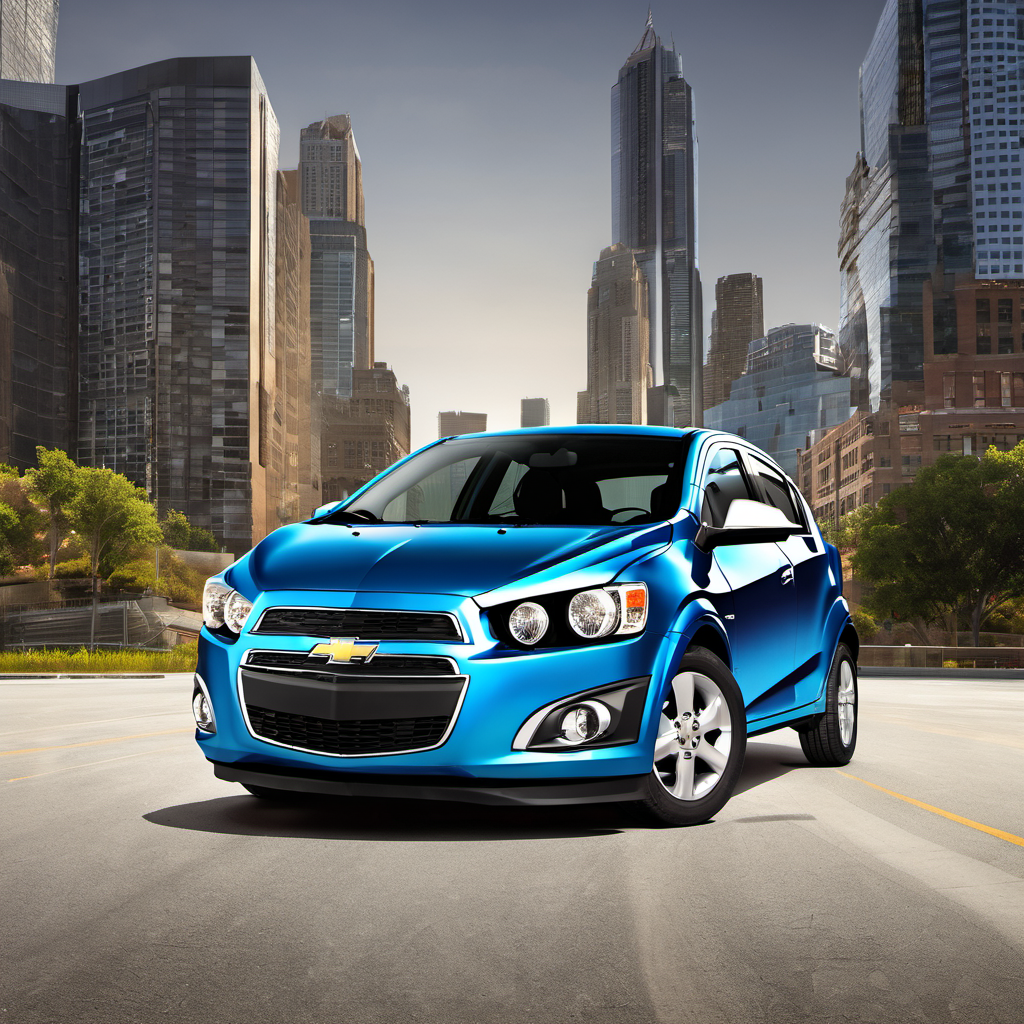
2015 Kia Soul Wagon
Popular pick

2015 Kia

SoulWagon

1.6L I4 DOHC GDI Gamma · Wagon

The 2015 Kia Soul is a subcompact wagon with a boxy, upright design that punches well above its class in interior space and personality. It sits on a 101-inch wheelbase and offers a practical, easy-to-park footprint while delivering a surprisingly roomy cabin for four adults. Kia's second-generation Soul (2014–2019) was a significant step up from the first gen in refinement, safety ratings, and standard features. For 2015, the base Soul comes with a 1.6L naturally aspirated four-cylinder paired to a 6-speed manual or automatic. It's not a performance car — 130 hp is honest daily-driver power — but it's well-suited to city commuting and light highway use. Fuel economy is competitive at 27 mpg combined. The Soul earned a loyal following because it's genuinely fun to own: easy to park, visibility is good, reliability is solid for the price, and repair costs are lower than most European alternatives in the same size class. For Lake Geneva drivers, note that FWD with a good set of winter tires handles Wisconsin winters competently.

Reliability
4/5
Verified data
Specs shown for Soul — the most common configuration. Other trims may vary in engine, drivetrain, or fuel economy. Sign in to see your vehicle's exact specs.
Engine
[object Object]
Drivetrain
Front-Wheel Drive (FWD)
Fuel
Gasoline
MPG
24 city / 30 highway / 27 combined
Seats
Doors
4
Body
Small Station Wagons
MSRP
$15,900

Overview

AI-curated

The 2015 Kia Soul is a subcompact wagon with a boxy, upright design that punches well above its class in interior space and personality. It sits on a 101-inch wheelbase and offers a practical, easy-to-park footprint while delivering a surprisingly roomy cabin for four adults. Kia's second-generation Soul (2014–2019) was a significant step up from the first gen in refinement, safety ratings, and standard features. For 2015, the base Soul comes with a 1.6L naturally aspirated four-cylinder paired to a 6-speed manual or automatic. It's not a performance car — 130 hp is honest daily-driver power — but it's well-suited to city commuting and light highway use. Fuel economy is competitive at 27 mpg combined. The Soul earned a loyal following because it's genuinely fun to own: easy to park, visibility is good, reliability is solid for the price, and repair costs are lower than most European alternatives in the same size class. For Lake Geneva drivers, note that FWD with a good set of winter tires handles Wisconsin winters competently.

Known for
  • Distinctive boxy styling with a spacious, comfortable interior
  • Low ownership and repair costs relative to class
  • Strong value retention for a budget subcompact
  • Easy urban maneuverability and good outward visibility
  • Kia's 5-year/60k bumper-to-bumper and 10-year/100k powertrain warranty (original owner)
Best for
  • Urban and suburban commuters wanting maximum interior space in a small footprint
  • First-time buyers or budget-conscious shoppers
  • Drivers who need easy parking but don't want a tiny back seat
  • Light cargo haulers — rear seat folds flat for a useful load floor
Watch for
  • GDI (direct injection) carbon buildup on intake valves — a known issue on all GDI engines
  • Engine oil consumption on higher-mileage examples
  • CVT/automatic transmission reliability if not serviced on schedule
  • Rust on brake rotors and undercarriage accelerates fast in Wisconsin salt conditions

Common issues by mileage

6 known

GDI Intake Valve Carbon Buildup

high
Typically appears
60–120k mi
Estimated repair
$250 – $500

Variable Valve Timing (VVT) Solenoid Failure

medium
Typically appears
70–120k mi
Estimated repair
$150 – $350

Oxygen Sensor Heater Circuit Failure

medium
Typically appears
80–130k mi
Estimated repair
$150 – $300

Brake Rotor Rust and Premature Wear (Wisconsin salt)

high
Typically appears
30–80k mi
Estimated repair
$200 – $450

Excessive Engine Oil Consumption

medium
Typically appears
60–150k mi
Estimated repair
$0 – $1,500

Maintenance schedule

  1. 1
    Every 5,000 miles or 6 months — do not stretch to OLM-suggested 7,500 on a GDI engine Engine oil and filter change

    GDI engines run hotter and dirtier oil accelerates carbon deposits and VVT solenoid clogging. Frequent oil changes are cheap insurance on this engine.

  2. 2
    Every 60,000–80,000 miles Intake valve walnut-shell blasting (carbon cleaning)

    GDI engines don't have fuel washing intake valves. Carbon deposits build up and reduce airflow, causing rough idle, misfires, and power loss. This is not optional at higher mileage.

  3. 3
    Every 45,000–60,000 miles Transmission fluid change (automatic)

    Kia marks this 'lifetime' fluid but it degrades. Changing it at this interval prevents shudder and extends transmission life significantly.

  4. 4
    Every 60,000 miles Spark plug replacement

    Iridium plugs are standard; worn plugs on a GDI engine worsen carbon buildup and can cause misfires.

  5. 5
    Every 15,000–20,000 miles or annually Cabin and engine air filter inspection/replacement

    Wisconsin dust, pollen, and road debris clog filters faster than southern climates. A dirty engine air filter hurts fuel economy noticeably on a small-displacement engine.

  6. 6
    Every 20,000 miles or each spring after winter Brake rotor and pad inspection

    Road salt accelerates rotor surface rust and caliper corrosion. Inspect every spring — pitted rotors should be replaced, not just turned.

  7. 7
    Every 60,000 miles or 5 years Coolant flush

    Kia's OAT coolant degrades over time; degraded coolant causes corrosion in the aluminum engine block and water pump.

  8. 8
    Every fall, before winter Underbody and brake line inspection for rust

    Lake Geneva road salt is harsh. Brake lines, fuel lines, and subframe mounting points are all at risk. Catch surface rust before it becomes a structural or safety issue.

Always defer to the manufacturer's service manual for warranty-mandated intervals.

Cost of ownership

Annual maintenance
$400 – $900
Fuel
At 27 mpg combined and 12,000 miles/year, expect roughly $1,400–$1,700/year at current upper-Midwest gas prices.
Insurance
Typically $900–$1,400/year for full coverage in the Lake Geneva area depending on driver profile. Lower-than-average for the class due to modest power and good safety ratings.

The Soul is genuinely inexpensive to own. Parts are affordable, independent shops can work on it easily, and the 1.6L is not complex. The main cost wildcards are intake carbon cleaning (a planned service, not an emergency), and brake/rotor work if you ignore spring inspections after salty winters. Budget for a quality set of winter tires — that's money well spent in Wisconsin.
Seasonal care

Lake Geneva, WI
Winter
  • Install a dedicated set of winter tires — FWD with winters significantly outperforms all-seasons in sub-zero Lake Geneva conditions
  • Test and replace the battery if it's over 3 years old before first hard freeze; the 1.6L starts fine in cold but a weak battery won't
  • Switch to full-synthetic 0W-20 or 5W-30 oil for easier cold starts and faster VVT oil pressure response at startup
  • Keep washer fluid rated to -20°F or lower; the upright windshield catches a lot of road spray and grime
  • Inspect and lubricate door seals — the low door sills on the Soul are prone to freezing shut
  • Flush brake fluid if it's been more than 2 years; moisture-contaminated fluid has a lower boiling point and absorbs water that can freeze in calipers
Summer
  • Check tire pressure every 2–3 weeks — pressure drops roughly 1 PSI per 10°F of temperature change and Wisconsin summers swing wide
  • Inspect the A/C system refrigerant and cabin filter before hot season; the base trim A/C works harder with the large glass area
  • Check coolant concentration — the 50/50 mix should be maintained to handle both freeze and boiling protection
  • Inspect brake rotors for heat warping after a winter of salt exposure — warped rotors show up as pedal pulsation under summer highway braking

Comparable vehicles

If you're shopping for one

Red flags
  • Any evidence of oil consumption (low oil on dipstick, blue smoke at startup or under acceleration) without a documented cause and fix
  • Rust bubbling on rocker panels, wheel arches, or undercarriage — Wisconsin cars are at higher risk
  • Check engine light or multiple stored DTCs, especially VVT-related codes (P0012, P0015, P0026, P0027)
  • No service records — oil change history is critical on GDI engines; unknown history means assume carbon buildup service is needed now
  • Signs of accident repair: panel gaps, mismatched paint, overspray on trim or rubber seals
What to inspect
  • Pull a cold-start idle — VVT rattles or rough idle on cold start points to oil sludge or VVT solenoid wear
  • Check the engine oil dipstick for milky or sludgy oil, which signals either a head gasket issue or severely neglected oil changes
  • Scan for stored and pending DTCs before purchase — P0012/P0015 codes indicate VVT or camshaft timing issues that can be expensive
  • Inspect the undercarriage for rust on brake lines, fuel lines, and subframe — especially important on Wisconsin cars
  • Test all electronics including UVO infotainment and Bluetooth; these modules can develop gremlins with age
  • Listen for timing chain rattle at startup — a stretched chain is a significant repair on this engine
AI profile generated 4 days ago · claude-sonnet-4-6 · v2.