AFM Lifter Failure (Active Fuel Management)
high- Typically appears
- 60,000–130,000 mi
- Estimated repair
- $2,500 – $5,500
2015 Chevrolet
5.3L EcoTec3 V8 · 1500
The 2015 Chevrolet Silverado 1500 is the second year of GM's K2XX-generation full-size pickup, a significant redesign that brought the EcoTec3 engine family, an all-aluminum block V8, and Active Fuel Management (cylinder deactivation) to the half-ton segment. The 5.3L L83 variant is by far the most popular powertrain choice and delivers a strong balance of towing capacity (up to 11,100 lbs properly equipped), everyday drivability, and reasonable fuel economy for its class. As a 4WD crew cab or double cab, the 2015 Silverado is a true work truck that also serves comfortably as a daily driver. The interior took a leap forward over the previous generation with more structured ergonomics, better materials at higher trims, and an 8-inch MyLink touchscreen. It's built on a fully boxed frame and offers a smooth, composed ride for the segment. The 2015 model year benefits from first-year production bugs mostly being sorted, but the AFM (Active Fuel Management) system — which deactivates 4 of the 8 cylinders under light load — has a documented history of causing oil consumption and lifter wear issues that owners and shops must watch. With proper maintenance and AFM awareness, these trucks routinely reach 200k+ miles.
The 2015 Chevrolet Silverado 1500 is the second year of GM's K2XX-generation full-size pickup, a significant redesign that brought the EcoTec3 engine family, an all-aluminum block V8, and Active Fuel Management (cylinder deactivation) to the half-ton segment. The 5.3L L83 variant is by far the most popular powertrain choice and delivers a strong balance of towing capacity (up to 11,100 lbs properly equipped), everyday drivability, and reasonable fuel economy for its class. As a 4WD crew cab or double cab, the 2015 Silverado is a true work truck that also serves comfortably as a daily driver. The interior took a leap forward over the previous generation with more structured ergonomics, better materials at higher trims, and an 8-inch MyLink touchscreen. It's built on a fully boxed frame and offers a smooth, composed ride for the segment. The 2015 model year benefits from first-year production bugs mostly being sorted, but the AFM (Active Fuel Management) system — which deactivates 4 of the 8 cylinders under light load — has a documented history of causing oil consumption and lifter wear issues that owners and shops must watch. With proper maintenance and AFM awareness, these trucks routinely reach 200k+ miles.
Fresh, clean oil is the single best defense against AFM lifter and VVT phaser wear. The OLM can push to 10k miles, but given AFM operation and the documented oil consumption issues, shorter intervals significantly extend engine life.
GM marks the 6L80 as 'lifetime fill' but real-world evidence strongly supports changing fluid to prevent torque converter shudder and solenoid wear, especially in towing use.
4WD hardware takes a beating in Wisconsin winters. Salt-laden slush can contaminate seals; keeping fresh fluid in the diffs and t-case prevents gear and bearing wear.
Factory iridium plugs are long-life, but worn plugs can mask a shudder or misfire that gets attributed to the torque converter or AFM. Replace on schedule.
Direct injection engines accumulate carbon on intake valves without port fuel wash. Preventive cleaning avoids rough idle and hesitation before it becomes a driveability problem.
A 5,300-lb 4WD truck in sub-zero Wisconsin temps demands a strong battery. The L83 with AFM cycling also places repeated start-stop-like loads on the charging system. A battery showing marginal capacity in October will fail in January.
Road salt in Lake Geneva area winters accelerates brake line corrosion and rotor edge rust. Inspect brake hard lines under the truck annually — this is a safety item that gets missed until it's a failure.
The fully boxed frame traps moisture. Inspect drain holes for blockage and treat exposed frame sections with rust inhibitor after the first winter wash. Catching surface rust early is far cheaper than structural repairs later.
Always defer to the manufacturer's service manual for warranty-mandated intervals.
A well-maintained 2015 Silverado 1500 5.3L is a reasonable ownership proposition for someone who needs a real truck. Routine annual costs are moderate, but budget for the possibility of an AFM lifter job ($2,500–$5,500) sometime before 150k miles — it's common enough that you should treat it as a likely expense rather than a remote one. Trucks with documented oil change history and confirmed AFM disable (tune or hardware) carry meaningfully lower risk.
The F-150 went all-aluminum body in 2015, offering better payload and fuel economy with the 5.0L V8 or 2.7L EcoBoost. More tech features but higher repair costs for body work. The direct competitor.
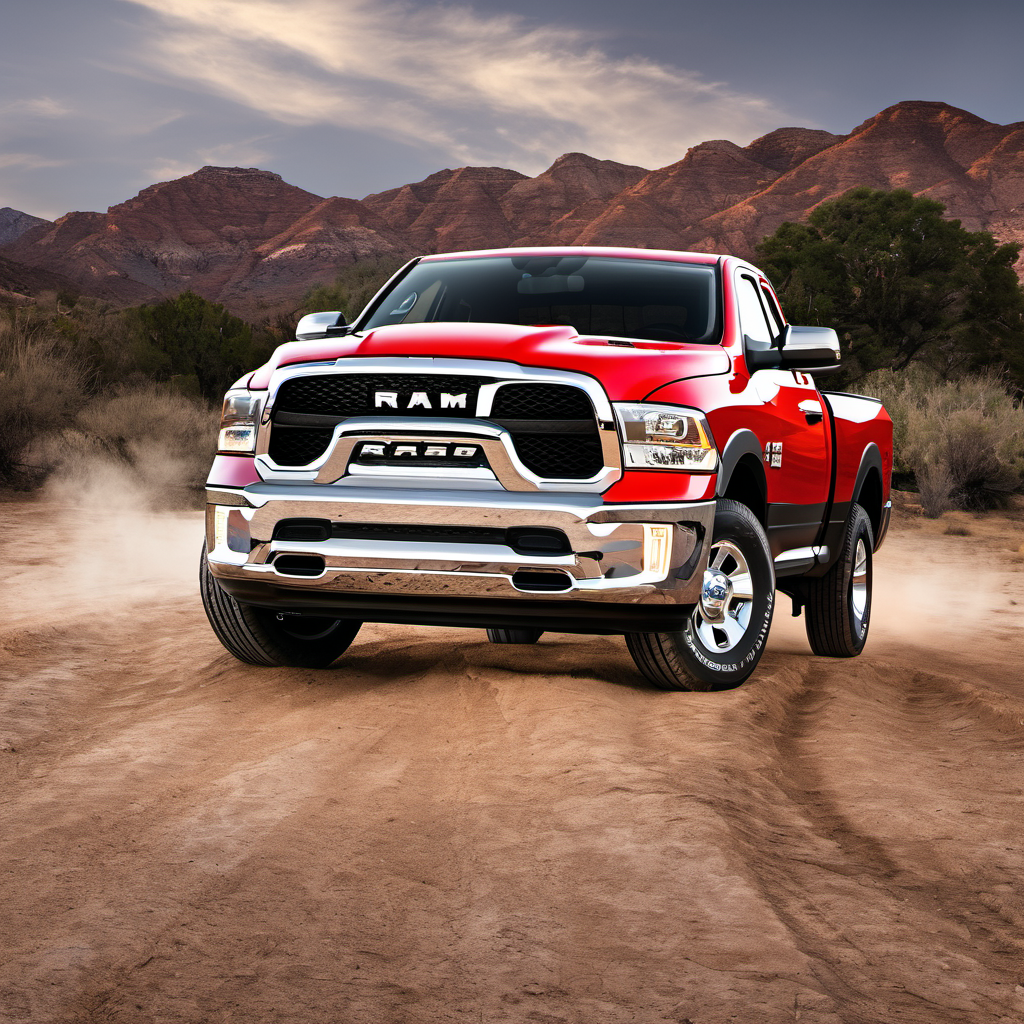
The RAM's coil-spring rear suspension gives the best ride quality in the segment. The 5.7L Hemi has its own AFM issues (MDS). Generally comparable reliability, with a plusher interior at equivalent trim levels.
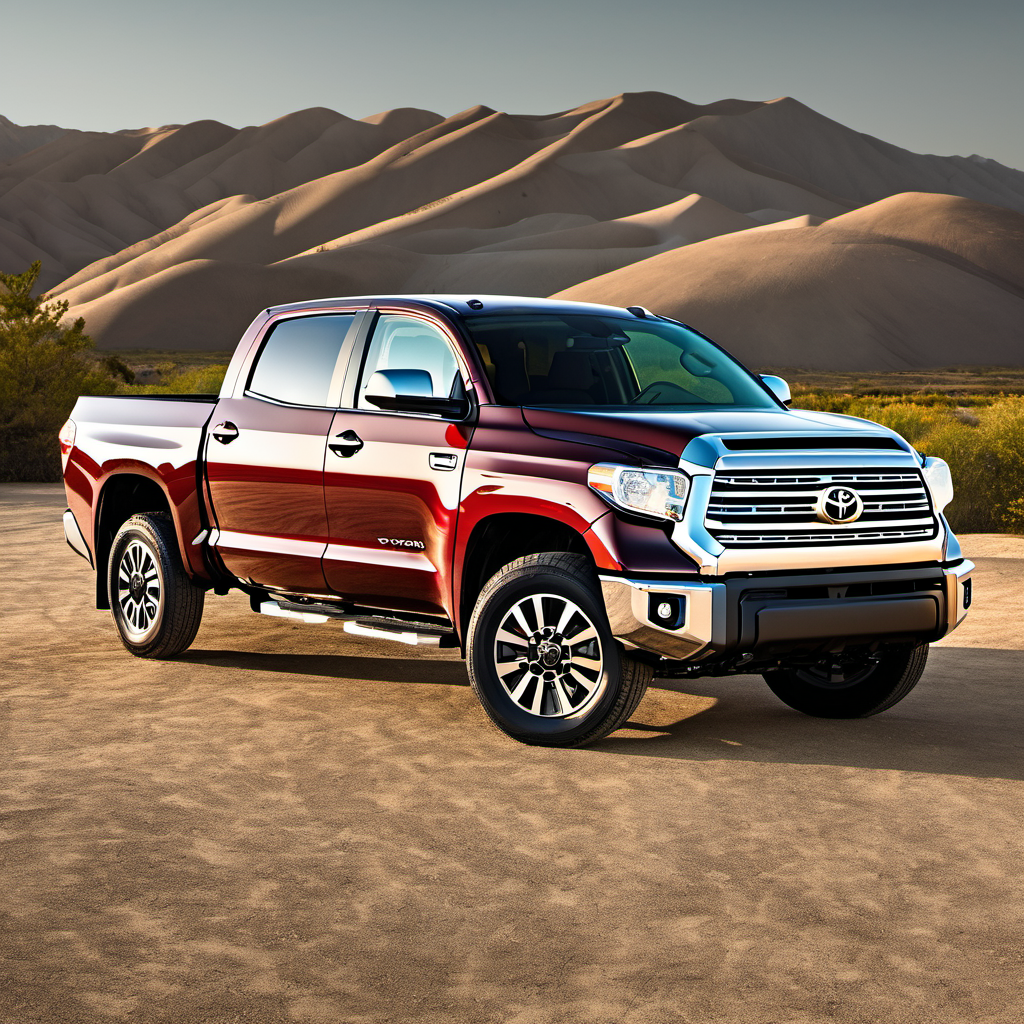
The 5.7L Tundra lacks cylinder deactivation and suffers fewer engine reliability surprises as a result. Lower towing capacity but arguably better long-term engine durability. Fewer rust concerns on underbody compared to domestic trucks.
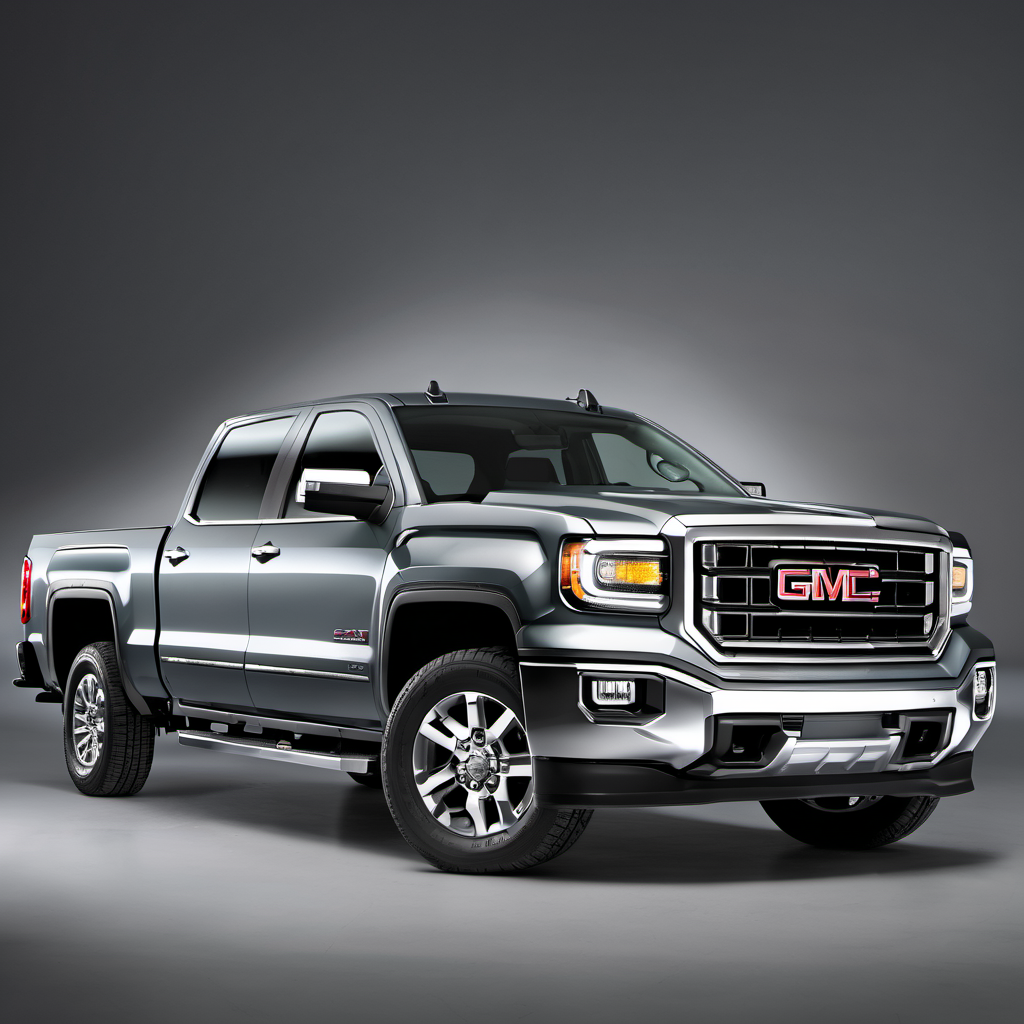
Mechanically identical to the Silverado — same frame, same L83 engine, same 6L80 transmission. The Sierra typically commands a small price premium for styling and slightly upgraded interior materials at comparable trims.