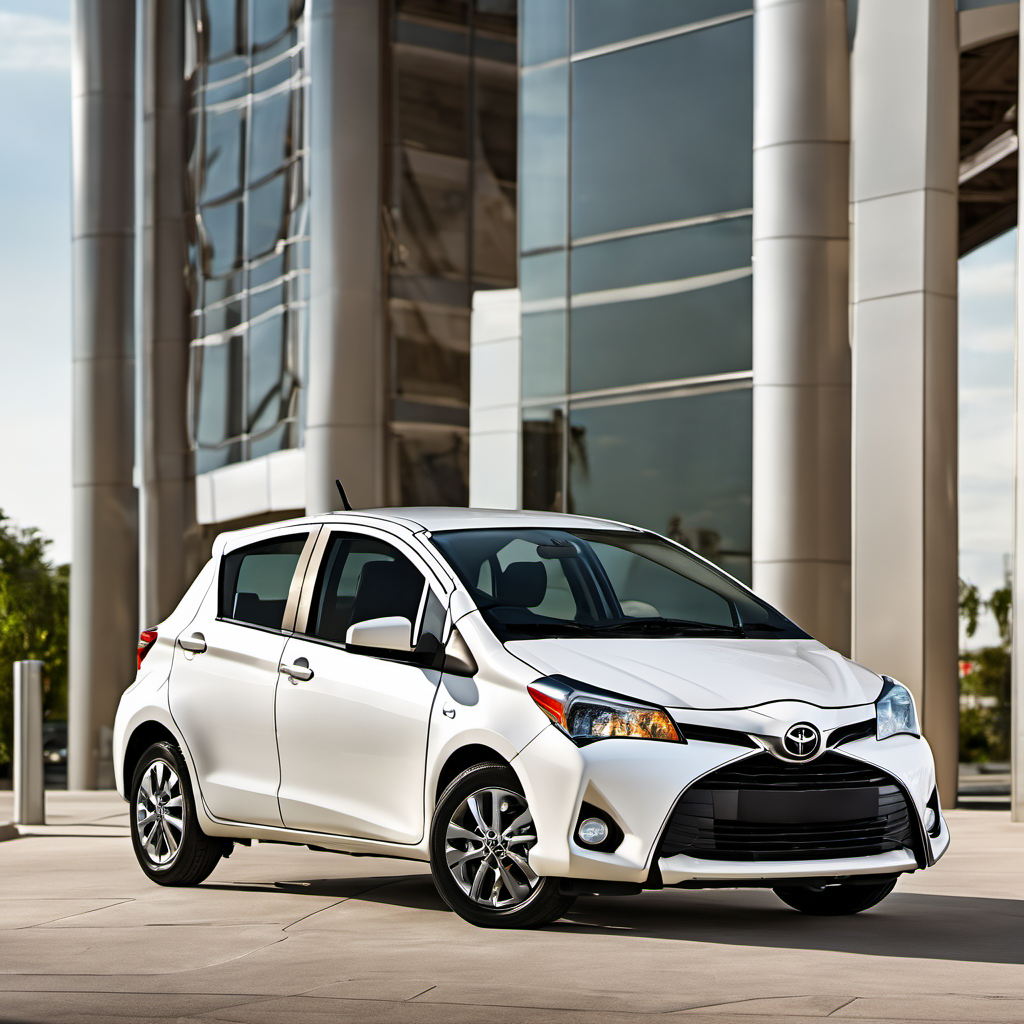
2014 Chevrolet Sonic Sedan
Popular pick

2014 Chevrolet

SonicSedan

1.8L 4-cylinder · Sedan

The 2014 Chevrolet Sonic is a subcompact sedan built in Orion Township, Michigan — one of the few cars in its class assembled in the United States at the time. It replaced the aging Aveo and was a significant step up in refinement, interior quality, and driving dynamics for Chevrolet's entry-level lineup. The Sonic slots into a competitive class of budget-friendly commuter cars and earned a loyal following for its relatively peppy feel and decent fuel economy. The 1.8L naturally aspirated four-cylinder (LUW engine) paired with a 6-speed automatic is the most common configuration. It won't win any stoplight races, but it's honest transportation — good on fuel, easy to park, and affordable to insure. The Sonic also offered a turbocharged 1.4L option for those wanting more pep, though the 1.8L/automatic combo dominates used inventory. By 2014, the Sonic had shed most of its early-generation teething issues. It's a reasonable used-car buy for budget-conscious commuters, first-time car owners, or anyone who needs reliable point-A-to-point-B transportation. Just keep up with the oil changes — the engine rewards clean oil and punishes neglect.

Reliability
3/5
Verified data
Specs shown for Sonic — the most common configuration. Other trims may vary in engine, drivetrain, or fuel economy. Sign in to see your vehicle's exact specs.
Engine
[object Object]
Drivetrain
Front-Wheel Drive
Fuel
Gasoline
MPG
25 city / 35 highway / 28 combined
Seats
Doors
4
Body
Compact Cars
MSRP
$15,495

Overview

AI-curated

The 2014 Chevrolet Sonic is a subcompact sedan built in Orion Township, Michigan — one of the few cars in its class assembled in the United States at the time. It replaced the aging Aveo and was a significant step up in refinement, interior quality, and driving dynamics for Chevrolet's entry-level lineup. The Sonic slots into a competitive class of budget-friendly commuter cars and earned a loyal following for its relatively peppy feel and decent fuel economy. The 1.8L naturally aspirated four-cylinder (LUW engine) paired with a 6-speed automatic is the most common configuration. It won't win any stoplight races, but it's honest transportation — good on fuel, easy to park, and affordable to insure. The Sonic also offered a turbocharged 1.4L option for those wanting more pep, though the 1.8L/automatic combo dominates used inventory. By 2014, the Sonic had shed most of its early-generation teething issues. It's a reasonable used-car buy for budget-conscious commuters, first-time car owners, or anyone who needs reliable point-A-to-point-B transportation. Just keep up with the oil changes — the engine rewards clean oil and punishes neglect.

Known for
  • Built in the USA (Orion Assembly, Michigan)
  • Competitive fuel economy for the class
  • Nimble, car-like handling for a subcompact
  • Affordable purchase price and insurance costs
  • Standard MyLink infotainment with 7-inch touchscreen
Best for
  • Budget-conscious daily commuters
  • First-time car buyers
  • City and suburban drivers who prioritize low running costs
  • Single drivers or couples without heavy cargo needs
Watch for
  • LUW engine is sensitive to oil change intervals — sludge builds fast with neglect
  • Timing chain stretch reported on higher-mileage examples
  • Transmission fluid rarely gets changed on used examples — it should be
  • Thin exterior sheet metal is susceptible to rust in Wisconsin salt conditions
  • Interior plastics show wear quickly on high-mileage units

Common issues by mileage

6 known

Timing Chain Stretch / VVT System Faults

medium
Typically appears
80,000–130,000 mi
Estimated repair
$600 – $1,400

VVT Solenoid / Valve Control Circuit Failure

medium
Typically appears
60,000–100,000 mi
Estimated repair
$150 – $400

Oxygen Sensor Heater Circuit Failure

medium
Typically appears
70,000–120,000 mi
Estimated repair
$150 – $350

Engine Oil Sludge (neglected oil changes)

high
Typically appears
60,000+ mi
Estimated repair
$200 – $1,800

Premature Brake Wear (front pads and rotors)

high
Typically appears
30,000–60,000 mi
Estimated repair
$200 – $450

CAN Bus / Module Communication Faults

low
Typically appears
50,000–100,000 mi
Estimated repair
$100 – $600

Maintenance schedule

  1. 1
    Every 5,000 miles or 6 months — do NOT rely solely on the oil life monitor Engine oil and filter change

    The LUW 1.8L is prone to sludge buildup if oil is stretched. Fresh conventional or full-synthetic oil is the single biggest factor in long engine life on this car.

  2. 2
    Every 45,000 miles Transmission fluid change (automatic)

    GM lists this as a 'lifetime' fluid, but in real-world driving — especially Wisconsin stop-and-go and cold starts — it degrades. Most used Sonics have never had this done. Dark, burnt-smelling fluid means do it now.

  3. 3
    Every 15,000–20,000 miles Air filter replacement

    A clogged air filter hurts fuel economy noticeably on this small engine and can stress the MAF sensor.

  4. 4
    Every 60,000 miles Spark plug replacement

    Factory iridium plugs are rated to 100k, but Wisconsin winters and ethanol-blend fuel accelerate wear. Fresh plugs at 60k maintain smooth cold starts.

  5. 5
    Every 5 years or 150,000 miles (DEX-COOL) Coolant flush

    DEX-COOL degrades on schedule regardless of miles. Old coolant raises the risk of thermostat failure and water pump corrosion.

  6. 6
    Every 2–3 years Brake fluid flush

    Brake fluid absorbs moisture over time. In Wisconsin freeze-thaw cycles, degraded fluid can contribute to soft pedal feel and caliper corrosion.

  7. 7
    At 80,000 miles or at any P0012/P0015 code Inspect timing chain tensioner and VVT solenoid screen

    The VVT solenoid has a small oil screen that clogs with sludge and causes cam timing codes. Cleaning it is cheap; ignoring it can lead to a full timing chain replacement.

  8. 8
    Every 15,000–20,000 miles or annually Cabin air filter replacement

    Often skipped on budget cars. A clogged cabin filter reduces A/C and heat efficiency — both matter in Wisconsin's climate extremes.

Always defer to the manufacturer's service manual for warranty-mandated intervals.

Cost of ownership

Annual maintenance
$400 – $900
Fuel
At 28 MPG combined and ~12,000 miles/year, expect roughly $1,400–$1,700/year in fuel at current upper Midwest gas prices.
Insurance
Typically $900–$1,400/year for full coverage in the Lake Geneva area for an average driver, making it one of the cheaper cars to insure in its segment.

The Sonic is one of the most affordable vehicles to own day-to-day. Parts are inexpensive and widely available. The main cost risk is deferred maintenance on the engine and transmission — a neglected example can quickly run up $1,500–$3,000 in catch-up repairs. A well-maintained Sonic with consistent service history keeps annual costs very low.
Seasonal care

Lake Geneva, WI
Winter
  • Switch to a full-synthetic 5W-30 before temperatures drop below 0°F — the LUW engine is slow to build oil pressure in extreme cold, and thinner oil helps protect it on startup.
  • Test the battery every fall. The Sonic's small engine leans hard on the battery for cold starts; a battery older than 4 years should be load-tested before November.
  • Top off washer fluid with a -20°F or -40°F rated fluid. The reservoir freezes quickly on small cars parked outside, and Wisconsin road spray demands constant use.
  • Inspect the undercarriage, wheel wells, and rocker panels each spring. The Sonic's thin sheet metal is susceptible to rust from road salt — early treatment prevents expensive body repairs.
  • Consider dedicated winter tires. The Sonic's FWD helps in snow, but the stock all-season tires are marginal in sub-zero ice conditions common in the Lake Geneva area.
  • Check door seals for cracking. Dried seals let cold air and moisture in, and the thin doors lose heat quickly.
Summer
  • Check tire pressure monthly — small tires on the Sonic lose noticeable handling sharpness when even 3–4 PSI low, and summer heat causes pressure swings.
  • Inspect the A/C system for refrigerant charge and cabin filter condition. Manual A/C on this trim works the small engine hard; a weak system makes highway driving miserable in Wisconsin humidity.
  • Check coolant level and condition before summer road trips. A failing thermostat or low coolant on a hot day in July can strand you quickly.
  • Watch for heat soak causing hard starts after quick stops. If the car cranks longer when warm, suspect a failing crankshaft position sensor — a known weak point on some LUW engines.

Comparable vehicles

If you're shopping for one

Red flags
  • No service records and oil that looks black or gritty — walk away or negotiate a major discount to cover potential engine work.
  • Timing chain rattle on cold start that does not clear within 30 seconds.
  • Any active check engine light with VVT or camshaft timing codes (P0012, P0015, P0026, P0027).
  • Visible rust perforation on rocker panels or floor — cosmetic rust is manageable, structural rust is not worth the money on a budget car.
  • Transmission slipping, shuddering on light throttle, or clunking into gear — fluid-starved automatics in this class are typically replacement candidates, not rebuild candidates.
What to inspect
  • Pull the oil filler cap and look for sludge or a milky residue — sludge means the engine was neglected and could be heading toward expensive repairs.
  • With the engine warm, check for a rattling noise on cold start that goes away after 30 seconds — classic timing chain rattle on the LUW engine.
  • Scan for any stored or pending DTCs before purchase, especially P0012 or P0015, which point to VVT/timing chain issues.
  • Inspect the undercarriage, rocker panels, and wheel arches for rust — Lake Geneva-area cars have heavy salt exposure and rust can be structural on small cars.
  • Test the transmission through all gears including a firm highway merge — any slipping, shuddering, or delayed engagement suggests fluid has never been changed.
  • Check the A/C output temperature — low refrigerant is common on 10-year-old cars and recharging is inexpensive, but a leaking compressor is not.
AI profile generated 4 days ago · claude-sonnet-4-6 · v2.