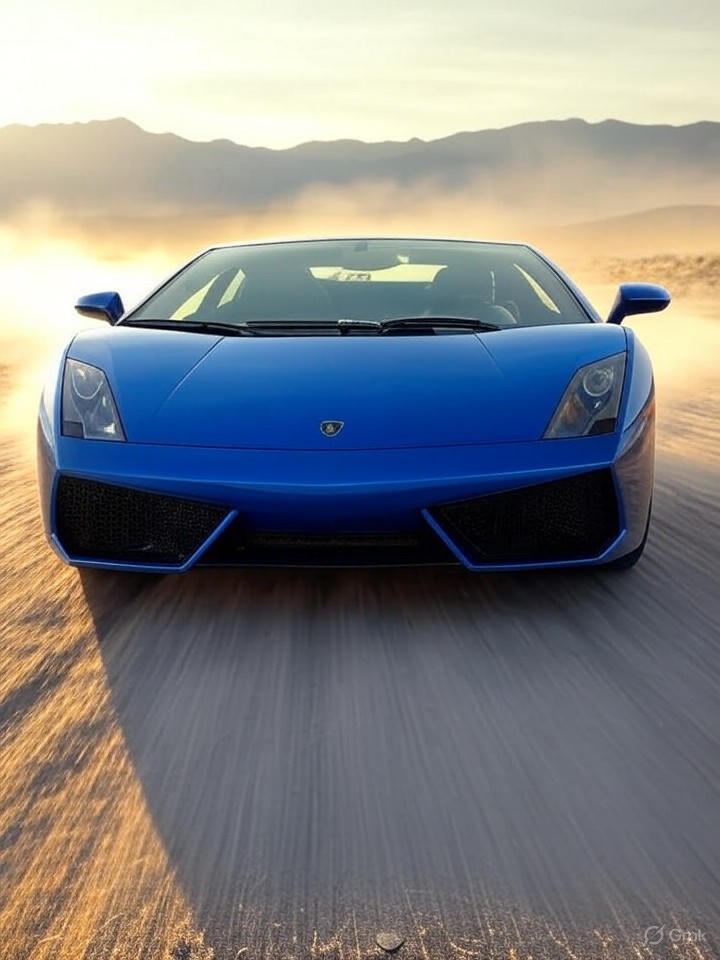
2014 Aston Martin Vanquish

2014 Aston

Martin Vanquish

5.9L

The 2014 Aston Martin Vanquish is the British marque's flagship grand tourer, revived and thoroughly re-engineered for the modern era after a decade-long gap in the nameplate. Built on an all-aluminum bonded structure — a technology Aston calls VH (Vertical/Horizontal) — it wraps a hand-built 5.9L naturally aspirated V12 in a carbon-fiber body that remains one of the most visually dramatic shapes in the segment. It is a true 2+2, though rear seat space is strictly symbolic for adults. The Vanquish sits above the Vantage and DB9 in Aston's lineup and represents the full expression of what the company could do at the time: 565 horsepower, a Touchtronic III 6-speed paddle-shift transaxle, adaptive dampers, and carbon-ceramic brake options. It is a driver's car first, grand tourer second — the exhaust note alone justifies the price of admission for many owners. Ownership is a committed relationship. Parts, specialist labor, and routine maintenance all cost multiples of what you'd pay for a comparable German or Italian car. Reliability is adequate for a low-volume exotic when maintained on schedule, but deferred service escalates repair bills quickly. This car should be considered a third vehicle or a weekend-only machine, not a daily driver — especially in a Wisconsin winter.

Reliability
2/5
Engine
5.9L
Drivetrain
RWD
Fuel
Gasoline
MPG
13/21
Seats
2
Doors
2
Body
Coupe
MSRP
$265,000

Overview

AI-curated

The 2014 Aston Martin Vanquish is the British marque's flagship grand tourer, revived and thoroughly re-engineered for the modern era after a decade-long gap in the nameplate. Built on an all-aluminum bonded structure — a technology Aston calls VH (Vertical/Horizontal) — it wraps a hand-built 5.9L naturally aspirated V12 in a carbon-fiber body that remains one of the most visually dramatic shapes in the segment. It is a true 2+2, though rear seat space is strictly symbolic for adults. The Vanquish sits above the Vantage and DB9 in Aston's lineup and represents the full expression of what the company could do at the time: 565 horsepower, a Touchtronic III 6-speed paddle-shift transaxle, adaptive dampers, and carbon-ceramic brake options. It is a driver's car first, grand tourer second — the exhaust note alone justifies the price of admission for many owners. Ownership is a committed relationship. Parts, specialist labor, and routine maintenance all cost multiples of what you'd pay for a comparable German or Italian car. Reliability is adequate for a low-volume exotic when maintained on schedule, but deferred service escalates repair bills quickly. This car should be considered a third vehicle or a weekend-only machine, not a daily driver — especially in a Wisconsin winter.

Known for
  • Hand-built 5.9L naturally aspirated V12 with a spine-tingling exhaust note
  • Bonded all-aluminum and carbon-fiber body construction
  • Striking design that aged exceptionally well
  • Touchtronic III 6-speed paddle-shift transaxle mounted at the rear axle
  • Optional carbon-ceramic brakes
Best for
  • Weekend driving enthusiasts who want a genuine grand tourer
  • Collectors looking for a depreciation-stabilized exotic
  • Drivers who prioritize naturally aspirated character over raw numbers
  • Owners who already have a dedicated specialty shop relationship
Watch for
  • Very high service and parts costs — budget accordingly before purchase
  • Touchtronic III transmission can be finicky and expensive to repair
  • Electrical gremlins, particularly in infotainment and body electronics
  • Cooling system demands respect; overheating can cause serious engine damage
  • Not a Wisconsin winter daily driver — salt, cold, and battery drain are real concerns

Common issues by mileage

6 known

Touchtronic III Transmission — Rough Shifting / Failure

medium
Typically appears
30–60k mi
Estimated repair
$2,000 – $5,000

Electrical / Infotainment Malfunctions

high
Typically appears
20–50k mi
Estimated repair
$400 – $1,200

Cooling System — Overheating / Leaks

medium
Typically appears
40–70k mi
Estimated repair
$800 – $2,500

Suspension Bushings and Shock Wear

medium
Typically appears
50–80k mi
Estimated repair
$1,200 – $3,000

Brake Rotor and Pad Wear (Steel Brakes)

high
Typically appears
30–60k mi
Estimated repair
$800 – $2,000

Camshaft / VVT Timing System Issues

low
Typically appears
60–100k mi
Estimated repair
$1,500 – $4,000

Maintenance schedule

  1. 1
    Every 10,000 miles or 12 months, whichever comes first Engine Oil and Filter Change

    The V12 runs hot and works hard. Use only the specified synthetic grade. Stretched intervals accelerate wear on the aluminum block and can void any remaining warranty coverage. Budget ~$300 per service.

  2. 2
    Every 5,000 miles or 6 months Tire Rotation

    RWD and high torque mean rear tires wear fast. Rotation extends tire life and keeps handling balanced. Performance tires on this car are expensive — don't skip this.

  3. 3
    Every 20,000 miles or 2 years Brake Fluid Flush

    High-performance braking generates extreme heat. Hygroscopic brake fluid absorbs moisture over time, lowering boiling point and inviting fade. Critical on a 565 hp car.

  4. 4
    Every 30,000 miles or 3 years Coolant System Flush and Inspection

    The V12 is thermally demanding. Degraded coolant accelerates corrosion in the aluminum cooling system. Given the known cooling issues on this generation, proactive flushing and hose inspection is cheap insurance.

  5. 5
    Every 60,000 miles or 6 years Transmission Fluid Change (Touchtronic III)

    The rear-mounted transaxle is expensive to rebuild. Fresh fluid keeps shift quality responsive and protects seals. If you notice any roughness or hesitation in shifts, do not wait for the interval.

  6. 6
    Every fall before storage, and any time the car sits more than 2 weeks Battery Condition Check and Tender Use

    The Vanquish has a substantial parasitic draw from always-on electronics. In Wisconsin winters, a depleted battery can cause widespread electrical faults. Use a quality battery tender whenever the car is stored.

  7. 7
    Every 2 years or 25,000 miles Suspension Bushing and Shock Inspection

    Wisconsin roads — potholes, frost heaves, frost-salt cycles — are hard on suspension components. Worn bushings degrade handling precision and put stress on adjacent parts. Catch them early.

  8. 8
    Every spring after road salt season Underbody / Aluminum Structure Inspection for Corrosion

    The bonded aluminum VH structure is generally corrosion-resistant, but road salt can attack fasteners, brake lines, and unprotected steel hardware. Annual inspection after Wisconsin winters is strongly advised.

Always defer to the manufacturer's service manual for warranty-mandated intervals.

Cost of ownership

Annual maintenance
$2,500 – $6,000
Fuel
Premium 91+ octane required. At 16 MPG combined and ~12,000 miles/year, expect $2,000–$2,800/year depending on pump prices.
Insurance
Typically $3,000–$6,000/year for agreed-value coverage on a properly insured exotic. Show car or limited-use policies can reduce this; consult a specialist insurer.

The Vanquish is an expensive car to own beyond the purchase price. Routine annual maintenance at an independent specialty shop runs $2,500–$6,000 depending on what intervals fall that year. Any unscheduled repair — transmission work, cooling system, electrical diagnosis — will likely add $1,000–$5,000 per event. Parts lead times from the UK can extend downtime. Fuel, insurance, and tires add another $5,000–$10,000 per year for a typical enthusiast. Total annual cost of ownership easily exceeds $10,000–$15,000 even in a trouble-free year.

Seasonal care

Lake Geneva, WI
Winter
  • Do not drive this car in snow or on salted roads. Road salt will attack brake hardware, fasteners, and any unprotected steel beneath the aluminum structure.
  • Store the car in a climate-controlled garage if possible. Temperature swings are hard on rubber seals and the bonded aluminum structure.
  • Connect a battery tender for the entire storage period. The Vanquish has significant parasitic draw; a dead battery in winter can trigger widespread electrical faults that require dealer-level diagnostics.
  • Before storage, fill the fuel tank and add a quality fuel stabilizer to prevent varnish buildup in the fuel system over a long Wisconsin winter.
  • Check and top off coolant concentration to at least -34°F protection before any cold-weather operation or storage.
  • If the car must be driven in cold weather, allow a longer warm-up period — do not load the V12 hard until oil temperature reaches operating range.
Summer
  • Monitor coolant temperature closely during hot-weather driving, especially in stop-and-go traffic. The V12 is thermally demanding and the cooling system has known weak points.
  • Check tire pressures weekly in summer — heat causes significant pressure increase in low-profile performance tires. Over-inflation accelerates center-tread wear and reduces grip.
  • Inspect A/C system performance each spring before summer. The cabin on a glass-heavy coupe heat-soaks quickly; a weak A/C system becomes miserable fast.
  • Inspect brake pads before any spirited summer driving season. Performance pads on this car can wear faster than expected, and the rotor replacement cost is substantial.

Comparable vehicles

If you're shopping for one

Red flags
  • No documented service history, or history showing intervals beyond 12 months / 10,000 miles.
  • Any evidence the car was used in winter or on salted roads — check wheel wells, brake lines, and underbody fasteners for heavy corrosion.
  • Transmission roughness or software fault codes present at time of inspection.
  • Signs of overheating history: discolored coolant reservoir, warped coolant hose ends, white residue near hose connections.
  • Mismatched or repainted body panels — carbon fiber repairs are difficult and costly to do correctly.
  • Auction-only history or suspiciously low mileage on an older example with no supporting records.
What to inspect
  • Request a full pre-purchase inspection by an Aston Martin specialist — not a general mechanic. The VH aluminum structure requires specialist knowledge to assess properly.
  • Verify complete service history with documented oil changes at or before 10,000-mile intervals. Gaps in records are a serious red flag on a V12 this expensive to repair.
  • Test all Touchtronic III shift modes (auto, manual, Sport). Any harshness, hesitation, or clunking in the transaxle warrants a dedicated transmission inspection before purchase.
  • Check cooling system condition: inspect hoses, clamps, radiator, and coolant color. Murky or rusty coolant suggests neglect and potential internal corrosion.
  • Inspect the carbon-fiber body panels for delamination, cracks, or amateur repairs — these are expensive to replace and easy to hide with a fresh detail.
  • Verify battery condition and check for stored electrical fault codes across all modules. Multiple U-codes or B-codes may indicate deeper wiring or module issues.
  • Check tire age (DOT date code) and remaining tread — a full set of correct-spec performance tires can cost $2,000–$3,500 installed.
AI profile generated 4 days ago · claude-sonnet-4-6 · v2.