MCU1 eMMC Flash Memory Failure (Infotainment Blackout)
high- Typically appears
- 60–150k mi
- Estimated repair
- $1,500 – $3,000
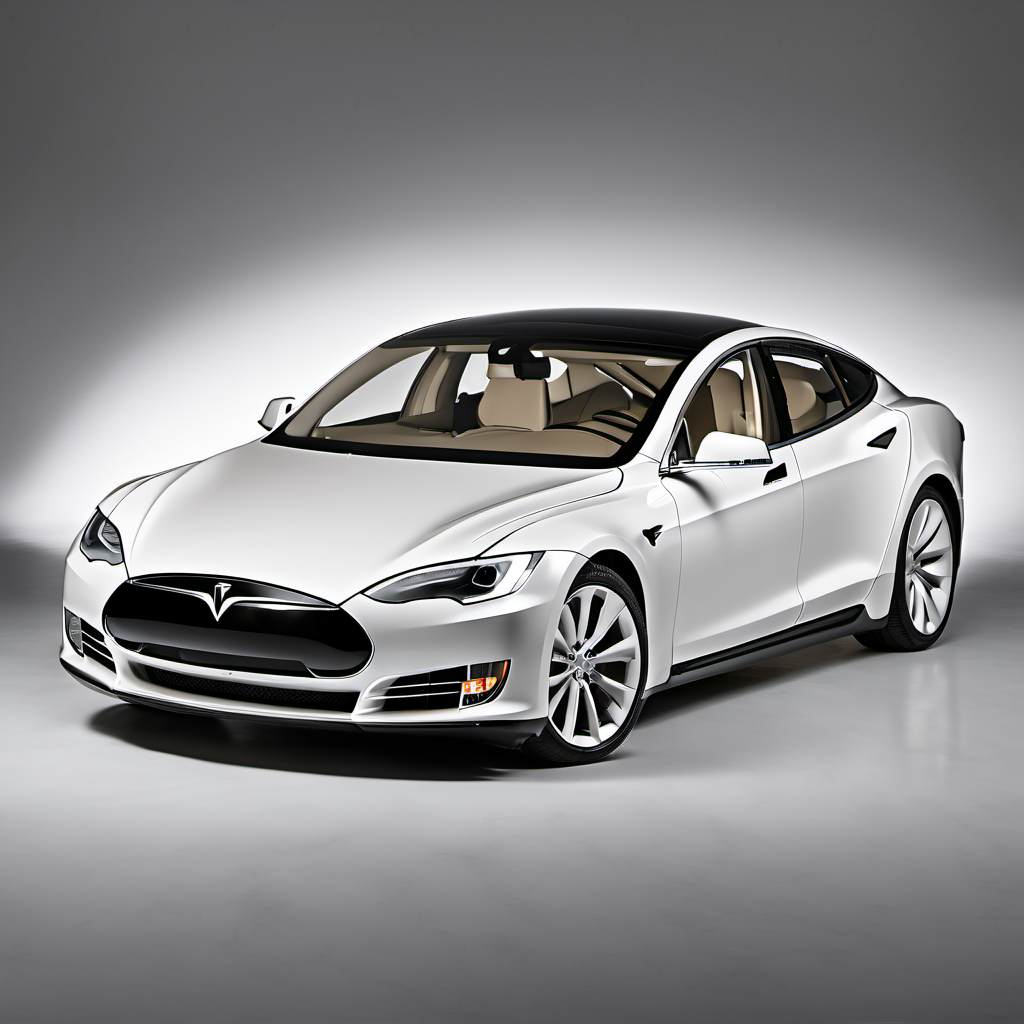
2013 Tesla
Sedan
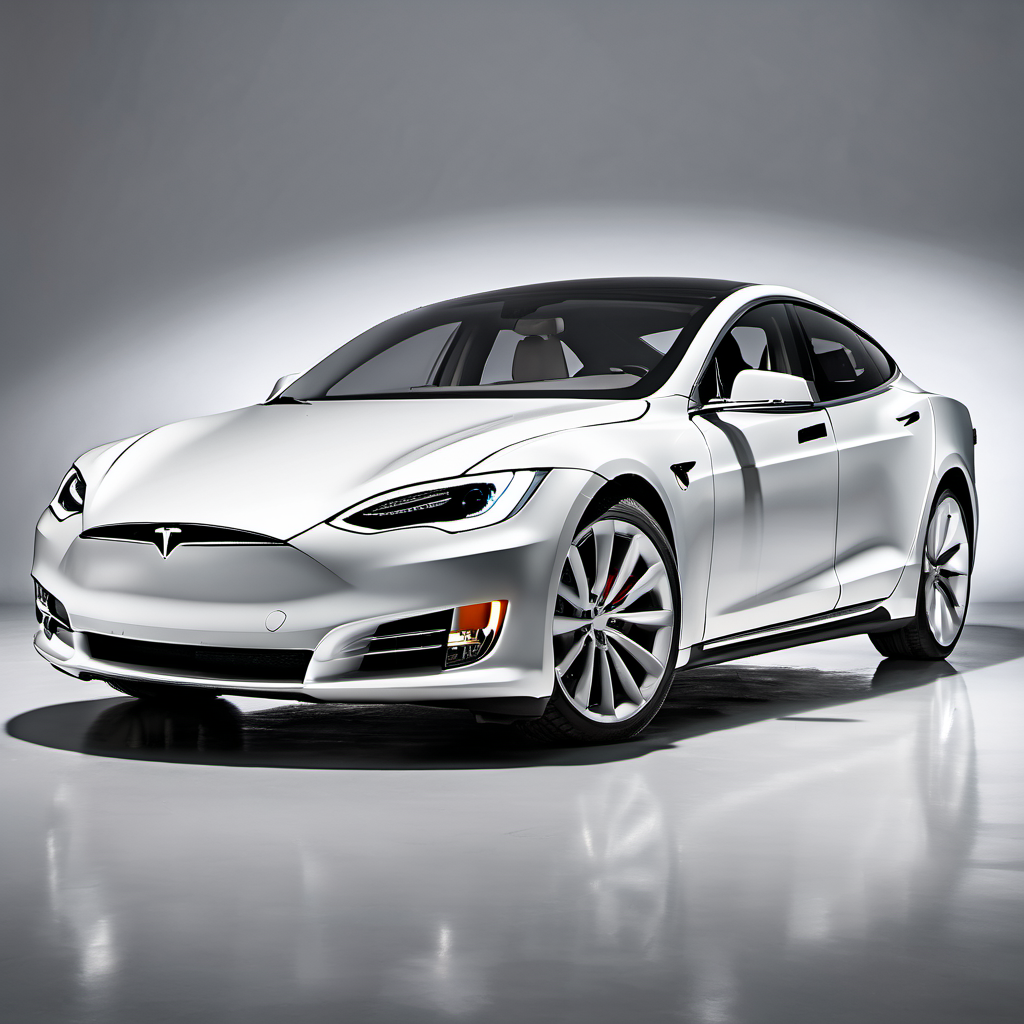
The 2013 Tesla Model S is a full-size, all-electric luxury sedan that put Tesla on the map as a serious automaker. Offered in 60 kWh and 85 kWh battery configurations (plus a Performance 85 variant), it delivers instant torque, a spacious interior, and a massive 17-inch touchscreen that was unlike anything else on the road at the time. As one of the earliest mass-market EVs from Tesla, the 2013 Model S carries real-world lessons: over-the-air software updates can fix many issues remotely, but the hardware — particularly the battery pack, drive unit, and early MCU (Media Control Unit) — ages in ways that are unique to this platform. Expect software-forward ownership but hardware-intensive repair bills when things do go wrong. For Lake Geneva-area owners, the cold Wisconsin winters demand attention. Sub-zero temps reduce usable battery range by 20–40%, and the battery thermal management system works hard in both summer heat and deep winter. This car rewards owners who keep it plugged in overnight in a heated garage.
The 2013 Tesla Model S is a full-size, all-electric luxury sedan that put Tesla on the map as a serious automaker. Offered in 60 kWh and 85 kWh battery configurations (plus a Performance 85 variant), it delivers instant torque, a spacious interior, and a massive 17-inch touchscreen that was unlike anything else on the road at the time. As one of the earliest mass-market EVs from Tesla, the 2013 Model S carries real-world lessons: over-the-air software updates can fix many issues remotely, but the hardware — particularly the battery pack, drive unit, and early MCU (Media Control Unit) — ages in ways that are unique to this platform. Expect software-forward ownership but hardware-intensive repair bills when things do go wrong. For Lake Geneva-area owners, the cold Wisconsin winters demand attention. Sub-zero temps reduce usable battery range by 20–40%, and the battery thermal management system works hard in both summer heat and deep winter. This car rewards owners who keep it plugged in overnight in a heated garage.
This small lead-acid battery powers the contactors that connect the main pack. When it dies, the car won't wake up — even with a full main pack. In Wisconsin winters, cold accelerates its discharge and failure. Budget for this proactively.
Regenerative braking means the physical brakes see very little use. Low use leads to moisture absorption in the fluid and seized calipers — a counter-intuitive problem on EVs. Flush and exercise the brakes regularly.
The Model S is heavy (over 4,600 lbs) and the instant torque is hard on rear tires. Rotation extends tire life significantly. Check for uneven wear caused by wheel alignment shifts.
Keeps HEPA/activated-carbon filtration effective for the climate system. Especially important in Wisconsin where road salt dust and pollen are seasonal concerns.
Road salt accelerates corrosion on air lines and compressor fittings. Catching a small air leak early is far cheaper than replacing the compressor or bags after a failure.
Early charge port latches are prone to failure and can prevent charging or lock the connector in. Lube and inspection catch this before you're stranded in a Wisconsin winter.
Tesla recommends daily charging to 80–90% to preserve long-term battery health. Only charge to 100% before a long trip. Consistent overcharging accelerates pack degradation.
The battery thermal management system needs grid power to maintain pack temperature in sub-zero temps. Unplugged in a cold garage, the car draws down the main pack just to keep itself warm — and cold-soaked packs lose significant range.
Always defer to the manufacturer's service manual for warranty-mandated intervals.
Annual maintenance costs are genuinely low compared to a comparable luxury ICE sedan — no oil changes, no spark plugs, no exhaust. But when something does go wrong (drive unit, MCU, battery), costs are steep and often require Tesla-certified service. Budget a repair reserve of $1,000–$2,000/year on a used example over 80k miles. Fuel savings are real and substantial, but used purchase price should reflect the age of the battery pack and MCU hardware.
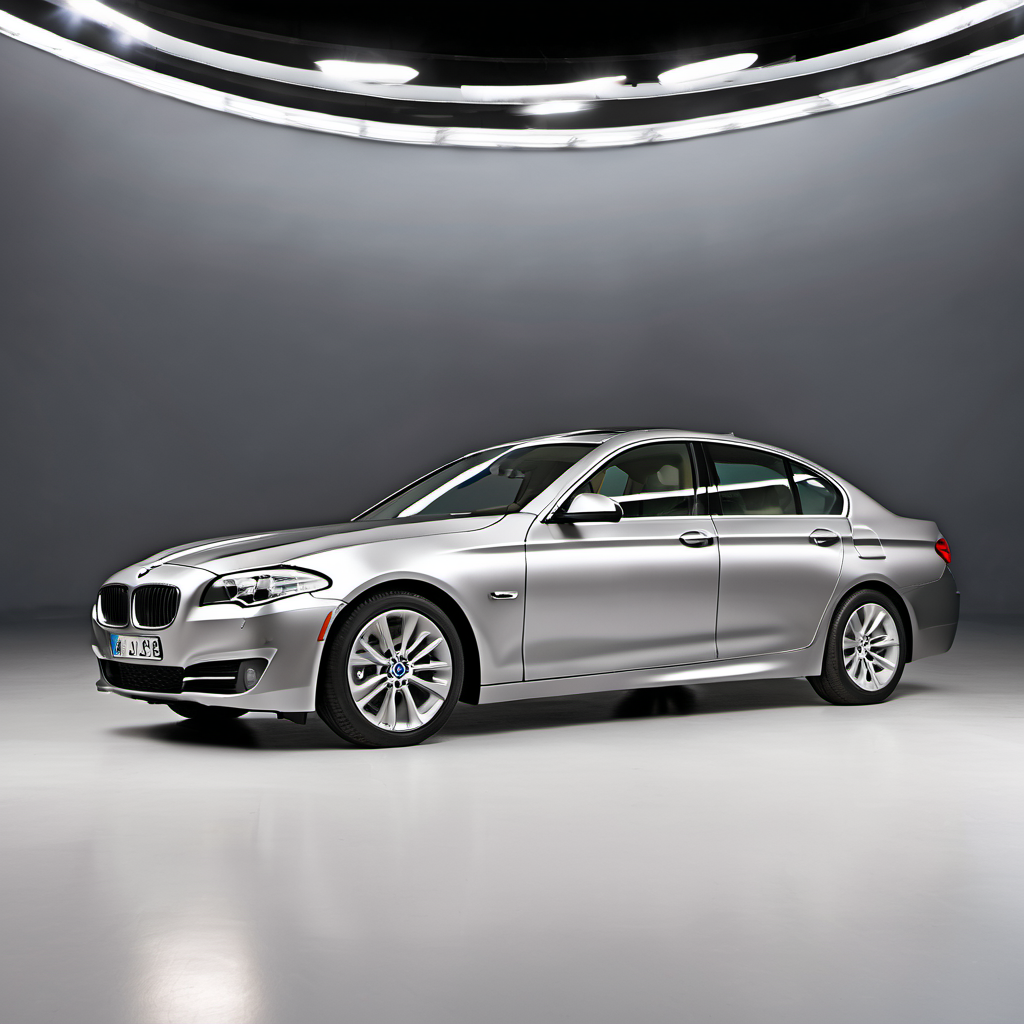
Full-size luxury sedan, similar original price bracket, RWD-standard with AWD option. ICE complexity vs. EV simplicity trade-off. More independent repair shop support in the Lake Geneva area.
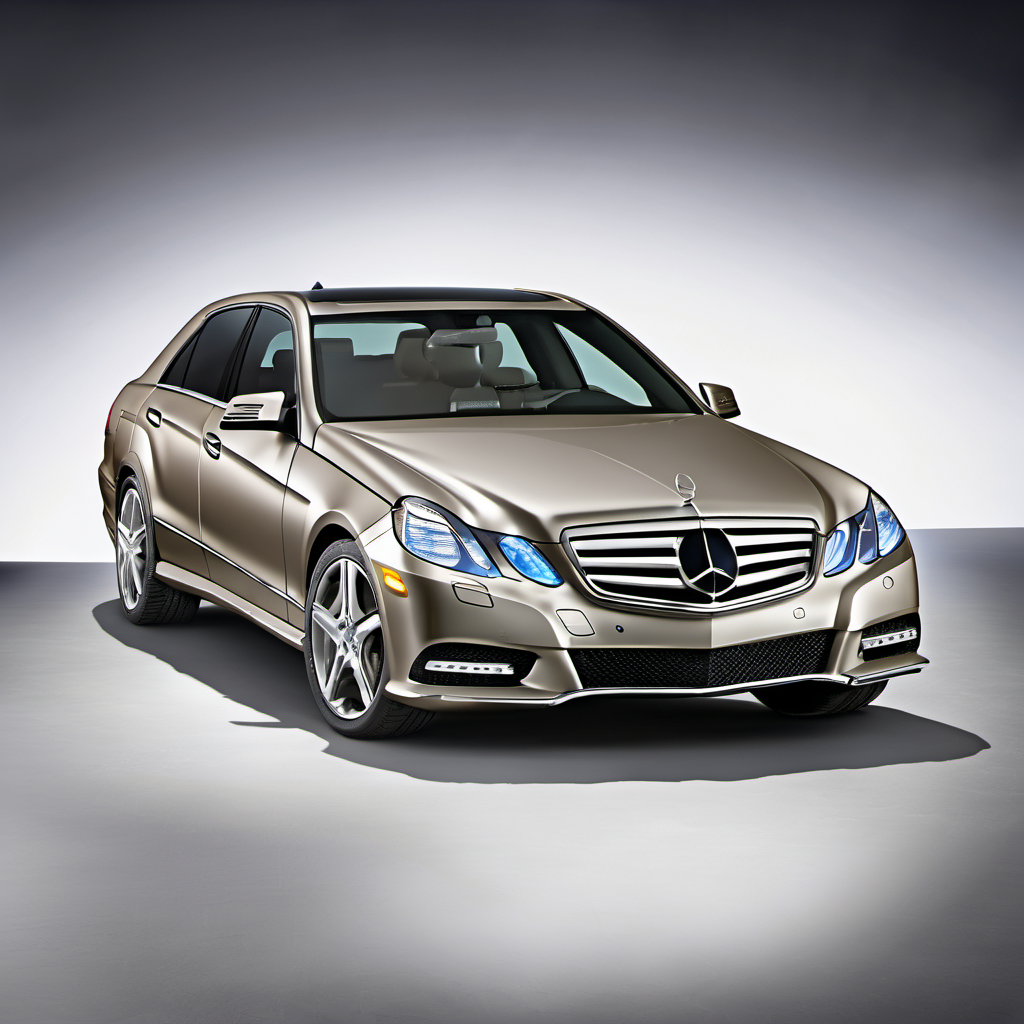
Direct luxury sedan competitor in the same price segment. Proven reliability reputation, widely serviceable locally, but higher ongoing maintenance costs than the Model S.
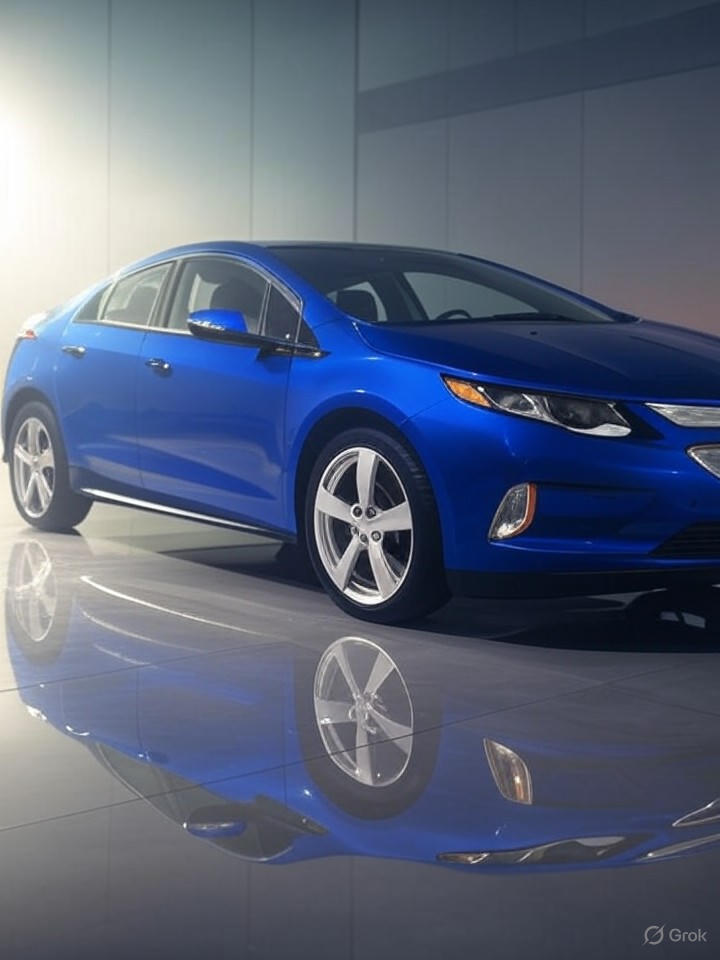
For buyers drawn to the EV ownership experience with a range-anxiety safety net. Much lower price, widely serviced in the Midwest, though far less performance and prestige.
If budget allows, a 2016+ Model S benefits from MCU hardware improvements, AP1/AP2 Autopilot, and better long-term software support — addressing several of the 2013's known weak points.