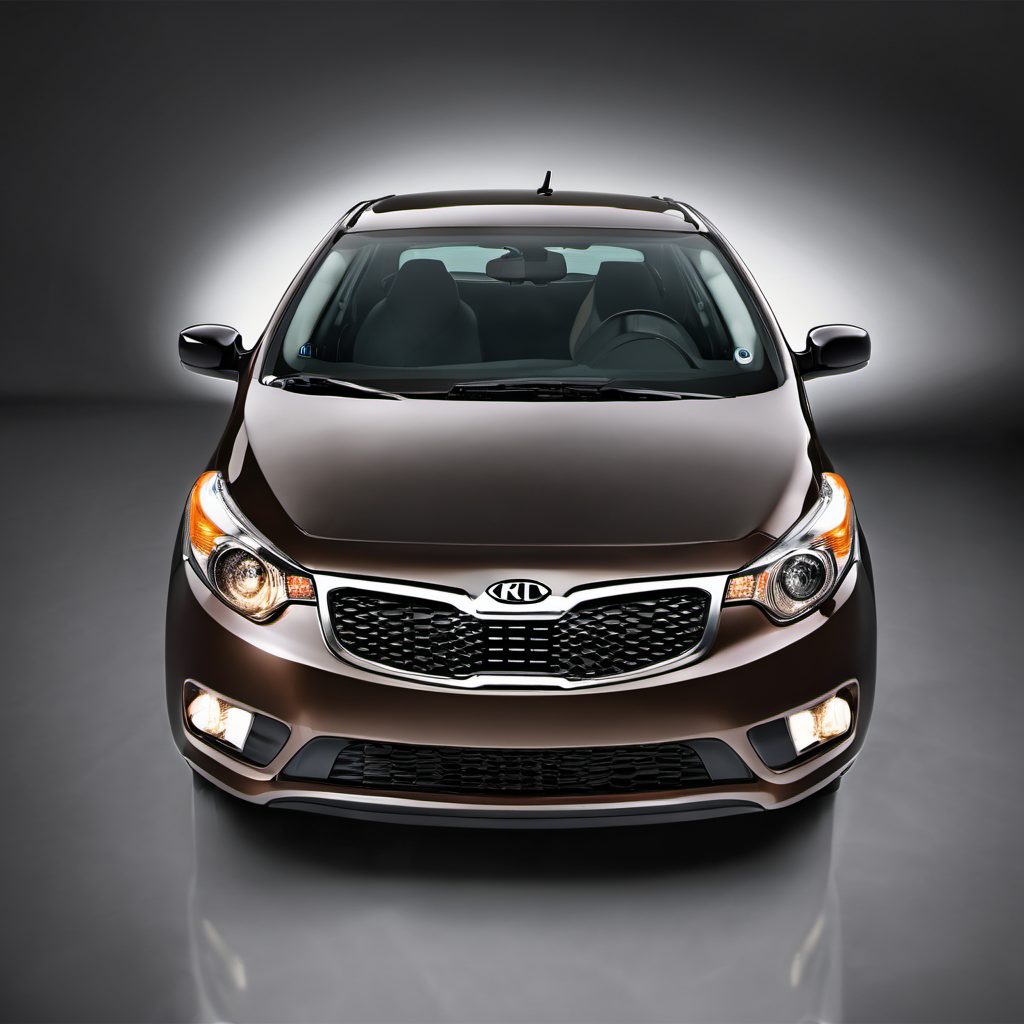
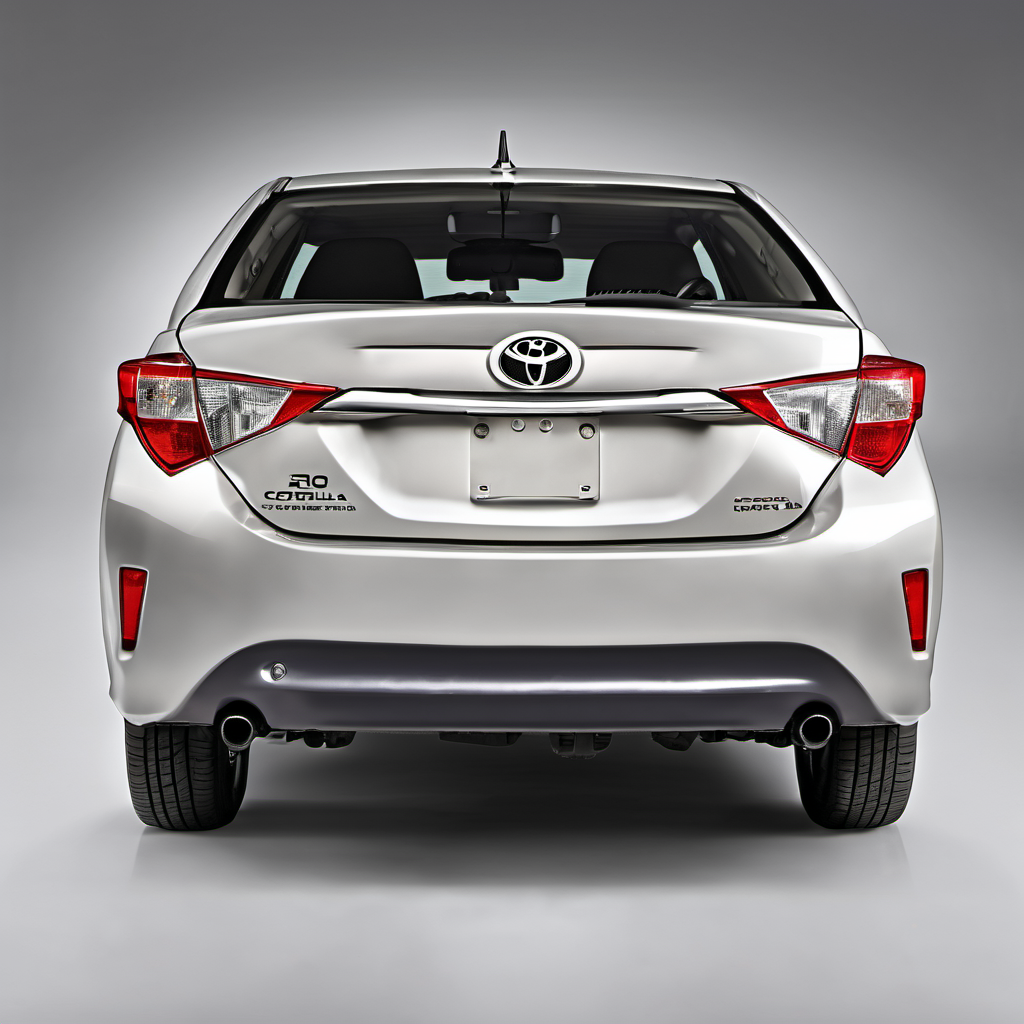
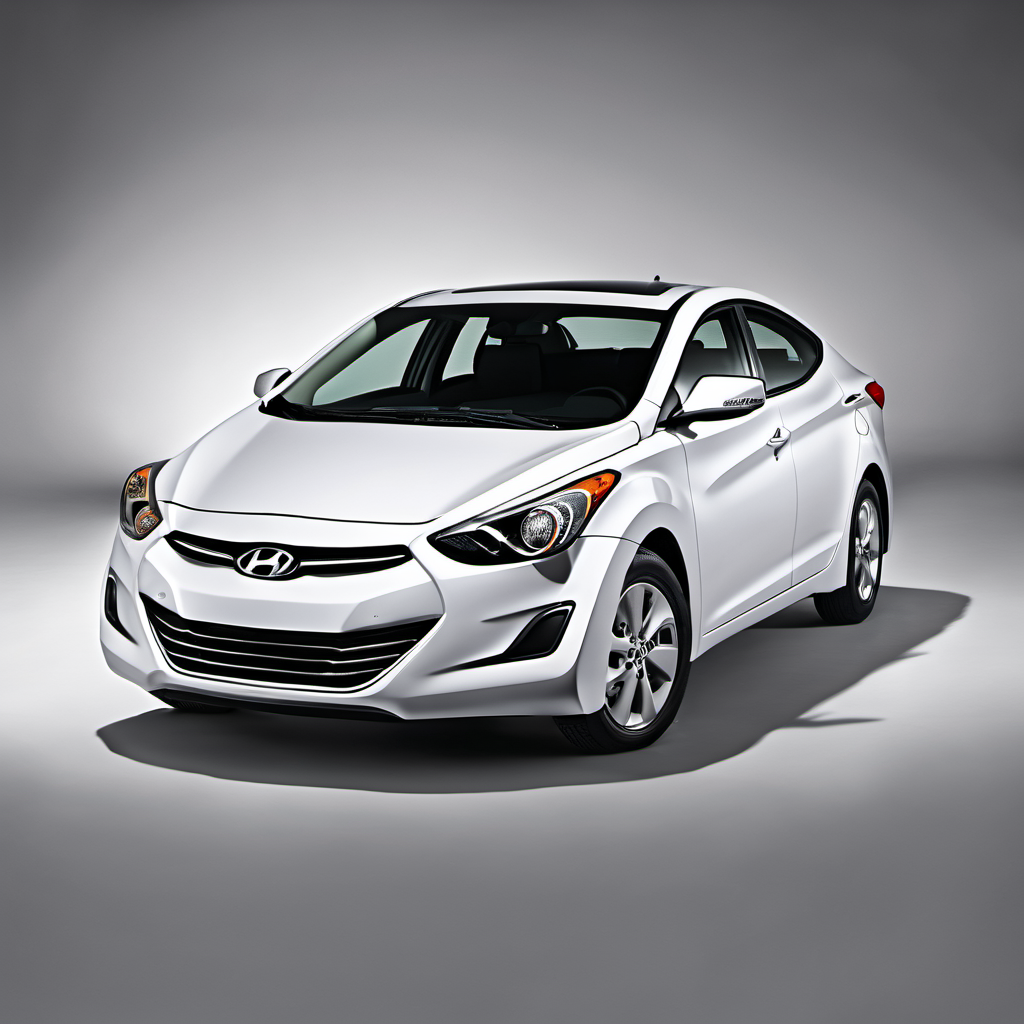
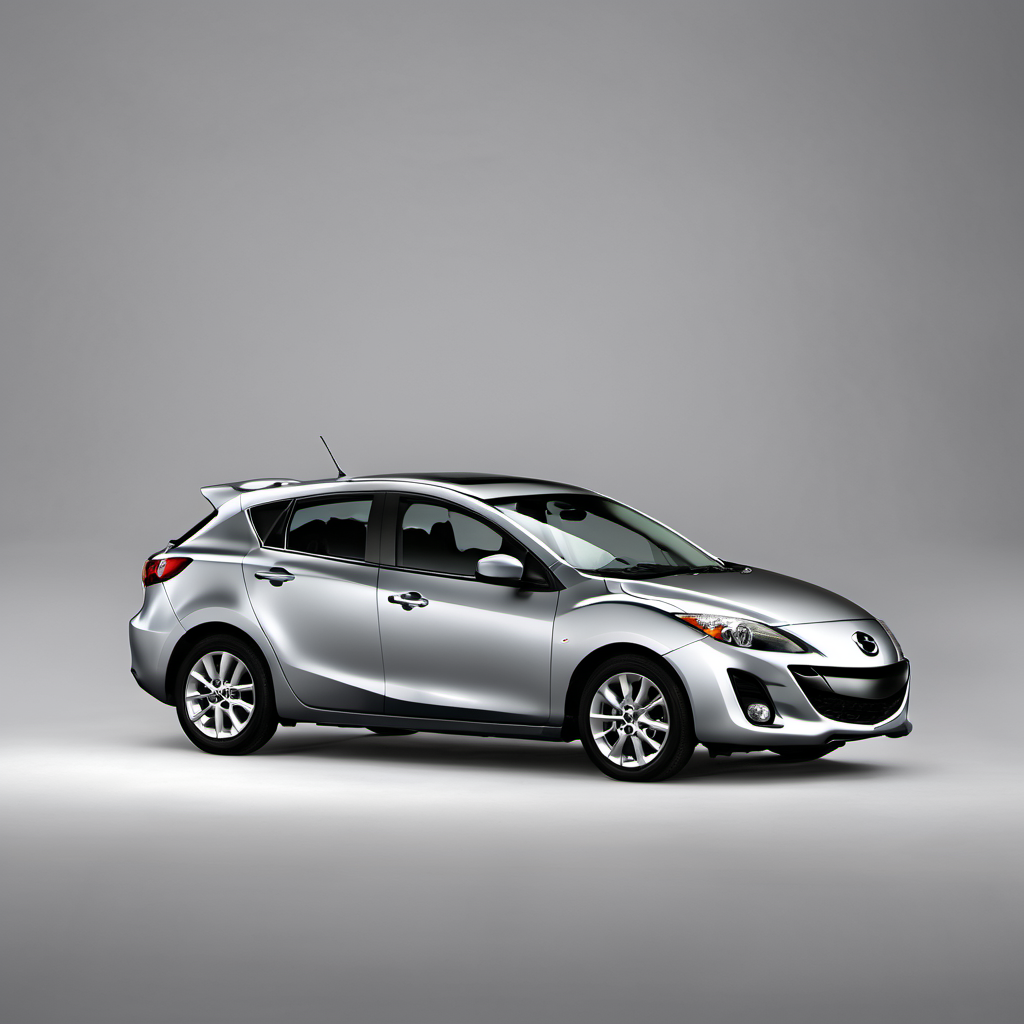
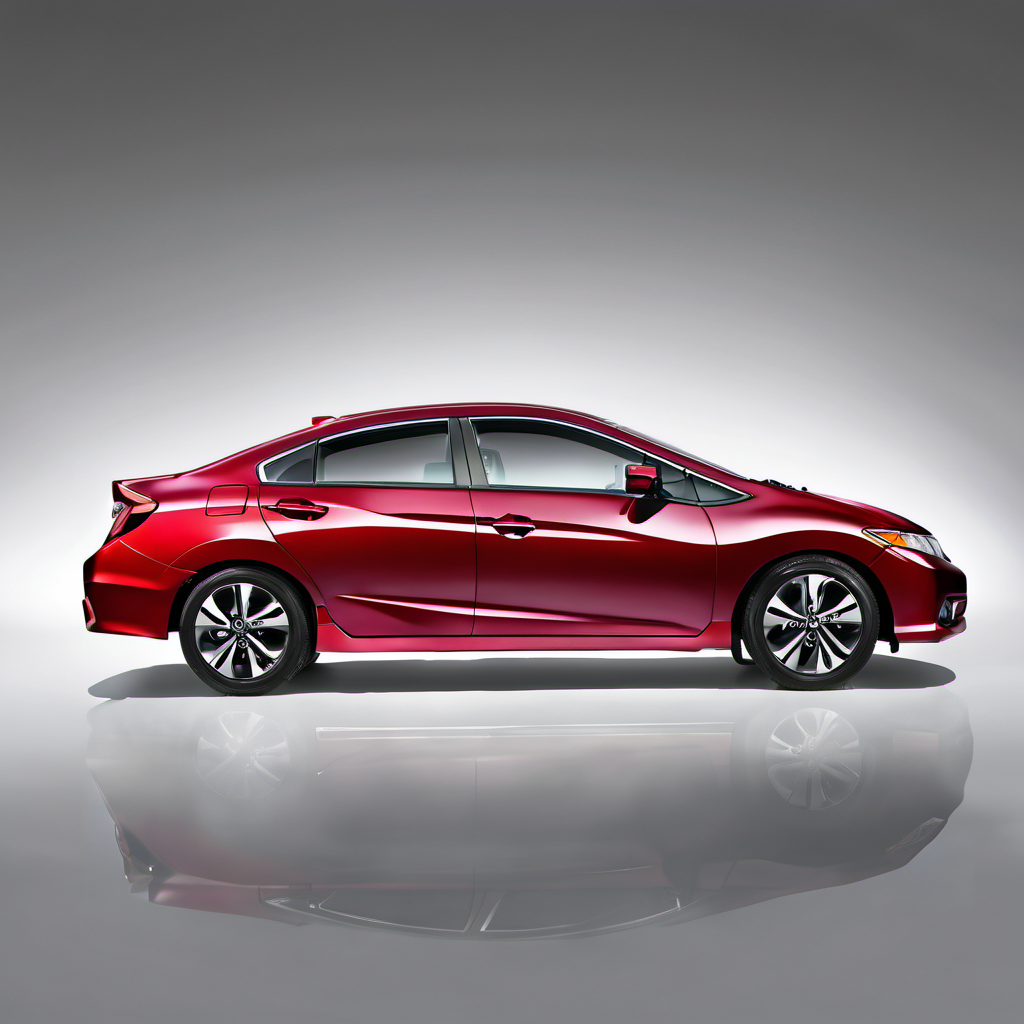
2013 Kia Forte Sedan
Popular pick

2013 Kia

ForteSedan

2.0L DOHC MPI Theta II · Sedan

The 2013 Kia Forte is a compact sedan that represented a significant step forward for Kia in terms of build quality, styling, and value. It slots into the competitive compact car segment alongside the Honda Civic and Toyota Corolla, but typically offered more standard features per dollar at the time of sale. The base 2.0L Theta II four-cylinder is a willing, reasonably efficient engine that keeps ownership costs low for most drivers. This generation Forte (2010–2013) earned a solid reputation for day-to-day reliability and low running costs, making it a practical choice for commuters and first-time car buyers. The interior is functional if not flashy, and the 29 MPG combined rating holds up well in real-world driving. By 2025, most 2013 Fortes are well past 80,000–120,000 miles. At this mileage and age, oil consumption, steering rack wear, and suspension bushings become the primary watchpoints. A used example in Lake Geneva's salt-heavy winters deserves a close look at underbody corrosion before purchase.

Reliability
3/5
Verified data
Specs shown for Forte Koup — the most common configuration. Other trims may vary in engine, drivetrain, or fuel economy. Sign in to see your vehicle's exact specs.
Engine
[object Object]
Drivetrain
Front-Wheel Drive
Fuel
Gasoline
MPG
26 city / 36 highway / 29 combined
Seats
Doors
4
Body
Compact Cars
MSRP
$15,900

Overview

AI-curated

The 2013 Kia Forte is a compact sedan that represented a significant step forward for Kia in terms of build quality, styling, and value. It slots into the competitive compact car segment alongside the Honda Civic and Toyota Corolla, but typically offered more standard features per dollar at the time of sale. The base 2.0L Theta II four-cylinder is a willing, reasonably efficient engine that keeps ownership costs low for most drivers. This generation Forte (2010–2013) earned a solid reputation for day-to-day reliability and low running costs, making it a practical choice for commuters and first-time car buyers. The interior is functional if not flashy, and the 29 MPG combined rating holds up well in real-world driving. By 2025, most 2013 Fortes are well past 80,000–120,000 miles. At this mileage and age, oil consumption, steering rack wear, and suspension bushings become the primary watchpoints. A used example in Lake Geneva's salt-heavy winters deserves a close look at underbody corrosion before purchase.

Known for
  • Strong value-per-dollar when new
  • Competitive fuel economy for a non-hybrid compact
  • Spacious cabin for the class
  • 5-year/60k bumper-to-bumper warranty (original owner)
  • Smooth, predictable handling
Best for
  • Daily commuters wanting low running costs
  • First-time car buyers on a budget
  • City and suburban drivers who don't need AWD
  • Owners who prioritize fuel economy over performance
Watch for
  • Theta II engine oil consumption — check between changes
  • Rust on underbody and wheel wells from road salt exposure
  • Power steering rack leaks or looseness on higher-mileage cars
  • Aging suspension bushings and strut mounts past 80k mi
  • UVO infotainment system is outdated and can be glitchy

Common issues by mileage

6 known

Engine Oil Consumption (Theta II)

high
Typically appears
80–150k mi
Estimated repair
$50 – $300

Variable Valve Timing (CVVT) Solenoid Failure

medium
Typically appears
70–130k mi
Estimated repair
$150 – $400

Front Strut Mounts / Suspension Bushings Wear

high
Typically appears
80–120k mi
Estimated repair
$250 – $700

Power Steering Rack Leak or Looseness

medium
Typically appears
90–140k mi
Estimated repair
$400 – $1,100

Oxygen Sensor Heater Circuit Failure

medium
Typically appears
80–120k mi
Estimated repair
$120 – $320

Underbody / Wheel Well Rust

high
Typically appears
60–150k mi
Estimated repair
$200 – $1,500

Maintenance schedule

  1. 1
    Every 5,000 miles or 6 months Engine oil change with full-synthetic 5W-20 or 5W-30

    The Theta II engine is prone to oil consumption — shorter intervals and regular level checks between changes help catch problems early and protect the engine.

  2. 2
    Every 1,000 miles or monthly Check engine oil level

    Known oil consumer past 80k mi. Letting the level drop significantly accelerates wear on the CVVT system and can trigger timing codes.

  3. 3
    Every 60,000 miles Spark plug replacement (iridium)

    Factory iridium plugs have a 60k interval. Worn plugs increase misfires and hurt fuel economy noticeably in this engine.

  4. 4
    Every 15,000–20,000 miles Cabin air filter replacement

    Wisconsin road dust and pollen load the cabin filter quickly. A clogged filter reduces HVAC performance, which matters for defrost efficiency in winter.

  5. 5
    Every 2–3 years Brake fluid flush

    Hygroscopic brake fluid absorbs moisture over time. In freeze-thaw conditions this can lead to corrosion in brake lines and reduced pedal feel.

  6. 6
    Every 30,000 miles or at tire rotation Inspect front strut mounts and control arm bushings

    Wisconsin potholes and frost heaves accelerate bushing degradation. Early detection prevents alignment drift and tire wear.

  7. 7
    Every 5 years / 100,000 miles Coolant (antifreeze) flush

    Kia uses long-life coolant, but degraded coolant loses freeze protection — critical when Lake Geneva regularly sees sub-zero temps.

  8. 8
    Every spring (after winter driving season) Inspect underbody, brake lines, and wheel wells for rust

    Road salt is the #1 longevity killer on Wisconsin cars. Annual inspection allows you to catch and treat surface rust before it becomes structural.

Always defer to the manufacturer's service manual for warranty-mandated intervals.

Cost of ownership

Annual maintenance
$500 – $1,100
Fuel
At 29 MPG combined and ~12,000 miles/year, expect roughly $1,400–$1,700/year at current Wisconsin gas prices (~$3.20–$3.80/gal).
Insurance
Typically $900–$1,400/year for a 2013 Forte in Walworth County, depending on driving record and coverage level. Compact sedans with no turbo are among the cheaper cars to insure.

The Forte is one of the lower-cost compact sedans to own year-to-year. Routine maintenance is inexpensive and parts are widely available at non-premium prices. The main budget risk on a high-mileage example is a strut/suspension refresh ($600–$1,200 all-around) and addressing any rust found underneath. If the CVVT or oil consumption issues surface, repairs are manageable but should not be deferred.
Seasonal care

Lake Geneva, WI
Winter
  • Switch to full-synthetic 5W-20 or 5W-30 before temps drop below 20°F — the Theta II benefits from quicker cold-start oil flow in sub-zero conditions.
  • Test and replace the battery if it's over 3 years old. Compact cars have smaller batteries that struggle in Wisconsin's sub-zero mornings.
  • Install dedicated winter tires — the stock all-season tires lose significant grip below 45°F. FWD provides no traction advantage on ice without appropriate tires.
  • Fill the washer reservoir with a fluid rated to at least -20°F. Lake Geneva winters regularly drop below that; standard blue fluid will freeze in the lines.
  • Inspect and replace wiper blades with winter-specific blades before the first snow. Summer-style blades ice up and streak badly.
  • Rinse the underbody and wheel wells every 2–3 weeks during active salt season to slow rust progression on this Korean-steel body.
Summer
  • Check tire pressure monthly — every 10°F rise in ambient temp raises tire pressure roughly 1 PSI, leading to overinflation and center-tread wear.
  • Inspect the A/C system refrigerant charge and cabin filter before peak summer heat. The manual A/C system is simple but refrigerant does leak slowly over 10+ years.
  • Check coolant concentration — ensure freeze/boil protection is adequate (should protect to at least -34°F and boil over protection to 265°F+).
  • Inspect the serpentine belt for cracking or glazing — heat accelerates belt degradation on 10+ year old cars and a failure will strand you.

Comparable vehicles

If you're shopping for one

Red flags
  • Any active check engine light — scan it before buying, especially for CVVT/camshaft timing codes (P0012, P0015).
  • Oil level significantly below the MIN mark at time of inspection — indicates either negligent maintenance or active consumption.
  • Rust holes or perforation on the floor pan, subframe, or brake lines — structural rust is a deal-breaker.
  • Clunking or grinding from the front suspension over bumps — indicates deferred repairs that could be $700+ to correct.
  • A/C that doesn't cool properly — recharging is cheap but a failed compressor on a 12-year-old car is $600–$1,100.
  • Any indication of flood damage: musty smell, stained carpet, corroded fuse box connections.
What to inspect
  • Pull the oil dipstick — milky or frothy oil signals a head gasket concern; very dark and low oil suggests consumption issues that may already be advanced.
  • Warm the engine fully and look for smoke from the exhaust at idle — blue smoke confirms active oil burning.
  • Check the underbody with a flashlight: focus on the frame rails, subframe, brake lines, and wheel well lips for rust perforation.
  • Test the CVVT system by revving the warm engine smoothly from idle to 3,500 RPM — any rattling, hesitation, or rough response warrants a scan for P0012/P0015/P0026/P0027 codes.
  • Bounce each corner of the car and listen for clunking — worn strut mounts are common and the noise is unmistakable on Wisconsin-weathered cars.
  • Have a pre-purchase inspection performed by an independent shop that can put it on a lift — rust and suspension issues are often invisible from the outside.
AI profile generated 4 days ago · claude-sonnet-4-6 · v2.