Variable Valve Timing (VVT) / Camshaft Phaser Faults
high- Typically appears
- 60–120k mi
- Estimated repair
- $400 – $1,200
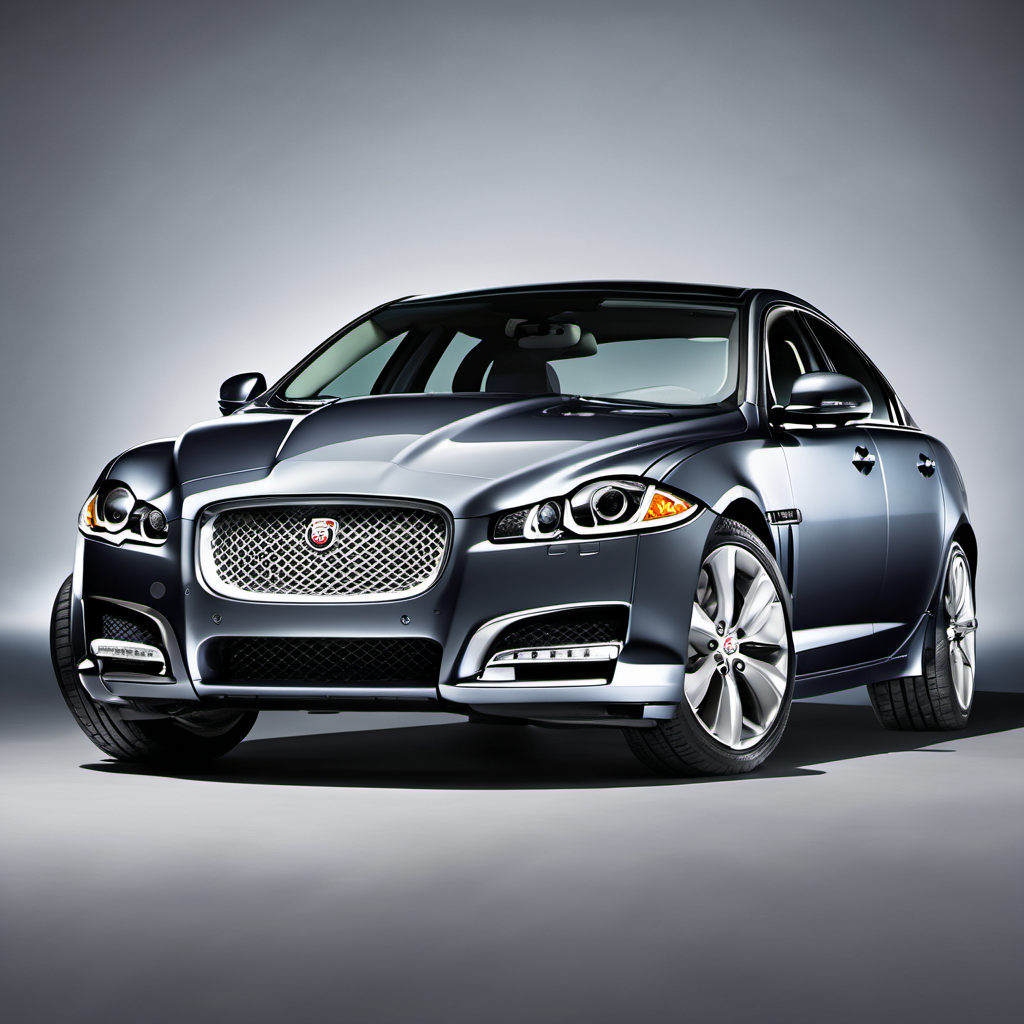
2013 Jaguar
2.0L Turbocharged I4 · Sedan
The 2013 Jaguar XF is a rear-wheel-drive British executive sedan that landed in the US market as Jaguar's attempt to compete head-on with the BMW 5 Series and Mercedes E-Class. Its cab-forward styling, low roofline, and driver-focused interior gave it a genuinely sporty character uncommon in its segment at the time. Standard power came from a 2.0L turbocharged four-cylinder (the engine actually fitted to this car per NHTSA data), while higher trims offered supercharged V6 and V8 options. The XF rides on an all-aluminum-intensive platform with a sophisticated rear multi-link suspension. It delivers a composed, engaging drive and a cabin filled with premium materials — the rotating center console vents and rising gear selector were signature party tricks. Fuel economy for a rear-wheel-drive executive sedan is respectable, especially with the 2.0T engine. The trade-off is the cost and complexity that comes with any European luxury car. Electrical gremlins, air suspension issues (on so-equipped cars), and pricier-than-average maintenance are real ownership realities. With proper care and a pre-purchase inspection, a well-maintained XF can be a rewarding daily driver — but budget accordingly and find an independent shop experienced with Jaguar Land Rover products.
The 2013 Jaguar XF is a rear-wheel-drive British executive sedan that landed in the US market as Jaguar's attempt to compete head-on with the BMW 5 Series and Mercedes E-Class. Its cab-forward styling, low roofline, and driver-focused interior gave it a genuinely sporty character uncommon in its segment at the time. Standard power came from a 2.0L turbocharged four-cylinder (the engine actually fitted to this car per NHTSA data), while higher trims offered supercharged V6 and V8 options. The XF rides on an all-aluminum-intensive platform with a sophisticated rear multi-link suspension. It delivers a composed, engaging drive and a cabin filled with premium materials — the rotating center console vents and rising gear selector were signature party tricks. Fuel economy for a rear-wheel-drive executive sedan is respectable, especially with the 2.0T engine. The trade-off is the cost and complexity that comes with any European luxury car. Electrical gremlins, air suspension issues (on so-equipped cars), and pricier-than-average maintenance are real ownership realities. With proper care and a pre-purchase inspection, a well-maintained XF can be a rewarding daily driver — but budget accordingly and find an independent shop experienced with Jaguar Land Rover products.
The 2.0T GTDI's VVT system is highly sensitive to oil cleanliness and viscosity. Extended intervals on a used engine are the number-one cause of VVT phaser and solenoid codes.
Turbocharged engines run hot. Degraded coolant accelerates water pump and thermostat wear, and the 2.0T is known to run warm under sustained load.
Worn plugs on a direct-injection turbocharged engine increase misfires, carbon buildup on intake valves, and stress on the ignition coils.
Direct injection engines do not wash the intake valves with fuel. Carbon deposits build up and reduce airflow, causing rough idle and power loss. Walnut-shell blasting or mechanical cleaning is the proper remedy.
Wisconsin's humidity and temperature swings cause glycol-based brake fluid to absorb moisture quickly, lowering boiling point and promoting internal corrosion.
Reduced airflow strains the HVAC blower motor and degrades in-cabin air quality. Easy access, low cost.
Lake Geneva roads are heavily salted. The XF's aluminum-intensive structure resists body rust but steel brake lines, exhaust hardware, and suspension fasteners corrode and seize. Catching this early avoids broken bolts during future repairs.
The XF's numerous control modules place a constant parasitic draw on the battery. A marginal battery in sub-zero temperatures will cause module communication faults and no-start conditions.
Always defer to the manufacturer's service manual for warranty-mandated intervals.
The XF is an inexpensive car to buy used but a moderately expensive car to own. Routine maintenance at an independent European specialist runs higher than a domestic sedan — budget $1,200–$1,500/year if the car is in good shape, and $2,000–$2,800 if deferred maintenance is being caught up. Any electrical diagnosis session, air suspension repair, or module replacement will push costs sharply higher. A pre-purchase inspection by a Jaguar-experienced shop is strongly recommended before buying any used example.
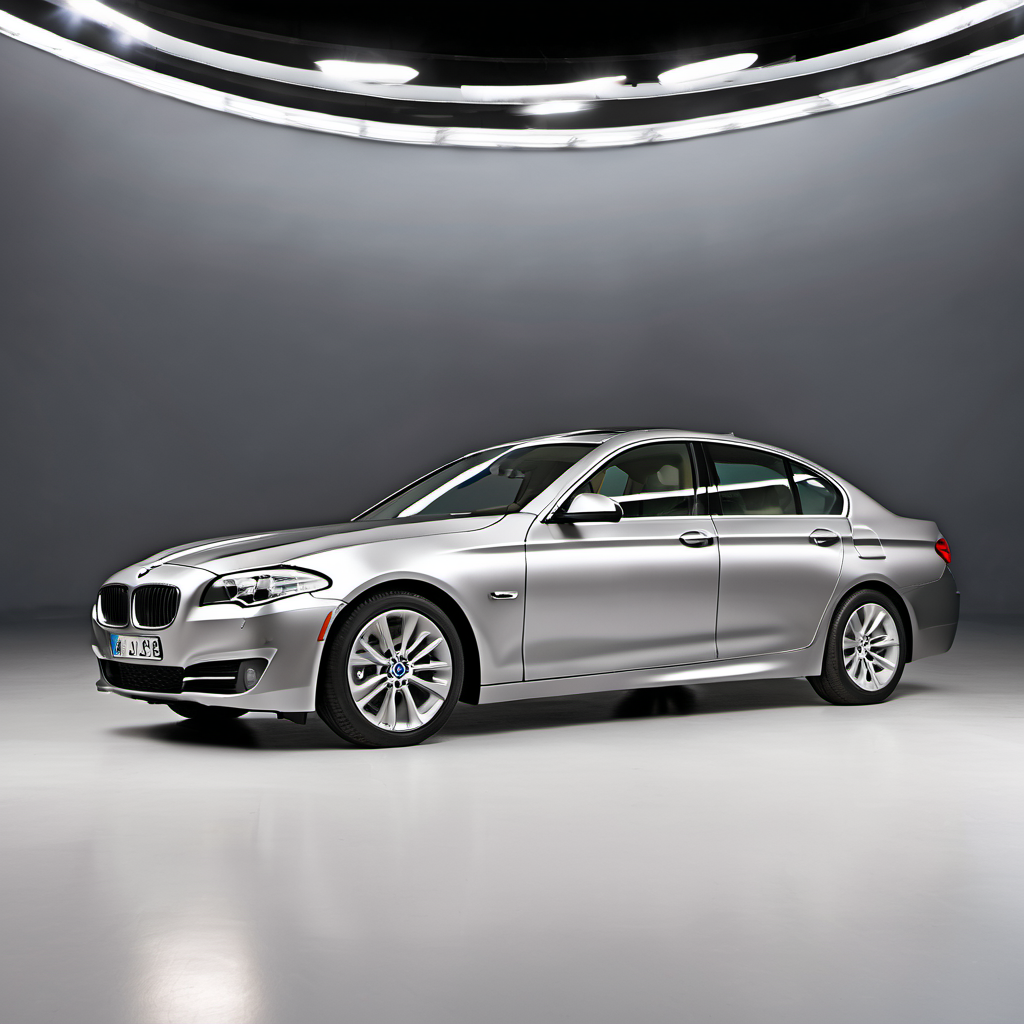
The direct target competitor — similar RWD platform, similar pricing used, comparable luxury and technology level, with a stronger dealer/independent service network and better long-term reliability data.
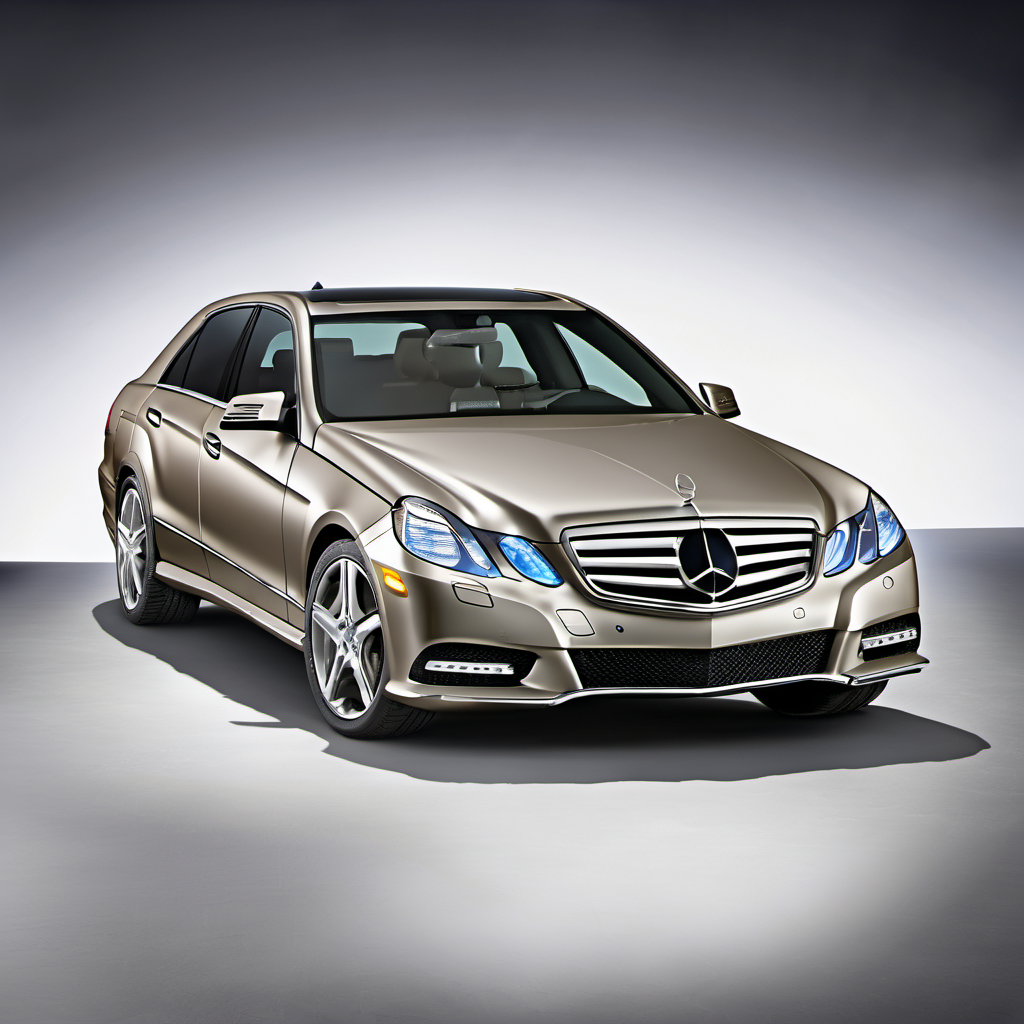
Same executive sedan segment and price bracket. The E-Class offers comparable luxury and ride quality with a wider service network and generally more predictable ownership costs.
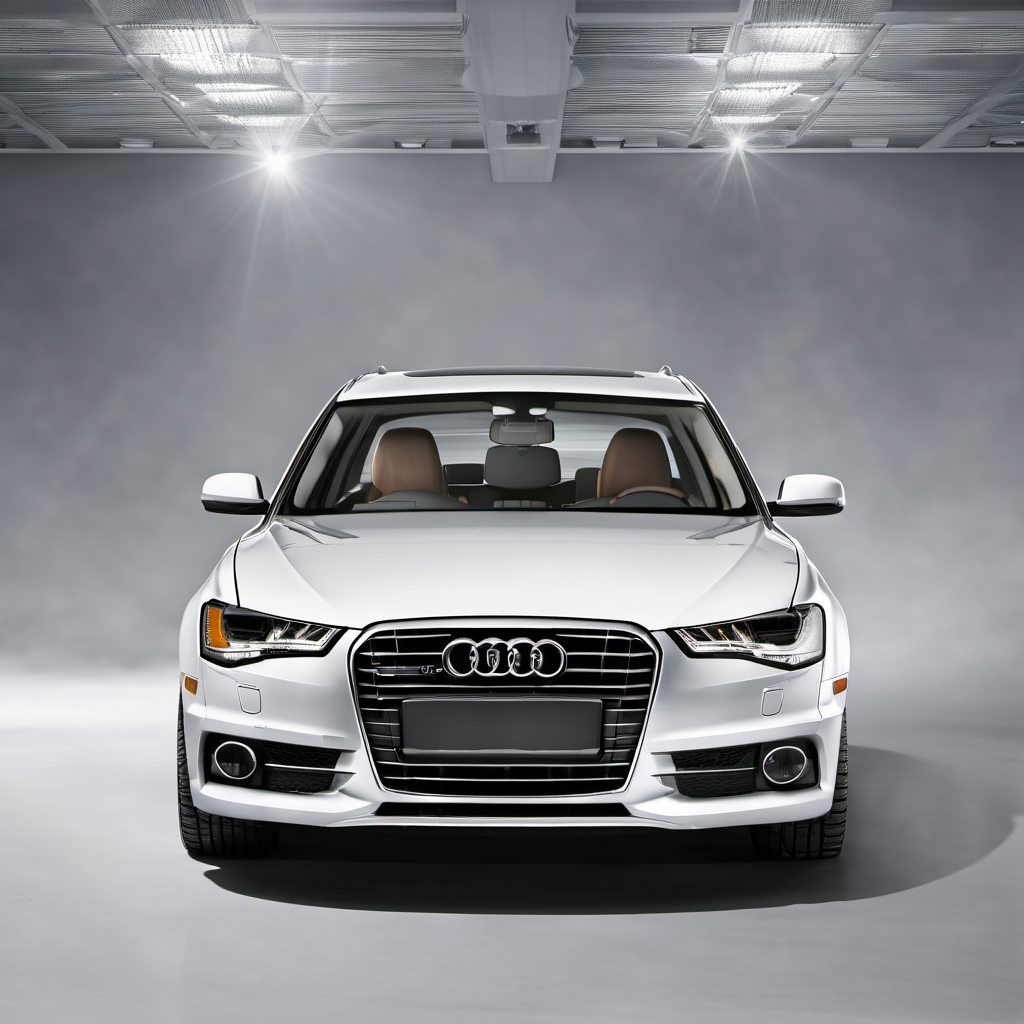
FWD-based Quattro AWD gives it a significant winter traction advantage over the RWD XF — a meaningful differentiator in Wisconsin. Similar luxury content and technology at comparable used prices.
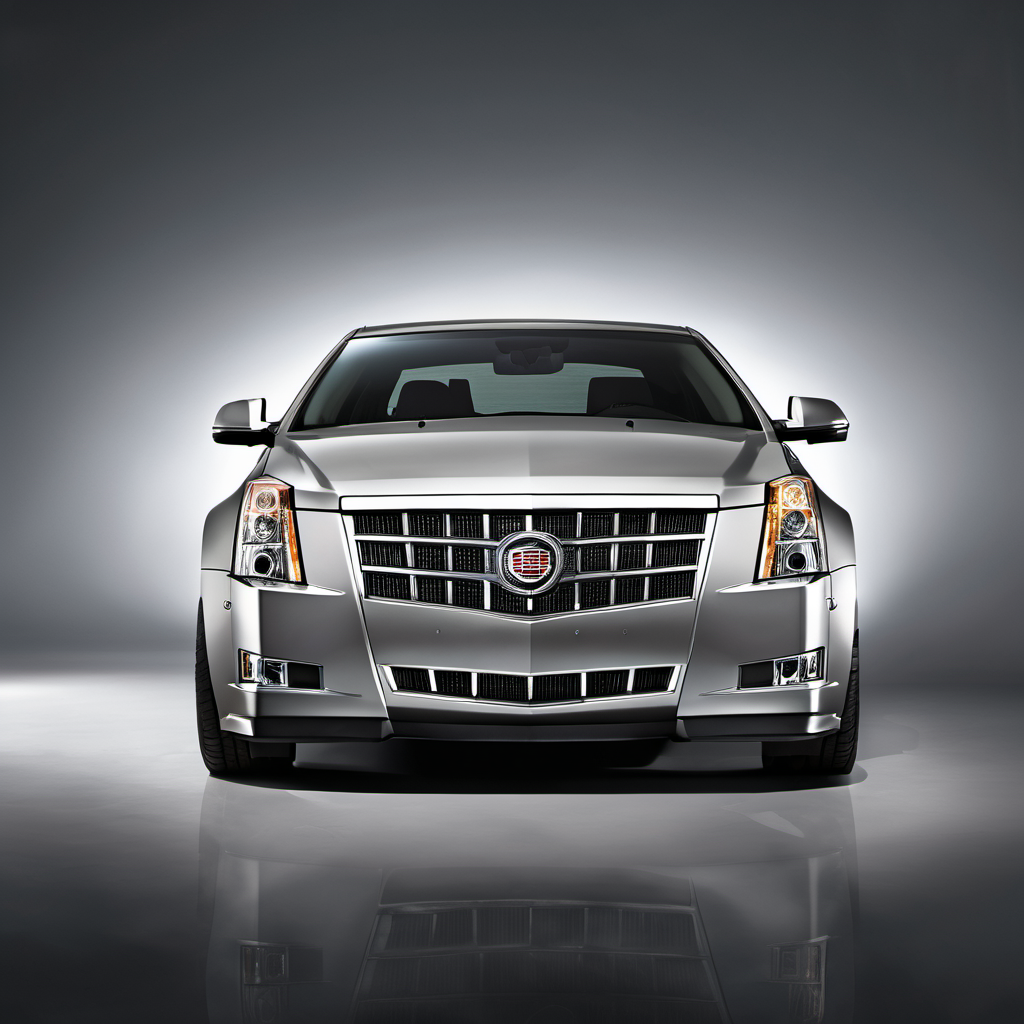
Domestic luxury alternative with RWD dynamics, a sportier character, simpler dealer/independent shop support across the Midwest, and lower parts costs than the XF.