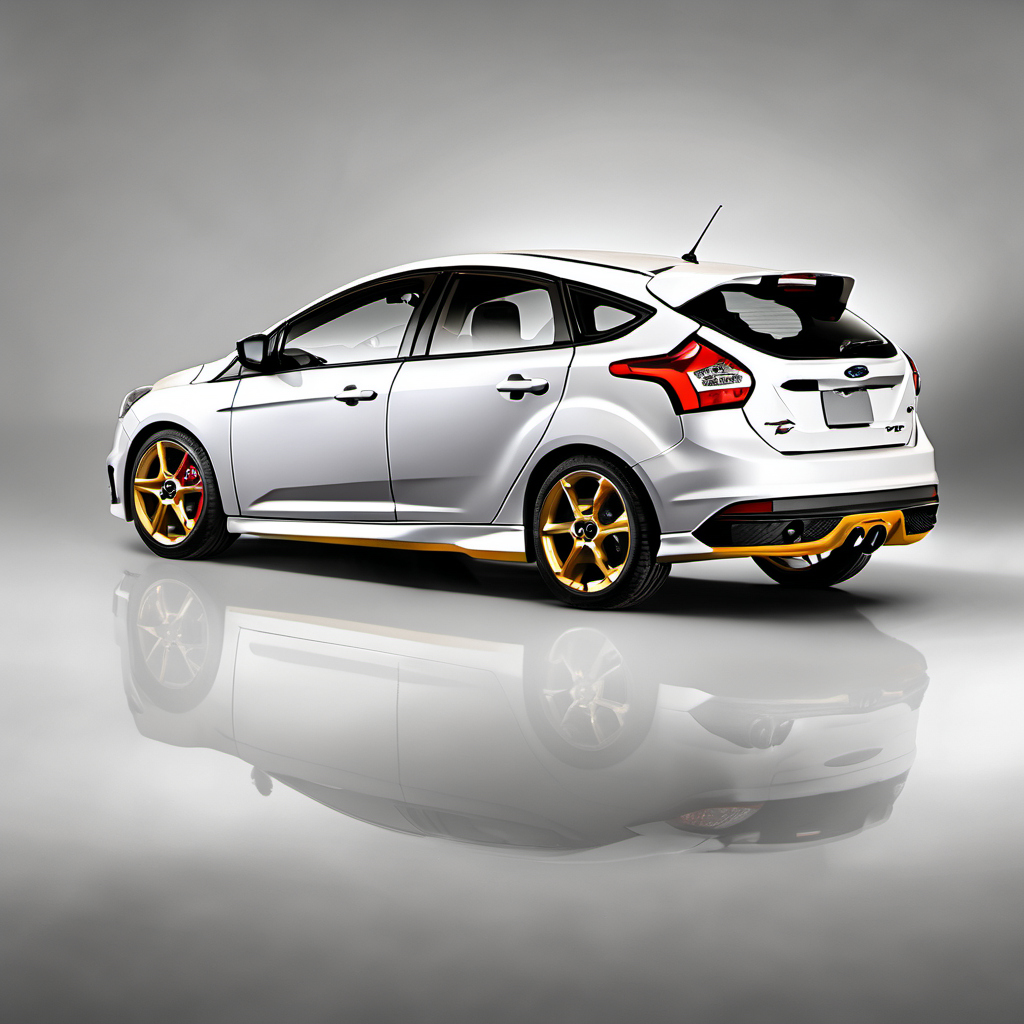
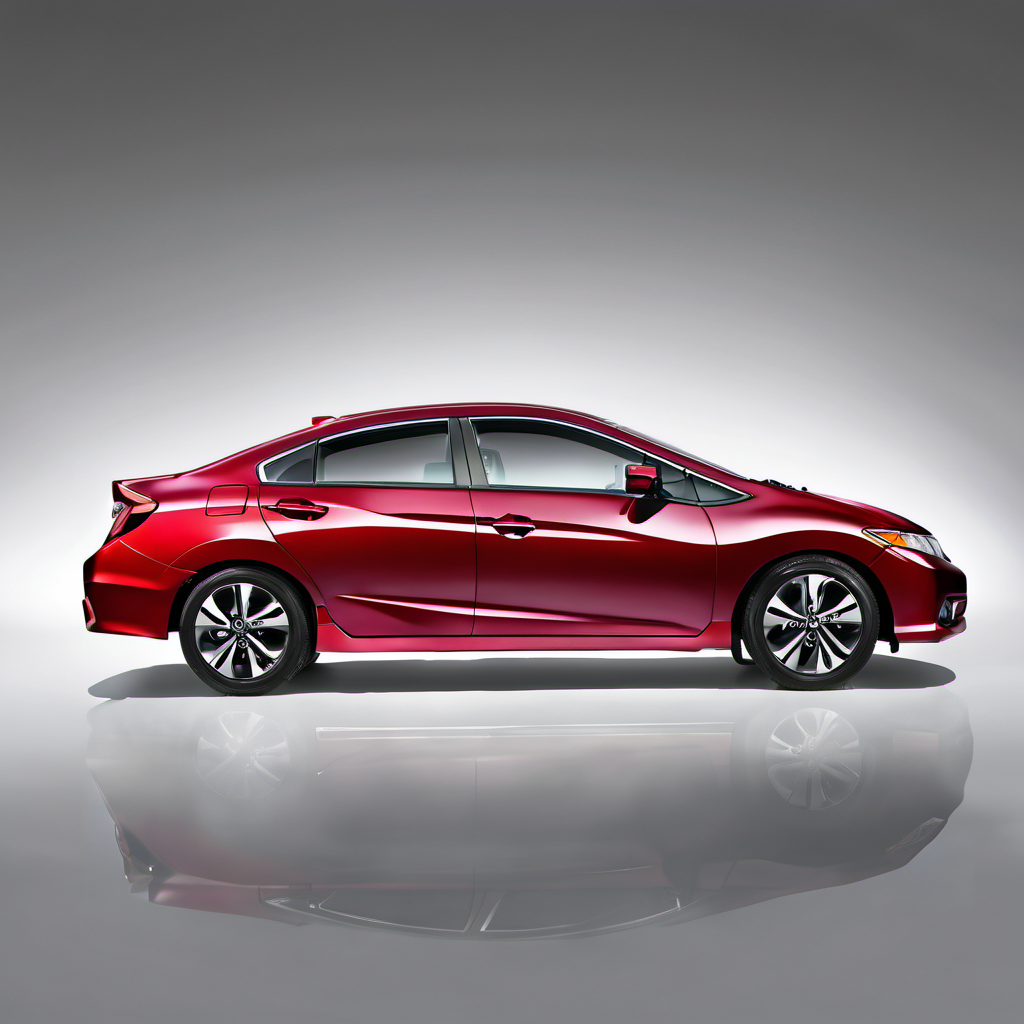
2013 Ford Focus Sedan
Popular pick

2013 Ford

FocusSedan

2.0L I4 · Sedan

The 2013 Ford Focus Sedan is a third-generation compact car built on Ford's global C1 platform. It was a significant step up from its predecessor, offering a more refined interior, European-influenced handling, and a range of efficient four-cylinder engines. As a daily driver it punches above its class in ride quality and fuel economy. The big asterisk on this generation is the optional PowerShift dual-clutch automatic transmission (DCT). It was plagued by shuddering, lurching, and premature wear from the factory, leading to a class-action lawsuit and Ford buyback program. Buyers should verify whether the car has the 6-speed PowerShift DCT or the traditional 5-speed manual — the manual is far more reliable. Aside from the transmission concern, the Focus is a capable, affordable compact. Parts are cheap and widely available, independent shops know them well, and the 2.0L naturally aspirated four-cylinder is fundamentally sound. With proper maintenance and the right transmission, these cars can cross 150k miles without drama.

Reliability
2/5
Verified data
Specs shown for Focus FWD — the most common configuration. Other trims may vary in engine, drivetrain, or fuel economy. Sign in to see your vehicle's exact specs.
Engine
[object Object]
Drivetrain
FWD
Fuel
Gasoline
MPG
27 city / 37 hwy / 31 combined
Seats
5
Doors
4
Body
Sedan
MSRP
$17,295

Overview

AI-curated

The 2013 Ford Focus Sedan is a third-generation compact car built on Ford's global C1 platform. It was a significant step up from its predecessor, offering a more refined interior, European-influenced handling, and a range of efficient four-cylinder engines. As a daily driver it punches above its class in ride quality and fuel economy. The big asterisk on this generation is the optional PowerShift dual-clutch automatic transmission (DCT). It was plagued by shuddering, lurching, and premature wear from the factory, leading to a class-action lawsuit and Ford buyback program. Buyers should verify whether the car has the 6-speed PowerShift DCT or the traditional 5-speed manual — the manual is far more reliable. Aside from the transmission concern, the Focus is a capable, affordable compact. Parts are cheap and widely available, independent shops know them well, and the 2.0L naturally aspirated four-cylinder is fundamentally sound. With proper maintenance and the right transmission, these cars can cross 150k miles without drama.

Known for
  • Sharp, European-tuned handling for a compact
  • Efficient 2.0L Skyactiv-class naturally aspirated four-cylinder
  • Troubled PowerShift 6-speed dual-clutch automatic transmission
  • Affordable parts and wide independent-shop support
  • Comfortable, well-insulated cabin for the class
Best for
  • Budget-conscious commuters who want good fuel economy
  • Drivers willing to choose the manual transmission to sidestep DCT issues
  • Urban and suburban daily driving
  • First-time car owners on a tight budget
Watch for
  • PowerShift DCT shudder, hesitation, and premature clutch wear
  • Engine mount bushings failing and causing vibration at idle
  • Coolant purge valve failure leading to overheating or air pockets
  • Rust forming on underbody and wheel wells in salt-belt states
  • HVAC blower motor issues and sync/MyFord Touch glitches

Common issues by mileage

6 known

PowerShift DCT Shudder, Hesitation & Clutch Wear

high
Typically appears
20–80k mi
Estimated repair
$1,500 – $3,500

Engine Mount Bushing Deterioration (Vibration at Idle/Low Speed)

high
Typically appears
50–120k mi
Estimated repair
$200 – $450

Coolant Purge Valve Failure (Air Pockets, Overheating, Heater Loss)

medium
Typically appears
60–120k mi
Estimated repair
$80 – $200

Water Pump Failure

medium
Typically appears
80–140k mi
Estimated repair
$350 – $650

Camshaft/VCT Timing Issues (VCT Solenoid or Low Oil Pressure)

medium
Typically appears
70–130k mi
Estimated repair
$150 – $600

Underbody & Wheel Well Rust (Salt-Belt Corrosion)

high
Typically appears
60–150k mi
Estimated repair
$300 – $1,500

Maintenance schedule

  1. 1
    Every 5,000 miles or 6 months — do not stretch to Ford's oil life monitor maximum on used cars Engine oil and filter change

    The 2.0L's VCT system is oil-pressure dependent. Dirty or low oil accelerates cam phaser and timing chain wear. In Wisconsin winters, short trips mean more moisture contamination — shorter intervals protect the engine.

  2. 2
    Every 40,000 miles, regardless of Ford's 'lifetime fluid' claim PowerShift DCT fluid service (if automatic)

    Ford originally called the DCT fluid lifetime; real-world experience shows fresh fluid reduces shudder and slows clutch wear. This is one of the most important services on this car.

  3. 3
    Inspect purge valve every 2 years; flush coolant every 60,000 miles Coolant purge valve inspection and coolant flush

    A failed purge valve allows air pockets to form, causing overheating and heater core issues — especially noticeable in cold Wisconsin winters when the heater struggles.

  4. 4
    Inspect at every major cooling system service; plan replacement by 100,000 miles Water pump inspection

    The water pump is a known wear item on this engine. Catching it before failure prevents overheating and potential head gasket damage.

  5. 5
    Every 30,000 miles or when vibration at idle is noticed Engine mount bushing inspection

    Soft or collapsed mounts cause drivetrain vibration and accelerate wear on surrounding components. Common complaint on this generation.

  6. 6
    Every 15,000–20,000 miles or annually Cabin air filter replacement

    Wisconsin road salt and winter grit clog the cabin filter quickly, reducing HVAC airflow and defroster effectiveness.

  7. 7
    Every 2 years Brake fluid flush

    Brake fluid is hygroscopic. Wisconsin salt and moisture accelerate corrosion of brake lines and calipers on this generation.

  8. 8
    Each spring; undercoat touch-up as needed Underbody wash and rust inspection

    Salt-belt corrosion is a real threat on these cars. Wheel wells, subframe mounting points, and brake lines are the first places to check after every Wisconsin winter.

Always defer to the manufacturer's service manual for warranty-mandated intervals.

Cost of ownership

Annual maintenance
$500 – $1,200
Fuel
At 31 MPG combined and ~15,000 miles/year, expect roughly $1,500–$1,900/year at $3.10–$3.90/gal (regular unleaded).
Insurance
Typically $900–$1,400/year for a 2013 Focus Sedan in Wisconsin for a driver with a clean record. Compact sedans are inexpensive to insure.

Day-to-day, the Focus is cheap to operate. Parts are affordable and labor rates at independents are low. The wildcard is the PowerShift DCT — a clutch pack replacement or mechatronic unit repair can easily run $1,500–$3,500 and can occur more than once. If the DCT has already been serviced or replaced under the Ford settlement, ongoing costs drop significantly. Manual-transmission cars are genuinely budget-friendly to own.
Seasonal care

Lake Geneva, WI
Winter
  • Switch to a full synthetic 5W-30 oil before temperatures drop below 20°F — the DCT and engine both benefit from faster cold-start lubrication.
  • Test the battery every fall — cold cranking amps drop sharply below 0°F and this car's electrical load is high. Replace any battery showing weakness before November.
  • Fill the washer fluid reservoir with a -20°F or colder rated fluid; Lake Geneva winters regularly hit sub-zero and standard fluid will freeze in the lines and nozzles.
  • Install a set of dedicated winter tires — the Focus's FWD helps in snow, but the stock all-seasons are modest performers on ice.
  • Inspect and flush brake lines for corrosion every spring; Wisconsin road salt accelerates line deterioration on this generation.
  • After snowfall, clear wheel wells and underbody of packed salt — prolonged contact causes early rust on the subframe and control arm mounting points.
Summer
  • Check tire pressure monthly — summer heat causes pressure to rise 1 PSI for every 10°F increase; overinflated tires reduce grip and wear unevenly.
  • Inspect the cooling system (hoses, coolant level, purge valve) before summer — the Focus is prone to air pockets and purge valve failures that worsen with heat.
  • Run the A/C system and verify it's cooling properly in spring; recharging a neglected system before peak heat is cheaper than a roadside breakdown.
  • Check cabin air filter — pollen and road debris from spring will restrict HVAC airflow heading into summer heat.

Comparable vehicles

If you're shopping for one

Red flags
  • Any shudder, hesitation, or clunking during low-speed acceleration — classic PowerShift DCT failure symptoms; walk away or price in a major transmission repair.
  • No documentation of DCT fluid service or Ford settlement clutch replacement — assume it needs both.
  • Coolant that's rusty, low, or milky — signals purge valve failure, possible overheating history, or early head gasket issues.
  • Vibration at idle that disappears at speed — worn engine mount bushings; common but tells you maintenance has been deferred.
  • Rust bubbling on wheel arches, rear quarter panels, or visible underbody corrosion — Wisconsin salt accelerates this on third-gen Focus cars.
What to inspect
  • Test drive at low speed (5–15 mph) in stop-and-go conditions to feel for DCT shudder or hesitation on take-off.
  • Pull the transmission service history — verify DCT fluid has been changed and whether Ford settlement work (TCM reprogram + clutch replacement) was performed.
  • Check coolant level and condition cold, and inspect the purge valve hose for cracks or evidence of overheating.
  • With engine idling in park, place your hand on the shifter or center console and feel for excessive vibration — indicates worn engine mounts.
  • Inspect all four wheel wells and the rear underbody seams for rust scale or paint bubbling.
  • Run a VIN through NHTSA to check for open recalls — the PowerShift DCT had multiple TSBs and recall-adjacent actions.
AI profile generated 21 days ago · claude-sonnet-4-6 · v2.