Clutch Wear (Manual / Sportshift)
high- Typically appears
- 30–60k mi
- Estimated repair
- $1,800 – $3,500
2013 Aston
4.7L V8
The 2013 Aston Martin V8 Vantage is a hand-built British sports car powered by a naturally aspirated 4.7L V8. It sits at the entry point of the Aston Martin lineup but delivers a genuinely exotic driving experience — a sonorous engine, rear-wheel drive, and a low-slung aluminum-intensive body. Production volumes are tiny compared to mainstream sports cars, which has direct implications for parts availability and repair costs. This generation Vantage (2005–2017 platform) is widely regarded as one of the most driver-focused cars Aston Martin ever built. The hydraulic steering, manual or automated-manual gearbox options, and near-50/50 weight distribution make it a tactile, engaging car. It is not, however, a low-cost vehicle to own — nearly everything about servicing it costs more than a comparable Porsche or Ferrari in terms of parts lead time and specialist labor. For a Wisconsin owner, storage or at minimum winter-specific preparation is strongly advisable. Road salt will attack the aluminum body panels and underbody components in ways that are expensive to reverse, and sub-zero temperatures are hard on the battery and the manual transmission's synchros.
The 2013 Aston Martin V8 Vantage is a hand-built British sports car powered by a naturally aspirated 4.7L V8. It sits at the entry point of the Aston Martin lineup but delivers a genuinely exotic driving experience — a sonorous engine, rear-wheel drive, and a low-slung aluminum-intensive body. Production volumes are tiny compared to mainstream sports cars, which has direct implications for parts availability and repair costs. This generation Vantage (2005–2017 platform) is widely regarded as one of the most driver-focused cars Aston Martin ever built. The hydraulic steering, manual or automated-manual gearbox options, and near-50/50 weight distribution make it a tactile, engaging car. It is not, however, a low-cost vehicle to own — nearly everything about servicing it costs more than a comparable Porsche or Ferrari in terms of parts lead time and specialist labor. For a Wisconsin owner, storage or at minimum winter-specific preparation is strongly advisable. Road salt will attack the aluminum body panels and underbody components in ways that are expensive to reverse, and sub-zero temperatures are hard on the battery and the manual transmission's synchros.
Aston Martin specifies 5W-30 (7.7-qt capacity). Use a full-synthetic meeting the required spec. Given the high compression (11.3:1) and the cost of internal engine work, do not stretch this interval. Castrol EDGE and Mobil 1 are specifically recommended by the factory.
RWD with 420 hp means rear tires wear faster under spirited driving. Regular rotation extends tire life and helps identify uneven wear patterns early.
DOT 4 absorbs moisture over time, raising the risk of brake fade under hard use. High-performance brakes on the Vantage are stressed harder than on average cars — don't skip this.
The system requires Aston Martin-approved coolant (10.5-qt capacity). Using a generic coolant can cause corrosion in the aluminum block and cooling passages. Verify the correct product before topping off.
Worn plugs on a high-compression V8 contribute to the misfires and rough idle that are common complaints on this engine. Access is labor-intensive; budget accordingly.
The Sportshift automated-manual is sensitive to fluid condition. Use only Aston Martin-specified transmission fluid (3.5-qt capacity). Wrong fluid causes shift quality degradation and can accelerate clutch wear.
Direct injection means fuel never washes the intake valves. Carbon accumulates and reduces airflow. Walnut blasting is the most effective method and should be done at a shop familiar with the process.
This recall addresses a potential fuel leak, classified as high severity. If the recall has not been completed on this vehicle, contact an authorized Aston Martin dealer to have it performed.
Always defer to the manufacturer's service manual for warranty-mandated intervals.
This is not a cheap car to own. Annual maintenance at an honest independent shop runs $2,500–$6,000 in routine years, and any major work (clutch, catalytic converters, VVT components) can push a single service event past $3,000–$5,000. Parts often have to be sourced from Aston Martin's supply chain, which adds both cost and lead time. Budget a contingency fund — ownership of any low-volume exotic requires it.
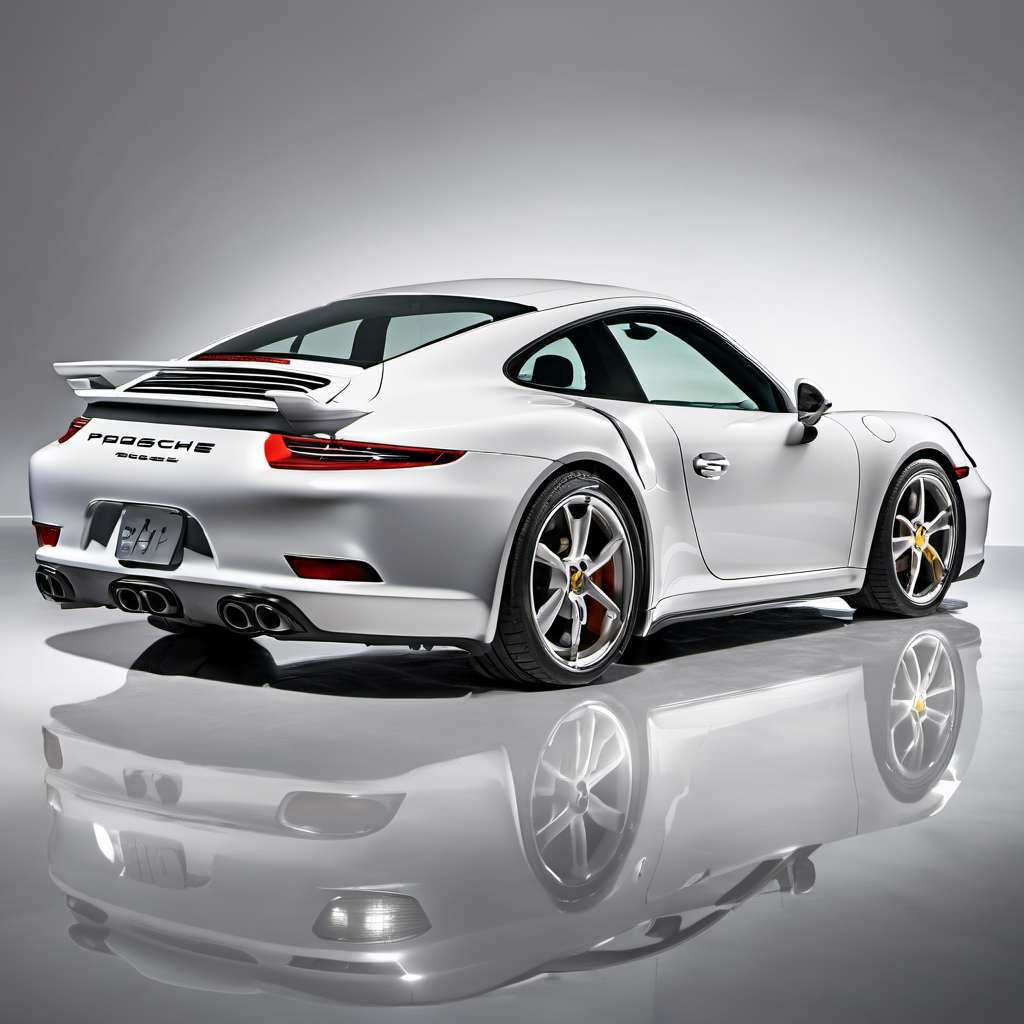
Direct competitor in the $90k–$130k range sports car segment. More reliable long-term, easier to service in the Midwest, and similarly driver-focused. A common cross-shop.

Similar price point and exotic positioning. Higher performance ceiling but even more expensive to maintain. Buyers cross-shopping Aston at this price point often consider it.

Shares Jaguar/Land Rover corporate roots (the Vantage's V8 is Jaguar-derived). Offers a similar GT character at a lower price with better parts availability in North America.
Grand touring 2-seat convertible/roadster alternative at a comparable used price. More practical, significantly better dealer/service network in Wisconsin, lower ownership cost.
No catalog match