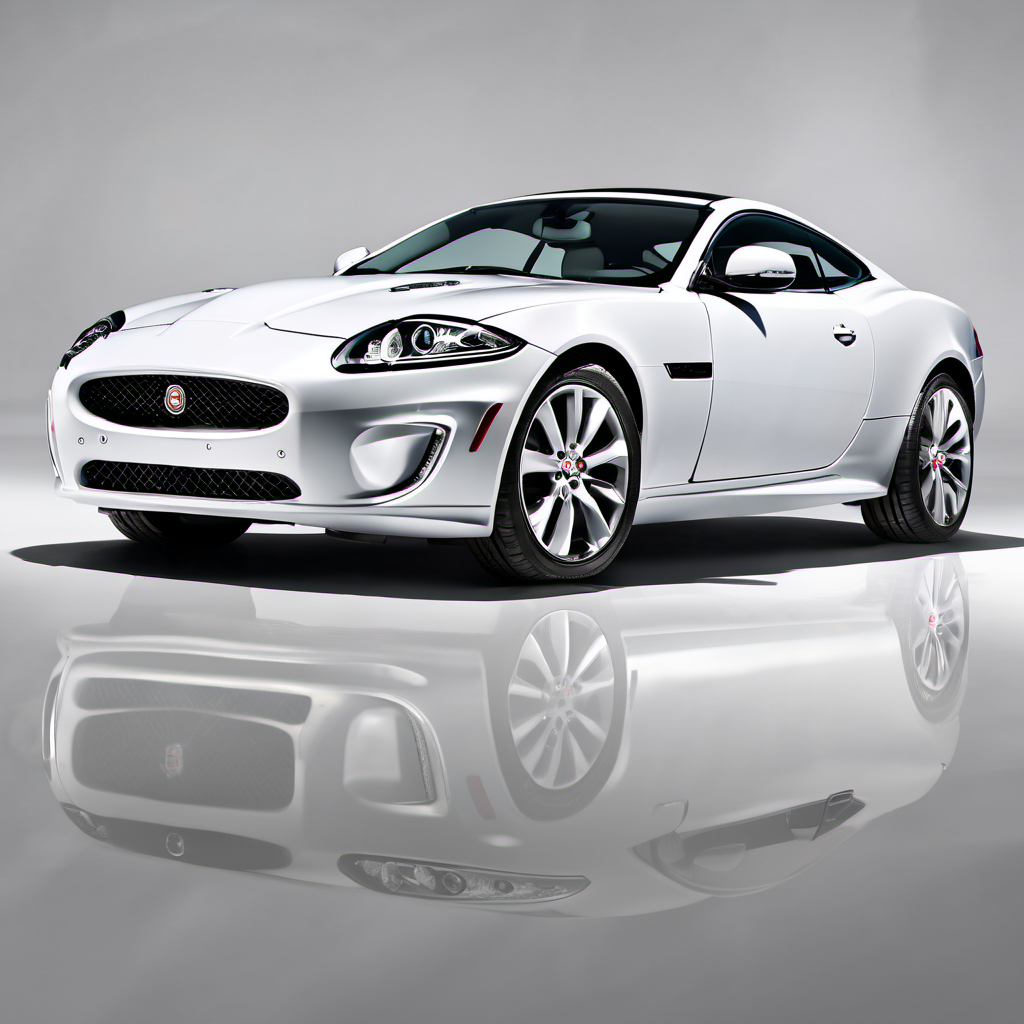
2013 Aston Martin DB9
Popular pick

2013 Aston

Martin DB9

5.9L V12

The 2013 Aston Martin DB9 is a hand-built British grand tourer built around an aluminum VH (Vertical Horizontal) architecture with a naturally aspirated 5.9L V12 at its heart. It is one of the most visually striking cars of its era, and at highway speeds it delivers an exhaust note and driving experience few cars at any price can match. The 2013 model year sits in the later, more refined phase of the DB9's life — it received the Touchtronic II 6-speed automatic as standard and benefited from incremental refinements over the original 2004 launch car. Owning a DB9 is genuinely rewarding but demands realistic eyes. Parts are expensive, service intervals require premium fluids, and the Volante (convertible) body adds its own electrical complexity. Many owners use these as weekend and warm-weather cars, which means batteries drain, rubber seals dry out, and fuel systems gum up if the car sits for months at a stretch. For a Lake Geneva owner: this car should be treated as a three-season vehicle. Salt and sub-zero temperatures are enemies of its aluminum bodywork, brake components, and low-clearance undercarriage. Budget for proper storage and a battery tender every winter, and you'll be rewarded with decades of driving pleasure.

Reliability
2/5
Engine
5.9L V12
Drivetrain
RWD
Fuel
Gasoline
MPG
12 city / 19 hwy / 15 combined
Seats
4
Doors
2
Body
Coupe
MSRP
$183,195

Overview

AI-curated

The 2013 Aston Martin DB9 is a hand-built British grand tourer built around an aluminum VH (Vertical Horizontal) architecture with a naturally aspirated 5.9L V12 at its heart. It is one of the most visually striking cars of its era, and at highway speeds it delivers an exhaust note and driving experience few cars at any price can match. The 2013 model year sits in the later, more refined phase of the DB9's life — it received the Touchtronic II 6-speed automatic as standard and benefited from incremental refinements over the original 2004 launch car. Owning a DB9 is genuinely rewarding but demands realistic eyes. Parts are expensive, service intervals require premium fluids, and the Volante (convertible) body adds its own electrical complexity. Many owners use these as weekend and warm-weather cars, which means batteries drain, rubber seals dry out, and fuel systems gum up if the car sits for months at a stretch. For a Lake Geneva owner: this car should be treated as a three-season vehicle. Salt and sub-zero temperatures are enemies of its aluminum bodywork, brake components, and low-clearance undercarriage. Budget for proper storage and a battery tender every winter, and you'll be rewarded with decades of driving pleasure.

Known for
  • Hand-built 5.9L naturally aspirated V12 with a spine-tingling exhaust note
  • Stunning aluminum bodywork styled by Ian Callum
  • True grand tourer — comfortable enough for long highway runs
  • Touchtronic II paddle-shift automatic or available 6-speed manual
  • Low production numbers mean strong long-term desirability
Best for
  • Enthusiasts who want exotic presence with occasional daily usability
  • Weekend and warm-weather driving focused owners
  • Buyers who can budget for premium maintenance costs
  • Those who appreciate hand-crafted, low-volume British engineering
Watch for
  • High ownership costs — oil changes, brakes, and tires are all expensive
  • Electrical gremlins, particularly infotainment and window regulator issues
  • Cooling system leaks if not maintained on schedule
  • Battery drain from extended storage (very common with seasonal use)
  • Transmission wear if fluid service has been skipped

Common issues by mileage

6 known

Transmission Rough Shifting / Touchtronic Failure

high
Typically appears
60–90k mi
Estimated repair
$2,000 – $4,500

Cooling System Leaks / Overheating

medium
Typically appears
50–80k mi
Estimated repair
$1,000 – $2,500

Random / Multiple Cylinder Misfires

medium
Typically appears
70–90k mi
Estimated repair
$300 – $800

Catalytic Converter Efficiency Failure

medium
Typically appears
75–100k mi
Estimated repair
$1,000 – $3,000

Lean Fuel Trim / Vacuum Leak (Both Banks)

medium
Typically appears
60–80k mi
Estimated repair
$200 – $600

Infotainment / Electrical Gremlins

high
Typically appears
40–70k mi
Estimated repair
$500 – $1,500

Maintenance schedule

  1. 1
    Every 10,000 miles or 12 months, whichever comes first Oil & Filter Change

    The V12 requires a specific full-synthetic oil spec and a cartridge-style filter. Using the correct fluid matters — incorrect viscosity can accelerate wear on this engine. Budget around $300 per service at an independent shop.

  2. 2
    Every 30,000 miles or 36 months Coolant System Inspection & Flush

    Cooling system leaks are a known failure point. Inspecting hoses, the expansion tank, and coolant concentration at each service catches problems before they become engine-threatening overheats. Use the manufacturer-specified coolant.

  3. 3
    Every 20,000 miles or 24 months Brake Fluid Flush

    The DB9 uses a high-performance brake system that generates significant heat. Moisture-contaminated brake fluid lowers boiling point and can cause fade. On a car this heavy and fast, fresh fluid is a safety item, not just maintenance.

  4. 4
    Every 60,000 miles or 72 months Transmission Fluid Change

    Neglected transmission fluid is the leading cause of the Touchtronic shifting problems DB9 owners encounter. Fresh fluid at the correct interval is far cheaper than a transmission rebuild.

  5. 5
    Every 5,000 miles or 6 months Tire Rotation & Pressure Check

    The DB9 runs large, expensive performance tires. RWD weight bias and V12 torque cause uneven rear wear. Rotation extends tire life meaningfully. Always check pressures cold — heat soak from summer driving throws readings off.

  6. 6
    Any time the car sits longer than 3–4 weeks Battery Tender During Storage

    The DB9's electronics draw a parasitic load even when parked. A discharged battery can cause a cascade of electrical fault codes. A quality battery tender connected during Lake Geneva winters is essential.

  7. 7
    Every 30,000 miles or at each tire rotation Brake Caliper & Rotor Inspection

    Performance rotors and pads wear faster than typical commuter car components. Wisconsin road salt accelerates rotor surface rust on a car that may sit for months. Inspect for uneven wear, scoring, and caliper seizure.

  8. 8
    Every 60,000 miles or at signs of handling change Suspension Bushing & Shock Inspection

    Worn bushings and dampers are a documented issue in the 60–90k mi range. Symptoms include vague steering and clunking over bumps. On a performance chassis, worn suspension also accelerates tire wear.

Always defer to the manufacturer's service manual for warranty-mandated intervals.

Cost of ownership

Annual maintenance
$2,500 – $6,000
Fuel
Requires premium 91+ octane. At 15 MPG combined and typical driving patterns, expect $2,500–$4,000/year in fuel depending on miles driven.
Insurance
Expect $2,000–$5,000/year depending on usage, storage arrangements, agreed-value coverage, and driving history. A seasonal/agreed-value policy is strongly recommended for a car of this value.

The DB9 is not expensive to buy compared to what it costs to keep. Annual routine maintenance alone runs $2,500–$6,000 at an independent shop when you include oil, brakes, tires, and fluid services. When unexpected repairs hit — and they will — individual bills of $1,500–$4,500 are common. Total annual ownership costs including fuel, insurance, and maintenance realistically run $8,000–$15,000 or more. This is a car for someone who has already planned for that number.

Seasonal care

Lake Geneva, WI
Winter
  • Do not drive on salted roads — road salt aggressively attacks the aluminum structure, brake components, and undercarriage. This car should be in storage from first salt application through spring cleanup.
  • Connect a battery tender throughout storage. The DB9's electronics will drain a battery in 3–4 weeks, leading to fault codes and potential module damage.
  • Store with a full tank of premium fuel and a fuel stabilizer if the car will sit more than 60 days.
  • Use a breathable car cover to prevent moisture trapping against the paint and seals.
  • Check tire pressure before bringing the car out of storage — cold Wisconsin winters drop pressure significantly and rubber compounds can flat-spot on cold concrete.
  • Before spring return to service, inspect brake rotors for heavy surface rust and verify coolant concentration holds down to at least -34°F.
Summer
  • Check tire pressure at cold start — summer heat causes pressure to climb and these performance tires are sensitive to over-inflation.
  • Monitor coolant temperature closely, especially in stop-and-go traffic. The DB9's cooling system is stressed in slow urban heat and can begin to overheat if the system has any weaknesses.
  • Inspect the A/C system before the hot season — refrigerant leaks are not uncommon after winter storage and this is a hard car to stay comfortable in without functioning A/C.
  • Avoid extended engine idling in high heat — the V12 generates significant heat in an engine bay with limited airflow at rest.
  • After spirited driving, allow the engine and brakes to cool before shutting down or parking in an enclosed garage — heat soak can stress cooling components.

Comparable vehicles

If you're shopping for one

Red flags
  • No service records or receipts — skip it. Deferred maintenance on a DB9 creates compounding expensive failures.
  • Any evidence of winter road use (salt residue, undercarriage rust) — the car was likely not stored properly.
  • Persistent check engine light or multiple stored fault codes at purchase — diagnose before buying, not after.
  • Transmission hesitation, harsh shifts, or slipping — a Touchtronic rebuild is a $3,000–$5,000 repair.
  • Coolant that is discolored, oily, or has visible residue around the cap — head gasket or internal leak territory on a V12.
  • Battery that is dead or has been jump-started repeatedly — electrical fault codes from chronic battery drain can be expensive to fully resolve.
What to inspect
  • Request full service history — specifically look for transmission fluid changes and coolant flushes. A DB9 with no service records is a serious risk.
  • Verify the battery holds charge and is not more than 3–4 years old. Dead or weak batteries cause a wave of fault codes that spook buyers.
  • Inspect the cooling system: look for residue around hose connections, the expansion tank, and the radiator. Leaks here lead to expensive failures.
  • Check the infotainment and all powered accessories (windows, convertible top if Volante) — electrical repairs are time-consuming and costly on this platform.
  • Inspect undercarriage for signs of road salt exposure or prior winter use — corrosion on an aluminum-intensive car is a serious long-term concern.
  • Listen for transmission hesitation or clunks during a warm test drive — cold behavior can mask problems that appear once the fluid is up to temperature.
  • Check all four tires for age (DOT date code) and uneven wear — performance tires for this car are $400–$600 each.
AI profile generated 21 days ago · claude-sonnet-4-6 · v2.