Media Control Unit (MCU1) eMMC Flash Memory Failure
high- Typically appears
- 60k–150k mi (or age-related, often 6–10 years)
- Estimated repair
- $500 – $1,500
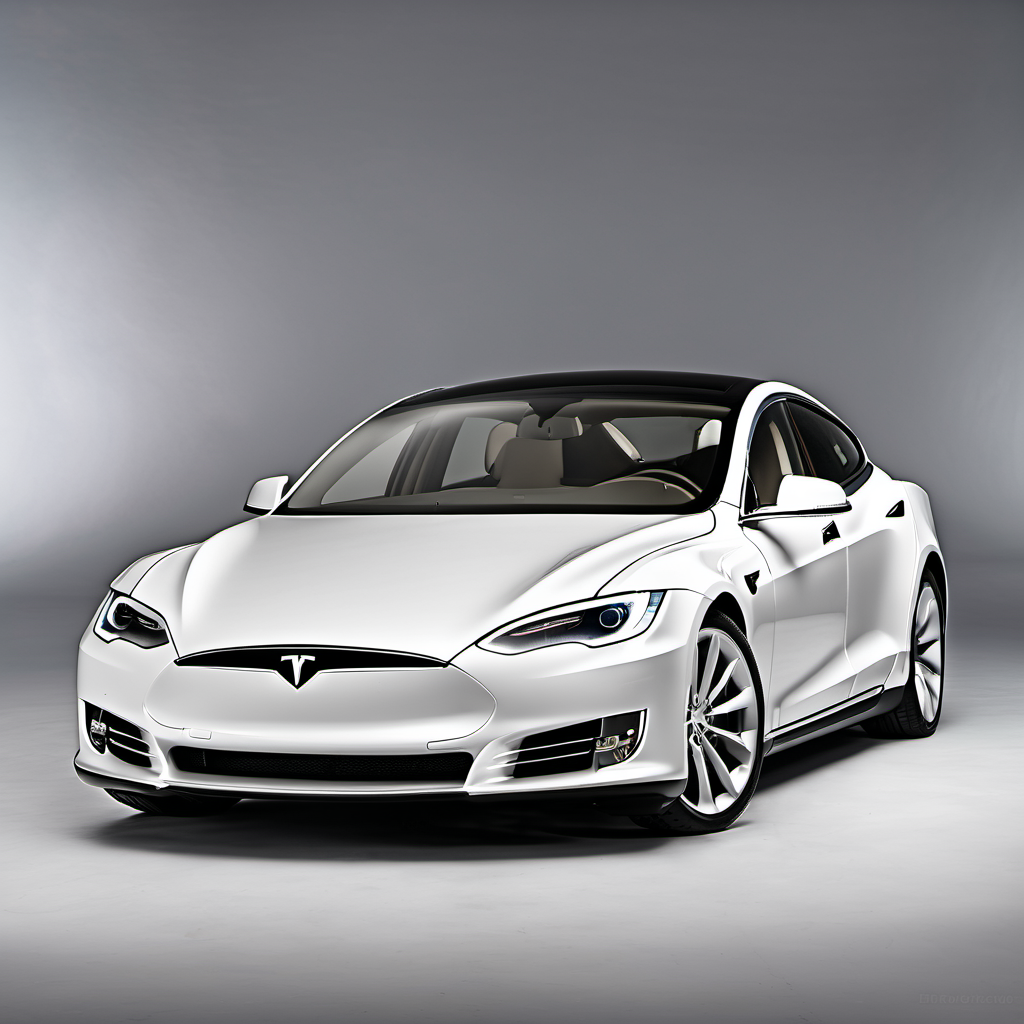
2012 Tesla
Sedan
The 2012 Tesla Model S was the first production year of Tesla's full-size electric sedan, and it landed as a genuine landmark vehicle. It offered a large, low-slung cabin, surprisingly quick performance, and over-the-air software updates — concepts that were new to the auto industry at the time. Early buyers were early adopters, and that shows in the ownership experience: the hardware is mostly solid, but first-year software, battery management, and component quality had some rough edges that later model years smoothed out. The base 2012 Model S came with a 60 kWh battery pack (RWD), with an 85 kWh option giving roughly 265 miles of EPA range. Performance was strong for the era — the 85 kWh hit 60 mph in about 5.6 seconds — and the near-silent powertrain made highway driving unusually relaxed. The 17-inch center touchscreen was a bold design choice that has aged reasonably well, though it relies heavily on the Media Control Unit (MCU), which is a known failure point on early cars. As a 2012 (first model year), buyers should go in with eyes open. Parts availability and qualified service are more limited outside major metro areas, and Lake Geneva-area owners will need to plan around reduced winter range and the nearest Tesla Service Center. That said, well-maintained examples with a healthy battery pack and updated software can still be genuinely satisfying daily drivers.
The 2012 Tesla Model S was the first production year of Tesla's full-size electric sedan, and it landed as a genuine landmark vehicle. It offered a large, low-slung cabin, surprisingly quick performance, and over-the-air software updates — concepts that were new to the auto industry at the time. Early buyers were early adopters, and that shows in the ownership experience: the hardware is mostly solid, but first-year software, battery management, and component quality had some rough edges that later model years smoothed out. The base 2012 Model S came with a 60 kWh battery pack (RWD), with an 85 kWh option giving roughly 265 miles of EPA range. Performance was strong for the era — the 85 kWh hit 60 mph in about 5.6 seconds — and the near-silent powertrain made highway driving unusually relaxed. The 17-inch center touchscreen was a bold design choice that has aged reasonably well, though it relies heavily on the Media Control Unit (MCU), which is a known failure point on early cars. As a 2012 (first model year), buyers should go in with eyes open. Parts availability and qualified service are more limited outside major metro areas, and Lake Geneva-area owners will need to plan around reduced winter range and the nearest Tesla Service Center. That said, well-maintained examples with a healthy battery pack and updated software can still be genuinely satisfying daily drivers.
The 12V battery powers the car's low-voltage systems and is needed to wake the high-voltage system. A dead 12V means a completely immobile car — it can fail without warning and is especially stressed by cold Wisconsin winters.
The motorized pop-out handles are a well-known weak point. Cold temperatures increase failure risk. Keeping the mechanism clean and lubricated extends life.
Tire pressure drops roughly 1 PSI per 10°F of temperature loss. Low pressure hurts range significantly on an EV and creates uneven wear. Wisconsin temperature swings make this especially important.
Air suspension failures can be abrupt and leave the car on its bump stops. Road salt accelerates corrosion of air lines and fittings.
Regenerative braking reduces brake use, which means moisture accumulates in the fluid even at low mileage. Wet fluid lowers boiling point and can cause corrosion in calipers.
The instant torque of the electric motor accelerates rear tire wear. More frequent rotation than a typical ICE car is needed to get even life from all four tires.
The HEPA/cabin filter on early Model S cars is easy to overlook since there are no oil change visits prompting a check. A clogged filter stresses the HVAC blower and degrades air quality.
Lake Geneva road salt accumulates on the battery pack undershield and surrounding chassis. Rinse from below after winter to prevent accelerated corrosion of pack cooling lines and structural components.
Always defer to the manufacturer's service manual for warranty-mandated intervals.
Day-to-day fuel costs are the Model S's strong suit — electricity is far cheaper than gasoline per mile. But don't let that mask the tail risk: a failed battery pack or MCU replacement can run $5,000–$20,000, and those costs are rarely covered on a 10+ year old car. Budget for a 12V battery every 3–4 years ($200–$450), door handles eventually (~$300–$700 each), and set aside a contingency for the MCU. Overall annual maintenance is low in normal years, but ownership cost spikes sharply when the big-ticket items hit.
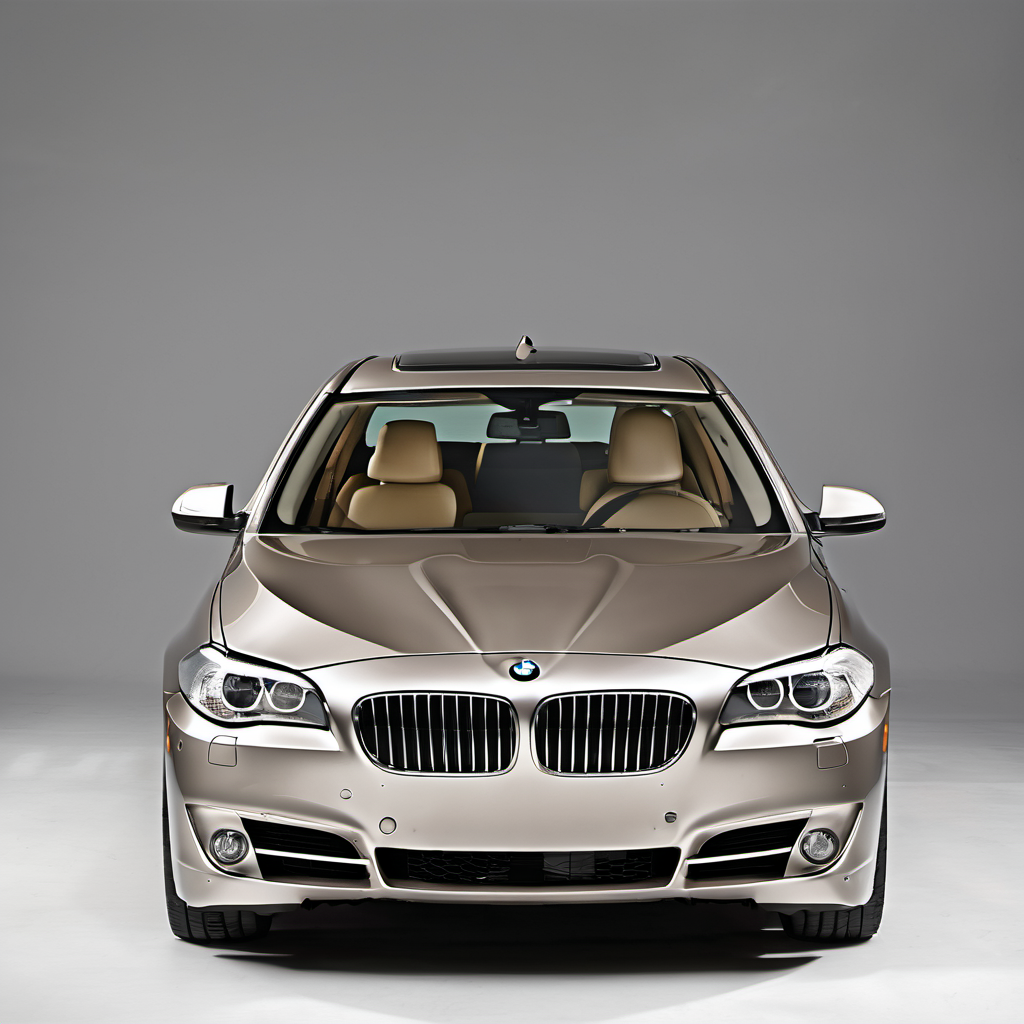
Similar large luxury sedan footprint and original price point. ICE-powered with stronger local service network, but far higher fuel and maintenance costs.
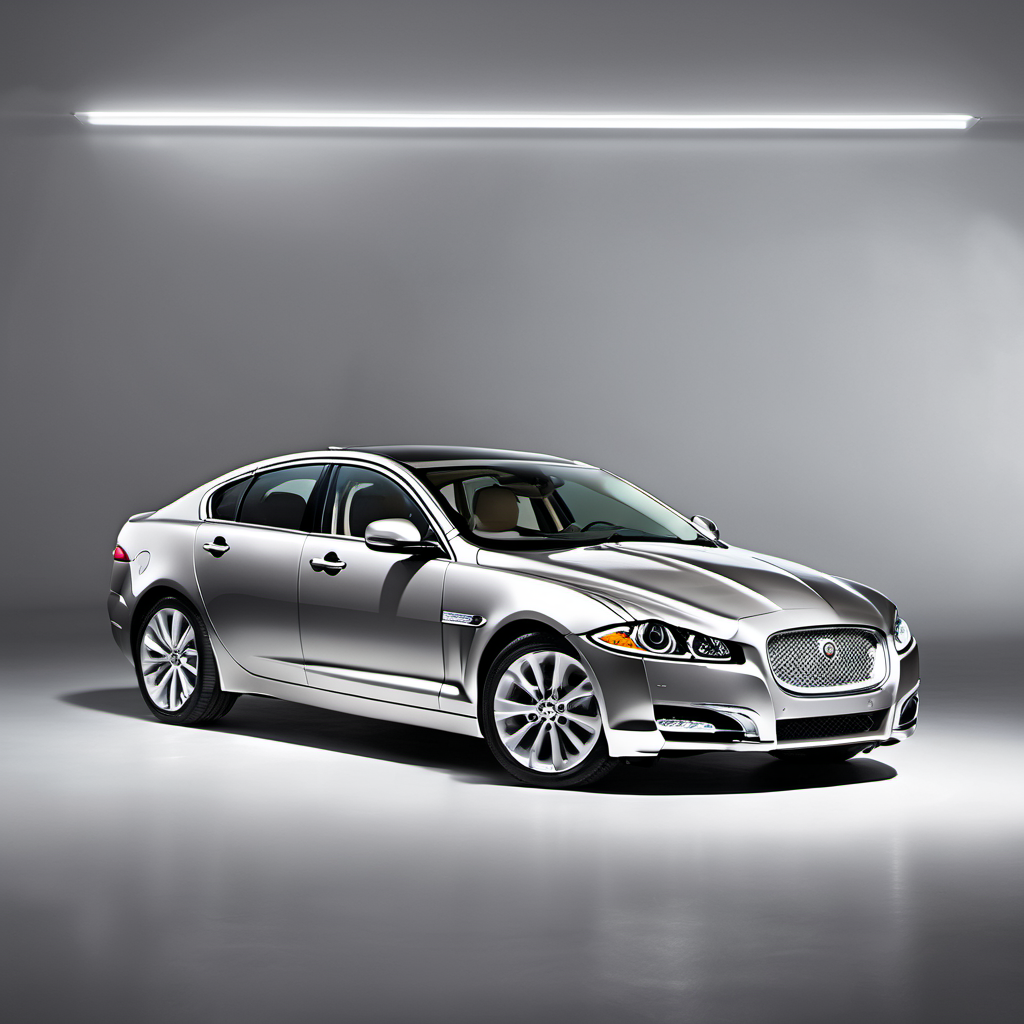
Comparable luxury sedan size and used-market pricing. RWD layout and performance orientation match the Model S mission, though with a combustion engine.
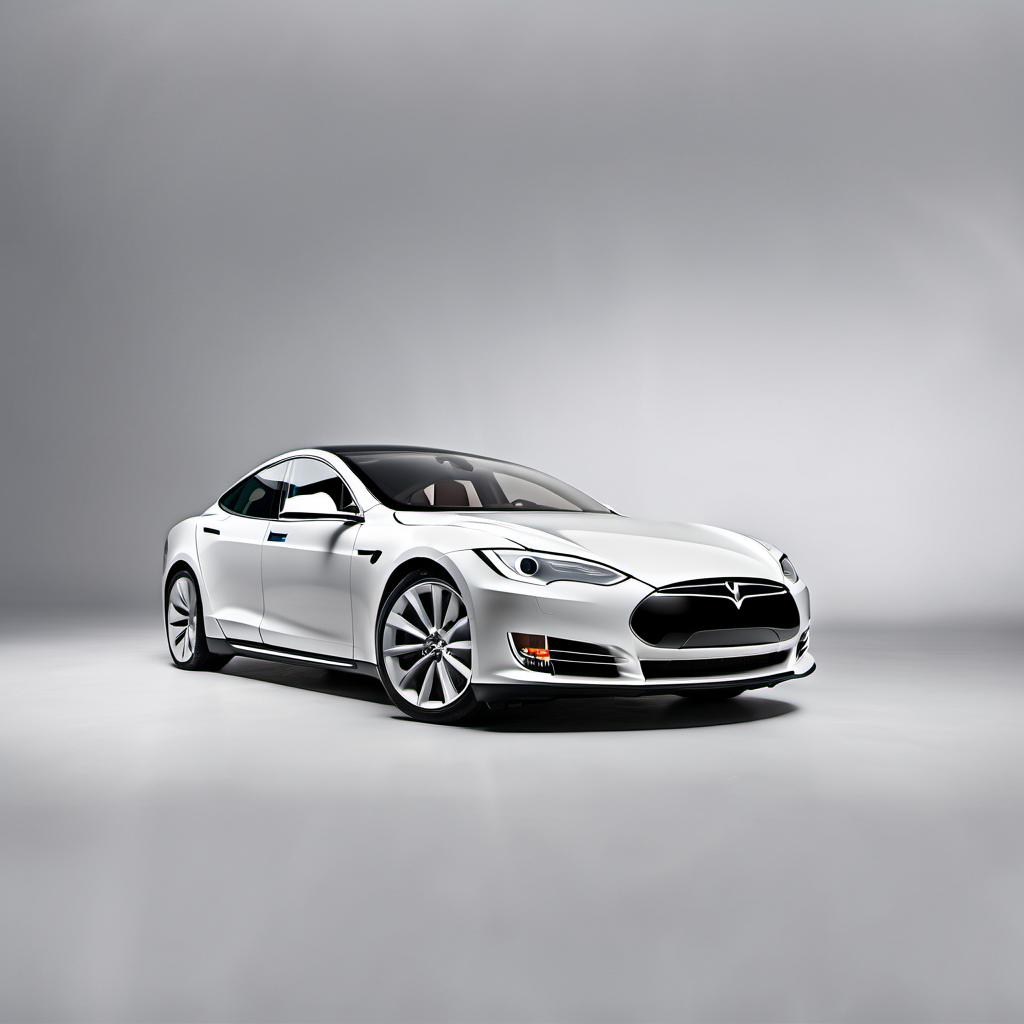
A refined version of the same car with better build quality, improved MCU longevity, and more Supercharger infrastructure available. Worth seeking out over a 2012 if budget allows.
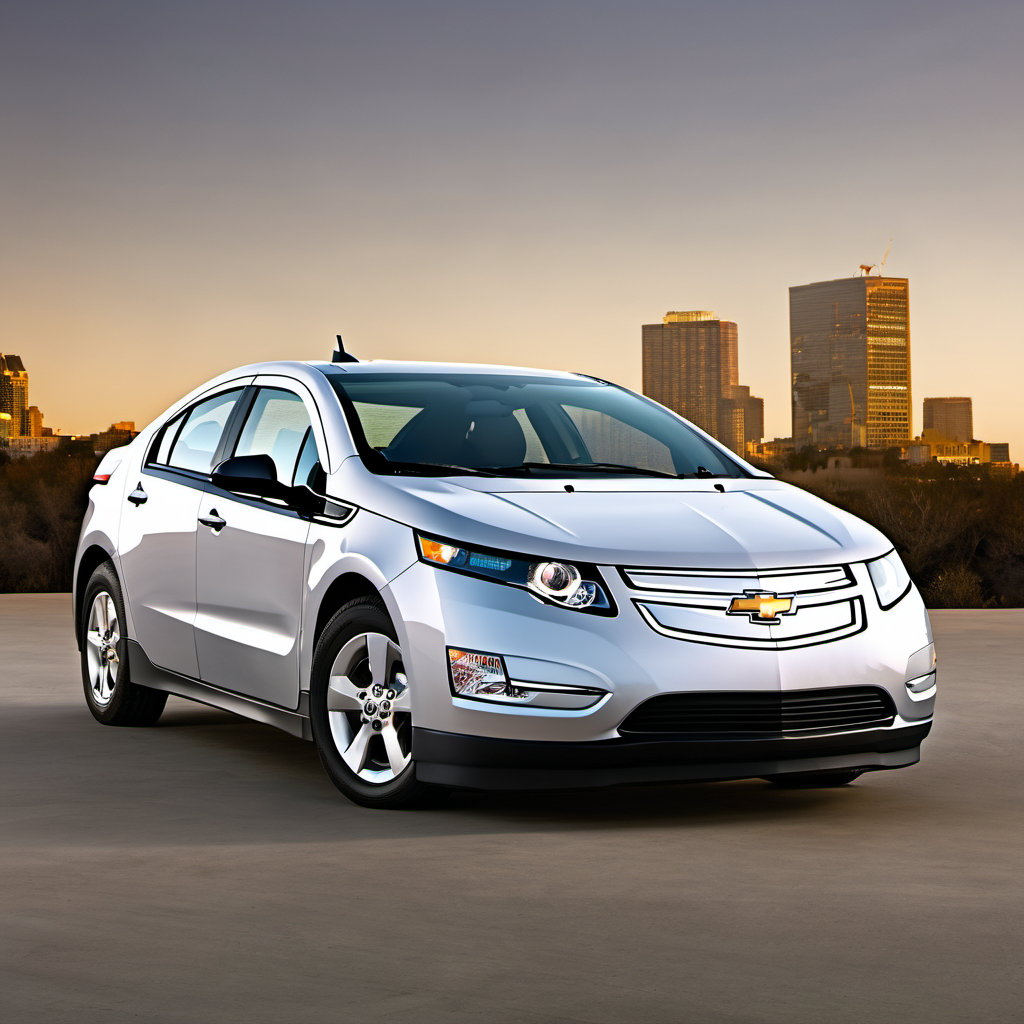
A more range-anxiety-friendly EV option at a much lower price point. Plug-in hybrid design eliminates pure-EV winter range concerns, better suited to rural Wisconsin driving patterns.