HEMI MDS Lifter & Camshaft Failure
high- Typically appears
- 80–130k mi
- Estimated repair
- $2,500 – $6,000
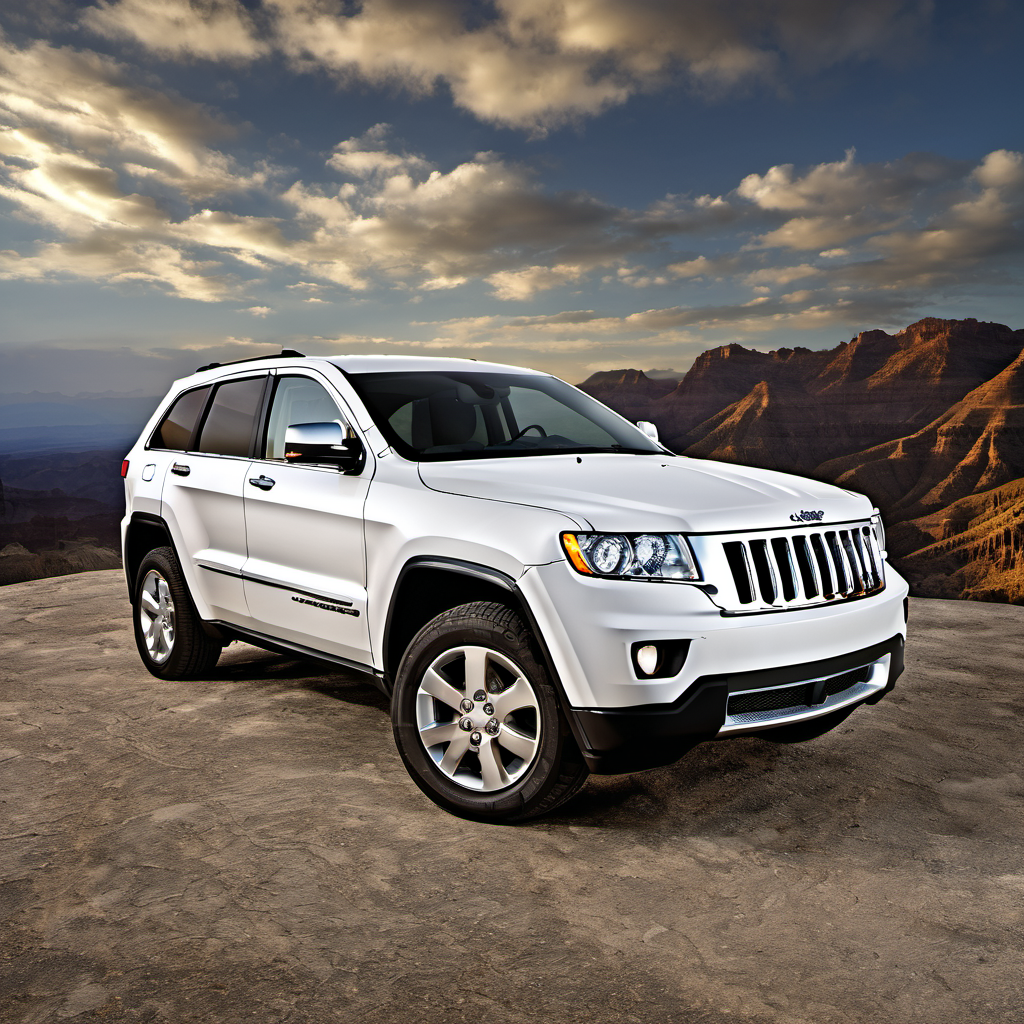
2012 Jeep
3.6L V6 Pentastar · SUV
The 2012 Jeep Grand Cherokee (WK2 generation, introduced for 2011) was a significant redesign that brought a more refined, car-like interior to Jeep's flagship SUV without sacrificing off-road capability. It shares its platform with the Mercedes-Benz ML-Class, which brought upscale features but also some added electrical complexity. The base engine is the 3.6L Pentastar V6, with an available 5.7L HEMI V8 and a 3.0L EcoDiesel (which came later — not offered in 2012). The Pentastar V6 is the most common powertrain in the field. On-road, the 2012 Grand Cherokee is composed and comfortable for a body-on-frame-adjacent SUV. The Quadra-Lift air suspension (on higher trims) and available Quadra-Drive II 4WD system make it genuinely capable off-road. However, that air suspension is a known long-term expense item, and the 5.7L HEMI has a well-documented cylinder deactivation issue with the Multi-Displacement System (MDS). For Lake Geneva-area buyers, the standard Quadra-Trac or Quadra-Drive 4WD and available all-wheel drive make this a solid winter hauler. Rust protection and air suspension maintenance are the two biggest things to stay on top of in a Wisconsin climate.
The 2012 Jeep Grand Cherokee (WK2 generation, introduced for 2011) was a significant redesign that brought a more refined, car-like interior to Jeep's flagship SUV without sacrificing off-road capability. It shares its platform with the Mercedes-Benz ML-Class, which brought upscale features but also some added electrical complexity. The base engine is the 3.6L Pentastar V6, with an available 5.7L HEMI V8 and a 3.0L EcoDiesel (which came later — not offered in 2012). The Pentastar V6 is the most common powertrain in the field. On-road, the 2012 Grand Cherokee is composed and comfortable for a body-on-frame-adjacent SUV. The Quadra-Lift air suspension (on higher trims) and available Quadra-Drive II 4WD system make it genuinely capable off-road. However, that air suspension is a known long-term expense item, and the 5.7L HEMI has a well-documented cylinder deactivation issue with the Multi-Displacement System (MDS). For Lake Geneva-area buyers, the standard Quadra-Trac or Quadra-Drive 4WD and available all-wheel drive make this a solid winter hauler. Rust protection and air suspension maintenance are the two biggest things to stay on top of in a Wisconsin climate.
Both the Pentastar V6 and HEMI are sensitive to oil quality. Sludge in the VVT solenoids on the V6 causes timing codes; low oil pressure from dirty oil accelerates MDS lifter wear on the HEMI. Use the manufacturer-specified 5W-20 (HEMI) or 5W-20/0W-20 (V6) and don't stretch intervals.
Quadra-Trac II and Quadra-Drive II units degrade fluid through heat and wear. This service is almost always skipped by prior owners. Using the correct ATF+4 or NV247 fluid matters — wrong fluid causes shudder and clutch pack damage.
Both axles use gear oil that breaks down over time. Skipped service leads to bearing and gear wear. On Quadra-Drive II trucks, the rear electronic limited-slip differential requires a specific friction modifier — leaving it out causes chatter in turns.
Check for sagging corners, check compressor duty cycle, and inspect air lines for cracks. Catching a failing bladder early (before the compressor burns itself out trying to compensate) can cut repair costs significantly.
Wisconsin road salt accelerates brake line corrosion on this platform. Inspect lines, especially near the rear axle and fuel tank. Budget for fluid film or undercoating each fall before road salt season begins.
The HEMI has 16 plugs (two per cylinder) and seized plugs are a real risk on high-mileage engines. Change before they're too tight to remove cleanly. The Pentastar V6 uses iridium plugs with a longer service life but don't skip them entirely.
The WK2's electrical system (TIPM, air suspension compressor, numerous control modules) places a heavy load on the battery. A marginal battery that works fine in summer will fail at -10°F in Lake Geneva. Replace proactively at 4–5 years old.
OAT coolant degrades and becomes acidic over time, corroding aluminum components in both the V6 and HEMI. Use the correct HOAT-compatible coolant — mixing types causes gel formation and cooling system blockage.
Always defer to the manufacturer's service manual for warranty-mandated intervals.
The 2012 Grand Cherokee is a mid-range cost of ownership vehicle — not cheap like a Civic, not ruinous like a Land Rover. Routine maintenance on a V6 model runs $900–$1,400/year at an independent shop. A HEMI model or air-suspension-equipped trim can push $1,500–$2,200+/year once those systems start needing attention. Budget a separate reserve for the air suspension if present — a single failure event can cost $1,000–$2,500 alone. Brake line replacement in the salt belt is a near-certainty at some point in Wisconsin ownership.
No comparable vehicles documented yet.