Air Suspension Failure (bags, compressor, valve block)
high- Typically appears
- 50–100k mi
- Estimated repair
- $2,500 – $8,000

2012 Bentley
Sedan
The 2012 Bentley Mulsanne is the hand-built flagship sedan from Crewe, England — a full-size ultra-luxury car powered by a twin-turbocharged 6.75L V8 that traces its lineage back to the 1950s yet was thoroughly re-engineered for this generation. It sits at the very top of the luxury sedan market alongside the Rolls-Royce Ghost, and nearly everything inside — from the hand-stitched hides to the machined aluminum controls — is assembled by craftspeople in small batches. Production numbers are extremely low; fewer than a few hundred were sold in the U.S. each year. Behind the prestige is a mechanically complex vehicle that demands specialist attention. The engine management, air suspension, and body electronics systems require factory-level or Bentley-trained diagnostic equipment (ODIS or equivalent) to service properly. Parts supply is limited and expensive, and labor rates at qualified shops reflect the rarity and complexity of the platform. Owning a Mulsanne in Lake Geneva means budgeting seriously for maintenance, storing it appropriately over winter (road salt is extremely harsh on the aluminum-intensive body and air suspension components), and building a relationship with either the nearest Bentley dealer or a well-equipped independent European specialist. This is not a vehicle to defer maintenance on.
The 2012 Bentley Mulsanne is the hand-built flagship sedan from Crewe, England — a full-size ultra-luxury car powered by a twin-turbocharged 6.75L V8 that traces its lineage back to the 1950s yet was thoroughly re-engineered for this generation. It sits at the very top of the luxury sedan market alongside the Rolls-Royce Ghost, and nearly everything inside — from the hand-stitched hides to the machined aluminum controls — is assembled by craftspeople in small batches. Production numbers are extremely low; fewer than a few hundred were sold in the U.S. each year. Behind the prestige is a mechanically complex vehicle that demands specialist attention. The engine management, air suspension, and body electronics systems require factory-level or Bentley-trained diagnostic equipment (ODIS or equivalent) to service properly. Parts supply is limited and expensive, and labor rates at qualified shops reflect the rarity and complexity of the platform. Owning a Mulsanne in Lake Geneva means budgeting seriously for maintenance, storing it appropriately over winter (road salt is extremely harsh on the aluminum-intensive body and air suspension components), and building a relationship with either the nearest Bentley dealer or a well-equipped independent European specialist. This is not a vehicle to defer maintenance on.
The twin-turbo V8's VVT system is oil-pressure sensitive. Using the wrong viscosity or extending intervals leads to sludge in the camshaft solenoid passages — exactly the condition behind P0012/P0015/P0022/P0025 codes. Use only Bentley-approved full-synthetic. Drain plug torque spec is 30 ft-lb; do not overtighten. Proprietary reset via ODIS or compatible software required after service.
Wisconsin road salt accelerates corrosion on the metal air lines and valve block fittings. Inspect for cracked bags and slow-leak symptoms (nose or tail sitting low overnight). Catching a single bag early is far cheaper than replacing the compressor after it burns out trying to compensate.
ZF rates this as 'lifetime' fluid, but independent specialists consistently find degraded fluid in high-mileage examples. Fresh fluid noticeably improves shift quality and protects valve body components.
The twin-turbo environment accelerates plug wear. Worn plugs stress ignition coils and can cause misfires that are expensive to diagnose on this platform. Do all 8 at once — partial plug changes are false economy here.
Degraded coolant accelerates corrosion in the aluminum engine block and cooling passages. Wisconsin's freeze-thaw cycles make the 50/50 mix ratio non-negotiable.
Brake fluid is hygroscopic. With the Mulsanne's weight (nearly 3 tons), maintaining full braking performance is critical. Moisture-contaminated fluid lowers boiling point significantly.
The Mulsanne's extensive electronics draw heavily on the battery even when parked. A marginal battery in sub-zero Wisconsin temps will fail and can trigger a cascade of module fault codes (U0100–U0104) as voltage drops during cranking.
The air suspension components, brake lines, and exhaust systems on these cars are not cheap to replace. Salt trapped in body seams and underneath the rear wheel arches is a known problem area. Rinse thoroughly — including the undercarriage — after winter driving.
Always defer to the manufacturer's service manual for warranty-mandated intervals.
The Mulsanne is one of the most expensive vehicles to own outside of exotic supercars. Annual maintenance at an independent European specialist runs $4,000–$12,000 in routine years; a single air suspension overhaul or major electrical repair can add $5,000–$15,000 on top of that. Parts are imported and have long lead times. Fuel is a secondary cost compared to maintenance. Budget conservatively, store it properly over winter, and never defer scheduled service.
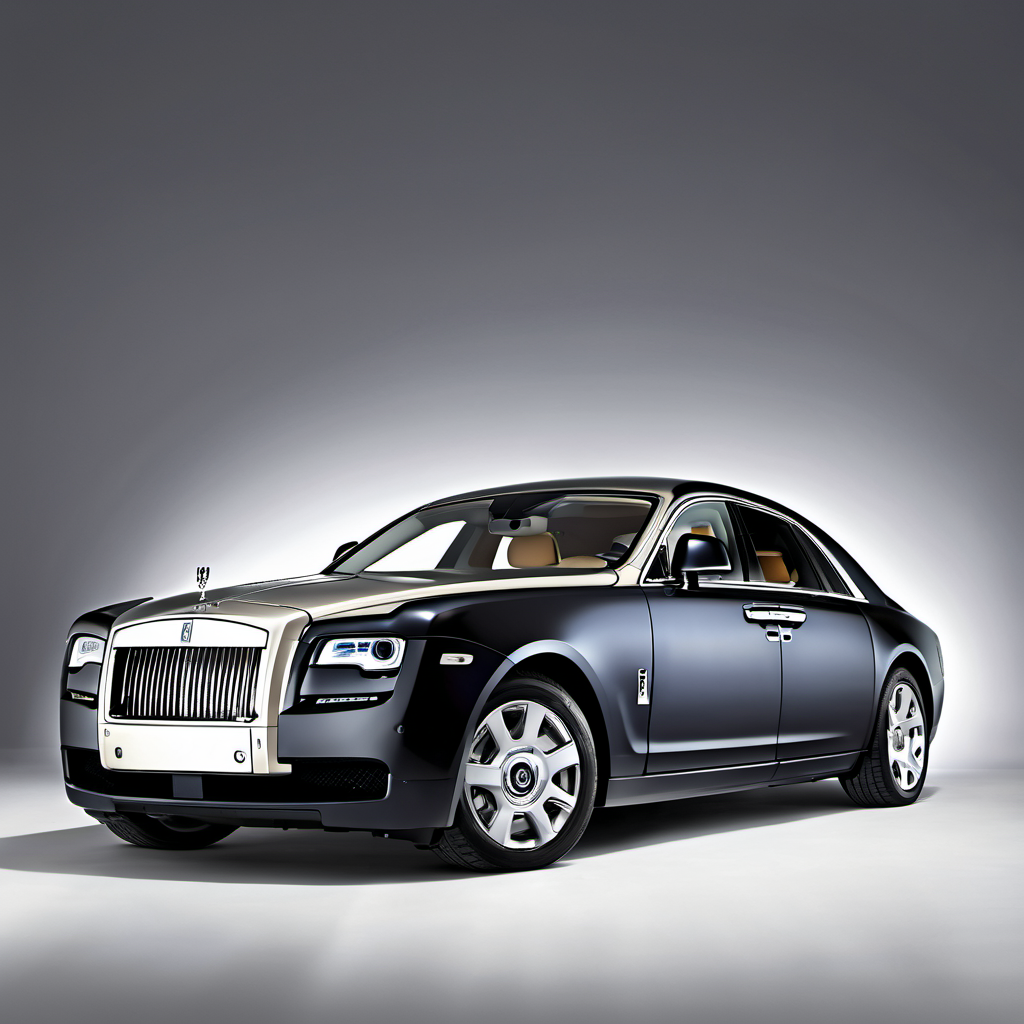
Direct segment rival — similarly hand-built British ultra-luxury sedan, BMW-based platform vs. Bentley's VW Group underpinnings. The Ghost is slightly more driver-focused; ownership costs and parts challenges are comparable.
V12-powered flagship S-Class occupies the same ultra-luxury sedan space at a somewhat lower price point. Better parts availability and more dealer support, but lacks the handcrafted exclusivity of the Mulsanne.
No catalog match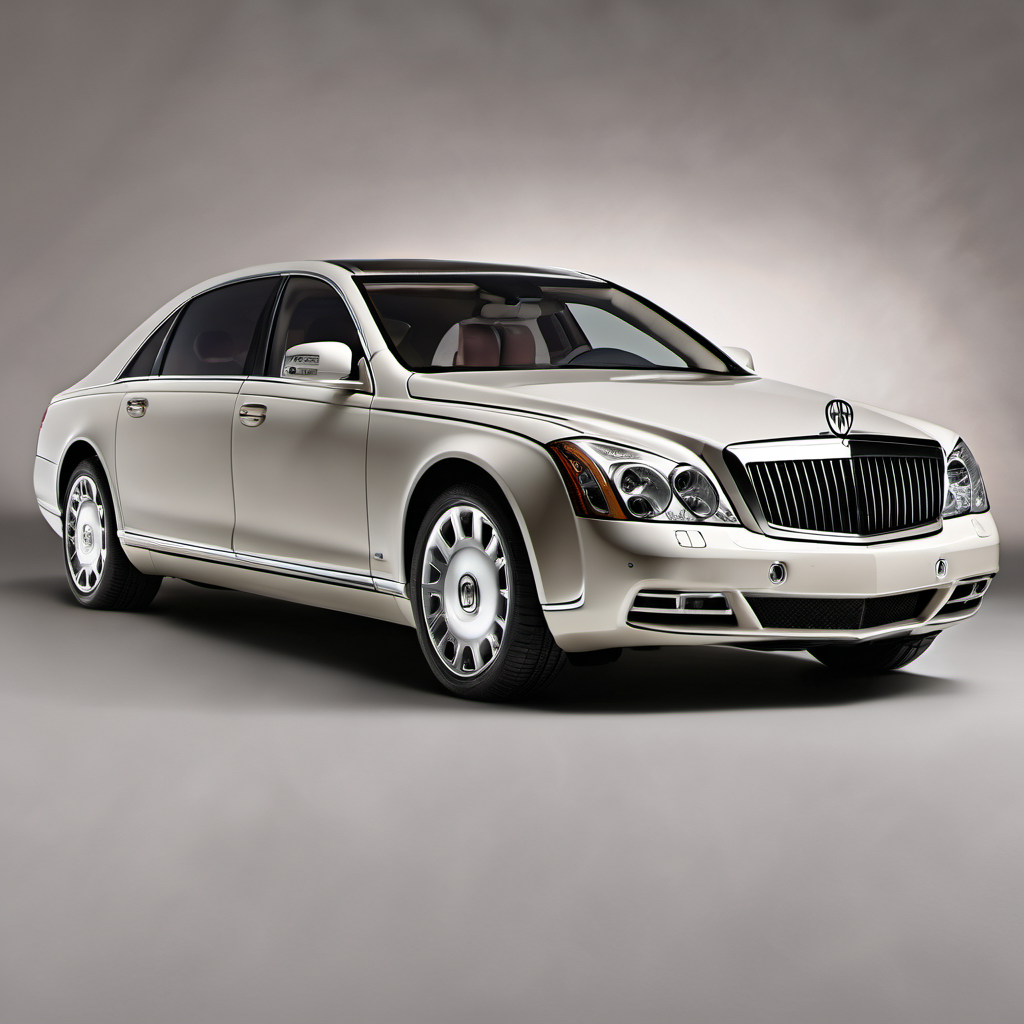
Mercedes-Maybach's ultra-long-wheelbase flagship matched the Mulsanne's mission of chauffeur-grade luxury. Production ended in 2012, making parts increasingly difficult to source — similar ownership challenges.
Four-door gran turismo in the same price bracket targeting buyers who want exclusivity and performance over pure luxury. Lower weight, more driver engagement, but similarly demanding in terms of service and parts costs.