Transmission Shifting Problems
high- Typically appears
- 60–90k mi
- Estimated repair
- $2,000 – $4,000
2012 Aston
5.9L V12
The 2012 Aston Martin Rapide is a four-door, four-seat grand touring sports car — essentially a stretched DB9 with rear doors grafted onto one of the most visually dramatic bodies in the segment. Built in Graz, Austria by Magna Steyr under Aston Martin's direction, it pairs a hand-assembled 5.9L V12 with a rear-mounted 6-speed Touchtronic 2 automatic transaxle for near-perfect 49/51 front/rear weight distribution. It is one of very few cars that can genuinely claim to be both a supercar and a four-passenger vehicle. Performance is serious: 0–60 in around 5.0 seconds, a 188 mph top speed, and a soundtrack that no turbocharged engine can replicate. The interior is hand-stitched leather and aluminum throughout, though the infotainment technology was already dated by 2012 standards and has aged poorly. Rear-seat headroom is tight for adults over 6 feet — the roofline was styled first and packaged second. Owning a Rapide is a commitment. Parts are expensive, specialty labor is required, and the car rewards meticulous maintenance. In the upper Midwest, where road salt and hard winters are facts of life, a Rapide kept as a seasonal driver and properly stored will fare far better than one used year-round.
The 2012 Aston Martin Rapide is a four-door, four-seat grand touring sports car — essentially a stretched DB9 with rear doors grafted onto one of the most visually dramatic bodies in the segment. Built in Graz, Austria by Magna Steyr under Aston Martin's direction, it pairs a hand-assembled 5.9L V12 with a rear-mounted 6-speed Touchtronic 2 automatic transaxle for near-perfect 49/51 front/rear weight distribution. It is one of very few cars that can genuinely claim to be both a supercar and a four-passenger vehicle. Performance is serious: 0–60 in around 5.0 seconds, a 188 mph top speed, and a soundtrack that no turbocharged engine can replicate. The interior is hand-stitched leather and aluminum throughout, though the infotainment technology was already dated by 2012 standards and has aged poorly. Rear-seat headroom is tight for adults over 6 feet — the roofline was styled first and packaged second. Owning a Rapide is a commitment. Parts are expensive, specialty labor is required, and the car rewards meticulous maintenance. In the upper Midwest, where road salt and hard winters are facts of life, a Rapide kept as a seasonal driver and properly stored will fare far better than one used year-round.
The V12 runs hot and tight tolerances demand clean oil. Using the wrong viscosity or extending intervals accelerates bearing wear. Budget ~$250 per service — this is not a $50 oil change.
The Rapide's staggered rear-biased weight distribution and wide performance tires wear unevenly. Rotation maximizes tire life, which matters when replacements cost $400–$600 per tire.
Hygroscopic brake fluid absorbs moisture over time, lowering boiling point — critical on a 4,200-lb car with high-performance braking demands. Carbon ceramic systems are especially sensitive to contaminated fluid.
Given the known cooling system failure rate on the Rapide, proactive flushing and a full inspection of hoses, clamps, and the expansion tank at this interval can prevent a $2,000+ overheating repair.
The rear-mounted transaxle is expensive to rebuild. Fresh fluid at this interval is cheap insurance against the shifting problems that commonly emerge in this mileage range.
The Rapide's complex electrical system is hard on batteries. A weak battery causes cascading electrical gremlins. If the car is stored over winter, use a quality battery maintainer.
Carbon ceramic rotors can crack from thermal shock (e.g., hitting a puddle when hot). Inspection before and after the season catches damage early, before a rotor failure becomes a safety event.
Worn bushings cause handling vagueness and accelerate tire wear. On a car of this weight and performance capability, degraded suspension is both a safety and a handling issue.
Always defer to the manufacturer's service manual for warranty-mandated intervals.
The Rapide is not an expensive car to buy used — it is an expensive car to own. Routine maintenance alone runs $2,500–$6,000 per year at a qualified independent shop. Add a single major repair (transmission, cooling system, catalytic converters) and a bad year can exceed $10,000 in shop bills. Budget for a dedicated mechanic relationship and a repair reserve fund. Seasonal storage in Wisconsin essentially doubles the value of ownership: it protects the aluminum body and electrical system from road salt and keeps mileage and wear in check.
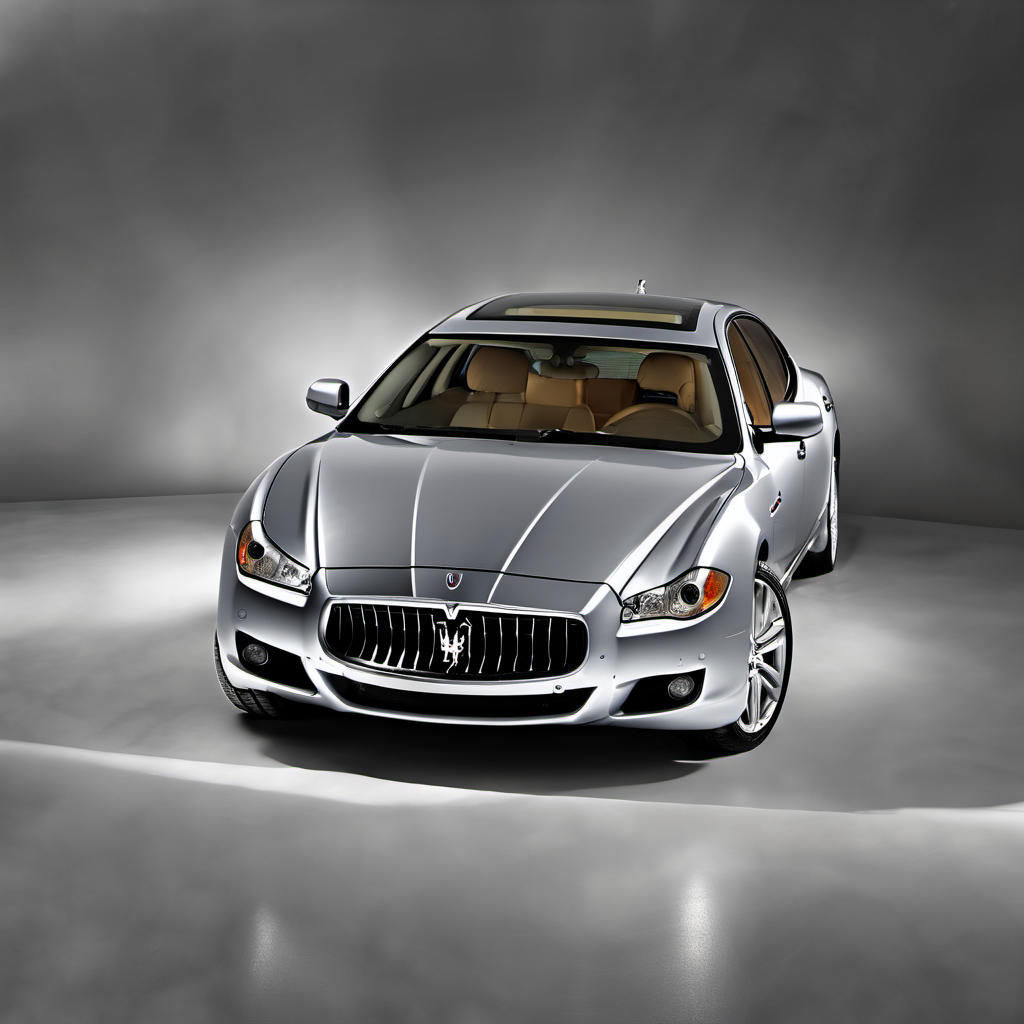
Four-door Italian GT in the same price bracket, V8-powered, similar grand touring mission. Shares the Rapide's reliability complexity and specialist-service requirement.
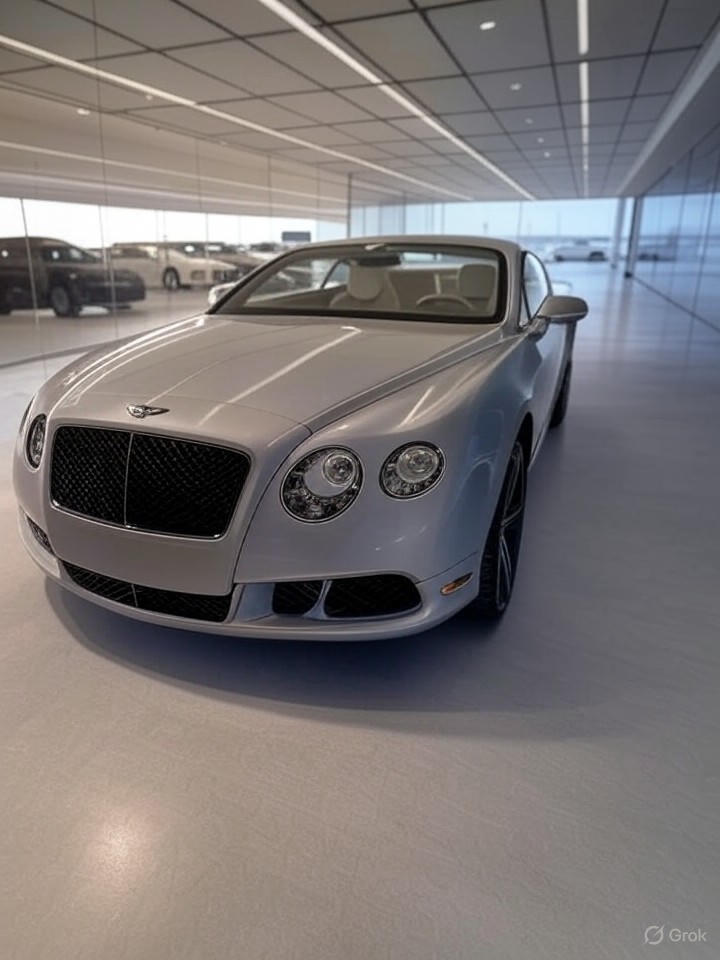
Four-door luxury performance car with W12 power, comparable MSRP when new, AWD vs. RWD. More comfort-biased but directly competes as a four-passenger high-speed tourer.
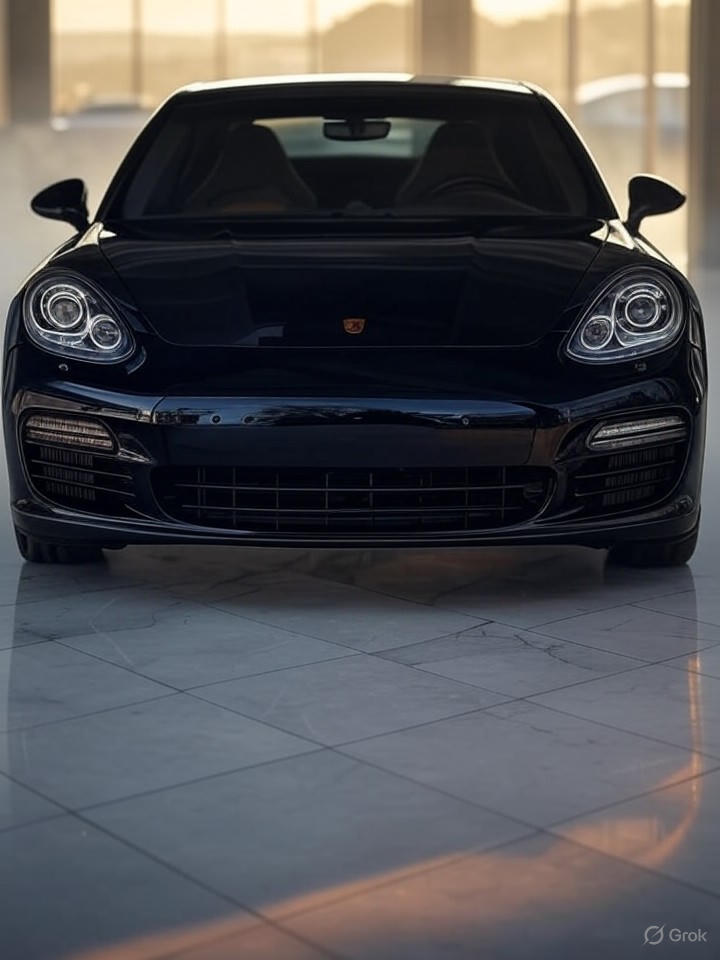
Four-door, four-seat performance car in the same segment. More modern electronics, stronger dealer network, and significantly better real-world reliability — a practical alternative if daily usability matters.
Four-door performance fastback with a hand-built AMG V8, strong performance credentials, and far broader service network. Less exotic, but far lower ownership risk and cost.
No catalog match