2AZ-FE Excessive Oil Consumption
high- Typically appears
- 30–120k mi
- Estimated repair
- $800 – $3,000
2011 Toyota
2.4L 4-cylinder 2AZ-FE
The 2011 Scion xB is the second-generation model (E150 platform), a boxy front-wheel-drive hatchback that Toyota sold under its youth-focused Scion brand. It's built in Japan on a shared Toyota platform and powered by Toyota's proven 2.4L 2AZ-FE four-cylinder — the same engine found in the Camry and RAV4 of the same era. The xB punches well above its price class in interior room thanks to its tall, upright roofline; it regularly fits four adults comfortably despite its compact footprint. By 2011 the xB had matured into a refined, reliable daily driver. It isn't sporty, but it's honest: decent fuel economy, easy city parking, and a low cost of ownership. The Pioneer audio setup was a genuine selling point at launch and still holds up for basic connectivity needs. The 2AZ-FE does carry one well-documented flaw — early oil consumption due to piston ring design — but Toyota issued a technical service bulletin and extended warranty coverage on this engine. Cars that had the fix applied, or that have passed 150k miles without issues, are generally trouble-free.
The 2011 Scion xB is the second-generation model (E150 platform), a boxy front-wheel-drive hatchback that Toyota sold under its youth-focused Scion brand. It's built in Japan on a shared Toyota platform and powered by Toyota's proven 2.4L 2AZ-FE four-cylinder — the same engine found in the Camry and RAV4 of the same era. The xB punches well above its price class in interior room thanks to its tall, upright roofline; it regularly fits four adults comfortably despite its compact footprint. By 2011 the xB had matured into a refined, reliable daily driver. It isn't sporty, but it's honest: decent fuel economy, easy city parking, and a low cost of ownership. The Pioneer audio setup was a genuine selling point at launch and still holds up for basic connectivity needs. The 2AZ-FE does carry one well-documented flaw — early oil consumption due to piston ring design — but Toyota issued a technical service bulletin and extended warranty coverage on this engine. Cars that had the fix applied, or that have passed 150k miles without issues, are generally trouble-free.
The 2AZ-FE oil consumption TSB is directly linked to sludge from extended oil change intervals. Shorter intervals are cheap insurance against a $2,000+ repair.
Sludge accumulation in the VVT-i system is the primary cause of camshaft timing codes. Cleaning the valve at this interval prevents the issue from escalating to a timing system overhaul.
Toyota specifies iridium plugs at 60k intervals on the 2AZ-FE. Delaying leads to harder cold starts and slight fuel economy loss — especially noticeable in Wisconsin winters.
Toyota's 'lifetime' fluid claim is optimistic for a 13+ year-old transmission in cold climates. Fresh fluid keeps the 4-speed automatic shifting crisply and extends its life.
Brake fluid absorbs moisture over time; in sub-zero Wisconsin temps this can lower the boiling point and contribute to soft pedal feel. Budget item that's easy to skip and shouldn't be.
Degraded coolant accelerates corrosion in the aluminum 2AZ-FE block and head, and reduces cold-weather freeze protection — critical when Lake Geneva temps drop below -10°F.
Wisconsin road salt attacks brake lines, fuel lines, and subframe mounting points. Annual inspection catches problems before they become safety or structural failures.
Cabin filter affects HVAC defroster performance — important for visibility in Wisconsin winters. Engine filter affects fuel economy noticeably on a low-power 158hp engine.
Always defer to the manufacturer's service manual for warranty-mandated intervals.
The xB is a genuinely affordable vehicle to own. Normal annual maintenance (oil changes, filters, tires) runs $400–$900 at an independent shop. The one wildcard is the 2AZ-FE oil consumption issue — if it surfaces unaddressed, you're looking at $1,500–$3,000 for a proper piston ring job. Buy one where that work is documented as done, or priced accordingly.
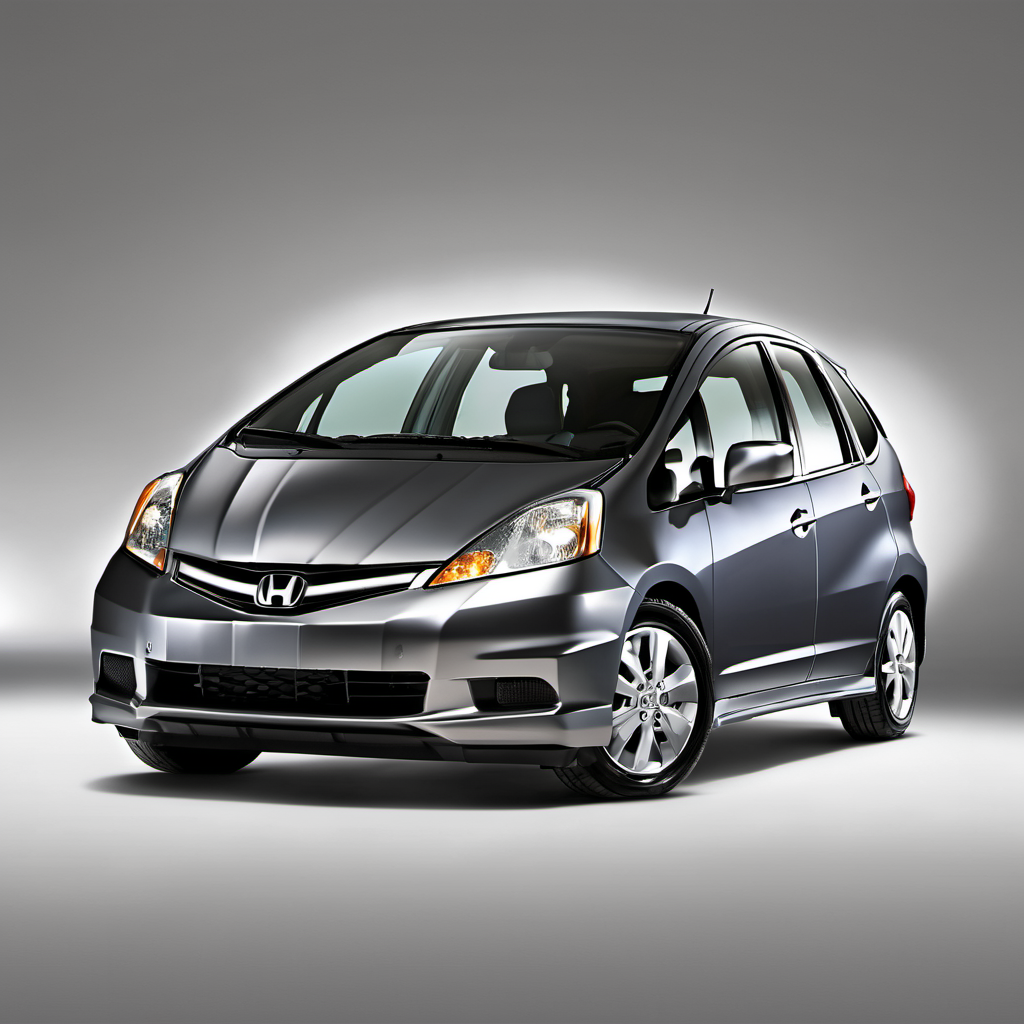
Same segment, similar price, comparable fuel economy, and legendary interior flexibility. The Fit is lighter and more fuel-efficient; the xB has more cubic feet of passenger room.
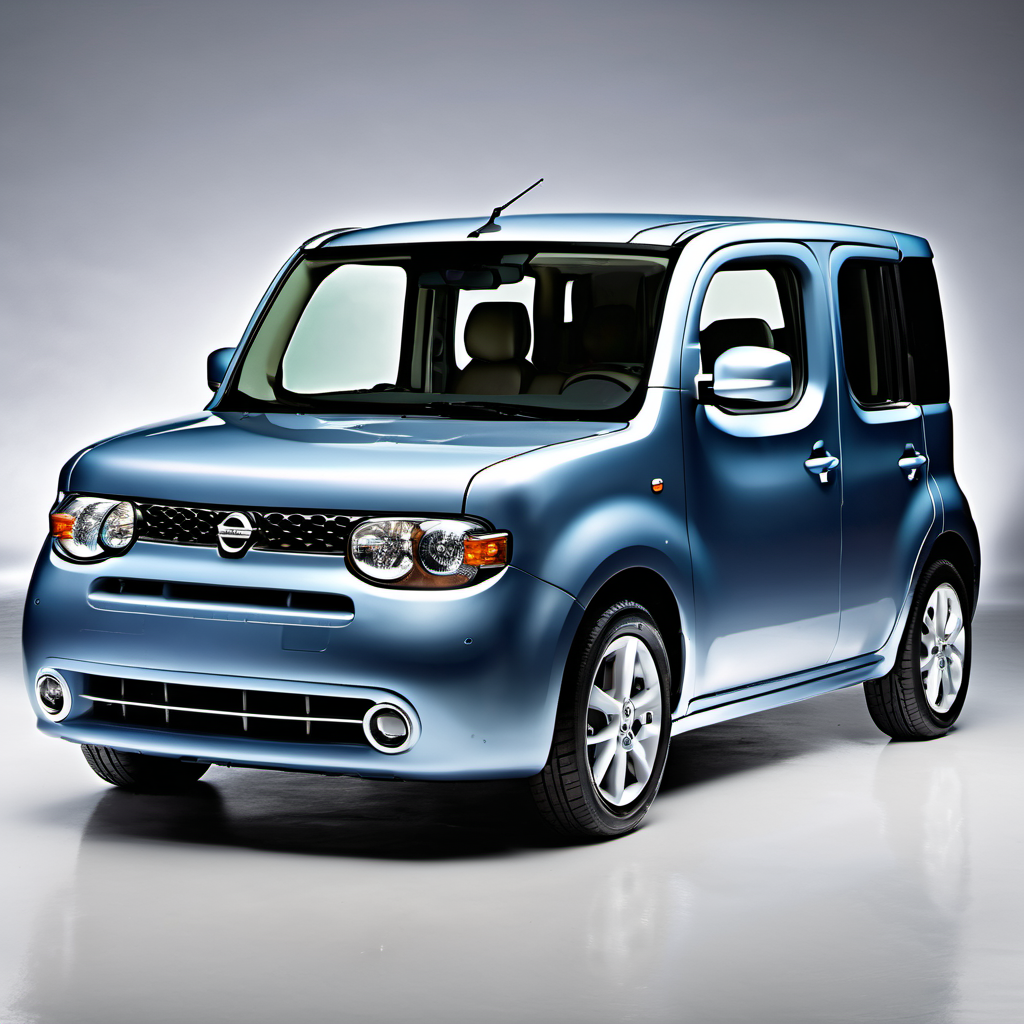
Direct competitor — also a boxy, tall, FWD urban hatchback with quirky styling and practical interior. The Cube has a slightly lower reliability track record than the xB.
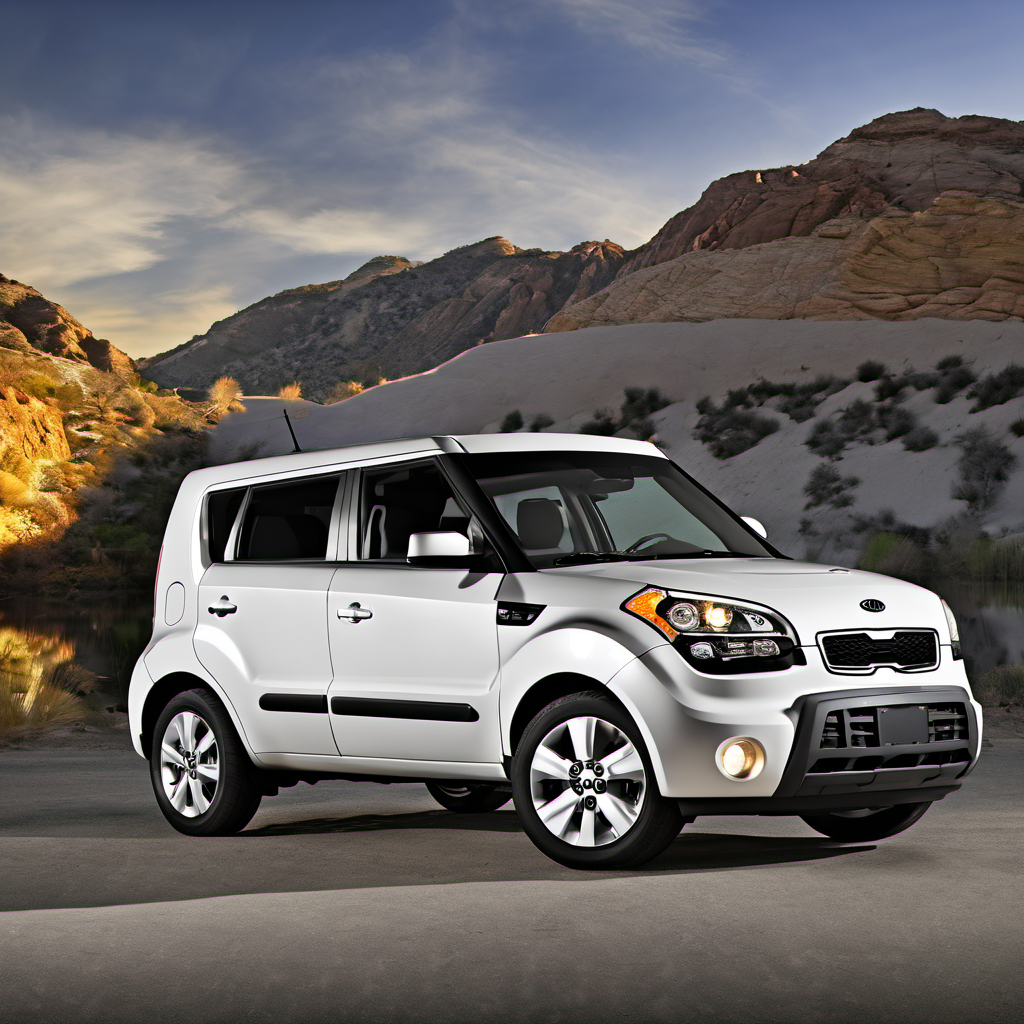
The Soul fills the same 'boxy urban hatchback' niche at a similar price point with more standard features. Slightly larger and heavier; less refined mechanically at this age.
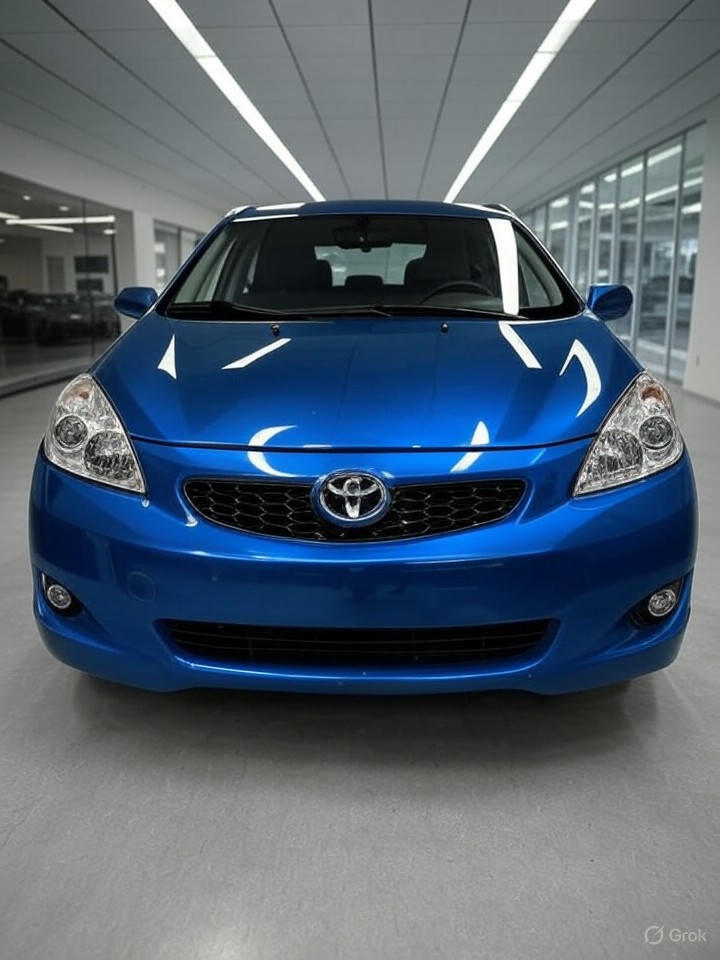
Same Toyota reliability and similar price bracket. The Matrix offers a wagon body with a sportier feel and available AWD — worth considering for Wisconsin winters.