EJ25 Head Gasket Failure (External Coolant Leak)
high- Typically appears
- 80–130k mi
- Estimated repair
- $1,400 – $2,200
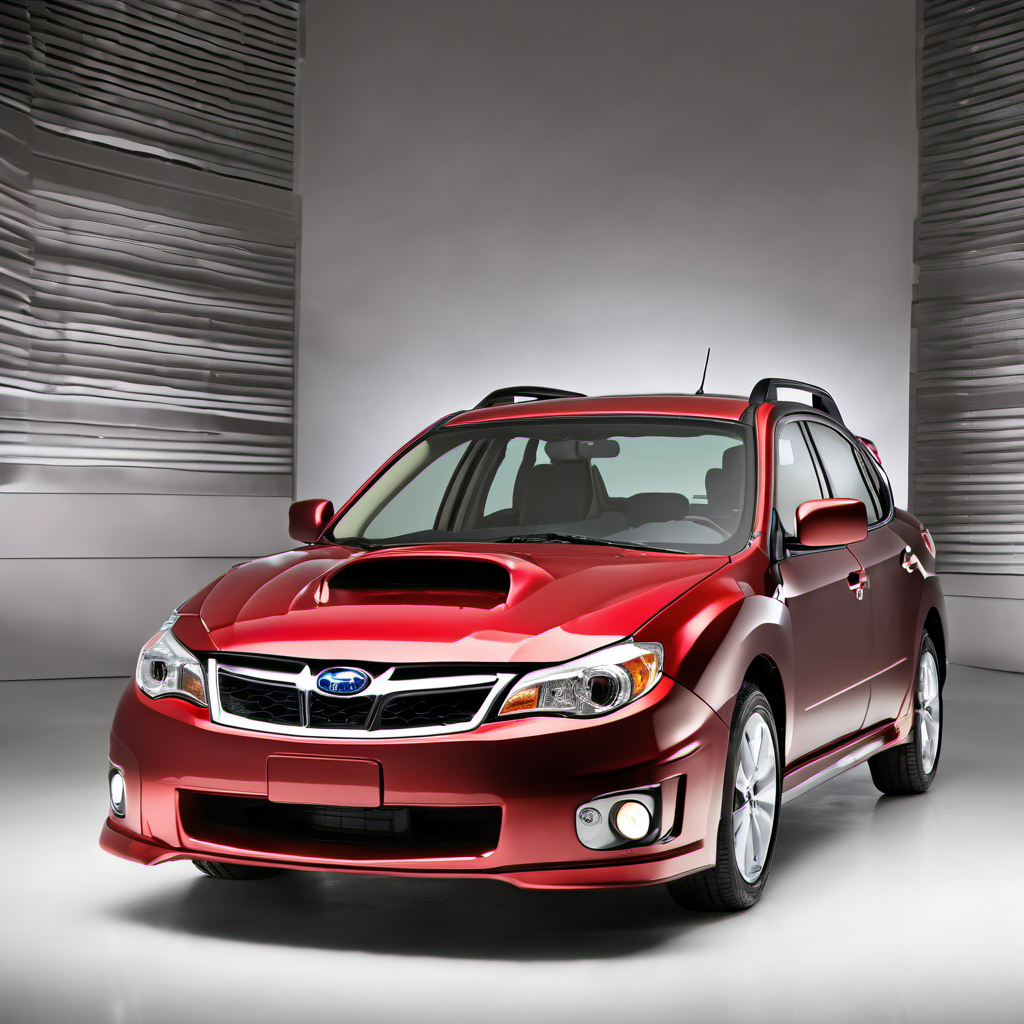
2011 Subaru
2.5L 4-cylinder Boxer · Wagon
The 2011 Subaru Impreza Wagon (5-door hatchback) is a compact, all-wheel-drive practical car built in Japan. Powered by Subaru's signature 2.5L horizontally-opposed (boxer) four-cylinder, it pairs everyday commuter utility with genuine AWD capability — a rare combination at this price point. It was a popular choice for Wisconsin and upper Midwest buyers for exactly that reason. This generation (GH/GE, 2008–2011) is the last of the third-generation Impreza before the 2012 redesign. The 5-door body gives you a hatchback's cargo flexibility with a small-car footprint. The standard 5-speed manual available in this trim keeps it engaging and reliable, though the automatic is more common in the wild. The main ownership challenge on this engine is head gasket integrity — a well-documented issue across Subaru's 2.5L EJ25 non-turbo engines of this era. It doesn't affect every car, but it affects enough of them that any used example deserves a thorough inspection before purchase. Beyond that known weakness, these cars are competent, long-lived daily drivers when maintained properly.
The 2011 Subaru Impreza Wagon (5-door hatchback) is a compact, all-wheel-drive practical car built in Japan. Powered by Subaru's signature 2.5L horizontally-opposed (boxer) four-cylinder, it pairs everyday commuter utility with genuine AWD capability — a rare combination at this price point. It was a popular choice for Wisconsin and upper Midwest buyers for exactly that reason. This generation (GH/GE, 2008–2011) is the last of the third-generation Impreza before the 2012 redesign. The 5-door body gives you a hatchback's cargo flexibility with a small-car footprint. The standard 5-speed manual available in this trim keeps it engaging and reliable, though the automatic is more common in the wild. The main ownership challenge on this engine is head gasket integrity — a well-documented issue across Subaru's 2.5L EJ25 non-turbo engines of this era. It doesn't affect every car, but it affects enough of them that any used example deserves a thorough inspection before purchase. Beyond that known weakness, these cars are competent, long-lived daily drivers when maintained properly.
The EJ25 is an interference engine — a broken belt causes catastrophic valve and piston damage. This is non-negotiable. Always replace the water pump at the same time since it's driven by the belt and labor is already open.
The EJ25 is sensitive to oil quality and level. Subaru recommends 5W-30; in Wisconsin winters, this weight provides good cold-start protection. Low oil accelerates head gasket seeping and camshaft wear. Check the level at every fill-up on higher-mileage cars.
EJ25 head gaskets on this generation commonly seep externally before failing internally. Have a shop pressure-test the cooling system and inspect for oily residue around the gasket seam at every major service.
Subaru's blue coolant (HOAT) depletes inhibitors faster than many owners expect. Degraded coolant accelerates corrosion on the aluminum block and head — a direct contributor to gasket failure.
Subaru's AWD system relies on proper fluid viscosity in the rear differential and transfer case. Neglected fluid causes binding during tight turns and premature differential wear — both expensive repairs.
Wisconsin's road salt works into brake hardware and calipers. Fresh fluid prevents moisture-induced corrosion in the ABS module and caliper bores.
The boxer layout makes plug access awkward — budget for extra labor. Don't skip; worn plugs cause misfires that are hard to distinguish from early head gasket symptoms.
Lake Geneva roads get heavily salted. Flush the undercarriage — especially the subframe cradle, control arm brackets, and fuel/brake lines — to slow rust progression that's extremely common on upper Midwest examples of this car.
Always defer to the manufacturer's service manual for warranty-mandated intervals.
The 2011 Impreza Wagon is an inexpensive car to fuel and insure. Routine maintenance is affordable. The wildcard is the EJ25 head gasket: if it hasn't been done and it goes, you're looking at $1,400–$2,200 in one shot. Budget for it proactively — treat it as a planned maintenance item on any used example over 80k miles. Timing belt service is the other must-budget item at ~$750 average. Do both right and this car can run well past 200k miles on modest annual spend.
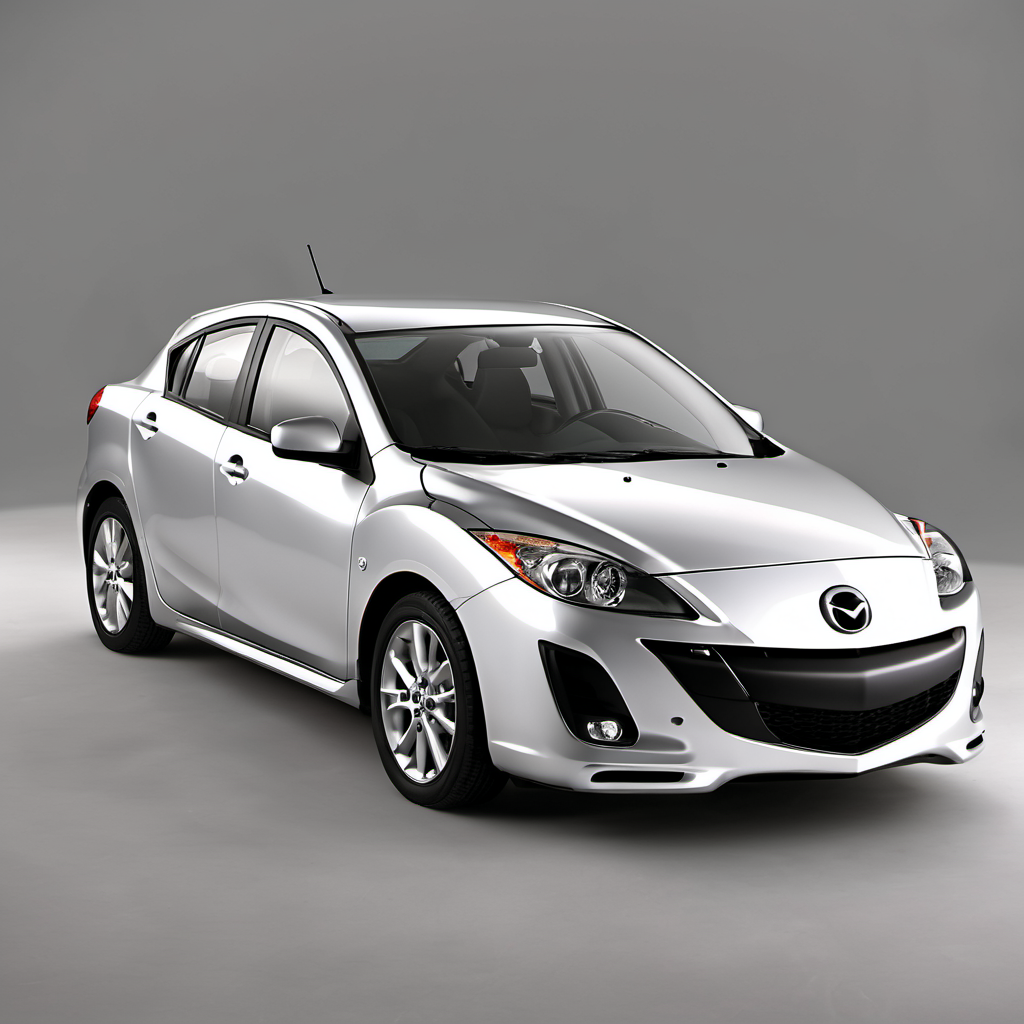
Similar size, similar price, excellent reliability record and handling. FWD only, so it doesn't match the Impreza's AWD capability, but it's a strong alternative if AWD isn't a priority and you want a cleaner ownership history.
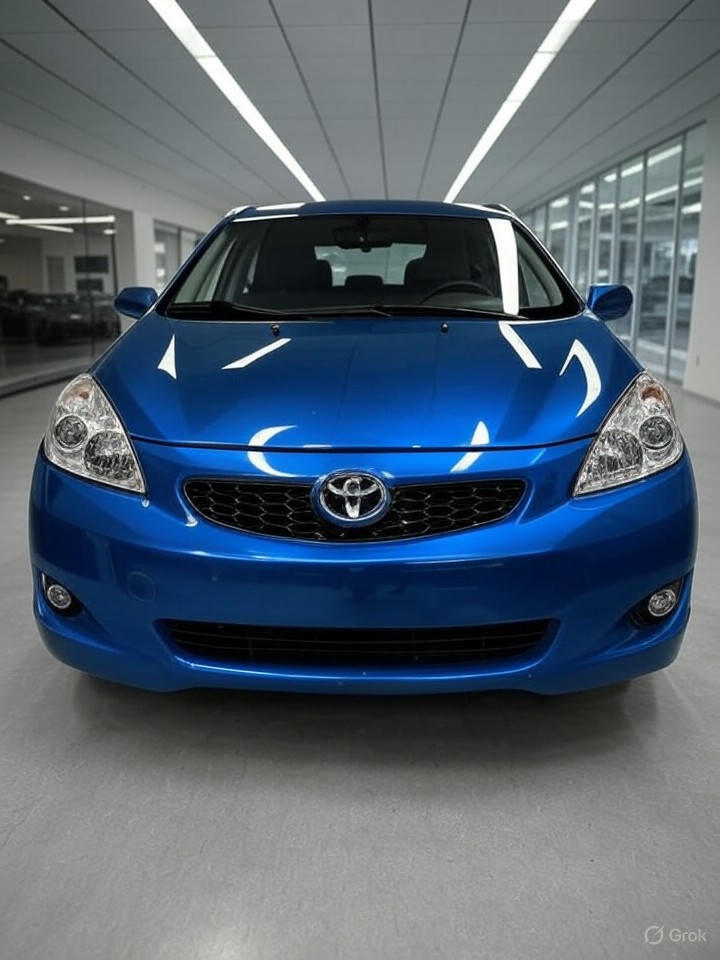
5-door practical hatchback in the same class with Toyota's well-regarded reliability. Available with AWD. Less engaging to drive but strong long-term durability track record.
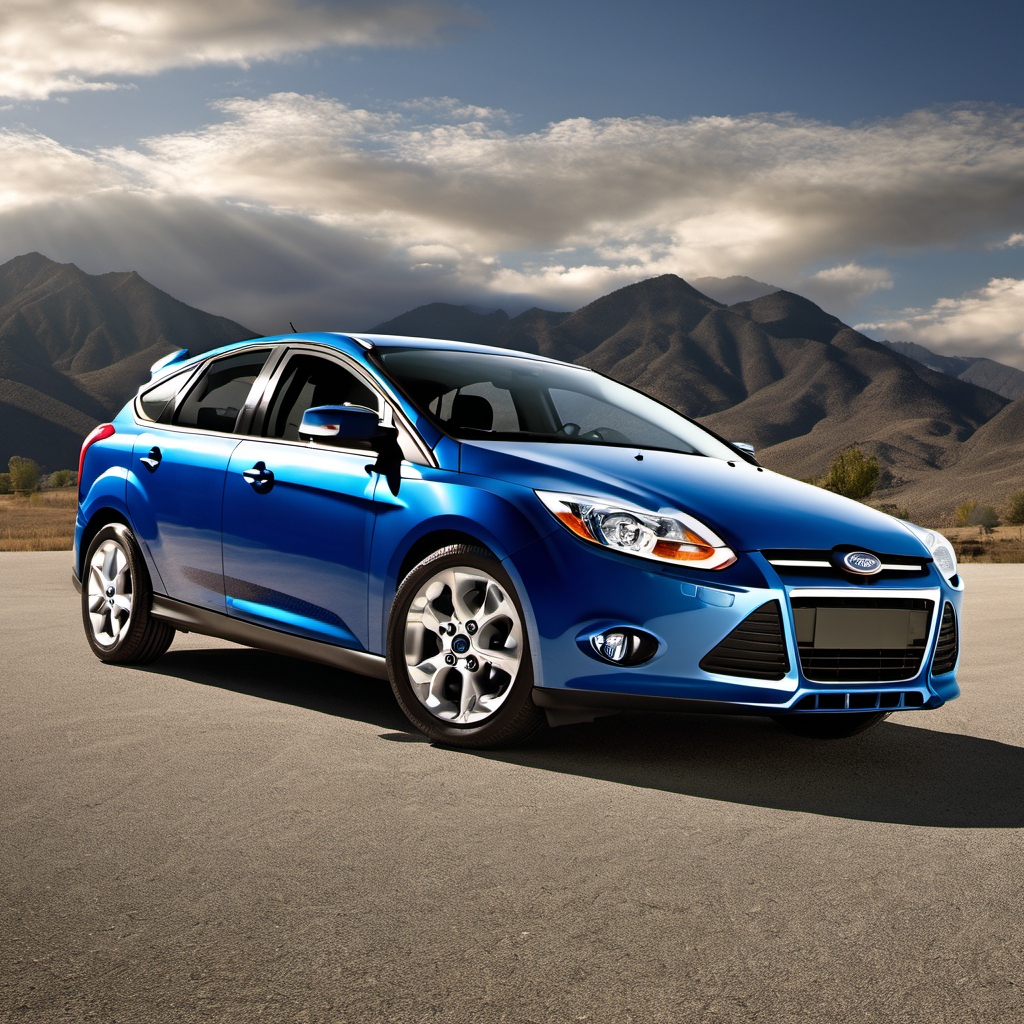
Competitive compact hatchback at similar used pricing. Good fuel economy and ride quality. FWD only and the dual-clutch automatic on some trims had known issues — spec the manual or base auto.
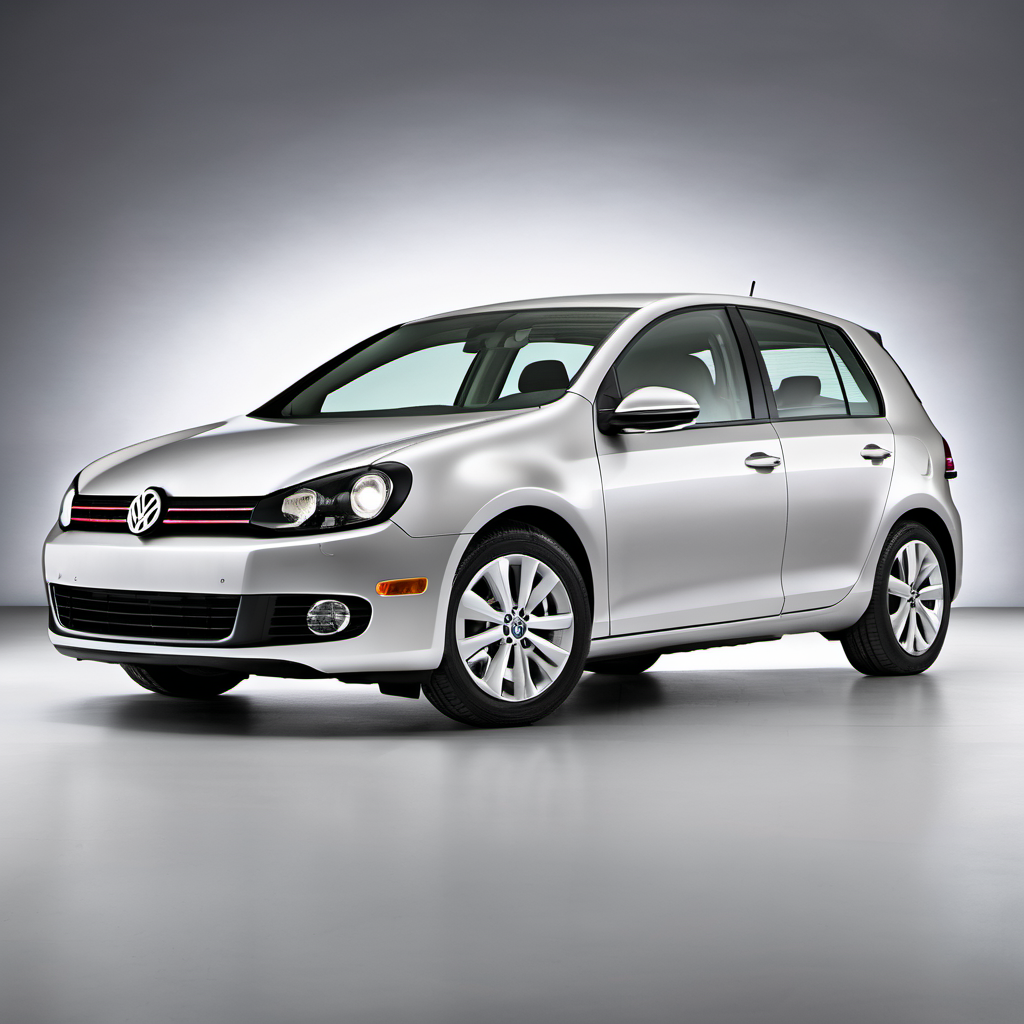
Hatchback with strong driving dynamics and available 4Motion AWD. Higher-quality interior feel than the Impreza. Ownership costs are noticeably higher and it requires premium fuel on most trims — budget accordingly.