Frame and underbody rust
high- Typically appears
- 60k+ mi (all ages in rust-belt regions)
- Estimated repair
- $500 – $3,000
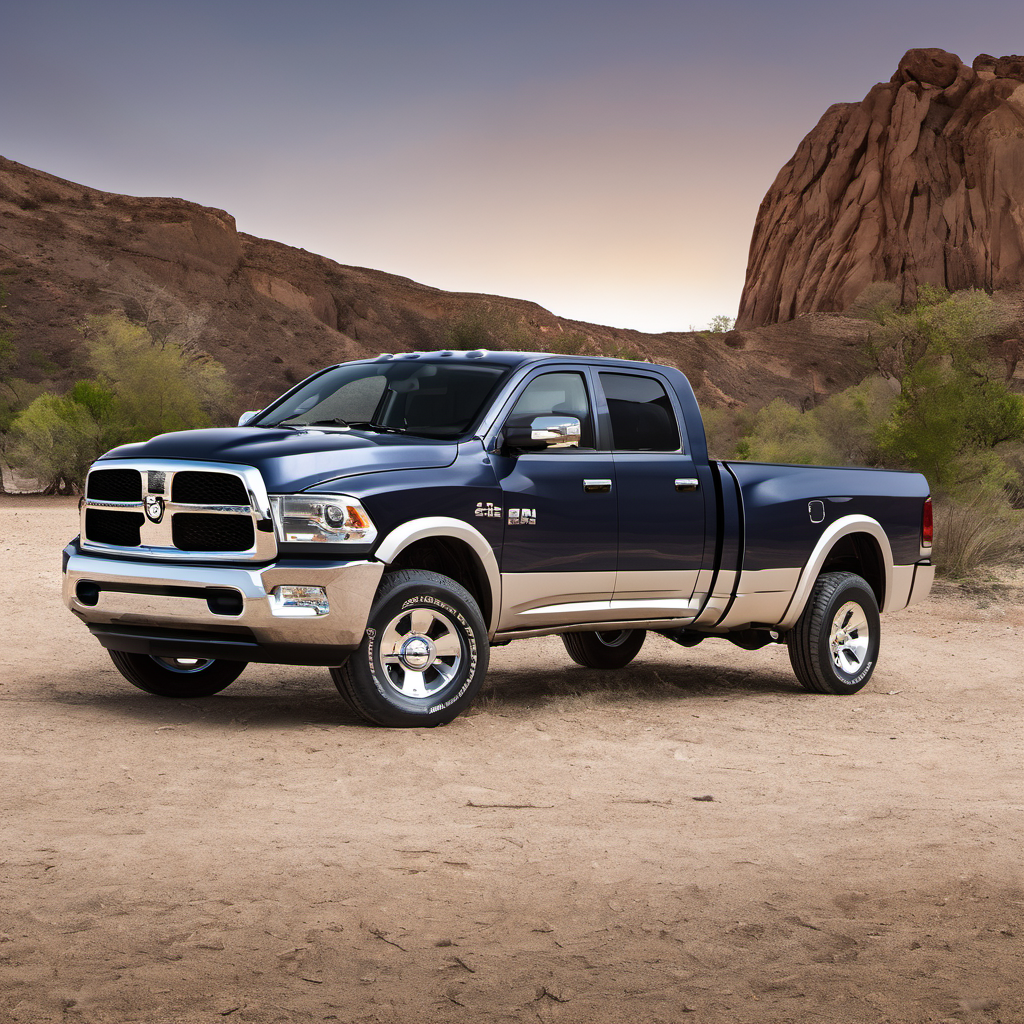
2011 Ram
3.7L V6 · Pickup
The 2011 Ram Dakota is a mid-size pickup that was in its final model year before Ram discontinued the nameplate. Originally a Dodge Dakota, it was rebadged as a Ram Dakota for 2011. It slots between compact and full-size trucks, offering a useful combination of car-like maneuverability and genuine truck capability. The extended cab body adds a small rear seating area and extra storage behind the front seats. Powered by a 3.7L V6 or the optional 4.7L V8, the Dakota is a workhorse-grade truck with a traditional body-on-frame construction. It tows more than most mid-sizers of its era and hauls a full short bed of cargo without complaint. The ride is firm and truck-like — not a commuter cruiser, but confidence-inspiring on rough roads and light off-road terrain. Because 2011 was the last production year, parts and dealer support have thinned out over time, but the platform is mechanically shared with the Dodge Durango and earlier Ram 1500, so drivetrain components remain broadly available. For buyers wanting a capable, no-frills mid-size truck with V8 option, the Dakota still makes sense — but rust inspection is critical on any surviving Wisconsin example.
The 2011 Ram Dakota is a mid-size pickup that was in its final model year before Ram discontinued the nameplate. Originally a Dodge Dakota, it was rebadged as a Ram Dakota for 2011. It slots between compact and full-size trucks, offering a useful combination of car-like maneuverability and genuine truck capability. The extended cab body adds a small rear seating area and extra storage behind the front seats. Powered by a 3.7L V6 or the optional 4.7L V8, the Dakota is a workhorse-grade truck with a traditional body-on-frame construction. It tows more than most mid-sizers of its era and hauls a full short bed of cargo without complaint. The ride is firm and truck-like — not a commuter cruiser, but confidence-inspiring on rough roads and light off-road terrain. Because 2011 was the last production year, parts and dealer support have thinned out over time, but the platform is mechanically shared with the Dodge Durango and earlier Ram 1500, so drivetrain components remain broadly available. For buyers wanting a capable, no-frills mid-size truck with V8 option, the Dakota still makes sense — but rust inspection is critical on any surviving Wisconsin example.
The 4.7L V8 is prone to oil sludge buildup when oil changes are skipped or delayed. Sludge blocks oil passages and accelerates cam and valve train wear. Use the manufacturer-specified viscosity and do not go beyond 5k miles on conventional oil.
The 4-speed automatic runs hotter under tow loads. Fresh fluid extends clutch pack life significantly. Burnt or dark fluid is an early warning sign of transmission stress.
Old gear oil breaks down and accelerates gear and bearing wear. Especially important if the truck has been used off-road or in deep snow.
Wisconsin road salt is the top killer of Dakota frames and brake/fuel lines. Catching surface rust early and treating it costs a fraction of what frame rot repair runs.
Steel brake and fuel lines corrode from the inside of bends first. A failed brake line is a safety emergency. Replace any lines showing white salt crust or pitting.
Cold cranking amps drop sharply in sub-zero temps. A battery that seems fine in summer can fail to start the truck at -10°F. The 4.7L V8 especially needs a strong battery on cold mornings.
Degraded coolant loses freeze protection and becomes acidic, corroding the aluminum intake manifold and water pump. Critical in Wisconsin's climate extremes.
Worn plugs on the Dakota V6/V8 cause rough idle and reduced fuel economy. The V6 in particular is sensitive to ignition condition at cold starts.
Always defer to the manufacturer's service manual for warranty-mandated intervals.
The Dakota is inexpensive to insure and has modest routine maintenance costs. The real financial risk is deferred maintenance on the 4.7L V8 (sludge-related engine work can run $2,000–$5,000) and rust remediation. Budget for underbody work if purchasing a high-mileage Wisconsin example. Parts are still available but some OEM components command a premium due to the discontinued nameplate.
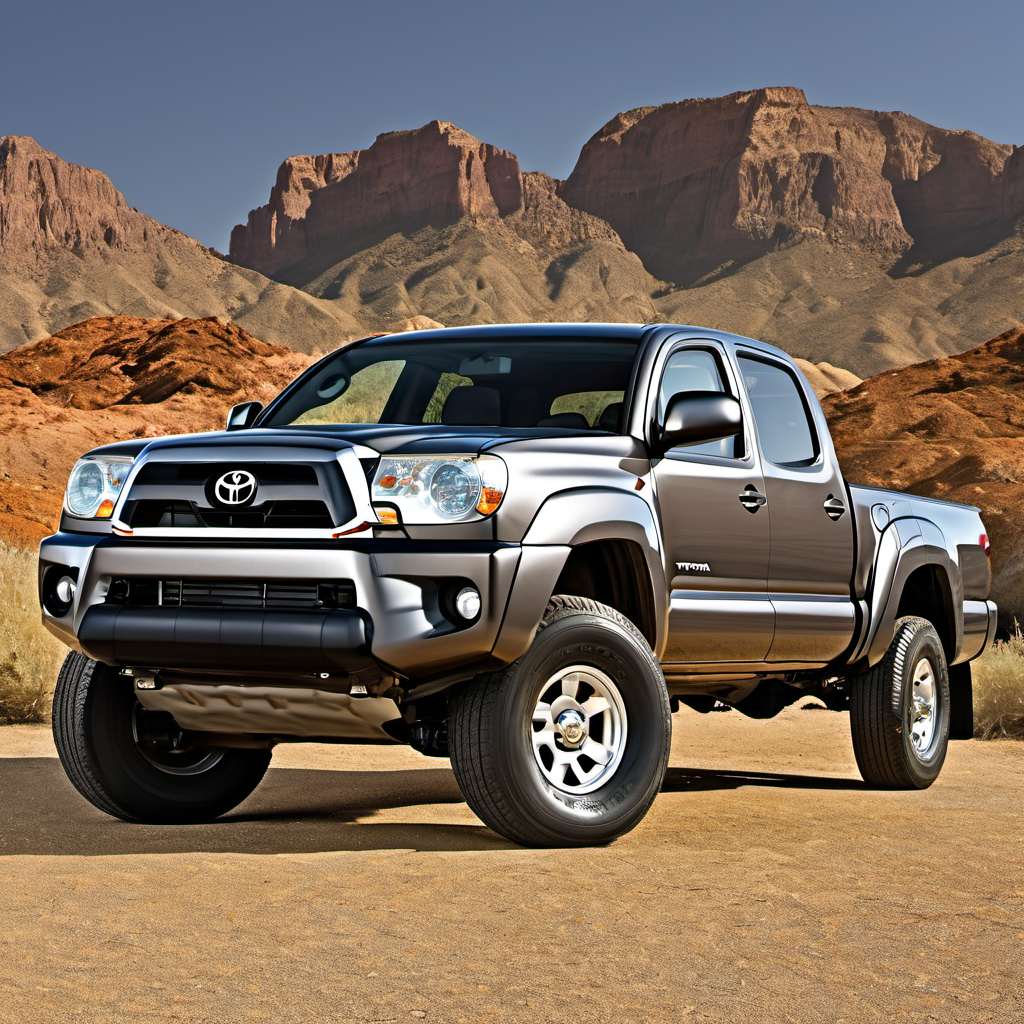
The benchmark mid-size truck of the era. Better long-term reliability and stronger resale, but no V8 option and typically costs more used.
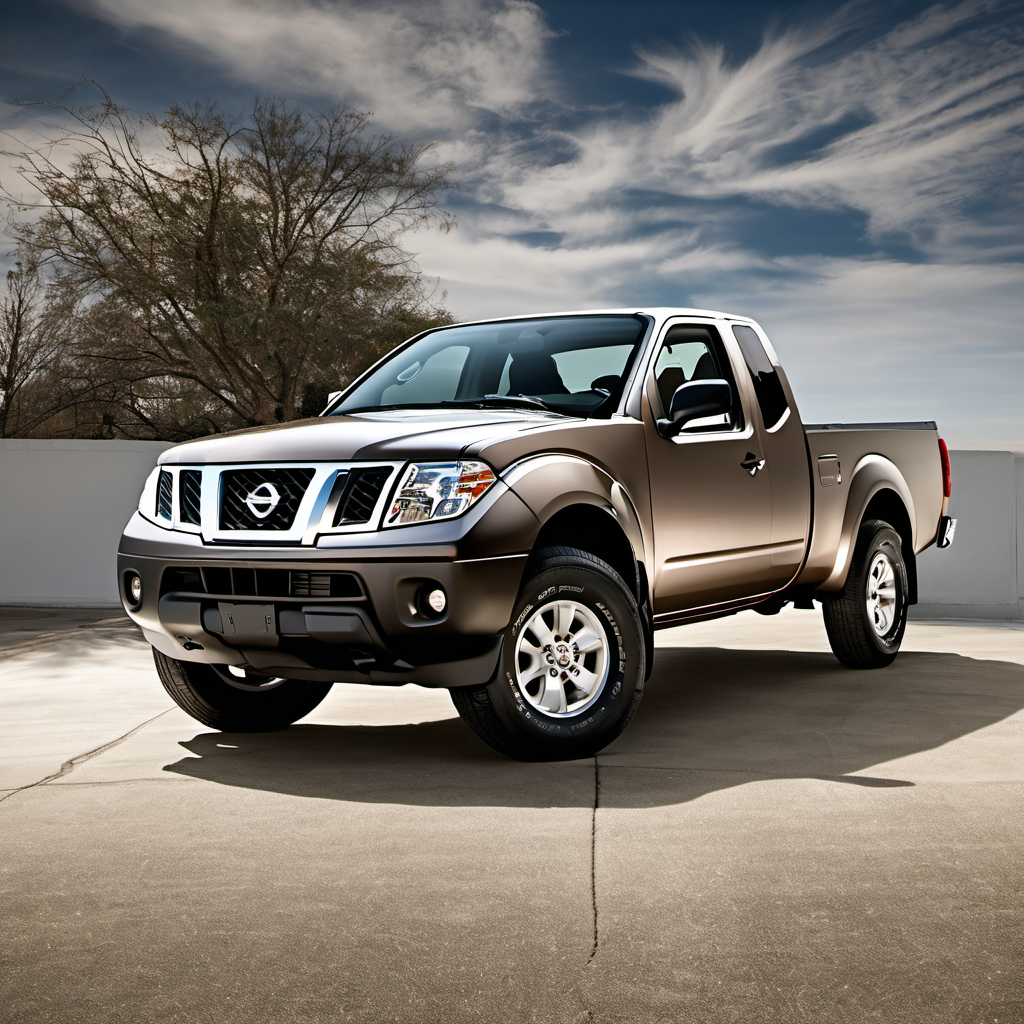
Similar size and price bracket, also body-on-frame with V6/V8 options. Simpler mechanically, with a stronger parts-availability track record.

GM's mid-size competitor; similar towing capacity and inline-5 or V8 powertrain options. Also discontinued shortly after, so comparable parts/support challenges.
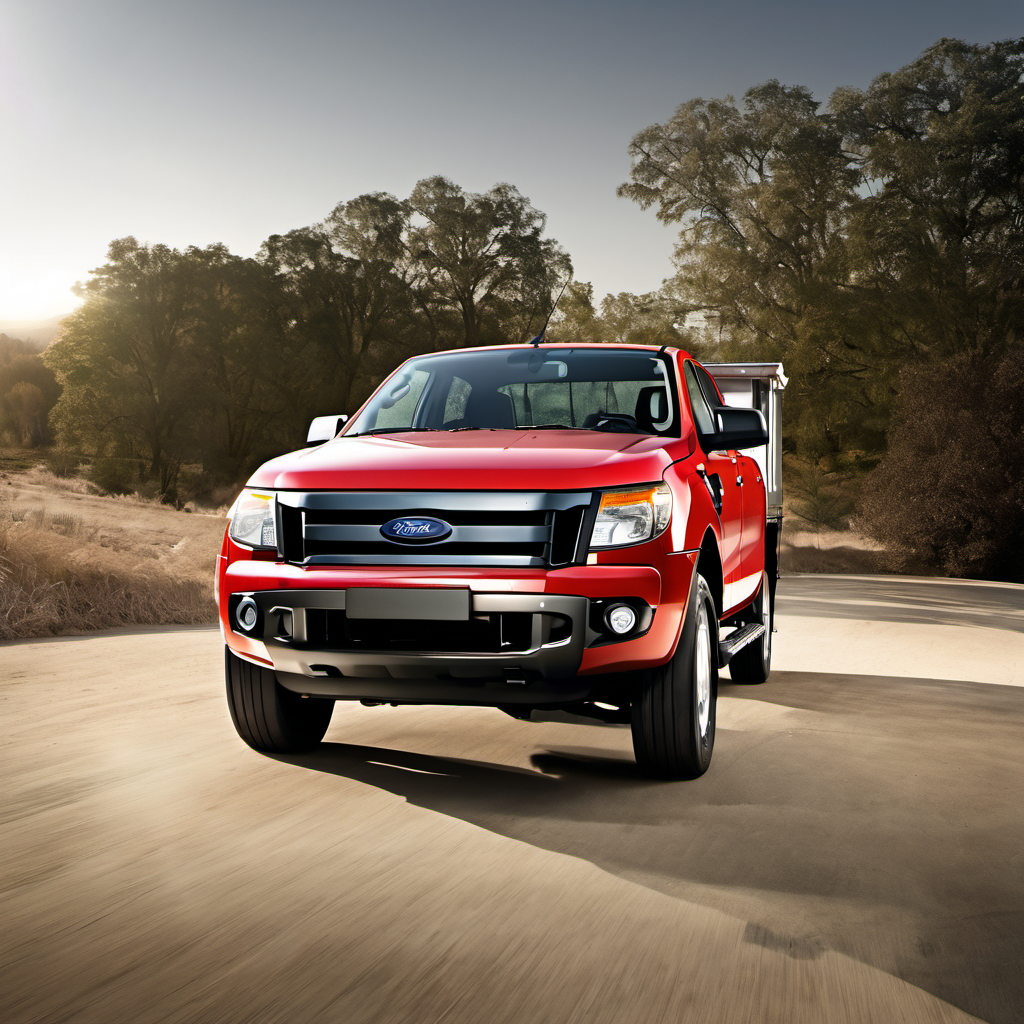
Smaller footprint than the Dakota, lighter-duty, but simpler mechanically and with a huge parts and service network. Also in its final year of U.S. production for the generation.