4.7L V8 timing chain stretch / sludge buildup
high- Typically appears
- 80–150k mi
- Estimated repair
- $800 – $2,200
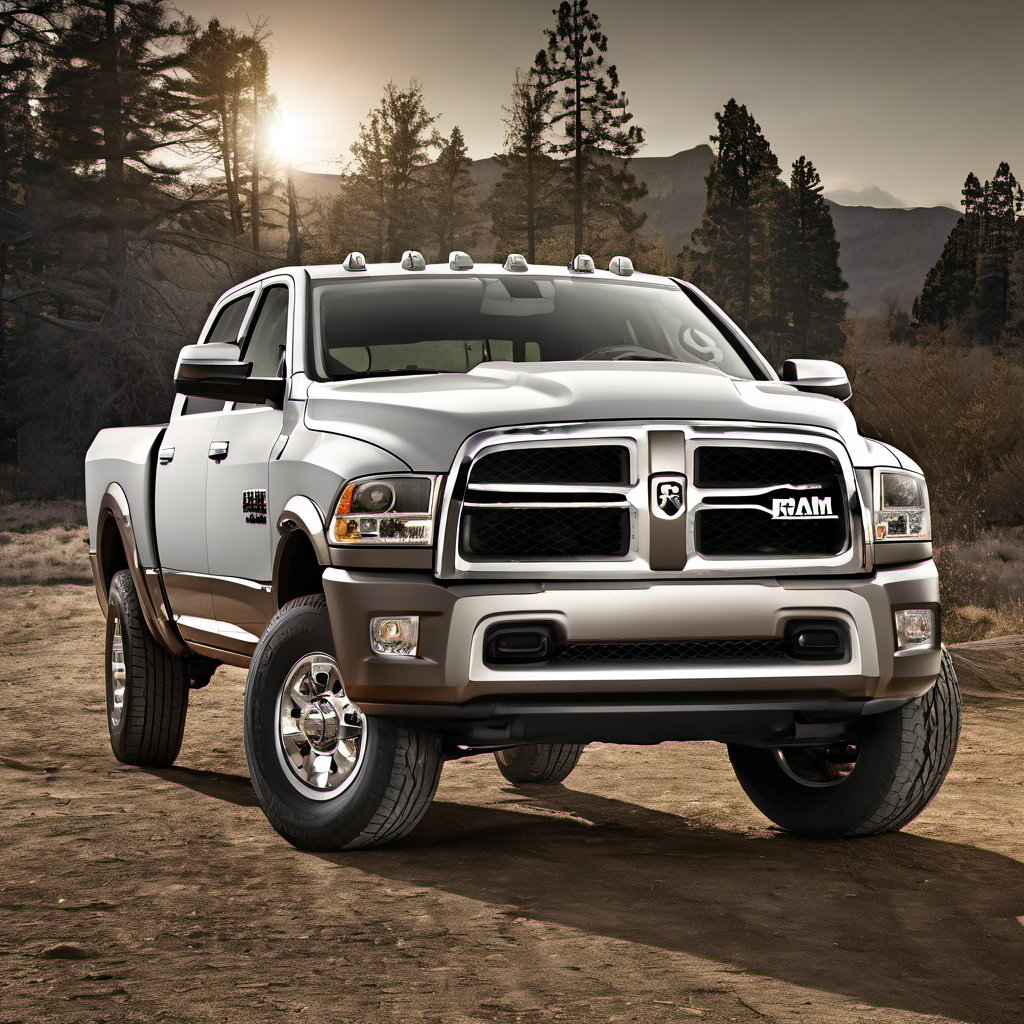
2011 Ram
4.7L V8 · Pickup
The 2011 Ram Dakota Crew Cab is the final model year of the mid-size Dakota nameplate, which Chrysler/Ram discontinued after 2011. It occupies the shrinking middle ground between a compact and full-size pickup, offering genuine truck capability — including a V8 option and 4WD — in a slightly more maneuverable package than a Ram 1500. The Crew Cab body gives you four real doors and a usable back seat, making it viable for small families who still need to tow or haul. Under the hood, most Dakotas from this era came with the 4.7L V8, though a 3.7L V6 was also available. Both engines are proven Chrysler powerplants shared with the Durango and Grand Cherokee, which means parts availability is solid even years after production ended. The 4-speed automatic is robust but dated by modern standards. Buying a last-year model of a discontinued truck has a tradeoff: no new-production replacement parts will ever be made, but by now the weak parts are well-known and the aftermarket has had time to catch up. If you find a clean one, it can be a capable, relatively affordable mid-size hauler — but rust and deferred maintenance are real concerns on any 14-year-old truck in the upper Midwest.
The 2011 Ram Dakota Crew Cab is the final model year of the mid-size Dakota nameplate, which Chrysler/Ram discontinued after 2011. It occupies the shrinking middle ground between a compact and full-size pickup, offering genuine truck capability — including a V8 option and 4WD — in a slightly more maneuverable package than a Ram 1500. The Crew Cab body gives you four real doors and a usable back seat, making it viable for small families who still need to tow or haul. Under the hood, most Dakotas from this era came with the 4.7L V8, though a 3.7L V6 was also available. Both engines are proven Chrysler powerplants shared with the Durango and Grand Cherokee, which means parts availability is solid even years after production ended. The 4-speed automatic is robust but dated by modern standards. Buying a last-year model of a discontinued truck has a tradeoff: no new-production replacement parts will ever be made, but by now the weak parts are well-known and the aftermarket has had time to catch up. If you find a clean one, it can be a capable, relatively affordable mid-size hauler — but rust and deferred maintenance are real concerns on any 14-year-old truck in the upper Midwest.
The 4.7L is prone to sludge when oil intervals are pushed. Frequent changes are the single best thing you can do to avoid a $1,500+ timing chain job.
The 45RFE/545RFE units run hot under towing. Fresh fluid prevents clutch pack wear and slipping. Many used examples have never had this done.
Neglected transfer cases develop binding and grinding in 4WD. Easy and cheap to maintain; expensive to replace.
Worn gear oil leads to differential whine and bearing failure. Water intrusion from river crossings or deep puddles accelerates wear significantly.
Belt failure leaves you stranded. Tensioners wear out around the same interval and are cheap insurance when replacing the belt.
The 4.7L uses standard copper-tip plugs. Worn plugs cause misfires and reduce fuel economy noticeably on a truck that already drinks fuel.
OAT coolant degrades and becomes acidic, attacking the water pump and heater core. A heater core job in a Dakota crew cab is a half-day labor bill.
Lake Geneva roads are heavily salted. Annual undercoating inspection and touch-up on the frame rails and rocker seams extends the truck's structural life significantly.
Always defer to the manufacturer's service manual for warranty-mandated intervals.
Annual ownership costs are moderate for a truck in this class. Fuel is the biggest ongoing expense given the V8's appetite. Maintenance is affordable if you stay on top of it — this platform is not exotic and most independent shops know it well. The risk is deferred maintenance: a neglected timing chain or rusted frame can turn a $12,000 truck purchase into a $14,000–$16,000 money pit fast. Budget an extra $500–$1,000 in year one to address whatever the previous owner skipped.
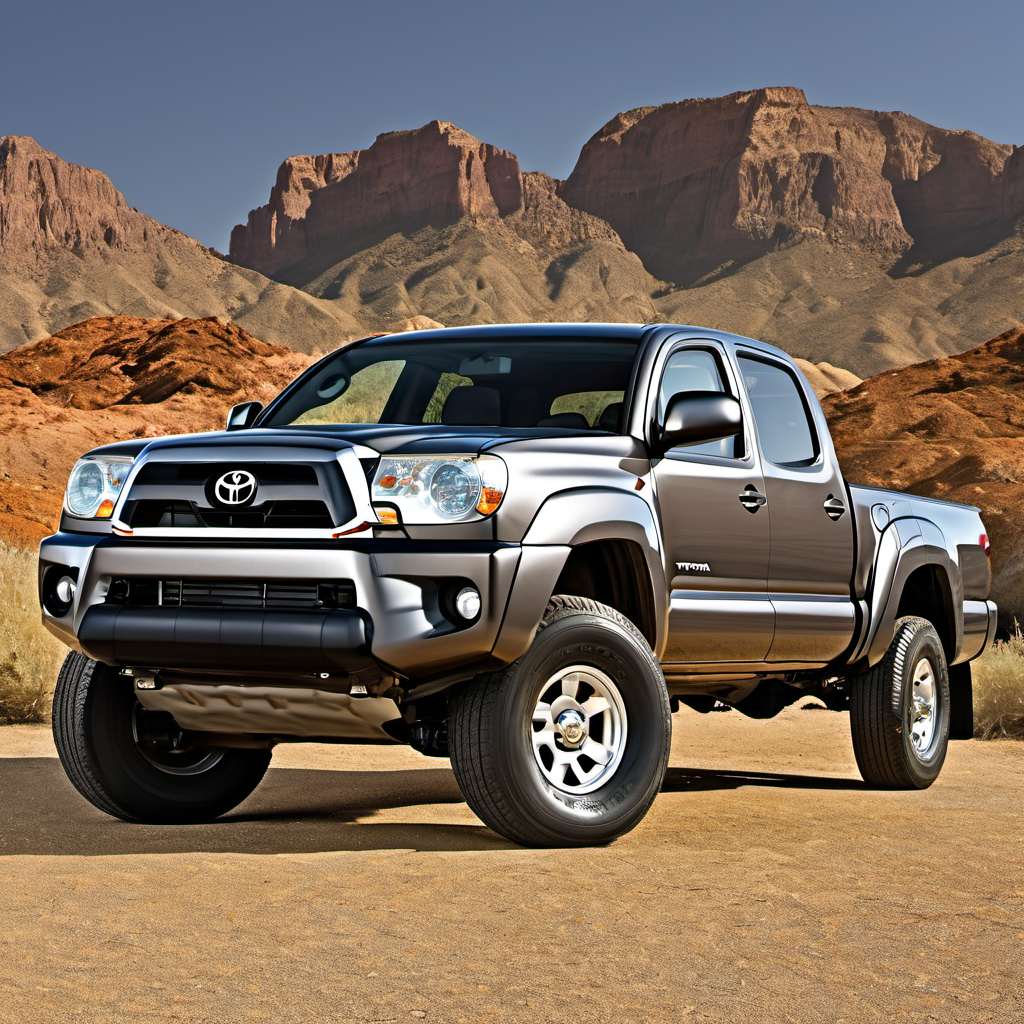
The natural comparison for any mid-size truck shopper. The Tacoma has a significantly stronger reliability reputation and much better rust resistance, though it costs more used and has less towing capacity than the Dakota V8.
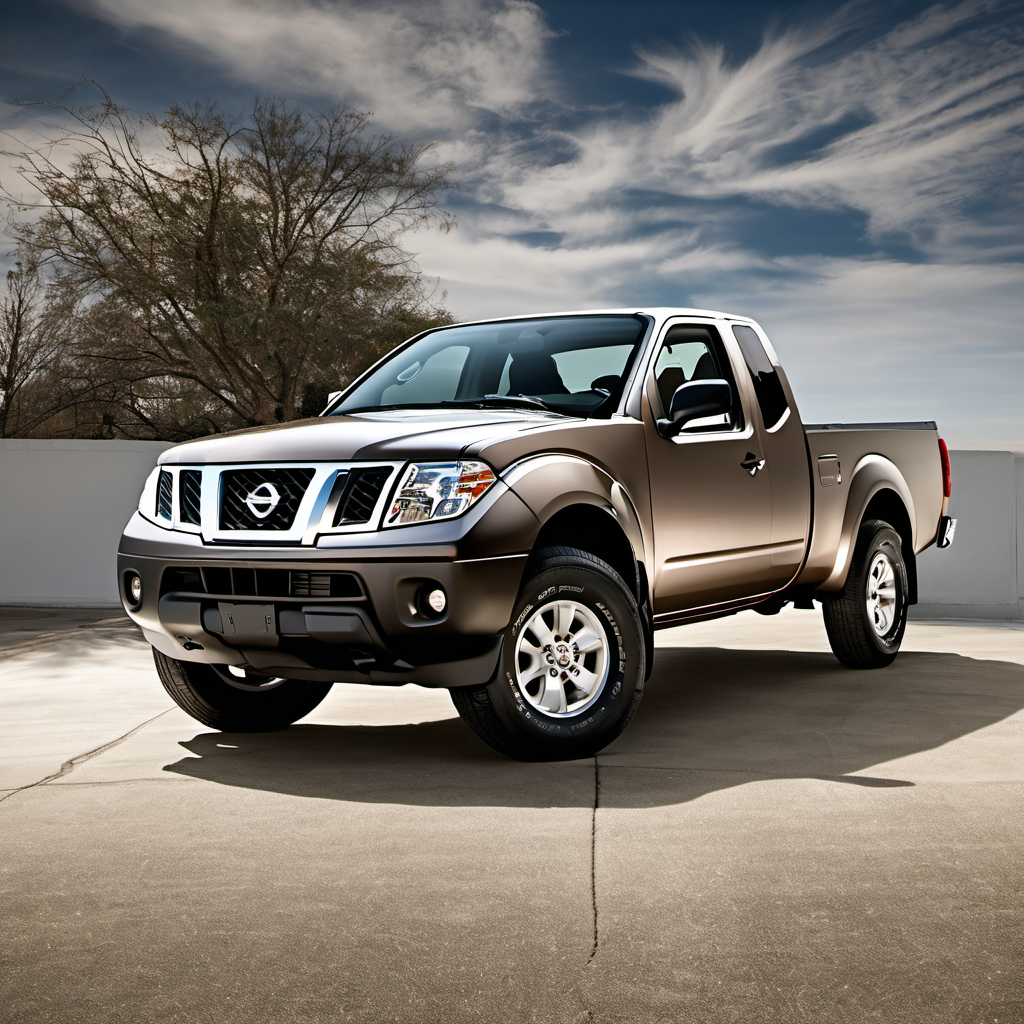
Direct mid-size competitor with the same basic mission. The Frontier's 4.0L V6 is proven and durable, and crew cab versions are comparably priced used. Less towing capacity than the Dakota V8 but generally more reliable long-term.
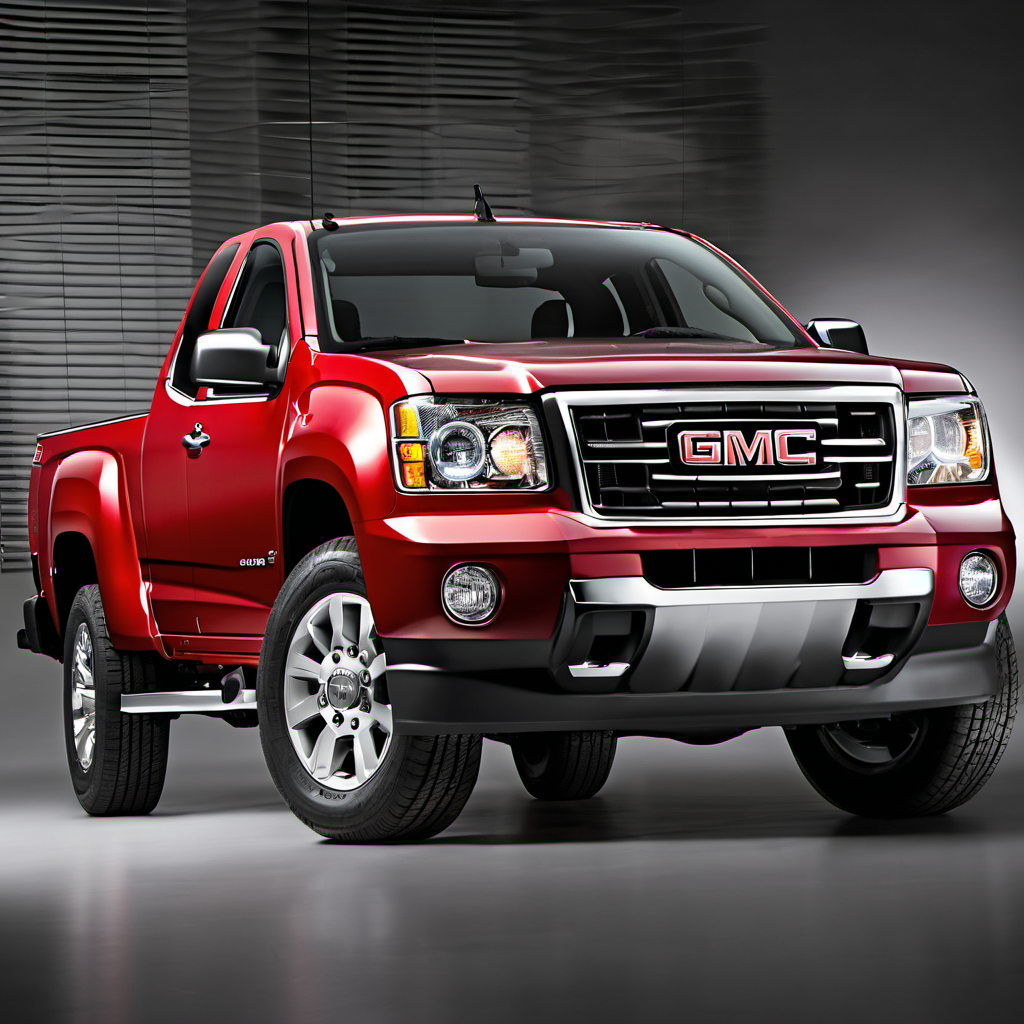
Another mid-size option from the same era. The Canyon shares its platform with the Colorado and is readily available used in the Midwest. Engine options are more modest but parts availability from GM dealers and independents is strong.
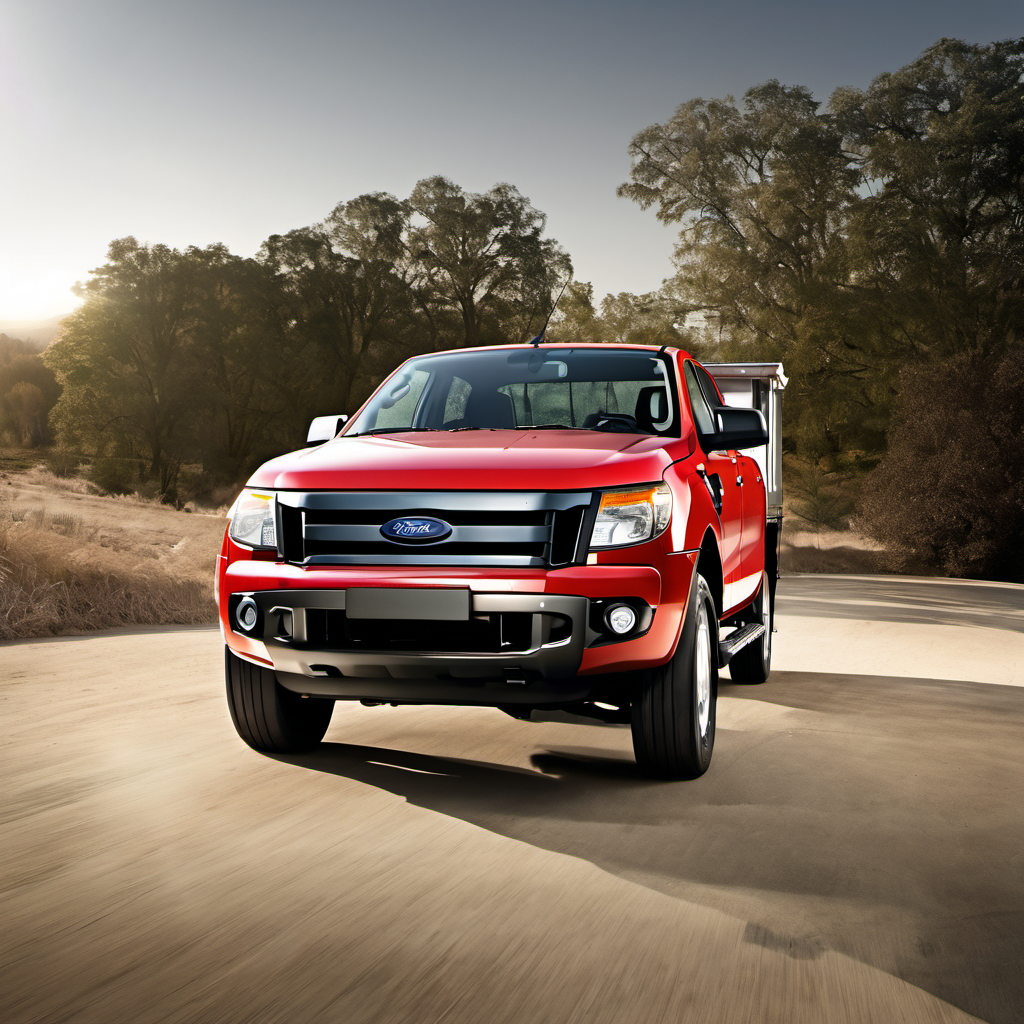
The Ranger was also in its final generation in 2011. More compact than the Dakota, with a simpler drivetrain, and has a massive aftermarket support base. Less towing capacity but famously long-lived when maintained.