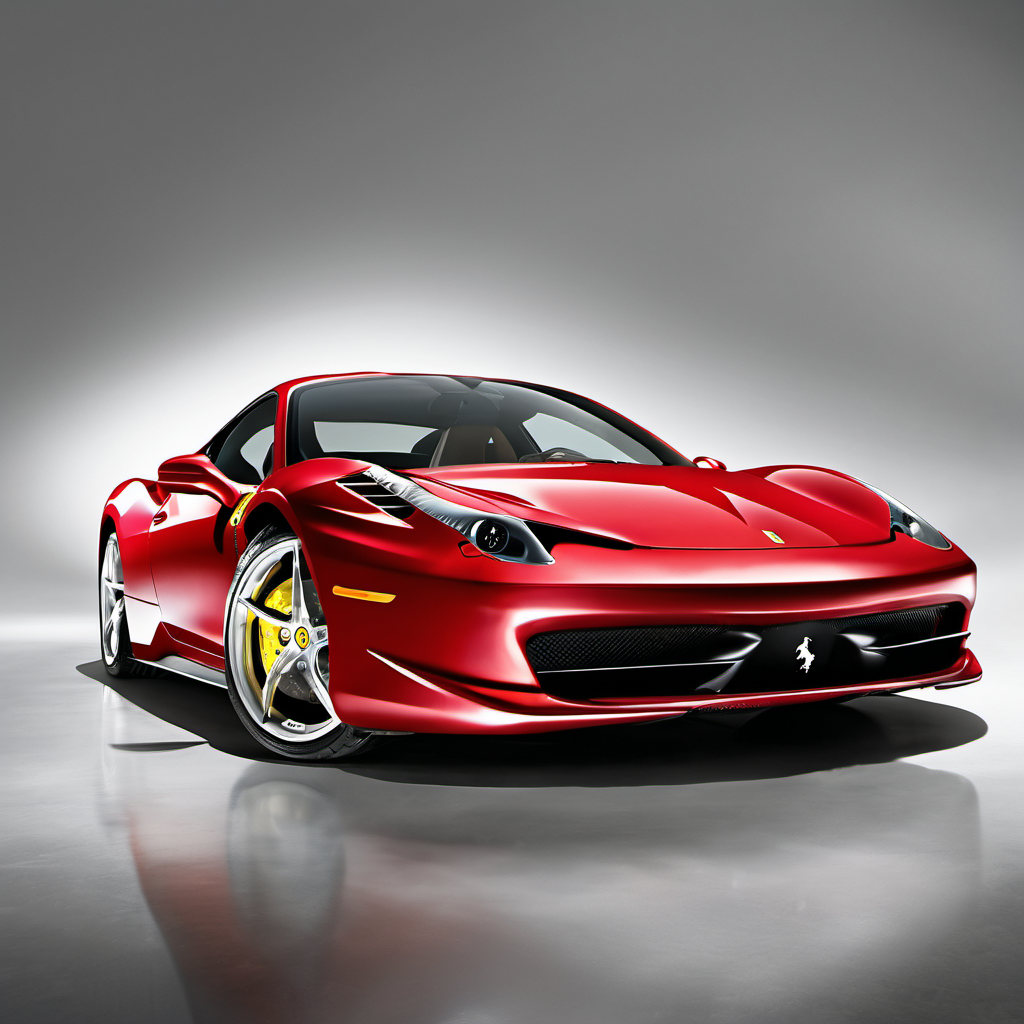
2011 Ferrari 458 Italia Coupe

2011 Ferrari

458 ItaliaCoupe

Coupe

The 2011 Ferrari 458 Italia is a mid-engine, rear-wheel-drive exotic sports car built around a naturally aspirated 4.5-liter flat-plane-crank V8 that revs to 9,000 RPM. It replaced the F430 and represented a major technological leap for Ferrari at the time — aluminum spaceframe chassis, dual-clutch paddle-shift gearbox, and a aerodynamics package developed in conjunction with Pininfarina. It is widely considered one of the finest analog-feel supercars of its era. The 458 is a purpose-built performance machine, not a grand tourer or daily driver. Every system — suspension, gearbox, steering, cooling — is engineered around track-capable performance rather than commuter convenience. That means ownership demands are high: specialized service intervals, premium fluids, and a dealer or highly qualified independent shop for most repairs. For a Wisconsin owner, this car requires serious seasonal management. It was not designed for road salt, sub-zero starts, or potholed winter roads. Most 458 owners in cold climates store the car from November through April and use a dedicated battery tender and climate-controlled space. If you plan to drive it year-round in Lake Geneva, budget significantly more for corrosion protection and inspections.

Reliability
3/5
Verified data
Specs shown for 458 Italia — the most common configuration. Other trims may vary in engine, drivetrain, or fuel economy. Sign in to see your vehicle's exact specs.
Engine
[object Object]
Drivetrain
RWD
Fuel
Premium gasoline
MPG
12 city / 18 hwy / 14 combined
Seats
Doors
Body
Two Seaters

Overview

AI-curated

The 2011 Ferrari 458 Italia is a mid-engine, rear-wheel-drive exotic sports car built around a naturally aspirated 4.5-liter flat-plane-crank V8 that revs to 9,000 RPM. It replaced the F430 and represented a major technological leap for Ferrari at the time — aluminum spaceframe chassis, dual-clutch paddle-shift gearbox, and a aerodynamics package developed in conjunction with Pininfarina. It is widely considered one of the finest analog-feel supercars of its era. The 458 is a purpose-built performance machine, not a grand tourer or daily driver. Every system — suspension, gearbox, steering, cooling — is engineered around track-capable performance rather than commuter convenience. That means ownership demands are high: specialized service intervals, premium fluids, and a dealer or highly qualified independent shop for most repairs. For a Wisconsin owner, this car requires serious seasonal management. It was not designed for road salt, sub-zero starts, or potholed winter roads. Most 458 owners in cold climates store the car from November through April and use a dedicated battery tender and climate-controlled space. If you plan to drive it year-round in Lake Geneva, budget significantly more for corrosion protection and inspections.

Known for
  • 9,000 RPM 4.5L V8 with spine-tingling exhaust note
  • Razor-sharp dual-clutch paddle-shift transmission
  • Stunning Pininfarina bodywork with functional aerodynamics
  • Exceptional chassis balance and driver feedback
  • Strong collector and residual value
Best for
  • Driving enthusiasts who want a track-capable weekend car
  • Collectors seeking a modern Ferrari classic
  • Owners with access to climate-controlled storage
  • Drivers comfortable with specialized exotic maintenance
Watch for
  • Early fire risk from heat shield / fuel line recall (check recall completion status)
  • High service costs — major service every 3 years or 18,750 miles
  • Carbon ceramic brakes (CCMR) are extremely expensive to replace
  • Flat-plane crank V8 is sensitive to oil quality and change intervals
  • Not a car to defer maintenance on — skipped services compound quickly

Common issues by mileage

6 known

Engine Bay Fire Risk — Heat Shield / Adhesive (Recall)

medium
Typically appears
0–30k mi
Estimated repair
$0 – $500

Oxygen / A-F Sensor Heater Circuit Failure

medium
Typically appears
30–70k mi
Estimated repair
$400 – $1,200

DCT Dual-Clutch Transmission Clutch Wear / Shudder

medium
Typically appears
20–50k mi
Estimated repair
$4,000 – $12,000

Carbon Ceramic Brake (CCMR) Pad and Rotor Wear

high
Typically appears
10–40k mi (track use accelerates wear)
Estimated repair
$5,000 – $20,000

Maintenance schedule

  1. 1
    Every 12 months or 9,375 miles, whichever comes first Engine oil and filter change

    The flat-plane V8 runs extremely hot and at very high RPM. Ferrari-spec 5W-40 full synthetic is required. Extending oil intervals risks accelerated wear on the camshaft lobes and VVT actuators.

  2. 2
    Every 3 years or 18,750 miles Major service (spark plugs, belts, fluids, fuel filter, brake fluid)

    Ferrari's scheduled major service is comprehensive and non-optional. Deferred services void goodwill coverage and allow small issues to compound into engine damage.

  3. 3
    Every 2 years regardless of mileage Brake fluid flush

    Hygroscopic brake fluid absorbs moisture over time. On a car with CCMR brakes and high thermal loads, degraded fluid dramatically increases fade risk.

  4. 4
    Every 3 years or at major service DCT transmission fluid change

    The dual-clutch unit is sensitive to fluid degradation. Fresh fluid prevents clutch shudder and protects internal wear surfaces.

  5. 5
    Any time the car will sit more than 2 weeks Battery tender connection during storage

    The 458's electronics draw a constant parasitic load. A dead or sulfated battery can corrupt ECU memory and cause difficult-to-diagnose faults on startup.

  6. 6
    Monthly and before every track day Tire pressure check and inspection

    The 458 runs staggered tire sizes (front 235/35ZR20, rear 295/35ZR20) at specific pressures. Incorrect pressure affects handling balance dramatically and accelerates tire wear.

  7. 7
    Every spring after winter storage Underbody and wheel well inspection for corrosion

    Even stored cars can suffer if road salt is carried in from driving before storage. The aluminum structure resists corrosion well, but steel fasteners and brake components do not.

  8. 8
    One-time check — do it before driving the car Confirm NHTSA recall completion (fire risk)

    Early 2010–2011 458s were subject to a fuel/heat shield fire recall. Verify completion via VIN at NHTSA.gov or a Ferrari dealer before operating the vehicle.

Always defer to the manufacturer's service manual for warranty-mandated intervals.

Cost of ownership

Annual maintenance
$3,000 – $8,000
Fuel
Premium 91+ octane only. At 14 MPG combined and average driving, expect $3,000–$5,000/year in fuel. Track use will significantly increase this.
Insurance
Specialty exotic auto insurance is strongly recommended over standard auto policies. Annual premiums for agreed-value coverage typically run $3,000–$6,000 depending on storage location, annual mileage, and driving record.

The 458 Italia is one of the less expensive exotics to maintain at the entry level — until something breaks. Routine annual costs (oil service, tires, minor items) run $3,000–$5,000 at a qualified independent. A major 3-year service is $4,000–$8,000. Carbon ceramic brakes, clutch replacement, or any engine-internal work can each exceed $10,000–$20,000 in a single visit. Budget a dedicated emergency fund of $10,000–$15,000 for unexpected repairs. This is not a car to own on a tight budget.

Seasonal care

Lake Geneva, WI
Winter
  • Do not drive on salted roads — the low ground clearance (4.7 in) and aluminum/composite underbody offer very little protection from salt spray, and the carbon ceramic brakes are especially vulnerable to corrosion from brine
  • Store in a climate-controlled, heated garage if possible; the target storage temperature is above 40°F to prevent rubber seal and tire compound degradation
  • Connect a quality battery tender the moment the car goes into storage — the electronics will drain a battery in 3–4 weeks
  • Change oil before storage, not after — used oil contains acids and combustion byproducts that attack internal engine surfaces over long sits
  • Overfill tires slightly (2–3 PSI above spec) to counteract pressure loss from cold temps, and place the car on jack stands or move it periodically to prevent flat spots on performance tires
  • If the car must be driven in winter, use only a heavy-duty winter windshield washer fluid rated to at least -20°F; the low nose will collect ice and debris rapidly
Summer
  • Check tire pressure before every drive — summer heat can increase pressure by 4–6 PSI above cold readings, especially with performance tires on hot pavement
  • Monitor coolant temperature closely in stop-and-go traffic; the mid-engine layout and tight packaging mean heat soak is a real concern at low speeds or when idling
  • Inspect A/C system operation in spring before summer arrives — recharging or repairing the system mid-summer is more expensive and slower to schedule
  • After track days, perform a thorough brake inspection; summer heat combined with hard use is when CCMR pads and rotors show the most wear
  • Check and top off cooling system and ensure radiator fins are clear of bugs and debris, which accumulate quickly on summer drives and reduce cooling efficiency

Comparable vehicles

If you're shopping for one

Red flags
  • No Ferrari dealer or qualified specialist service records — walk away
  • Open fire-risk recall not completed on pre-2012 cars
  • Any evidence of undisclosed accident damage, especially rear-impact (engine is mid-rear mounted)
  • Modified exhaust, ECU tune, or any non-OEM engine modifications — voids all goodwill and complicates future service
  • Asking price well below market — 458 values have appreciated; a deal that looks too good almost certainly has a serious problem
  • Owner cannot explain the service history or says 'it didn't need it' — this engine does not tolerate deferred service
What to inspect
  • Confirm all open NHTSA recalls are completed — specifically the engine bay fire risk recall for 2010–2011 production
  • Pull a full service history; any gap in Ferrari's required service intervals is a serious red flag on this engine
  • Have a Ferrari-qualified independent technician perform a pre-purchase inspection — generic OBD scanners cannot read Ferrari-specific fault codes
  • Inspect carbon ceramic brakes closely: look for deep grooves, cracks radiating from the vents, or extreme pad wear — replacement is a five-figure expense
  • Check for evidence of track use: abnormal tire wear patterns, heat discoloration on rotors/calipers, or non-OEM safety equipment installations
  • Inspect all rubber seals, window gaskets, and the convertible roof area (if applicable) for UV and age-related cracking
  • Test all electronic modes (Manettino dial settings) and verify Sport, Race, and CT-off modes engage and disengage cleanly
  • Listen for any unusual valvetrain noise at idle and at high RPM — the flat-plane crank V8 has a distinctive exhaust note, but mechanical clatter is not normal
AI profile generated 4 days ago · claude-sonnet-4-6 · v2.