Air Suspension Failure (compressor, struts, or ride-height sensors)
high- Typically appears
- 30,000–80,000 mi
- Estimated repair
- $2,500 – $9,000
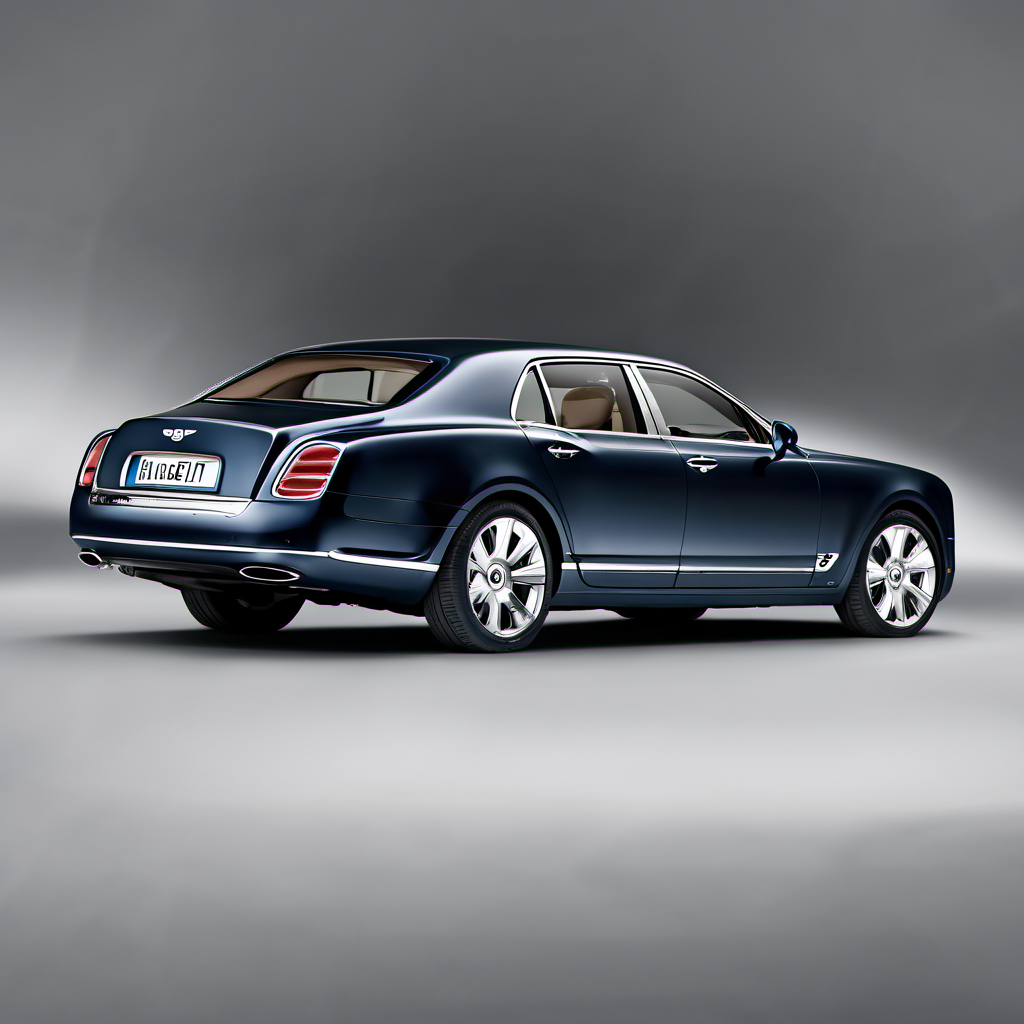
2011 Bentley
Sedan
The 2011 Bentley Mulsanne is the flagship ultra-luxury sedan from Crewe, England — the first all-new Mulsanne in over two decades, replacing the Arnage. It is hand-built in extremely low volumes (a few hundred cars per year globally), with every major surface crafted and finished by skilled artisans. The 6.75L (6.8L displacement rating) twin-turbocharged V8 is a direct descendant of an engine lineage stretching back to the 1950s, now comprehensively modernized with variable valve timing and direct injection. For its intended mission — effortless, near-silent long-distance cruising with chauffeur-grade rear-seat comfort — the Mulsanne has few peers. The interior features hand-stitched leather, real wood veneers, and more than 15 hours of craftsperson labor per car. It is a statement of occasion more than a driver's car. Ownership is expensive at every level. Parts are long lead-time from the UK, specialized tooling and Bentley's proprietary diagnostic software are required for most repairs, and even routine maintenance costs significantly more than mainstream luxury vehicles. Buyers should budget generously for ongoing upkeep and ensure a Bentley-trained shop (dealer or certified independent) is reachable.
The 2011 Bentley Mulsanne is the flagship ultra-luxury sedan from Crewe, England — the first all-new Mulsanne in over two decades, replacing the Arnage. It is hand-built in extremely low volumes (a few hundred cars per year globally), with every major surface crafted and finished by skilled artisans. The 6.75L (6.8L displacement rating) twin-turbocharged V8 is a direct descendant of an engine lineage stretching back to the 1950s, now comprehensively modernized with variable valve timing and direct injection. For its intended mission — effortless, near-silent long-distance cruising with chauffeur-grade rear-seat comfort — the Mulsanne has few peers. The interior features hand-stitched leather, real wood veneers, and more than 15 hours of craftsperson labor per car. It is a statement of occasion more than a driver's car. Ownership is expensive at every level. Parts are long lead-time from the UK, specialized tooling and Bentley's proprietary diagnostic software are required for most repairs, and even routine maintenance costs significantly more than mainstream luxury vehicles. Buyers should budget generously for ongoing upkeep and ensure a Bentley-trained shop (dealer or certified independent) is reachable.
The twin-turbo V8 builds heat quickly. Fresh oil protects the VVT system and turbo bearings, both of which are oil-pressure sensitive. Do not extend intervals — the factory 10k limit is the ceiling, not a suggestion.
This is the single most common expensive failure on aging Mulsannes. Early detection of slow leaks or a laboring compressor can prevent a multi-thousand-dollar collapse. Wisconsin road salt accelerates corrosion on metal fittings.
The 6.75L V8 has four plugs per cylinder (two sets). Neglected plugs strain ignition coils and can cause misfires. Access requires significant disassembly — combine with other engine work to save labor.
Bentley rates this fluid as 'lifetime' but in real-world high-torque use it degrades. Changing it keeps shifts crisp and protects the valve body, which is expensive to repair on this transmission.
The twin-turbo system generates significant heat. Degraded coolant can allow corrosion inside the aluminum cooling passages and turbo cooling circuits. Wisconsin freeze-thaw cycles make this especially important.
Brake fluid absorbs moisture over time. On a heavy 5,800 lb car, brake system performance is critical. Moisture-laden fluid lowers the boiling point and can accelerate caliper corrosion.
Wisconsin road salt is aggressive on aluminum and steel suspension, brake lines, and air suspension plumbing. An annual inspection and touch-up with rust inhibitor on exposed surfaces is cheap insurance on a six-figure vehicle.
The Mulsanne's electrical load is immense. Cold Wisconsin winters stress batteries hard. A failing battery can trigger a cascade of module communication faults. Keep a quality trickle charger connected during storage.
Always defer to the manufacturer's service manual for warranty-mandated intervals.
This is one of the most expensive vehicles to own outside of exotic supercars. Routine annual maintenance at an independent shop familiar with Bentley runs $3,500–$9,000 in normal years. Any unplanned repair — air suspension, VVT, turbo, infotainment — can add $2,000–$10,000 in a single visit. Parts sourcing from the UK adds both cost and lead time. Fuel, insurance, and tire costs (large bespoke sizes) compound the picture. Buyers should carry a dedicated repair reserve of at least $10,000–$15,000 and have a trusted Bentley-capable shop identified before purchase.
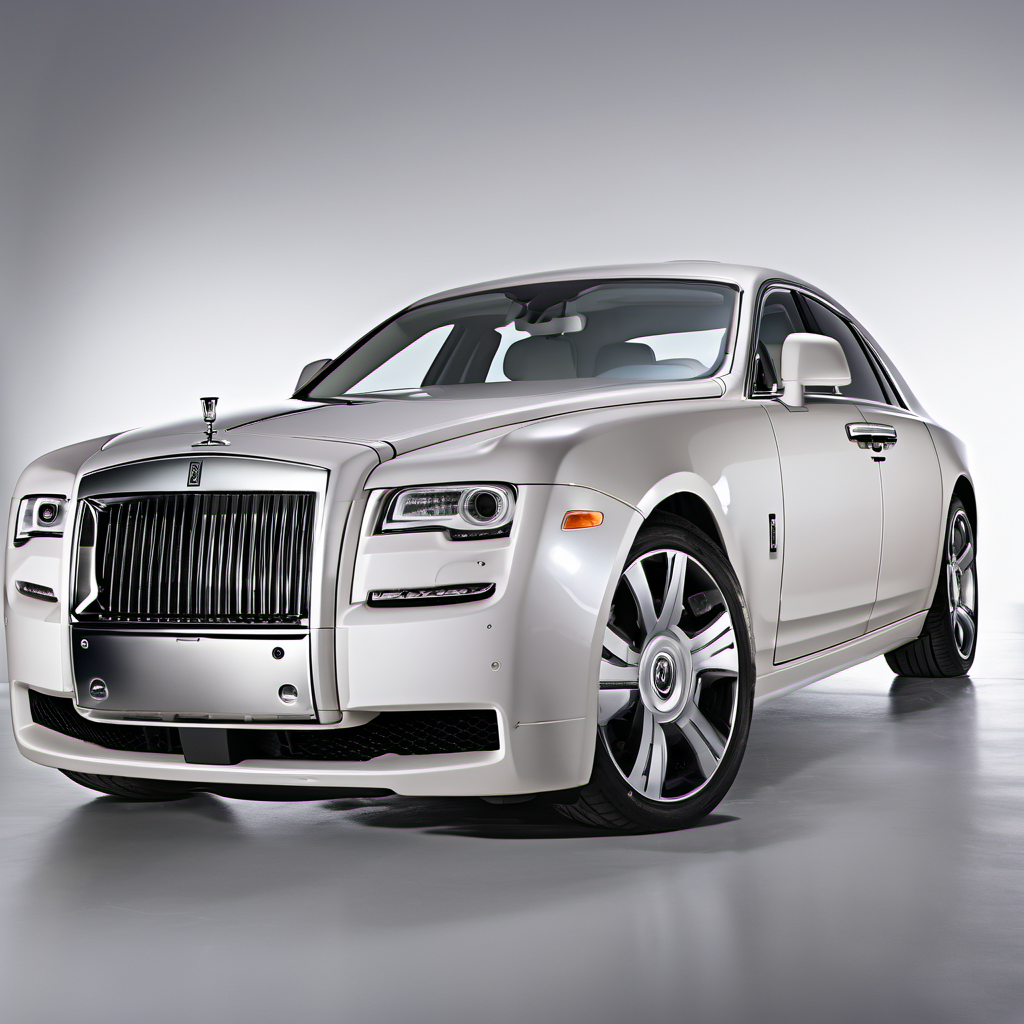
Direct ultra-luxury flagship sedan competitor — similar hand-built ethos, V12 power, chauffeur-grade rear cabin, and comparable (or higher) ownership costs.
Flagship S-Class with V12 power occupies a similar prestige-sedan mission at roughly half the Mulsanne's price, with far better parts availability and service network.
No catalog match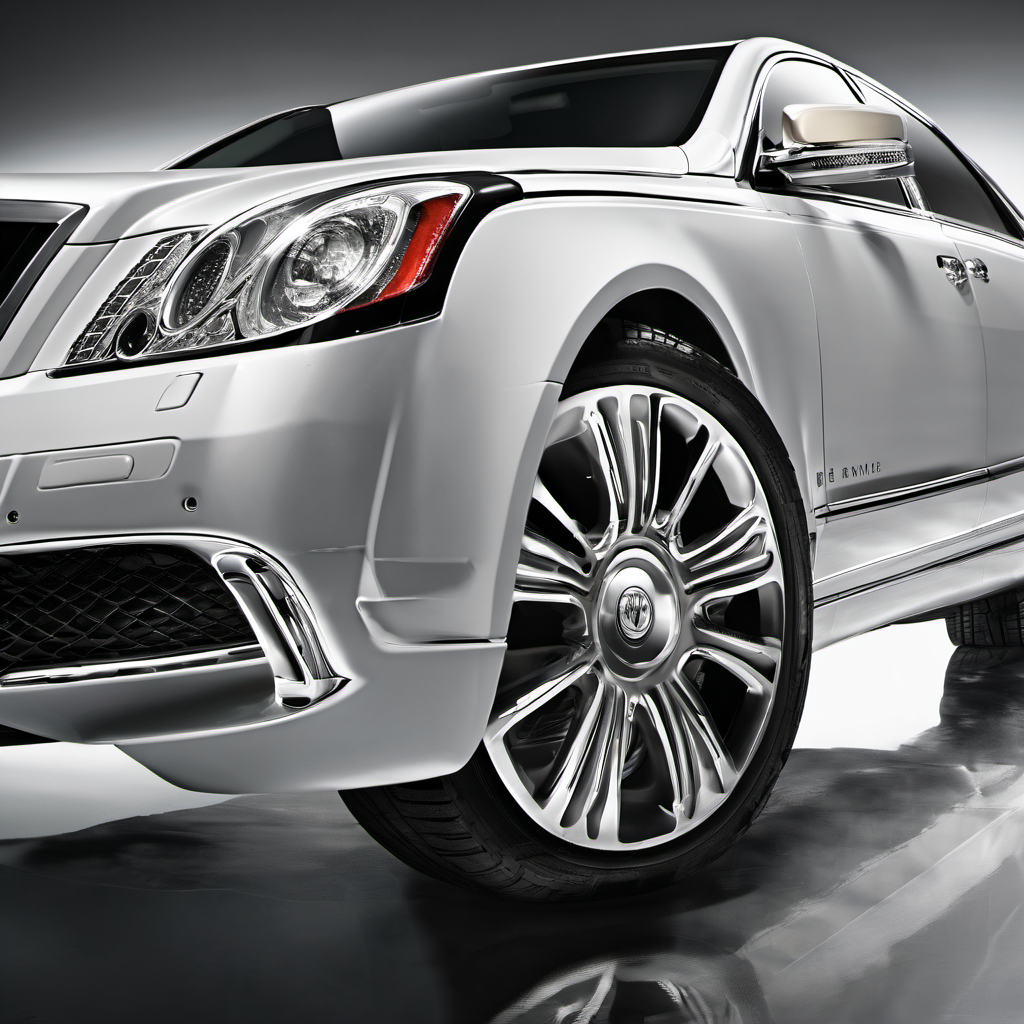
Mercedes-owned ultra-luxury long-wheelbase sedan aimed at the same chauffeur-driven prestige market, with comparable rear-cabin luxury and similarly high ownership costs.
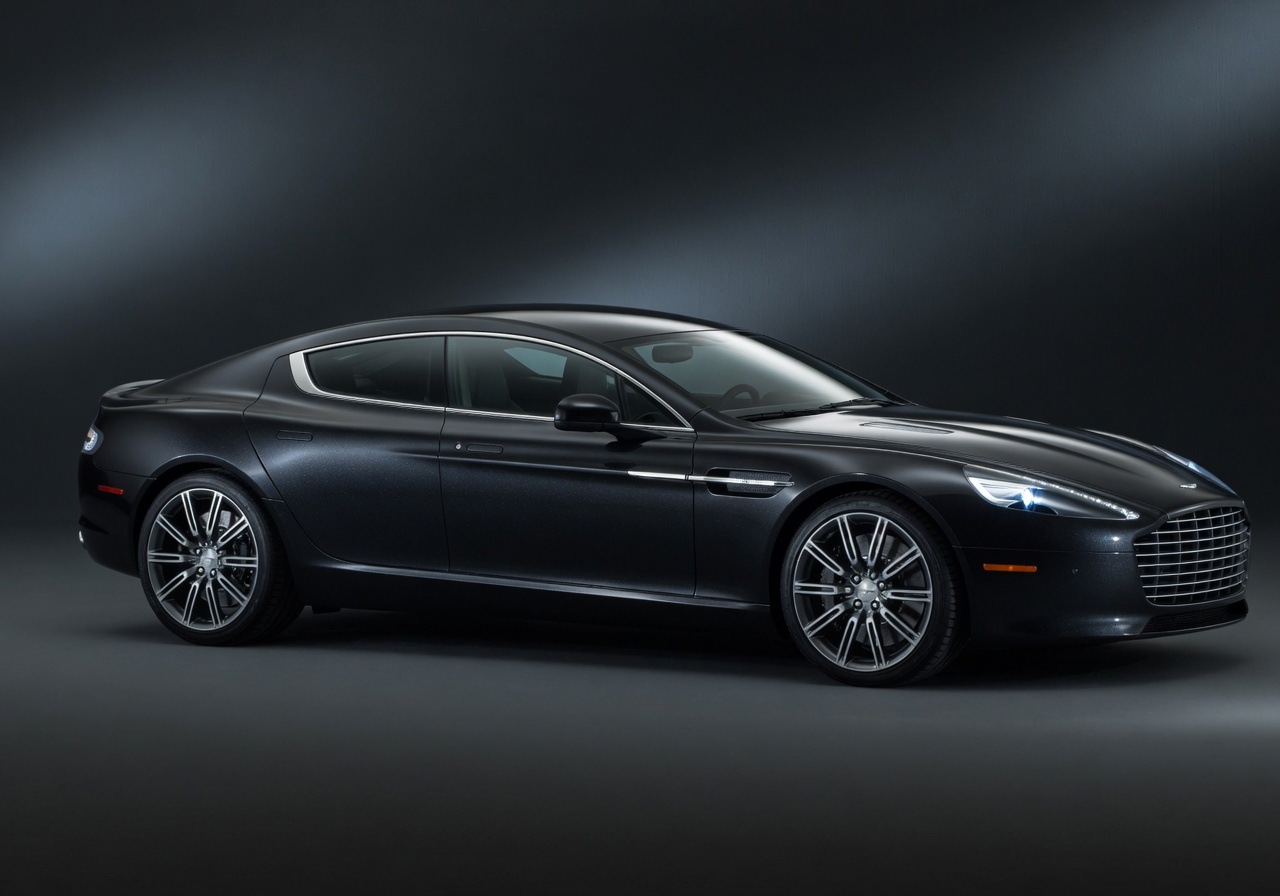
British ultra-luxury performance sedan with low production volumes, hand-finished interior, high ownership costs, and a similar buyer profile — though more driver-focused than the Mulsanne.