Touchtronic 2 Transmission Shifting Problems
high- Typically appears
- 60–90k mi
- Estimated repair
- $2,000 – $4,500
2011 Aston
5.9L V12
The 2011 Aston Martin DB9 is a hand-built British grand tourer powered by a 5.9L naturally aspirated V12. It's one of the most visually stunning cars of its era, and the driving experience — long-legged highway cruising with a genuine sports-car soul — lives up to the looks. This generation DB9 was built on Aston's VH (Vertical Horzontal) bonded aluminum platform, keeping weight down while delivering a rigid, refined structure. Owning a DB9 is a completely different proposition than owning a luxury sport sedan. Parts are expensive, specialists are rare, and almost every service item costs multiples of what you'd pay on a German or Japanese competitor. That said, owners who budget correctly and maintain it diligently report years of trouble-free driving — the V12 itself is robust when properly cared for. For a shop in the Lake Geneva area, the biggest practical concerns are winter storage (most owners wisely lay these up November–April), battery maintenance during storage, and the fact that road salt is genuinely destructive to the aluminum and carbon-fiber underpinnings. If this car is being driven year-round in Wisconsin, inspection frequency should increase significantly.
The 2011 Aston Martin DB9 is a hand-built British grand tourer powered by a 5.9L naturally aspirated V12. It's one of the most visually stunning cars of its era, and the driving experience — long-legged highway cruising with a genuine sports-car soul — lives up to the looks. This generation DB9 was built on Aston's VH (Vertical Horzontal) bonded aluminum platform, keeping weight down while delivering a rigid, refined structure. Owning a DB9 is a completely different proposition than owning a luxury sport sedan. Parts are expensive, specialists are rare, and almost every service item costs multiples of what you'd pay on a German or Japanese competitor. That said, owners who budget correctly and maintain it diligently report years of trouble-free driving — the V12 itself is robust when properly cared for. For a shop in the Lake Geneva area, the biggest practical concerns are winter storage (most owners wisely lay these up November–April), battery maintenance during storage, and the fact that road salt is genuinely destructive to the aluminum and carbon-fiber underpinnings. If this car is being driven year-round in Wisconsin, inspection frequency should increase significantly.
The 5.9L V12 holds approximately 8.5 quarts and requires a full synthetic oil meeting Aston Martin's spec. Stretching this interval risks sludge buildup in the VVT passages, which can trigger camshaft timing codes. Budget ~$300 at an independent shop using correct-spec oil.
Coolant leaks are a well-documented issue on this generation DB9. Inspect hoses, the coolant reservoir, and all hard-line connections at every oil change. A full flush on schedule prevents the acidic coolant breakdown that accelerates gasket and seal degradation.
The DB9 uses a high-performance brake system with large rotors. Brake fluid absorbs moisture over time, lowering boiling point — a real concern on a car capable of hard stops from triple-digit speeds. Don't skip this interval.
The Touchtronic 2 automatic is the most common major failure point on the DB9. Fresh fluid on schedule is cheap insurance. If shifting hesitation or harsh engagement appears before the interval, service it immediately and have the TCM inspected.
The DB9 runs staggered performance tires (wider in the rear). Rotation patterns are limited but still beneficial. Check cold pressures monthly — these tires are expensive and uneven wear from neglected rotation adds up fast.
The DB9 has significant parasitic draw from its alarm and body electronics. A discharged battery can trigger a cascade of electrical faults that are time-consuming and expensive to diagnose. A quality battery maintainer is mandatory for Wisconsin storage season.
If this car is driven on salted Wisconsin roads at all, a thorough underbody inspection each spring is critical. The bonded aluminum structure is corrosion-resistant, but fasteners, brake components, and exhaust hardware are not. Catch rust early — repairs escalate quickly on low-production vehicles.
A V12 means 12 plugs. Labor alone is significant because of tight packaging. Worn plugs contribute directly to misfire codes (P0300) and lean-condition faults. Do not defer this — a misfire on a $180k+ car can damage catalytic converters quickly.
Always defer to the manufacturer's service manual for warranty-mandated intervals.
The DB9 is not an expensive car to buy — it's an expensive car to own. Budget $2,500–$6,000/year for routine maintenance alone at an independent shop that knows British exotics. Add a realistic $1,500–$3,000/year contingency for unplanned repairs once the car is past 60k miles. Parts often require overseas sourcing with long lead times. Total annual cost of ownership (maintenance + fuel + insurance, excluding depreciation) typically runs $8,000–$15,000/year for an active driver.

Similar price point (~$195k new), V8 grand tourer with a usable cabin, comparable ownership cost profile. More dealer/specialist presence in the Midwest.

Twin-turbo W12 GT coupe in the same price bracket. More refined and better-supported parts network, but heavier and less driver-focused than the DB9.
Naturally aspirated V8 roadster/coupe with similar performance and GT character. Significantly better parts availability and dealer support across Wisconsin.
No catalog match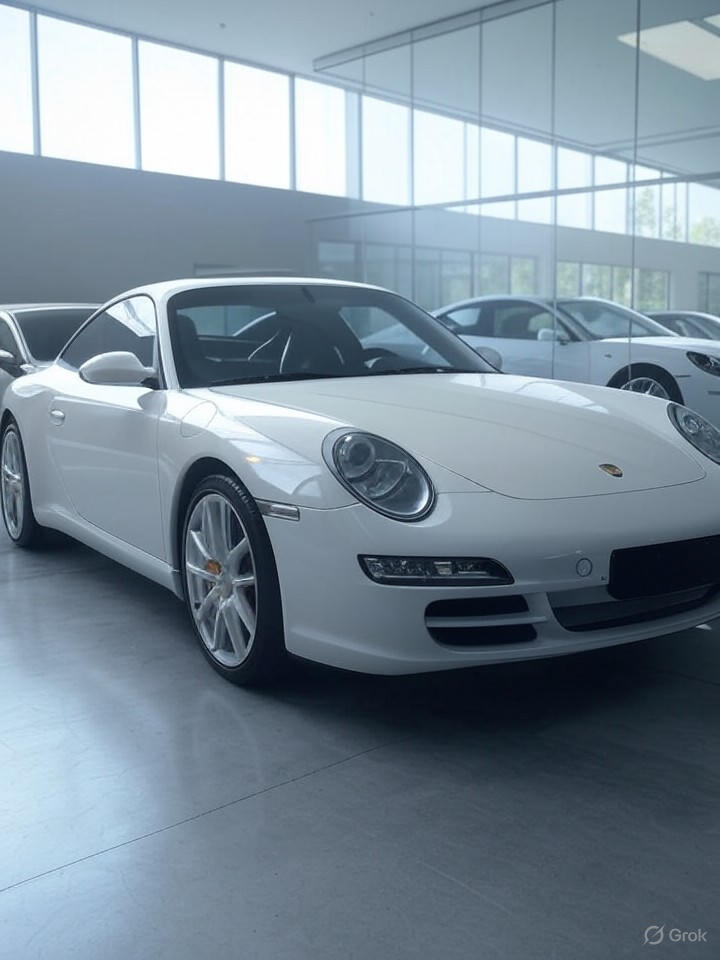
Lower price point used, but strong reliability reputation, excellent Midwest dealer/specialist network, and much lower ownership costs — a rational alternative for someone who values driving feel.