Engine Compartment Fire Risk — Heat Shield Adhesive (Recall)
medium- Typically appears
- Any mileage
- Estimated repair
- $0
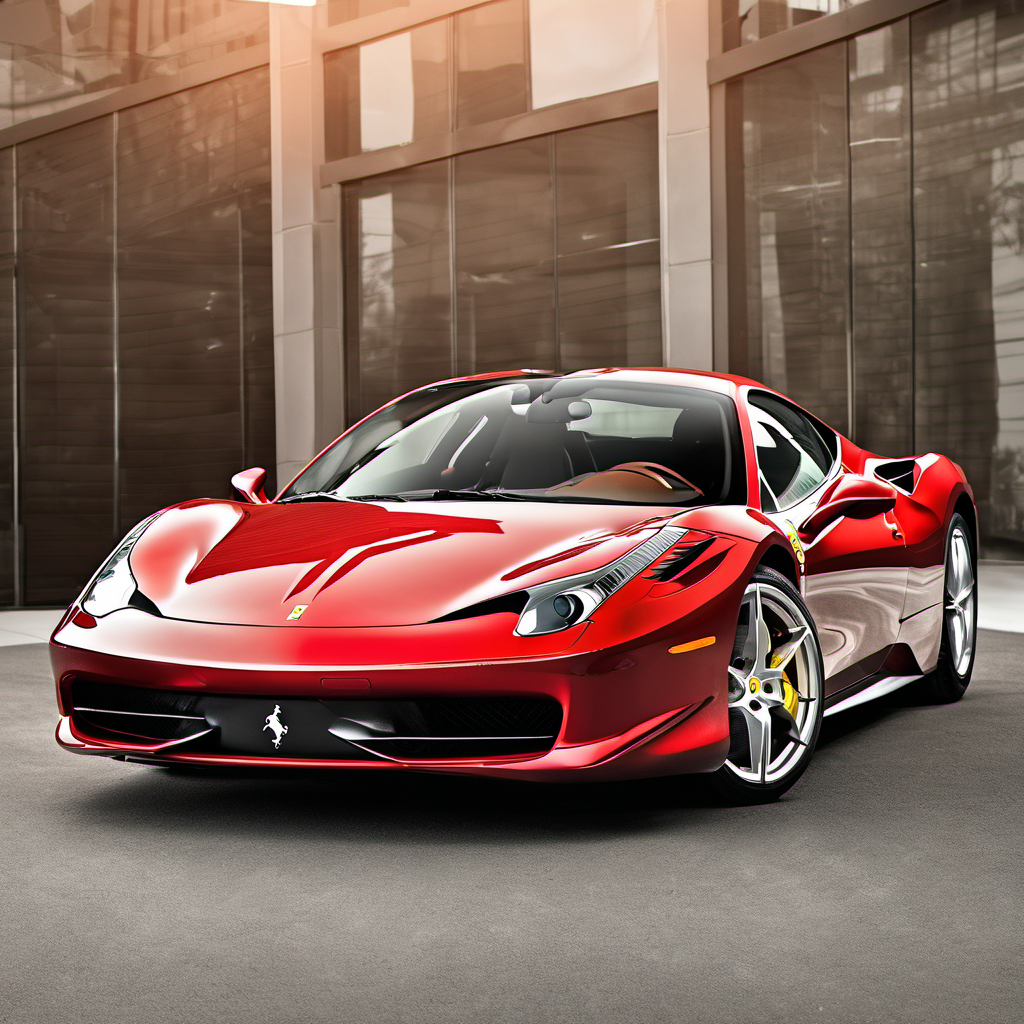
2010 Ferrari
Coupe
The 2010 Ferrari 458 Italia is a mid-engine, rear-wheel-drive exotic sports car that replaced the F430 and set a new benchmark for naturally aspirated V8 performance. Built around a 4.5-liter flat-plane crank V8 producing 562 horsepower, it revs to 9,000 RPM and delivers a driving experience that few road cars can match. The 458 was universally praised by press and owners alike as one of the best Ferraris ever built. The 458 Italia uses a 7-speed dual-clutch transmission (F1 DCT) mounted at the rear for near-perfect weight distribution. It incorporates Ferrari's E-Diff3 electronic differential, F1-Trac traction control, and Manettino driving mode selector — systems that were genuinely cutting edge for 2010 and remain impressive today. All controls — including turn signals and windshield wipers — are integrated into the steering wheel, Formula 1 style. Owning a 458 in the Lake Geneva area demands honest planning. This car is a garage queen by necessity in Wisconsin winters: road salt will attack the aluminum and carbon fiber undercarriage, and the low ride height makes snow and ice genuinely dangerous. Budget for a dedicated set of storage wheels/tires, a battery tender, and routine Ferrari dealer or specialized-shop service. Running costs are high, but the 458 Italia's reliability record is better than earlier V8 Ferraris — with the right care, these engines are known to last.
The 2010 Ferrari 458 Italia is a mid-engine, rear-wheel-drive exotic sports car that replaced the F430 and set a new benchmark for naturally aspirated V8 performance. Built around a 4.5-liter flat-plane crank V8 producing 562 horsepower, it revs to 9,000 RPM and delivers a driving experience that few road cars can match. The 458 was universally praised by press and owners alike as one of the best Ferraris ever built. The 458 Italia uses a 7-speed dual-clutch transmission (F1 DCT) mounted at the rear for near-perfect weight distribution. It incorporates Ferrari's E-Diff3 electronic differential, F1-Trac traction control, and Manettino driving mode selector — systems that were genuinely cutting edge for 2010 and remain impressive today. All controls — including turn signals and windshield wipers — are integrated into the steering wheel, Formula 1 style. Owning a 458 in the Lake Geneva area demands honest planning. This car is a garage queen by necessity in Wisconsin winters: road salt will attack the aluminum and carbon fiber undercarriage, and the low ride height makes snow and ice genuinely dangerous. Budget for a dedicated set of storage wheels/tires, a battery tender, and routine Ferrari dealer or specialized-shop service. Running costs are high, but the 458 Italia's reliability record is better than earlier V8 Ferraris — with the right care, these engines are known to last.
Ferrari specifies annual oil changes regardless of mileage. This engine runs hot and hard; old oil accelerates cam phaser and VVT wear. Use only Ferrari-approved full synthetic 0W-40.
DCT fluid degrades with heat and use. Degraded fluid accelerates clutch pack wear — the most expensive drivetrain repair on the 458.
The high-revving V8 stresses plugs. Fouled or worn plugs cause misfires and can score cylinder walls on a hot engine.
Brake fluid absorbs moisture over time. On a car with carbon ceramic brakes and high thermal loads, degraded fluid raises the risk of brake fade under hard use.
CCM rotors are extremely expensive ($5,000–$15,000+ per axle). Inspect for cracks and measure pad thickness. Never use track-day brake cleaner on CCM — it causes delamination.
The 458's electronics draw a constant parasitic load. A discharged battery causes module resets, DCT adaptation loss, and can brick ECUs in extreme cases.
Mid-engine layout concentrates heat around the engine bay. Coolant degradation leads to water pump failure and overheating — very expensive on this platform.
The 458 runs staggered low-profile Pirelli P Zero tires with no spare. Pressure drops quickly with temperature swings. Uneven wear signals alignment or damper issues.
Always defer to the manufacturer's service manual for warranty-mandated intervals.
The 458 Italia is not a cheap car to keep on the road. Annual maintenance at an honest independent shop with Ferrari/exotic experience runs $3,500–$9,000 in routine years — more if DCT work, sensor replacements, or tire sets are needed. Major services (every 3 years) can easily reach $5,000–$7,000 on their own. Parts prices are high and lead times can be long. That said, for what the car is, its running costs are lower than many expected, and values have been rising — a clean, documented 458 is holding or appreciating.
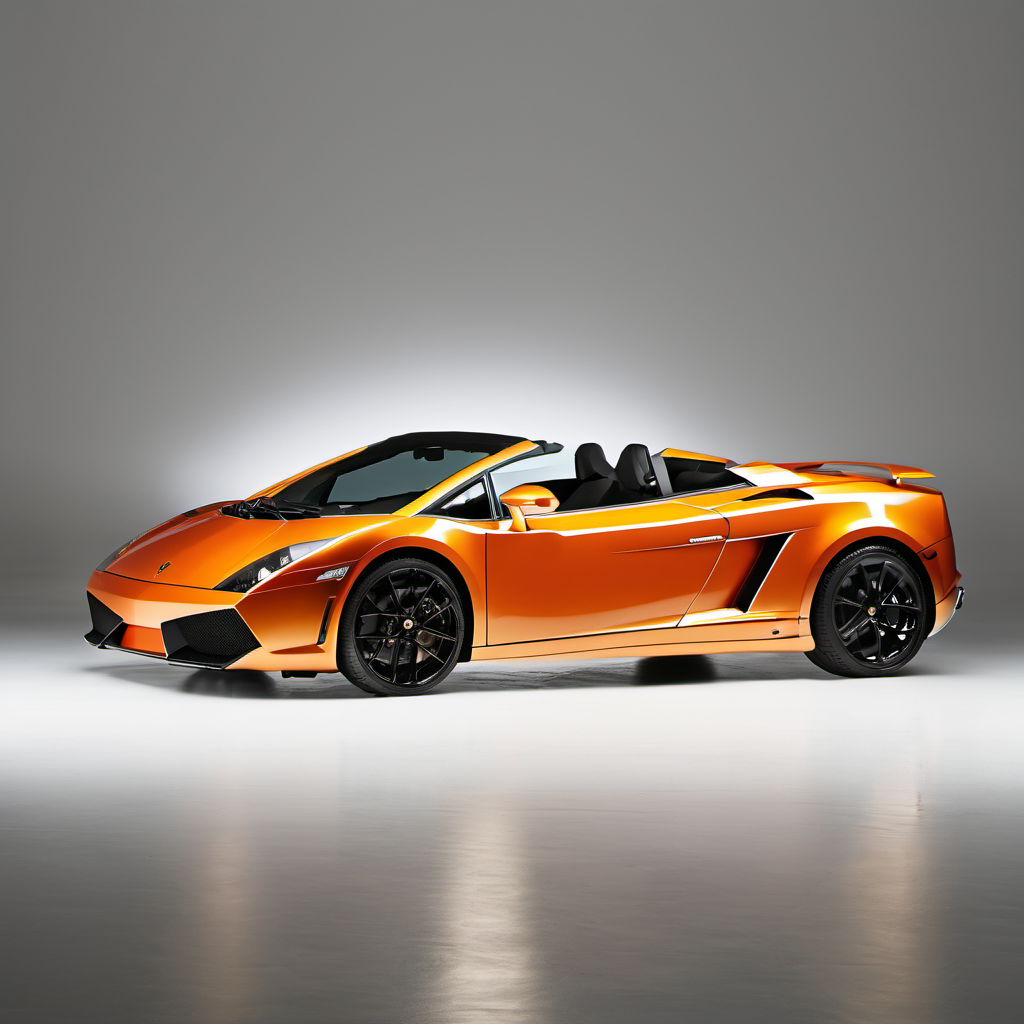
Direct Italian exotic rival in the same price and performance bracket. Also a naturally aspirated V10 mid-engine car from the same era. Different character — AWD vs RWD, less rev-happy — but the obvious cross-shop.
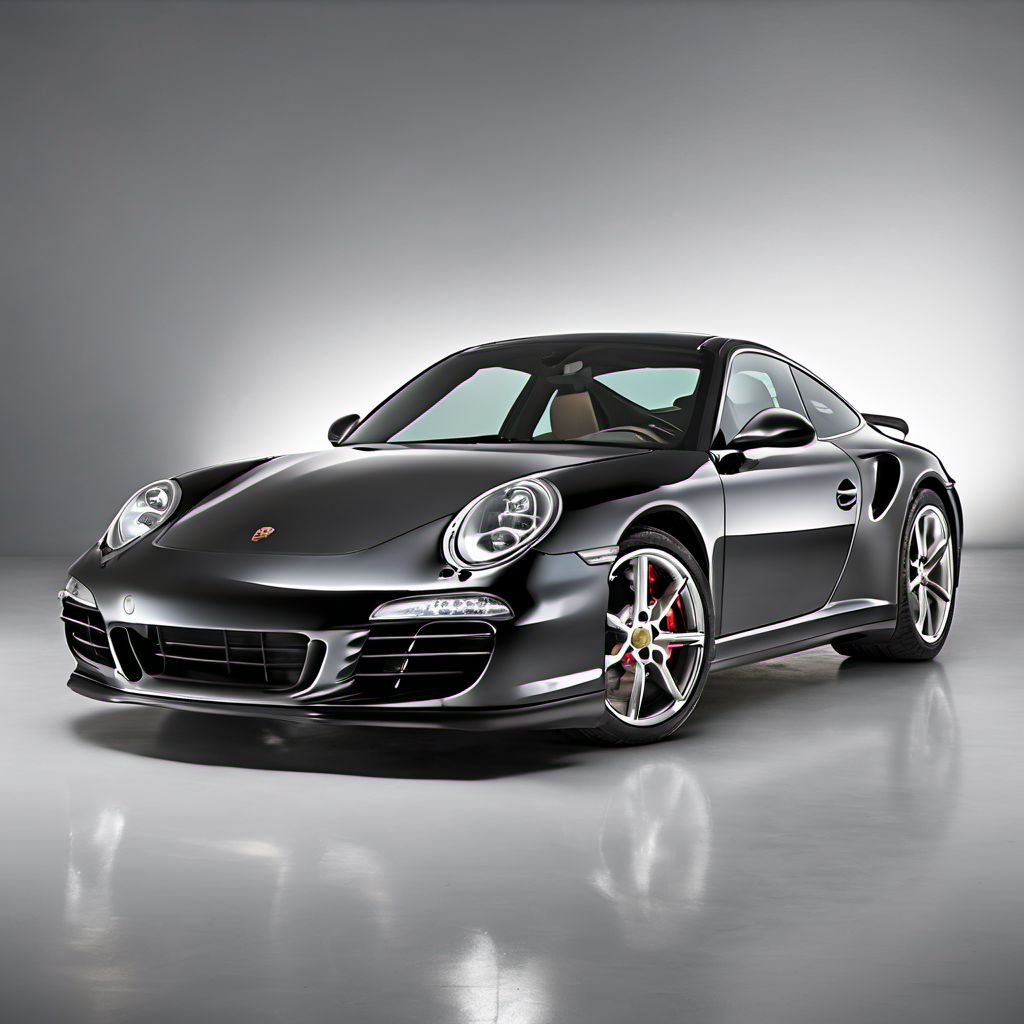
High-revving naturally aspirated sports car in a similar performance window, with a far better parts/service ecosystem and lower running costs. Less exotic, but more usable and arguably more reliable.
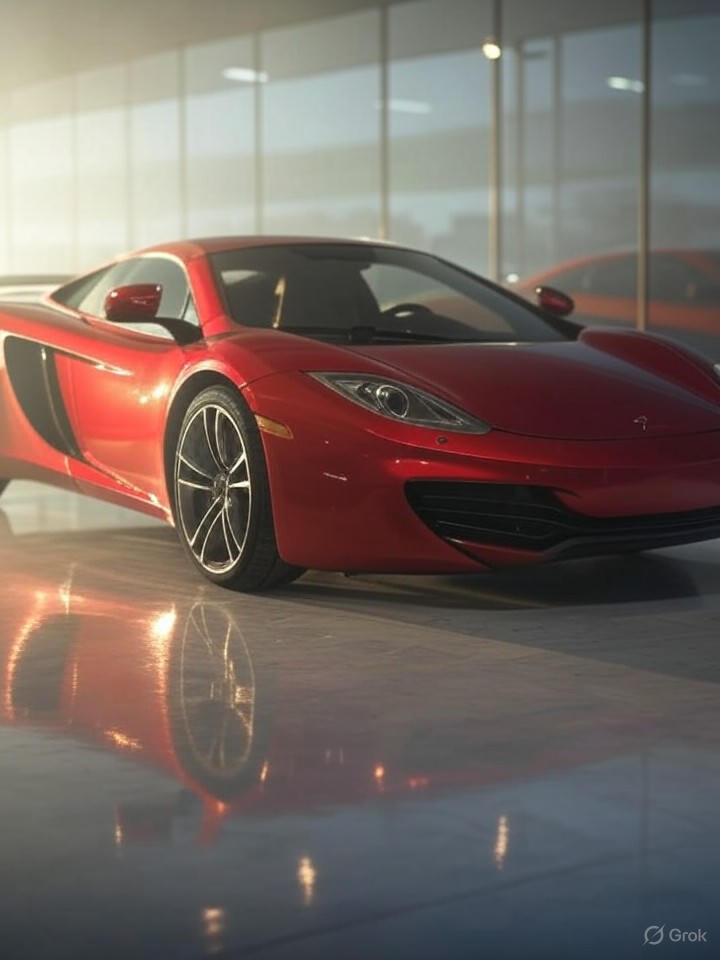
Launched as a direct 458 competitor with similar mid-engine, RWD layout and comparable performance. Turbocharged vs. naturally aspirated — different feel, but the same segment and price range.
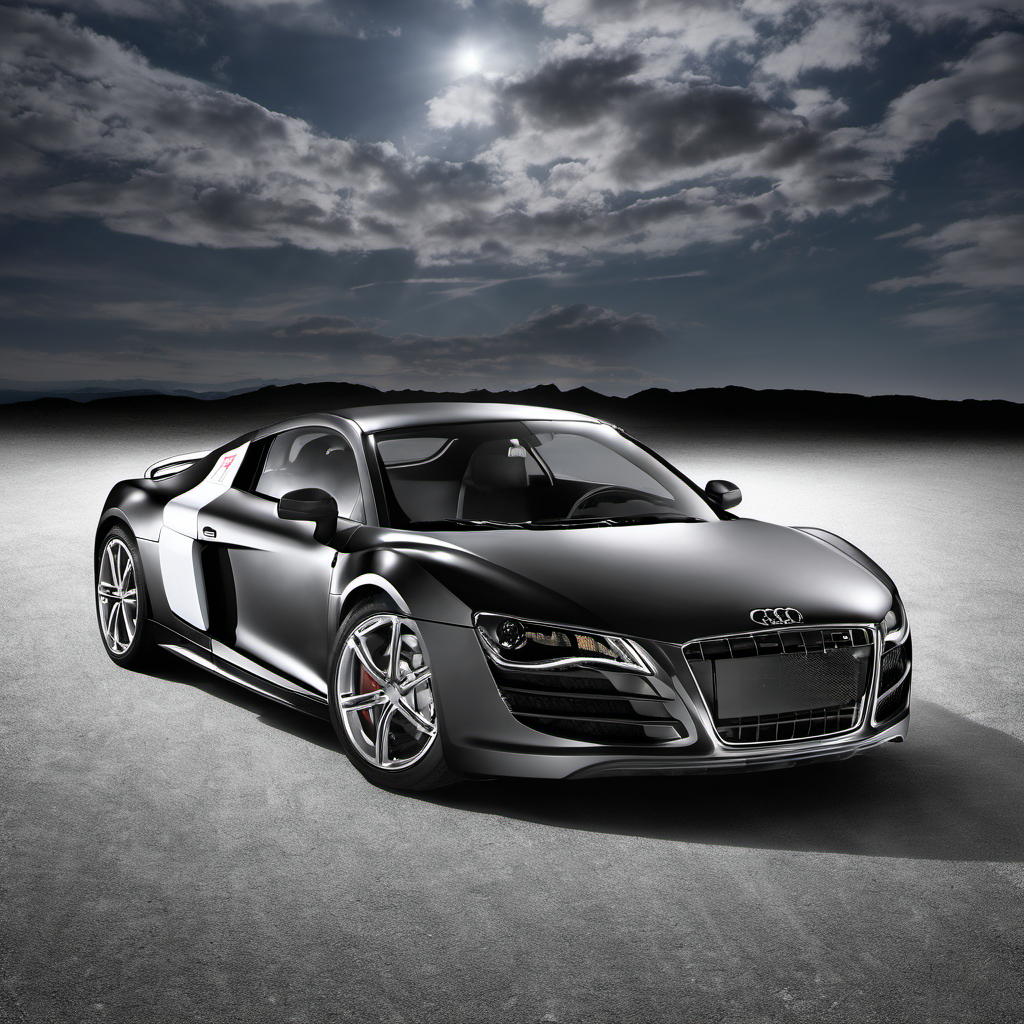
More livable daily exotic in the same performance class. AWD provides Wisconsin usability advantages, though it lacks the 458's emotional engagement. Lower service costs and better dealer network in the Midwest.