Carbon Buildup on Intake Valves
high- Typically appears
- 30–60k mi
- Estimated repair
- $800 – $1,500
2010 Aston
5.9L V12
The 2010 Aston Martin DBS is a hand-built British grand tourer sitting at the top of Aston Martin's lineup at the time — above the DB9 and below the limited-run One-77. It's built around a 5.9L naturally aspirated V12 producing 510 hp, mated to a rear-mounted 6-speed automatic transaxle for near-perfect 50/50 weight distribution. The aluminum and carbon fiber body is assembled by hand at Gaydon, England, and the interior is trimmed in full leather with hand-stitched detail throughout. This is not an everyday driver in any practical sense. Fuel economy is poor, parts are expensive and slow to arrive, and the car demands a specialist for nearly every job beyond the most basic maintenance. That said, for a buyer who understands what they're getting, the DBS rewards with one of the most involving and sonorous driving experiences of its era — the V12 soundtrack alone is a reason to own it. In the Lake Geneva area, this car is likely a fair-weather or seasonal driver. That's probably the right call. Road salt will attack the aluminum subframes and the relatively thin paint over carbon body panels. Budget for proper storage, a battery maintainer, and a specialist shop relationship before you buy.
The 2010 Aston Martin DBS is a hand-built British grand tourer sitting at the top of Aston Martin's lineup at the time — above the DB9 and below the limited-run One-77. It's built around a 5.9L naturally aspirated V12 producing 510 hp, mated to a rear-mounted 6-speed automatic transaxle for near-perfect 50/50 weight distribution. The aluminum and carbon fiber body is assembled by hand at Gaydon, England, and the interior is trimmed in full leather with hand-stitched detail throughout. This is not an everyday driver in any practical sense. Fuel economy is poor, parts are expensive and slow to arrive, and the car demands a specialist for nearly every job beyond the most basic maintenance. That said, for a buyer who understands what they're getting, the DBS rewards with one of the most involving and sonorous driving experiences of its era — the V12 soundtrack alone is a reason to own it. In the Lake Geneva area, this car is likely a fair-weather or seasonal driver. That's probably the right call. Road salt will attack the aluminum subframes and the relatively thin paint over carbon body panels. Budget for proper storage, a battery maintainer, and a specialist shop relationship before you buy.
The 5.9L V12 runs hot and hard. Aston specifies full synthetic; short intervals protect the tight tolerances of this hand-assembled engine and help flush carbon precursors before they bake onto the valves.
Direct injection means no fuel wash on the intake valves. Carbon builds up and causes rough idle, lean codes, and misfires. Walnut blasting is the standard fix — budget for it as scheduled maintenance, not a surprise repair.
The DBS uses a high-performance brake system with very high operating temps. Moisture-contaminated brake fluid lowers the boiling point and is a safety risk, especially if the car ever sees a track day.
Aston's service interval is conservative but the Touchtronic 2 is sensitive to fluid condition. Fresh fluid is cheap insurance against the most expensive repair on this car.
Cooling system failures are a known problem on the V12 platform. Degraded coolant accelerates corrosion in the aluminum block and heads. Do not extend this interval.
The rear-biased weight and RWD setup cause uneven rear tire wear. These are staggered, performance-spec tires — replacement is expensive, so getting full life out of them matters.
The DBS has a significant key-off electrical draw from its complex electronics. A dead or sulfated AGM battery is one of the most common issues on cars that sit seasonally — exactly the pattern in Lake Geneva.
The V12 has 12 plugs and access is labor-intensive. Worn plugs contribute to the misfire (P0300) and lean codes commonly seen on this engine. Do all 12 at once and pair it with the valve cleaning service when possible.
Always defer to the manufacturer's service manual for warranty-mandated intervals.
This is not a budget ownership proposition. Even in a good year with no unplanned repairs, you should budget $3,000–$5,000 for scheduled maintenance alone. Factor in one mid-range repair (transmission service, valve cleaning, O2 sensors) and you're at $5,000–$8,000 quickly. A single major repair — catalytic converters, gearbox rebuild, cooling system — can run $3,000–$8,000+ on its own. Owners who try to defer maintenance to save money typically end up paying far more. Find a specialist you trust before you buy.
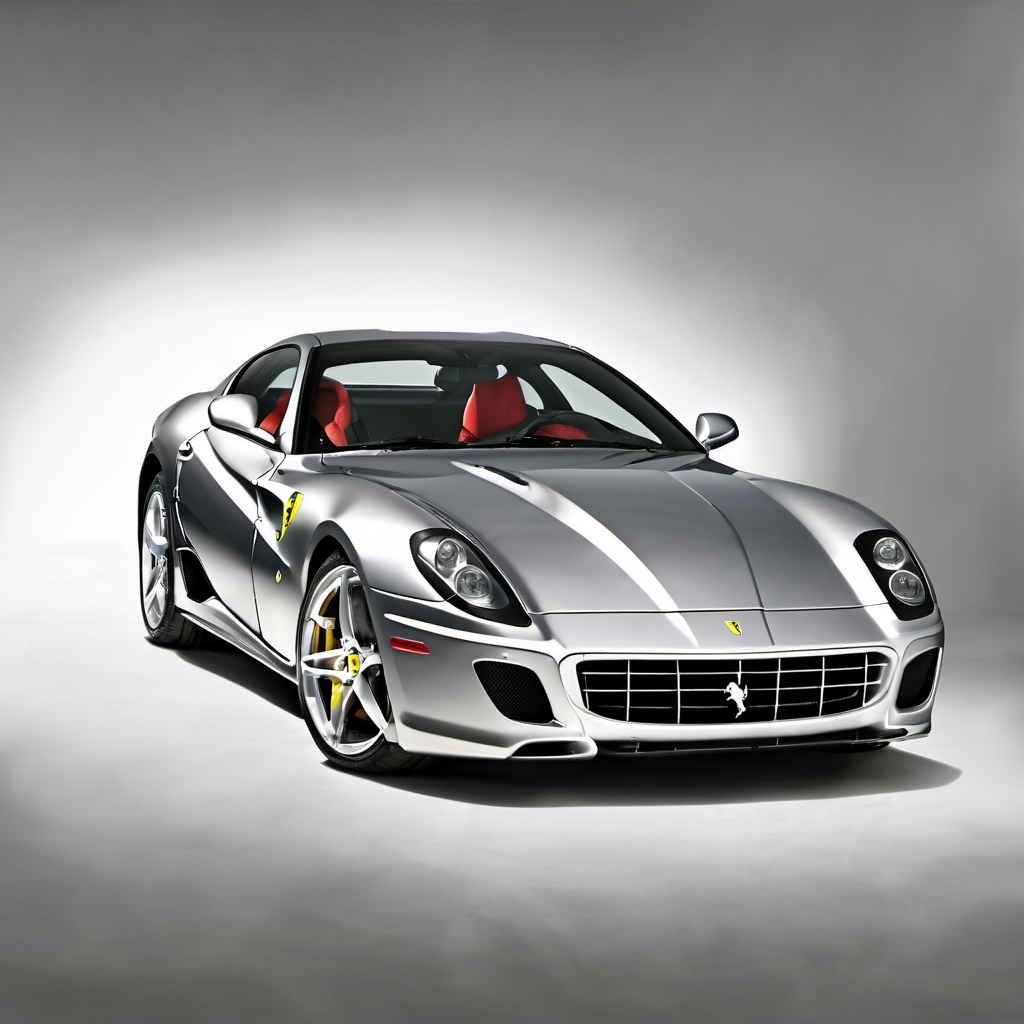
Same segment — V12 grand tourer, similar price point, similar 2-seat layout and rear-transaxle concept. Slightly higher performance ceiling but equally demanding ownership proposition.
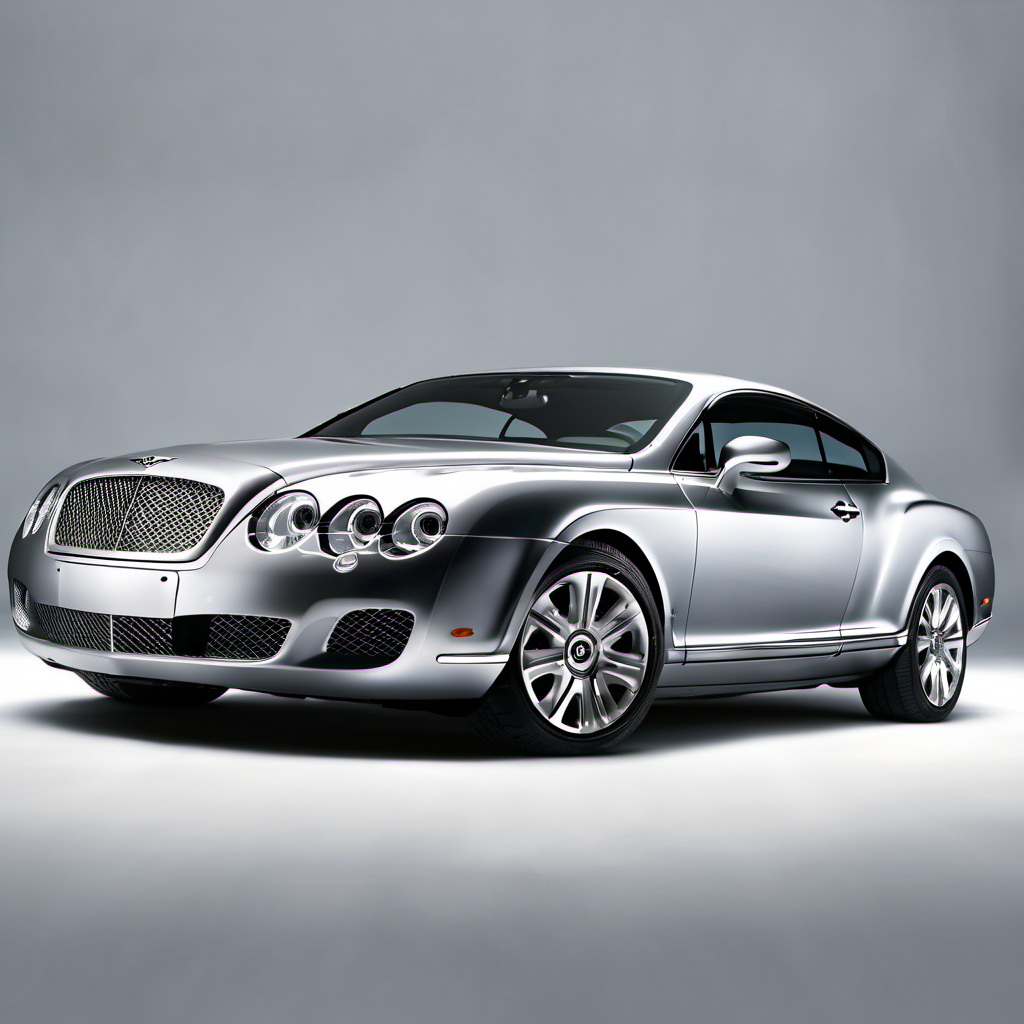
Direct market rival in the GT coupe space. The Continental GT offers a more refined, less driver-focused experience with a W12 or V8 twin-turbo, but comes with better parts availability and dealer network.
Similar price range and performance ambitions with a 6.0L twin-turbo V12. Better dealer support network and parts availability than the Aston, but a different character — more boulevard than canyon.
No catalog match
Lower price point but comparable performance. Vastly better reliability, parts availability, and resale — a rational alternative for buyers who want a serious performance car without exotic ownership costs.