Touchtronic II Transmission Faults / Hesitation
high- Typically appears
- 60–90k mi
- Estimated repair
- $1,500 – $4,500
2010 Aston
5.9L V12
The 2010 Aston Martin DB9 is a hand-built British grand tourer built around a 5.9L naturally aspirated V12, producing 470 horsepower. It sits on an aluminum VH platform shared with the Vantage and DBS, keeping curb weight surprisingly manageable for a car of its presence. In 2010 it came in both coupe (DB9) and convertible (Volante) body styles, with the Touchtronic II 6-speed automatic gearbox mounted at the rear transaxle for near-perfect weight distribution. This is unambiguously a GT car first — comfortable enough for long European runs, dramatic enough to be the centerpiece of any parking lot. The 6.0L (actually 5.935L) V12 is one of the finest-sounding engines ever fitted to a road car, and at highway speeds the DB9 is genuinely relaxing to drive. It is not a track toy, and it doesn't pretend to be. Owning a DB9 in 2025 means owning a 15-year-old specialist vehicle with specialist costs to match. Parts availability has improved with third-party suppliers, but service labor is expensive and some components — particularly transmission controllers and adaptive dampers — remain genuinely costly to repair. This is a second-car or collector piece, not a daily driver.
The 2010 Aston Martin DB9 is a hand-built British grand tourer built around a 5.9L naturally aspirated V12, producing 470 horsepower. It sits on an aluminum VH platform shared with the Vantage and DBS, keeping curb weight surprisingly manageable for a car of its presence. In 2010 it came in both coupe (DB9) and convertible (Volante) body styles, with the Touchtronic II 6-speed automatic gearbox mounted at the rear transaxle for near-perfect weight distribution. This is unambiguously a GT car first — comfortable enough for long European runs, dramatic enough to be the centerpiece of any parking lot. The 6.0L (actually 5.935L) V12 is one of the finest-sounding engines ever fitted to a road car, and at highway speeds the DB9 is genuinely relaxing to drive. It is not a track toy, and it doesn't pretend to be. Owning a DB9 in 2025 means owning a 15-year-old specialist vehicle with specialist costs to match. Parts availability has improved with third-party suppliers, but service labor is expensive and some components — particularly transmission controllers and adaptive dampers — remain genuinely costly to repair. This is a second-car or collector piece, not a daily driver.
The V12 requires a specific full-synthetic oil to spec. Using the correct viscosity is critical — cheap oil accelerates wear in the variable valve timing system. At $250 per service, this is non-negotiable maintenance.
The DB9's rear-biased weight and RWD setup cause uneven tire wear, especially if you use any throttle. Performance tires on this car are expensive — rotating consistently is cheap insurance.
Brake fluid absorbs moisture over time, lowering its boiling point. The DB9's large Brembo brakes generate real heat; degraded fluid can cause fade or soft pedal.
Water pump and radiator hose failures are a known issue. Flush on schedule and visually inspect hoses and the water pump weep hole at every oil change.
The rear transaxle unit is expensive to rebuild. Fresh fluid is the cheapest way to extend its life. If the car has no service history, do this immediately regardless of mileage.
The V12's direct-injection characteristics allow carbon to accumulate on intake valves. Left unchecked this causes misfires, rough idle, and lean codes. Walnut blasting is the accepted fix.
Twelve plugs means twelve chances for misfires. Worn plugs on this engine will trigger P0300 codes and rough running. Labor is significant — replace all 12 at once.
The DB9's electronics are sensitive to low voltage. A weak battery causes a cascade of spurious fault codes and can strand the car. Wisconsin winters accelerate battery degradation — test it every October.
Always defer to the manufacturer's service manual for warranty-mandated intervals.
A DB9 in good condition with no deferred maintenance will cost $4,000–$8,000 per year to own responsibly between insurance, fuel, and routine service — before any unplanned repairs. A year with a transmission service or suspension work can push that to $10,000+. This is emphatically not a cheap car to run. Budget a $3,000–$5,000 annual repair reserve on top of routine maintenance costs.

Similar price point in the used market, front-mid V8 GT with a folding hard-top, comparable ownership costs, and the same 'usable exotic' positioning. Higher parts costs but slightly more dealer network presence.
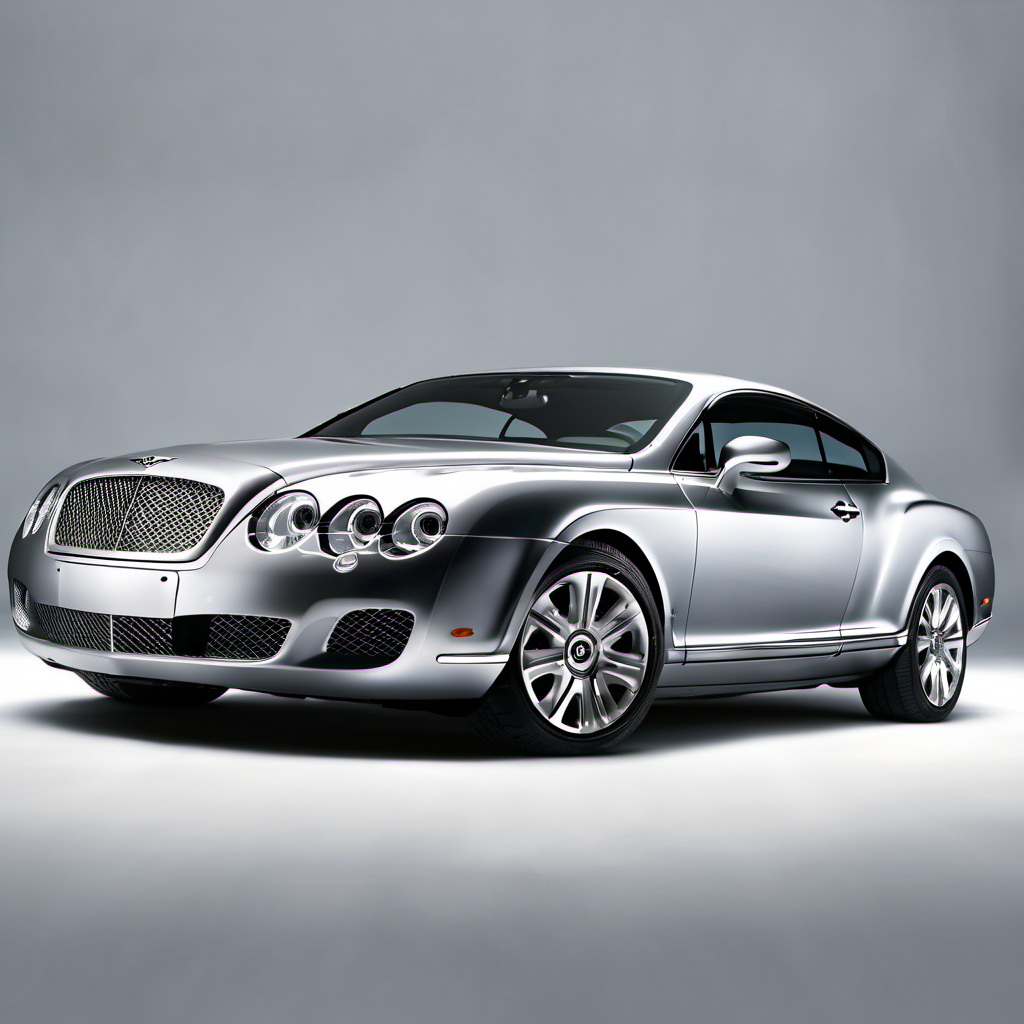
Overlapping GT mission with 2+2 seating, AWD instead of RWD, and a twin-turbo W12. More practical in Wisconsin weather, but maintenance costs are similarly stratospheric and reliability is comparable.

Ferrari-derived V8 GT coupe in the same segment and used-market price band. More dealer locations in the Midwest but a similar profile of Italian-exotic ownership costs.
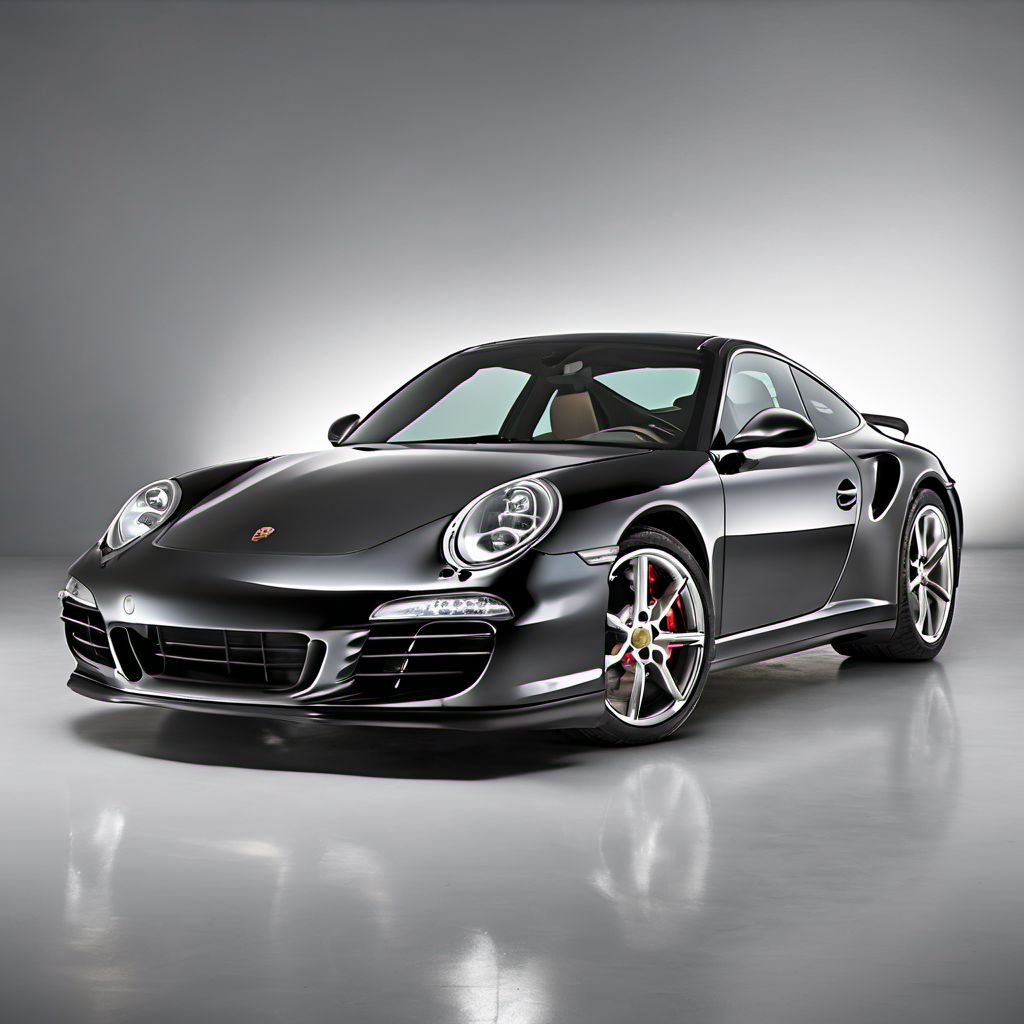
More expensive new but similar used-market pricing. Significantly more reliable, far better dealer and independent shop support, and more practical as a near-daily driver — a meaningful alternative if reliability is a priority.