VVT-i Cam Timing / Oil Control Valve Sludge
medium- Typically appears
- 80–150k mi
- Estimated repair
- $200 – $800
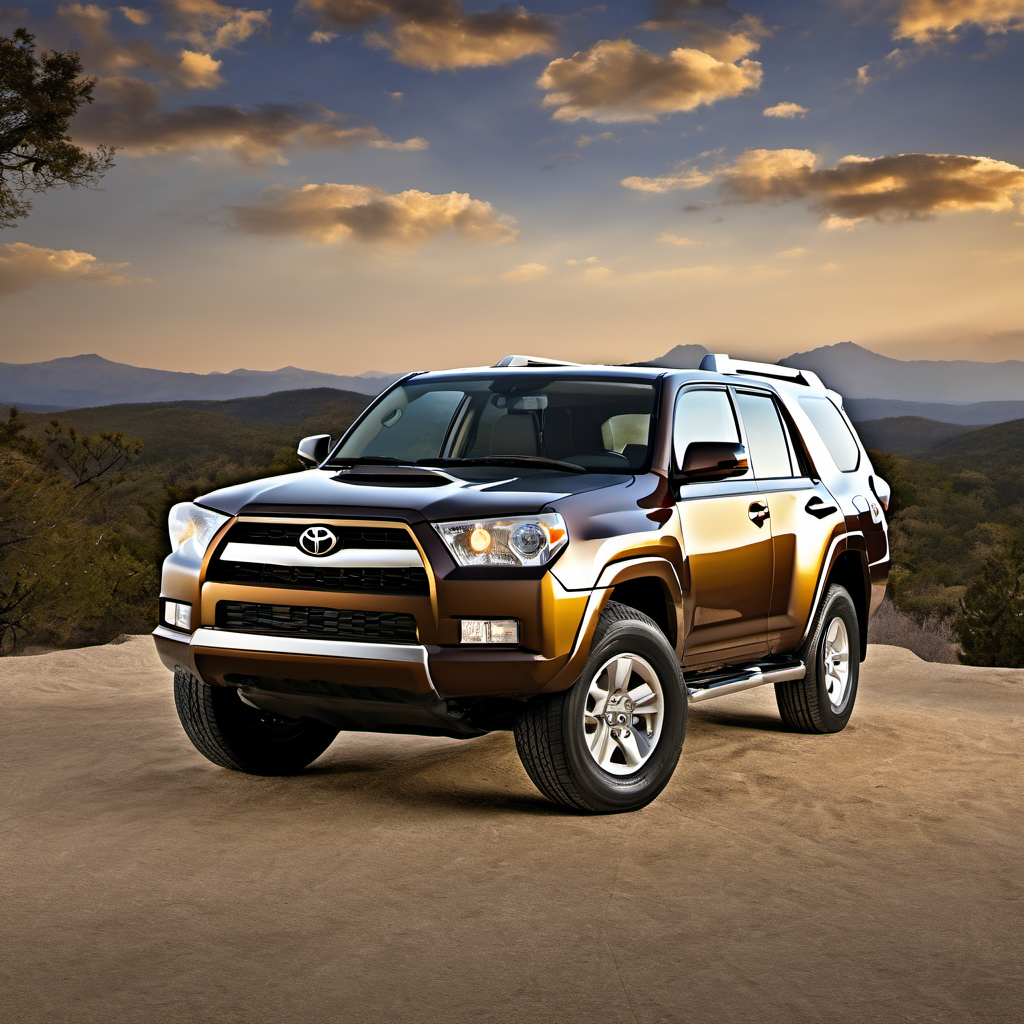
2009 Toyota
SUV
The 2009 Toyota 4Runner is a fourth-generation (N210) body-on-frame SUV that strikes a balance between genuine off-road capability and daily-driver comfort. Powered by Toyota's proven 1GR-FE 4.0L V6, it delivers strong, linear power and has built a reputation for lasting well past 200,000 miles with routine maintenance. It was one of the last 4Runners built before the more road-focused fifth generation arrived in 2010. This generation is a favorite among buyers who want a truck-based SUV they can actually take off pavement. The solid rear axle, available locking rear differential, and Multi-Terrain Select system (on 4WD trims) give it real capability, while the interior is comfortable and relatively straightforward to live with. Rear cargo space is decent for the class, though the third-row seat — on SR5 and Limited models — is tight for adults. From an ownership standpoint, the 2009 4Runner is one of the more cost-effective used SUVs you can buy in this region. Parts are widely available, independent shops know them well, and major failures are uncommon when oil changes and fluid services are kept current.
The 2009 Toyota 4Runner is a fourth-generation (N210) body-on-frame SUV that strikes a balance between genuine off-road capability and daily-driver comfort. Powered by Toyota's proven 1GR-FE 4.0L V6, it delivers strong, linear power and has built a reputation for lasting well past 200,000 miles with routine maintenance. It was one of the last 4Runners built before the more road-focused fifth generation arrived in 2010. This generation is a favorite among buyers who want a truck-based SUV they can actually take off pavement. The solid rear axle, available locking rear differential, and Multi-Terrain Select system (on 4WD trims) give it real capability, while the interior is comfortable and relatively straightforward to live with. Rear cargo space is decent for the class, though the third-row seat — on SR5 and Limited models — is tight for adults. From an ownership standpoint, the 2009 4Runner is one of the more cost-effective used SUVs you can buy in this region. Parts are widely available, independent shops know them well, and major failures are uncommon when oil changes and fluid services are kept current.
The VVT-i system is extremely sensitive to oil cleanliness. Sludge from extended intervals is the #1 cause of cam timing codes and costly OCV failures on this engine. Don't stretch this interval.
Body-on-frame Toyota differentials last a very long time with clean fluid; they wear prematurely when neglected. This is a cheap service that protects an expensive component.
Same rationale as the rear diff — inexpensive fluid, expensive repair if ignored. Critical before Wisconsin winter season.
Often overlooked. Fresh ATF keeps the 5-speed automatic shifting crisply and extends clutch pack life.
Brake fluid is hygroscopic and degrades with age more than mileage. In Wisconsin's freeze-thaw cycles, moisture-laden fluid raises the risk of caliper corrosion and reduced stopping performance.
Toyota's SLLC has a long service life, but on a 15-year-old vehicle the coolant should be checked and refreshed. Degraded coolant accelerates water pump wear and risks freeze protection failure in sub-zero temps.
Road salt accelerates U-joint corrosion. A failed U-joint can cause driveshaft separation — a safety issue. Early inspection and lubrication is cheap; replacement is much more expensive.
Catch rust early when it can be treated with penetrating oil, rust converter, or undercoating. Waiting until it's structural means welding or scrapping the vehicle.
Always defer to the manufacturer's service manual for warranty-mandated intervals.
The 2009 4Runner is a genuinely affordable used SUV to own long-term. Routine annual maintenance (oil, fluids, filters, brakes) runs $600–$900 in a normal year at an independent shop. Budget an additional $400–$500 in years when diff/transfer case fluids, coolant, or brake fluid are due. Major repairs are infrequent on well-maintained examples, but if rust remediation or VVT-i work becomes necessary, costs can spike to $1,000–$3,000. Overall, lower lifetime cost than most domestic or European SUV competitors.

Similar vintage, similar size and seating, widely available used — but the Explorer is unibody and less capable off-road; generally cheaper to buy but higher long-term repair costs
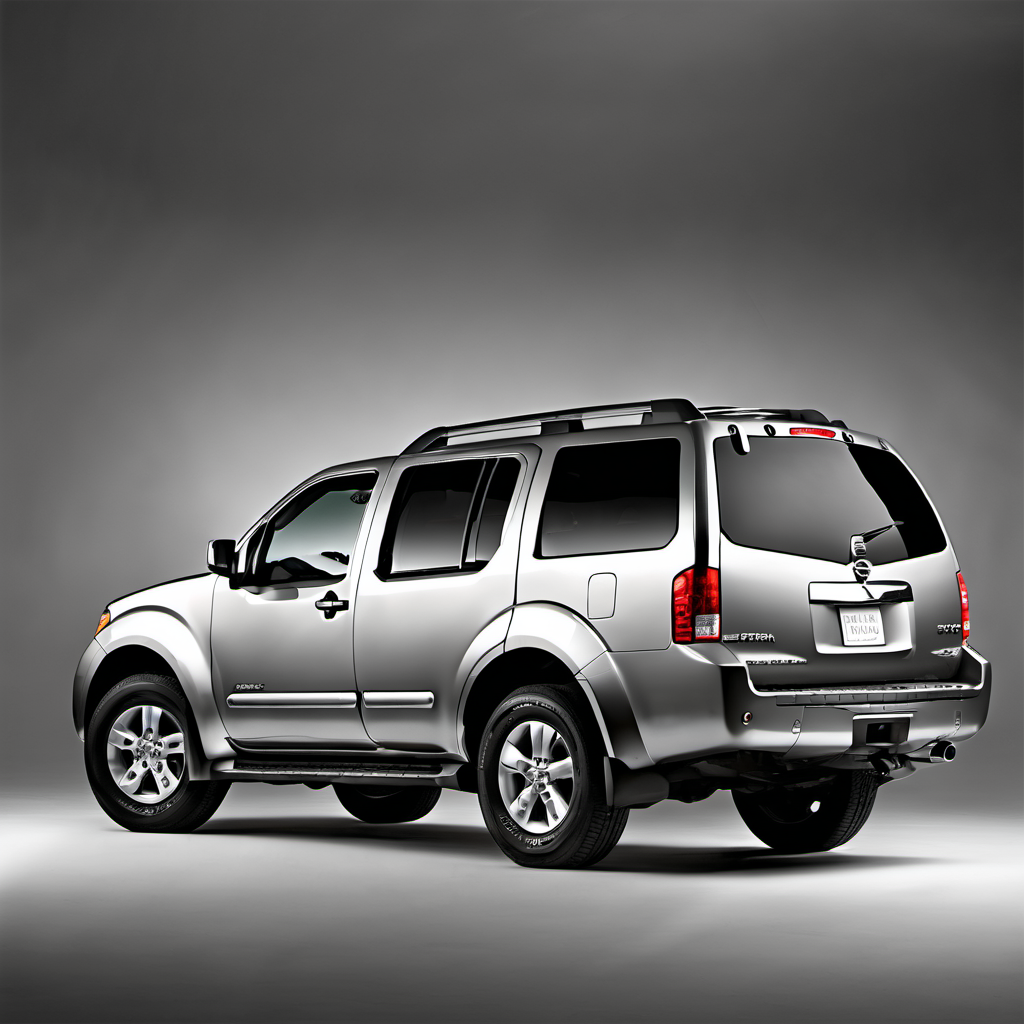
Body-on-frame V6 SUV in the same class and price range; similar towing capacity, but the Pathfinder's reliability record and resale value trail the 4Runner notably
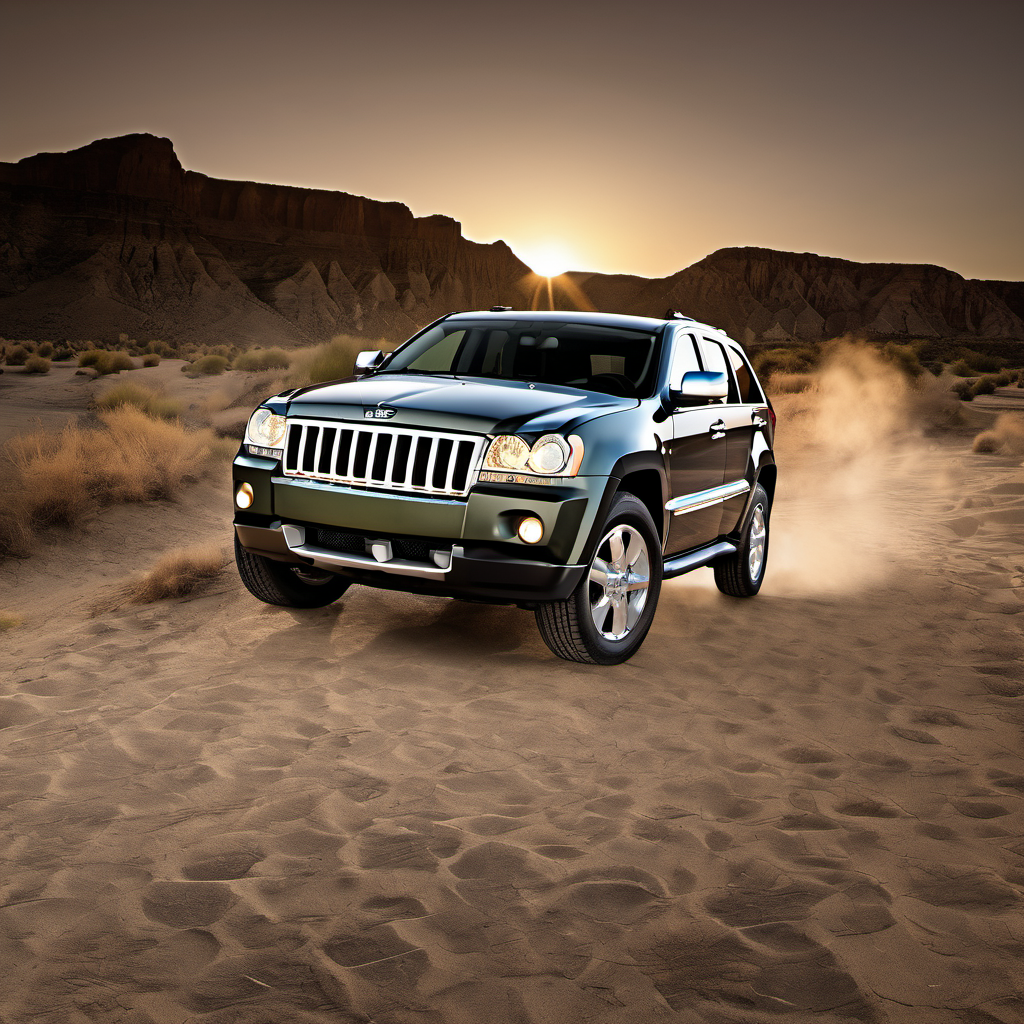
Comparable off-road credibility and similar used pricing; the Grand Cherokee offers more luxury options but carries significantly higher ownership and repair costs
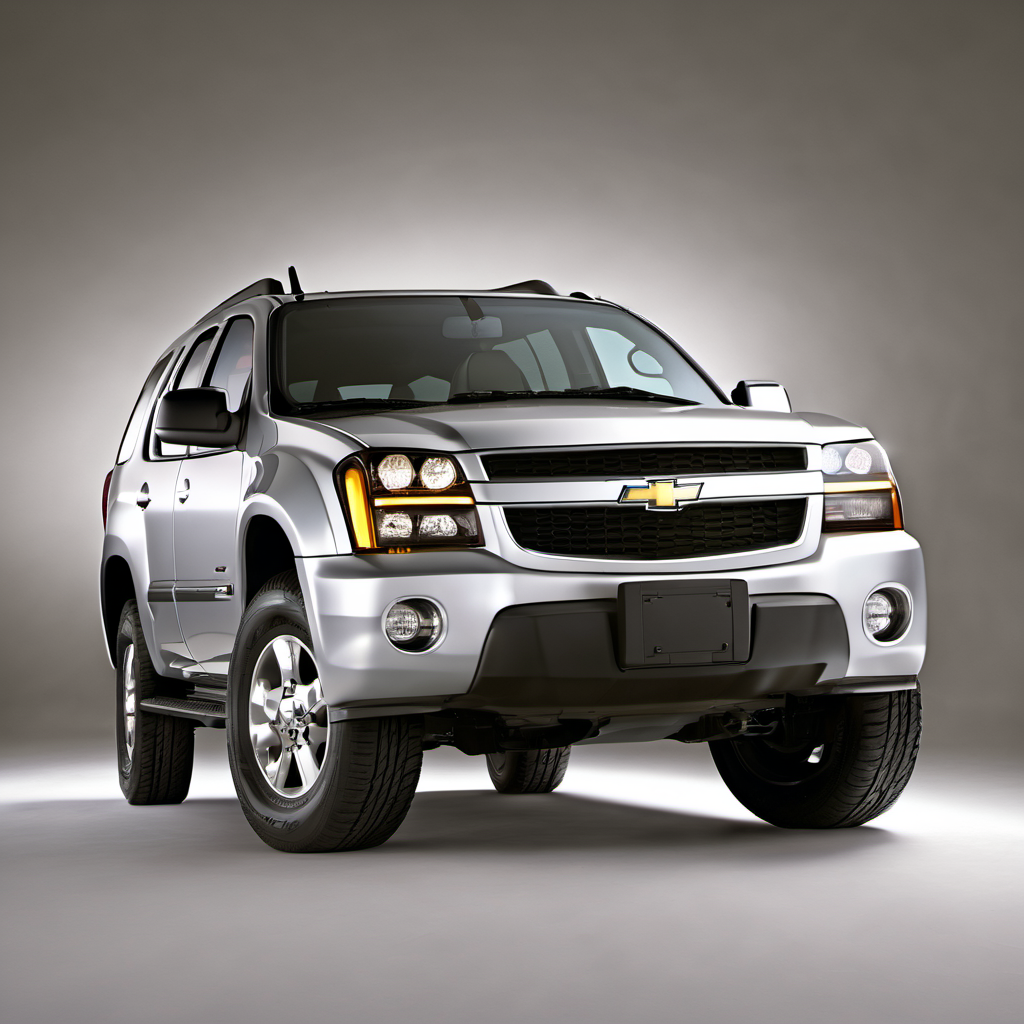
Domestic body-on-frame competitor at a lower price point; solid off-road bones but more prone to rust and higher-mileage mechanical issues than the 4Runner