Timing Belt Failure / Overdue Replacement
high- Typically appears
- 60–105k mi (every 60k interval)
- Estimated repair
- $350 – $550

2009 Kia
2.7L V6 · SUV
The 2009 Kia Sportage is a compact SUV from the second generation of the nameplate (2005–2010), built on a platform shared with the Hyundai Tucson. It was offered with either a 2.0L four-cylinder or a 2.7L V6, the latter paired with an optional part-time 4WD system. By 2009 the Sportage had shed its earlier truck-like character in favor of a more car-based feel, making it a decent urban and light-trail machine. The V6 version adds punch but sacrifices fuel economy noticeably compared to the four-cylinder. Interior quality was average for the class at the time — functional but not plush. The 4WD system is a part-time setup, not a full-time AWD unit, so it should be engaged only on low-traction surfaces, not pavement. At 15-plus years old, most examples on the road today are high-mileage. Rust from Wisconsin road salt, aging suspension bushings, and oil consumption from the 2.7L V6 are the primary concerns for buyers. These trucks can run well past 150k miles with consistent maintenance, but deferred service catches up quickly at this age.
The 2009 Kia Sportage is a compact SUV from the second generation of the nameplate (2005–2010), built on a platform shared with the Hyundai Tucson. It was offered with either a 2.0L four-cylinder or a 2.7L V6, the latter paired with an optional part-time 4WD system. By 2009 the Sportage had shed its earlier truck-like character in favor of a more car-based feel, making it a decent urban and light-trail machine. The V6 version adds punch but sacrifices fuel economy noticeably compared to the four-cylinder. Interior quality was average for the class at the time — functional but not plush. The 4WD system is a part-time setup, not a full-time AWD unit, so it should be engaged only on low-traction surfaces, not pavement. At 15-plus years old, most examples on the road today are high-mileage. Rust from Wisconsin road salt, aging suspension bushings, and oil consumption from the 2.7L V6 are the primary concerns for buyers. These trucks can run well past 150k miles with consistent maintenance, but deferred service catches up quickly at this age.
The 2.7L V6 is an interference engine. A snapped belt will bend valves and destroy the engine. At this vehicle's age, replace it regardless of mileage if the history is unknown. Do the water pump at the same time — it's driven by the belt and labor is already open.
The 2.7L V6 consumes oil as it ages. Short change intervals keep sludge from forming and give you a regular chance to check the level. Never let it drop more than a quart low.
Wisconsin road salt corrodes steel brake lines from the outside in. A compromised line can fail without warning. Inspect the full run under the vehicle each spring and replace any lines showing bubbling rust or flaking.
Part-time 4WD that sits disengaged all summer can develop binding or hesitation when you need it in December. Engage and cycle through 4H briefly on a gravel surface or in a parking lot to confirm it shifts cleanly.
Old coolant loses its corrosion inhibitors. On a high-mileage V6 with a water pump already at risk, fresh coolant is cheap insurance against internal rust and overheating.
The 4-speed automatic in these is reliable but doesn't benefit from the 'lifetime fluid' myth. Dirty fluid shortens clutch pack life. This is especially true on older high-mileage examples.
The 2.7L V6 uses conventional spark plugs. Worn plugs increase misfire risk and can stress ignition coils. Access to the rear bank is tight — budget extra labor time.
4WD units rely on clean gear oil. Salt-belt driving accelerates seal wear. Check the fluid level and condition annually and replace if it smells burnt or shows water contamination.
Always defer to the manufacturer's service manual for warranty-mandated intervals.
A 2009 Sportage V6 is an inexpensive vehicle to buy, but ownership costs can spike if deferred maintenance catches up — especially the timing belt, brake lines, and anything rust-related. Budget on the higher end of the maintenance range for any example with unclear service history or visible underbody corrosion.
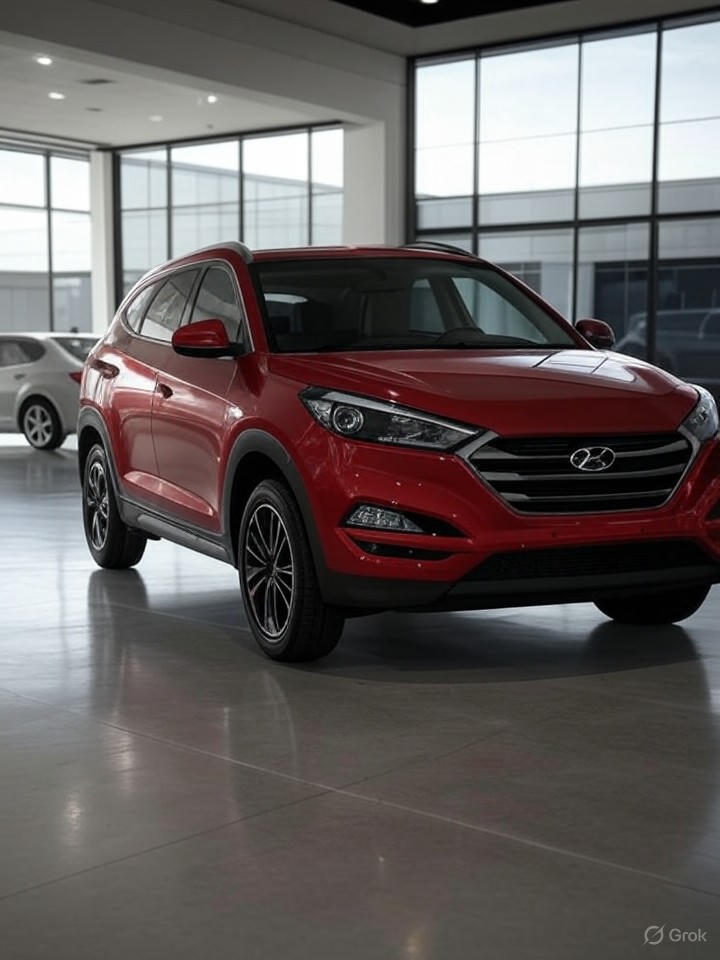
Shares the same platform, similar pricing, and nearly identical mechanicals. Parts interchangeability is high. A well-maintained Tucson is a direct apples-to-apples alternative.
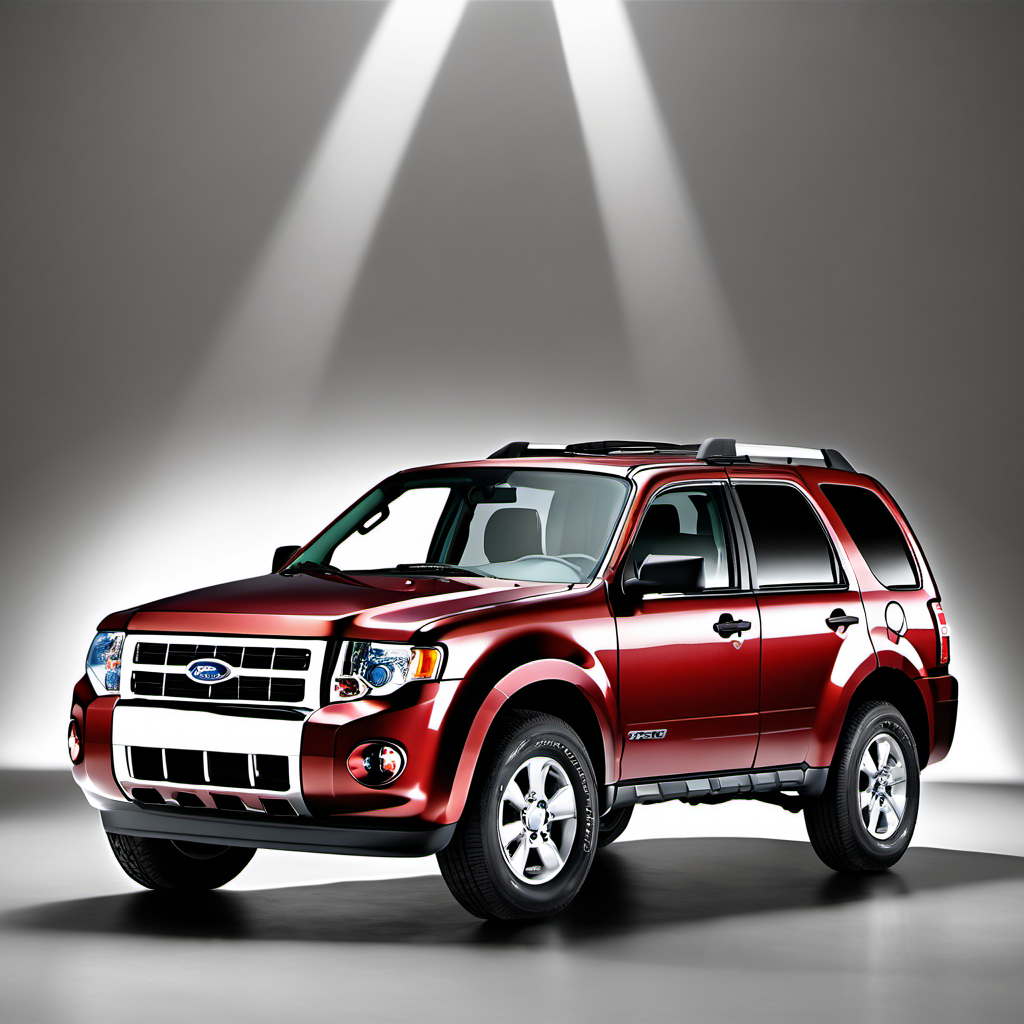
Compact SUV in the same price bracket with available 4WD. The 3.0L V6 Escape has a stronger reliability track record and a deeper parts/service network in the Midwest.
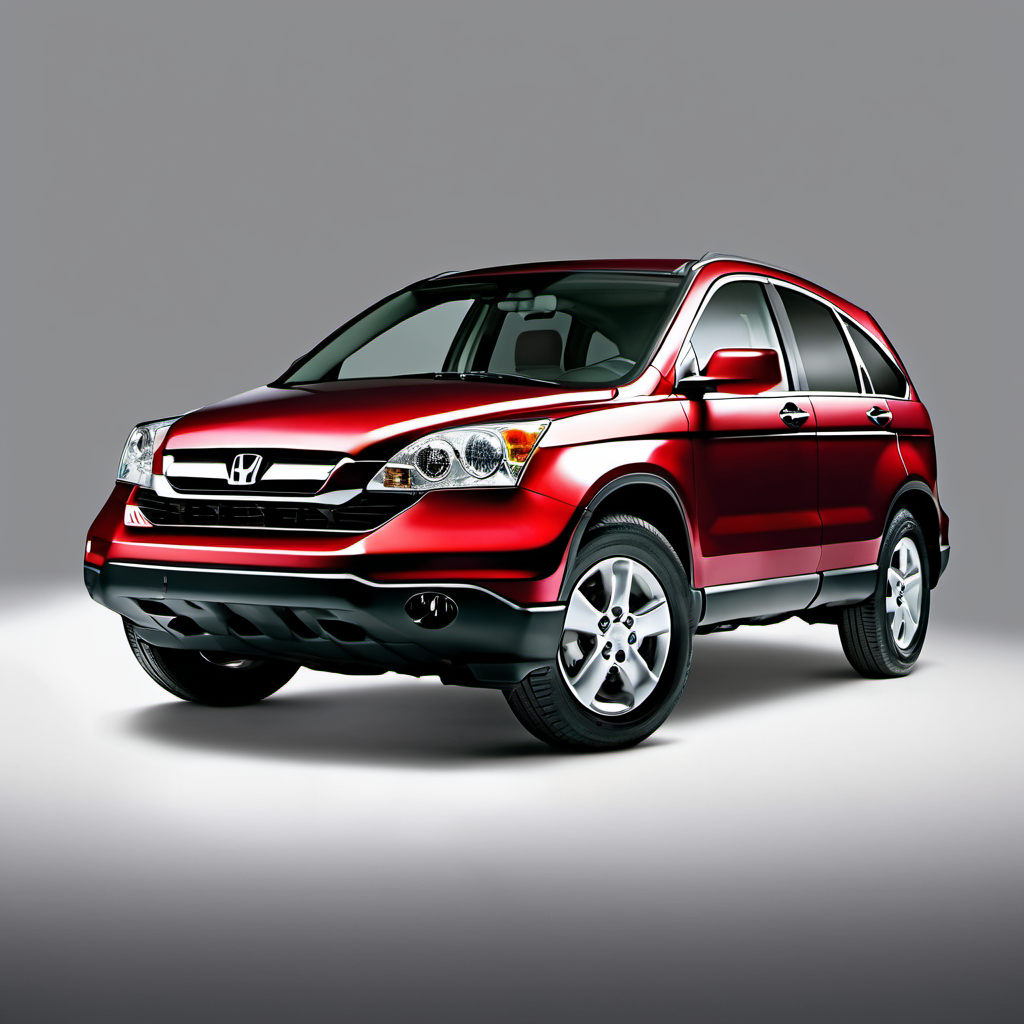
Highly reliable compact SUV with real-world longevity well past 200k miles. AWD only (not 4WD), but the Honda drivetrain and engine hold up better long-term.
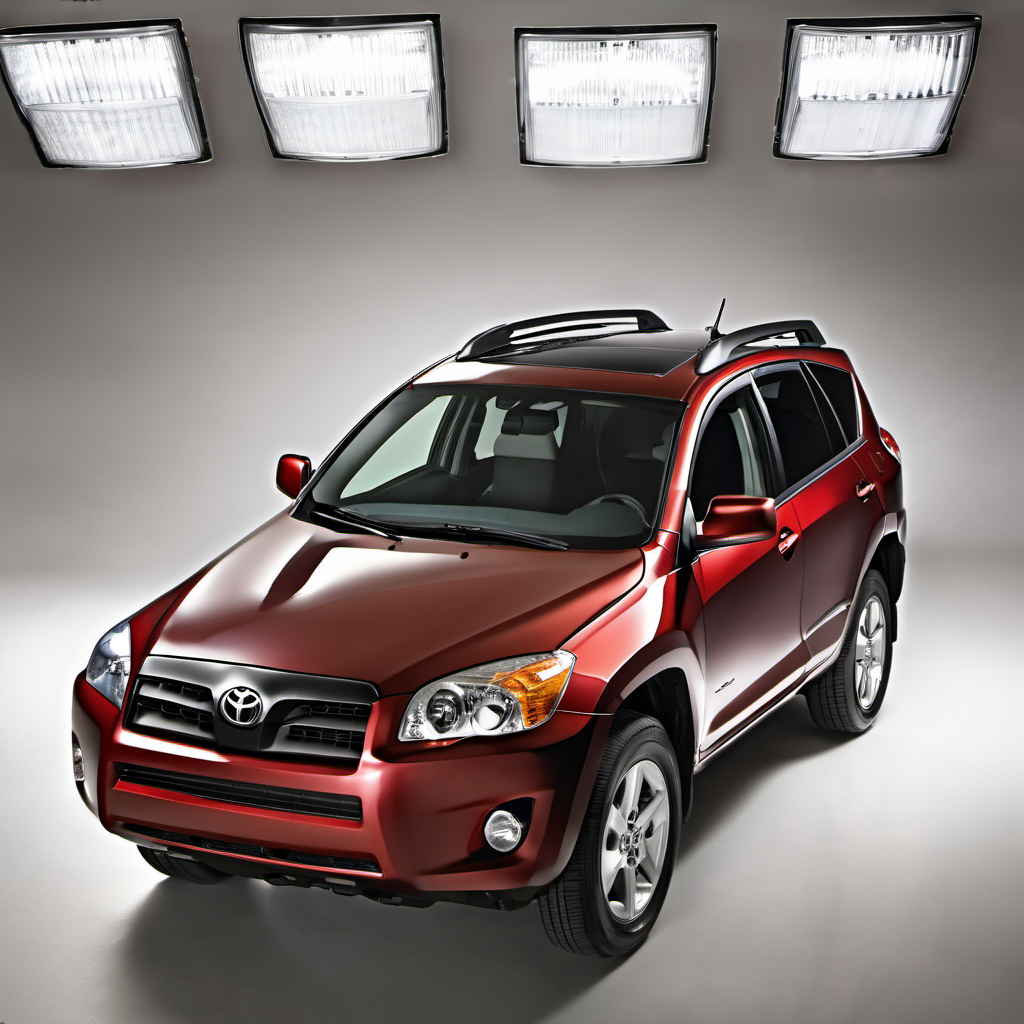
Strong reliability reputation, available V6, and excellent parts availability. Slightly higher used-market price reflects its better long-term track record.