Automatic Transmission Slipping / Failure
high- Typically appears
- 80–130k mi
- Estimated repair
- $1,800 – $3,500
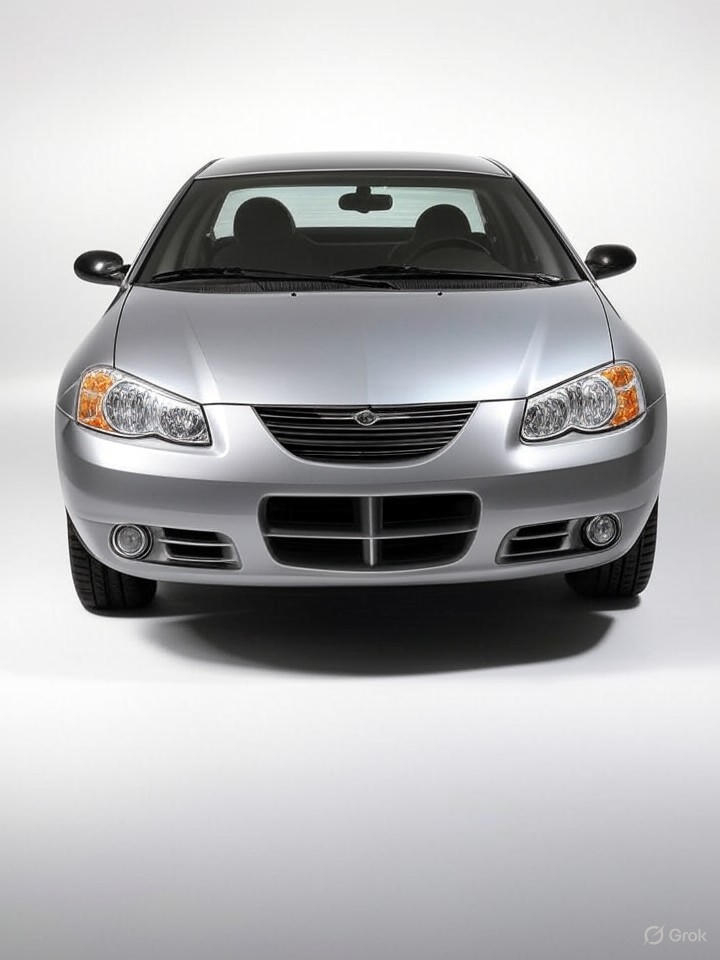
2009 Chrysler
3.5L V6 SOHC 24V · Sedan
The 2009 Chrysler Sebring Sedan is a front-wheel-drive mid-size car built on the JS platform, sold during Chrysler's difficult pre-bankruptcy period. It was offered with a 2.4L four-cylinder or the 3.5L V6 found in this example — the V6 being the more powerful but also more maintenance-demanding choice. The Sebring aimed to compete with the Camry and Accord but fell short on interior quality, driving refinement, and long-term reliability, which contributed to its replacement by the Chrysler 200 after 2010. By 2009, the Sebring had a reputation for decent highway comfort and a reasonably roomy cabin, but buyers consistently flagged cheap interior plastics, unremarkable fuel economy for its class, and a transmission that needed attention earlier than competitors. The 3.5L V6 makes adequate power but is overkill for most daily use and adds to ownership costs. At this age, most surviving Sebrings have significant miles on them. Budget accordingly for deferred maintenance, cooling system wear, and transmission service. It can be a usable daily driver if purchased at the right price and kept up, but it is not a vehicle you should expect to run trouble-free without attention.
The 2009 Chrysler Sebring Sedan is a front-wheel-drive mid-size car built on the JS platform, sold during Chrysler's difficult pre-bankruptcy period. It was offered with a 2.4L four-cylinder or the 3.5L V6 found in this example — the V6 being the more powerful but also more maintenance-demanding choice. The Sebring aimed to compete with the Camry and Accord but fell short on interior quality, driving refinement, and long-term reliability, which contributed to its replacement by the Chrysler 200 after 2010. By 2009, the Sebring had a reputation for decent highway comfort and a reasonably roomy cabin, but buyers consistently flagged cheap interior plastics, unremarkable fuel economy for its class, and a transmission that needed attention earlier than competitors. The 3.5L V6 makes adequate power but is overkill for most daily use and adds to ownership costs. At this age, most surviving Sebrings have significant miles on them. Budget accordingly for deferred maintenance, cooling system wear, and transmission service. It can be a usable daily driver if purchased at the right price and kept up, but it is not a vehicle you should expect to run trouble-free without attention.
The 3.5L SOHC is prone to oil sludge buildup when intervals are extended. Sludge clogs VVT passages and leads to expensive camshaft and timing failures.
The 4-speed auto in this generation is a known weak point. Fresh fluid is the single best way to extend its life. Use only Chrysler-approved ATF+4.
Thermostat housing and water pump leaks are common on the 3.5L V6. Degraded coolant accelerates corrosion in the aluminum components.
Belt failure leaves you stranded. Tensioner wear is common by 80–100k on this engine.
The 3.5L uses standard (non-iridium) plugs that wear faster. Misfires from worn plugs stress the catalytic converters and cause rough idle.
Lake Geneva roads are heavily salted. Road salt accelerates frame, subframe, and brake line corrosion. A spring undercarriage wash is essential.
Cold-cranking demand on a V6 is significant. A marginal battery that passes in summer can fail at -10°F leaving you stranded.
Salt corrosion causes brake line failures that can be catastrophic. Inspect for rust scale, pinhole leaks, and soft spots at every oil change.
Always defer to the manufacturer's service manual for warranty-mandated intervals.
The Sebring's low purchase price is its main appeal, but don't mistake cheap to buy for cheap to own. Transmission service, cooling system work, and rust remediation can each run into the hundreds to low thousands. Budget $900–$2,200/year for routine maintenance plus a reserve for the transmission — the most expensive single failure point on this vehicle. Total cost of ownership is average to slightly above average for its age class.
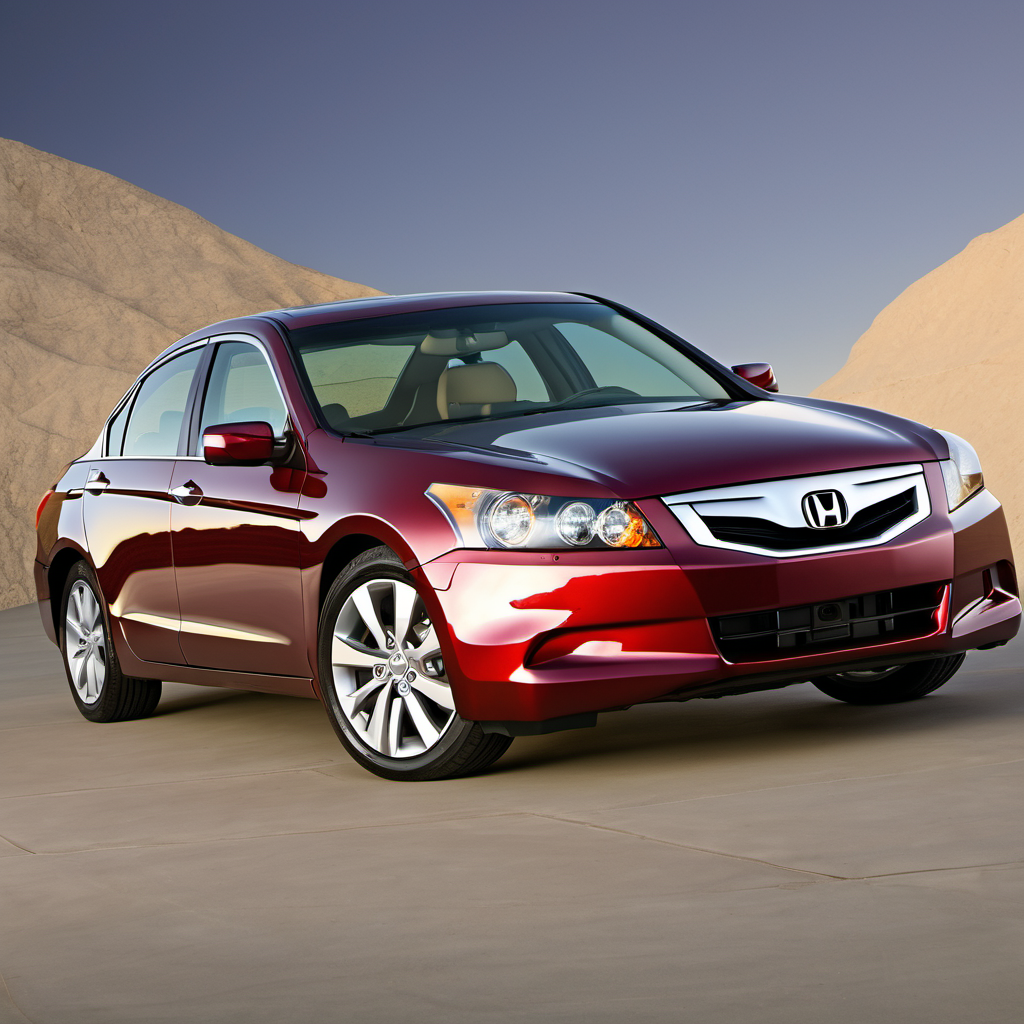
Same segment, similar price used, significantly better long-term reliability and resale value. The V6 Accord is a direct upgrade in nearly every ownership metric.
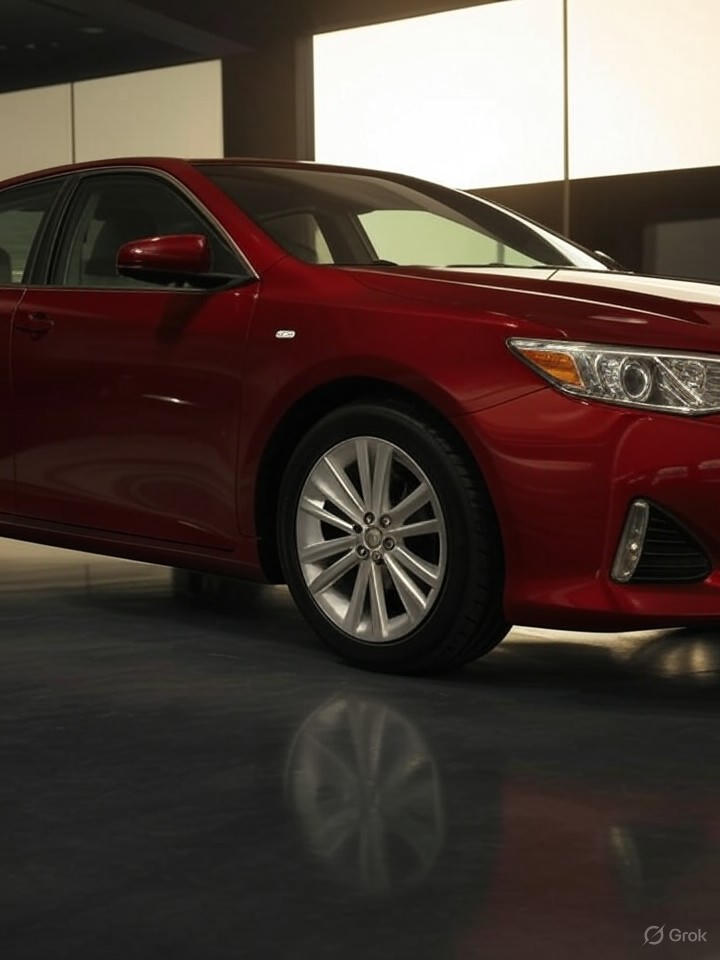
The benchmark mid-size sedan of this era. More reliable drivetrain, better resale, similar pricing used. The 3.5L V6 Camry is especially strong.
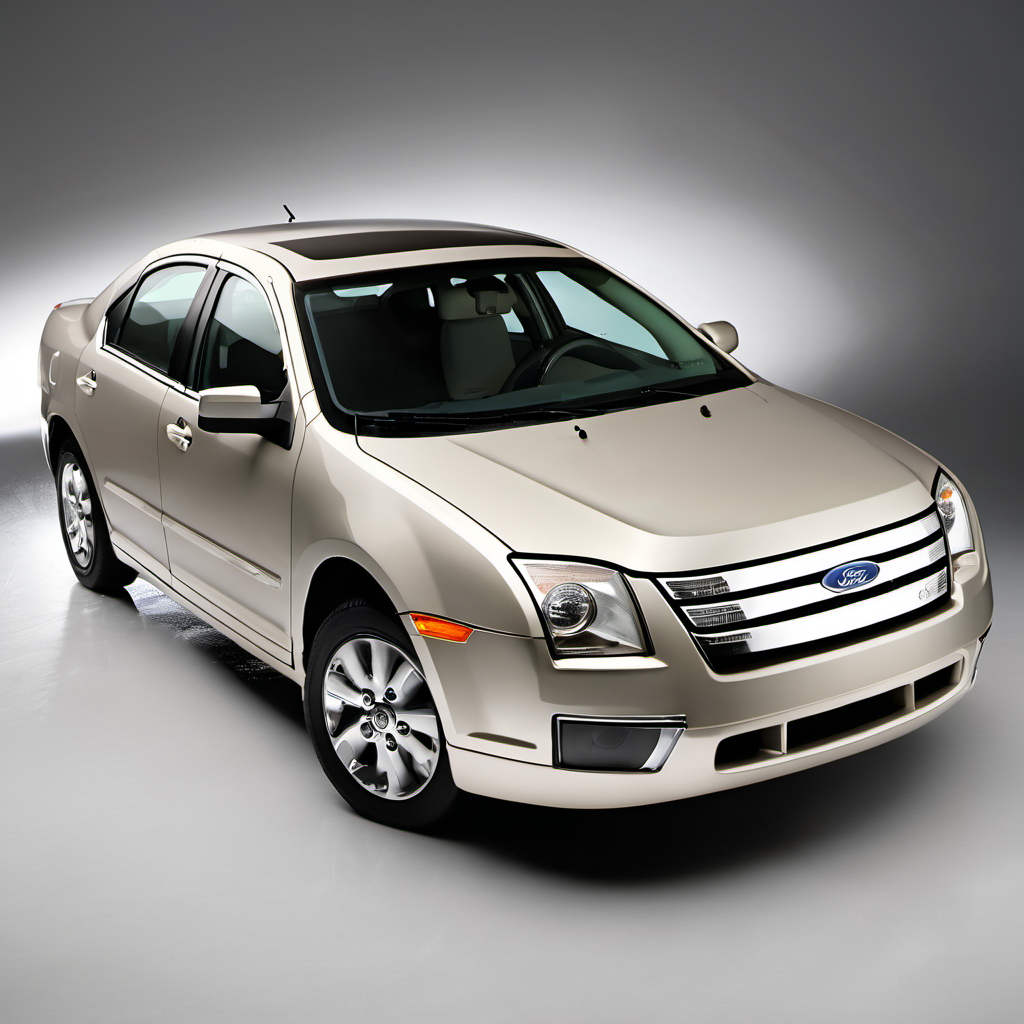
Domestic alternative with better reliability scores than the Sebring, comparable pricing, and a more refined interior for the segment.
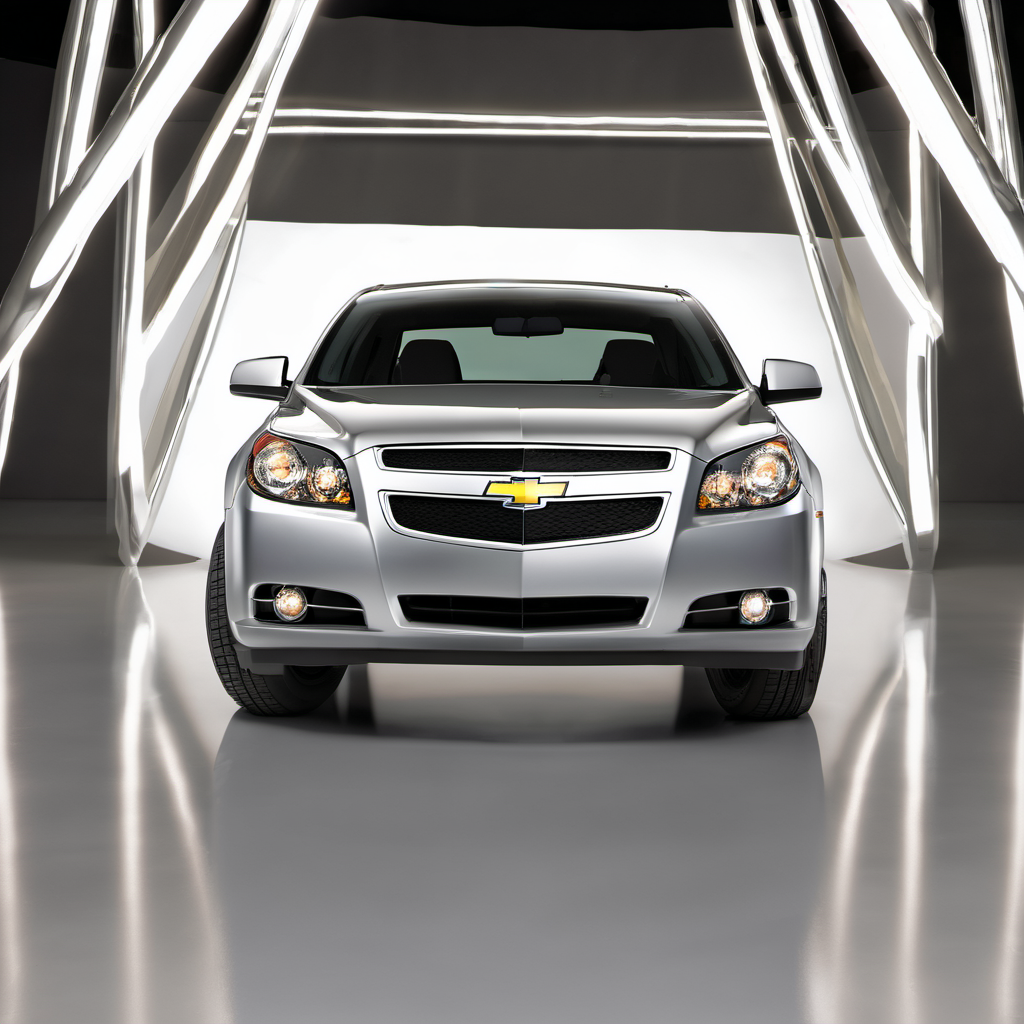
Another domestic mid-size option at a similar price point. The 2008+ Malibu was a significant improvement over prior generations and competes directly with the Sebring.