Touchtronic II Transmission Failure / Rough Shifting
high- Typically appears
- 60–90k mi
- Estimated repair
- $2,500 – $5,000
2009 Aston
5.9L V12
The 2009 Aston Martin DB9 is a hand-built British grand tourer powered by a 5.9L V12 engine producing 470 hp. It sits on an aluminum VH (Vertical Horizontal) platform shared with the Vantage and DBS, which keeps weight in check for a car this size. The DB9 was Aston Martin's everyday GT flagship during this era — genuinely usable for long-distance cruising but capable of serious performance when you ask for it. Power goes to the rear wheels through a rear-mounted Touchtronic II 6-speed automatic transaxle (a paddle-shift unit built around a ZF base). The aluminum-intensive construction means it's lighter than it looks, but it also means bodywork repairs are expensive and require specialist knowledge. Interior quality is excellent for the era, with hand-stitched leather throughout, though some switchgear was sourced from Ford (Aston's owner at the time) and feels out of place in a six-figure car. This is a specialist vehicle. It needs a shop familiar with Aston Martins or at minimum with low-volume European performance cars. Parts lead times can be long, dealer network is sparse, and labor costs are high even at independents. Buy it for the experience — don't buy it expecting Toyota reliability or Porsche parts availability.
The 2009 Aston Martin DB9 is a hand-built British grand tourer powered by a 5.9L V12 engine producing 470 hp. It sits on an aluminum VH (Vertical Horizontal) platform shared with the Vantage and DBS, which keeps weight in check for a car this size. The DB9 was Aston Martin's everyday GT flagship during this era — genuinely usable for long-distance cruising but capable of serious performance when you ask for it. Power goes to the rear wheels through a rear-mounted Touchtronic II 6-speed automatic transaxle (a paddle-shift unit built around a ZF base). The aluminum-intensive construction means it's lighter than it looks, but it also means bodywork repairs are expensive and require specialist knowledge. Interior quality is excellent for the era, with hand-stitched leather throughout, though some switchgear was sourced from Ford (Aston's owner at the time) and feels out of place in a six-figure car. This is a specialist vehicle. It needs a shop familiar with Aston Martins or at minimum with low-volume European performance cars. Parts lead times can be long, dealer network is sparse, and labor costs are high even at independents. Buy it for the experience — don't buy it expecting Toyota reliability or Porsche parts availability.
The V12 holds approximately 8.5 quarts and requires a specific full-synthetic specification. Oil quality matters more than on most cars — dirty oil accelerates wear on the VVT system and chain tensioners. Never stretch the interval.
Performance tires on a RWD GT car wear unevenly and are expensive. Rotation extends tire life and keeps handling balanced.
The V12 has 12 plugs. Worn plugs on this engine commonly trigger P0300 misfires and rough idle. Access is labor-intensive — budget accordingly.
Brake fluid is hygroscopic. On a car with large Brembo brakes and track potential, degraded fluid raises boil risk. Especially important if the car sits for extended periods.
Cooling system failures are a documented DB9 weakness. Check hoses, the reservoir, and thermostat at every major service. Do not wait for symptoms — overheating a V12 is an extremely expensive mistake.
The rear-mounted transaxle runs hot and the fluid degrades. Fresh fluid is the single best preventive measure against the most expensive repair on this car.
The DB9's electronics draw significant parasitic current. Repeated deep discharges damage the battery and can corrupt ECU memory. Use a quality battery tender whenever the car is stored — especially over Wisconsin winters.
The aluminum structure resists rust, but steel fasteners, brake lines, and suspension hardware are vulnerable to road salt. Catch corrosion early — hardware seized by rust is expensive to remove on a low-clearance GT car.
Always defer to the manufacturer's service manual for warranty-mandated intervals.
The DB9 is not a budget ownership proposition at any mileage. Routine annual maintenance in the $2,500–$4,000 range is realistic for a healthy, well-maintained car. Factor in that any significant repair — transmission, cooling system, suspension electronics, or exhaust — easily runs $1,500–$5,000+ at an independent specialist shop. Tires alone can run $1,500–$2,500 per set. Owners who try to cut corners on maintenance consistently end up spending far more on repairs. This car rewards diligent care and punishes neglect.
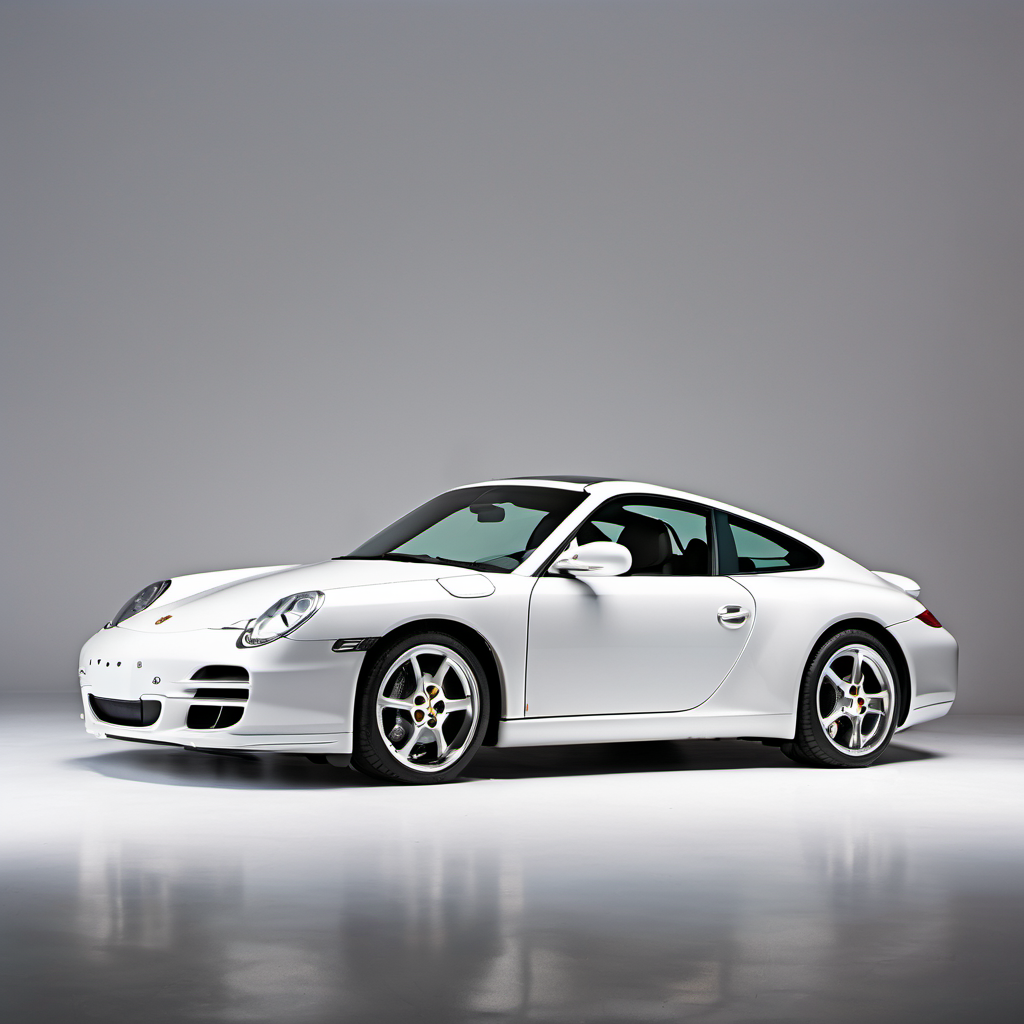
Similar price point and GT mission, but significantly better reliability, parts availability, and dealer/independent shop support in the Midwest. Less exotic, far more practical as a driver.
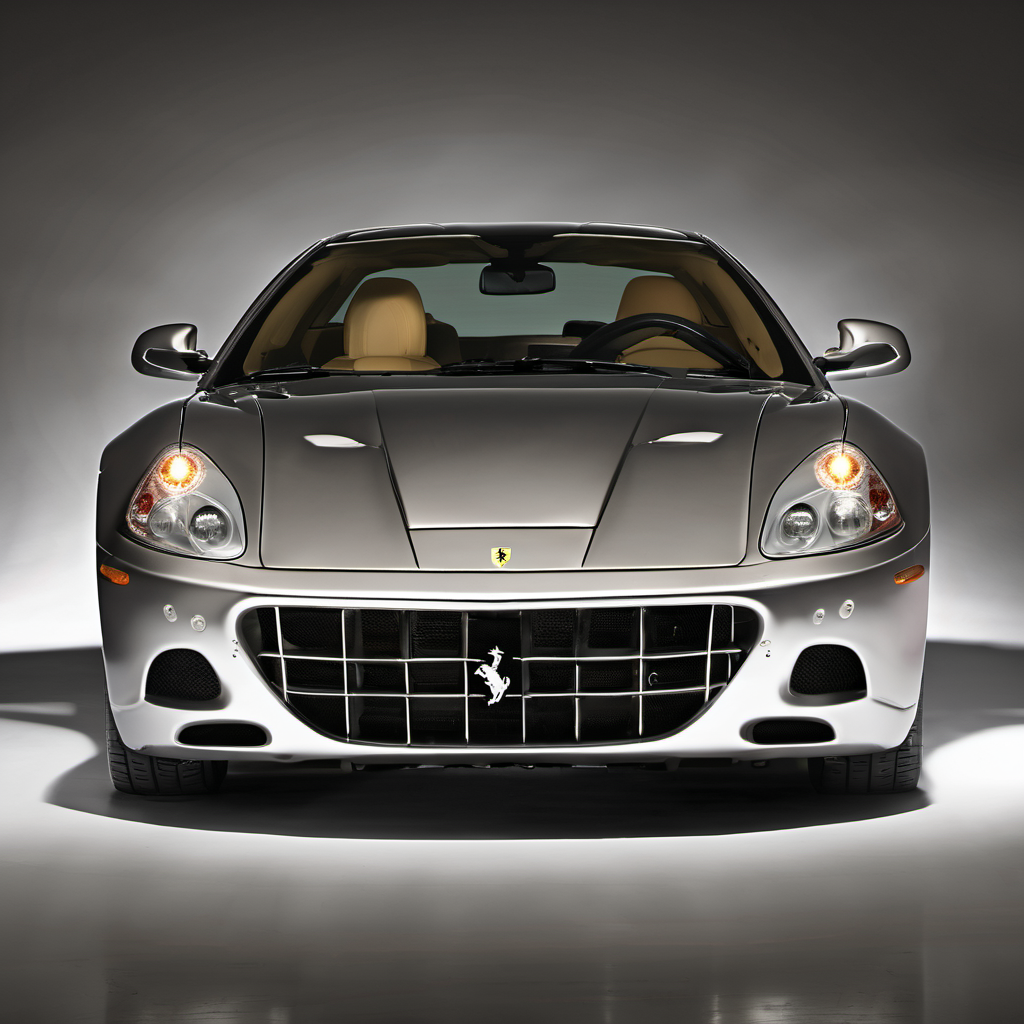
Same 2+2 GT segment, similar V12 character and hand-built appeal. Ferrari's dealer network is marginally better, but ownership costs are comparably high.

Comparable price, similar grand touring mission with a W12, more usable interior. Ownership costs are similarly high but parts sourcing through VW Group is somewhat easier.
More accessible running costs, strong AMG-adjacent performance, and a far wider service network in Wisconsin. Less exotic but considerably more reliable day-to-day.
No catalog match