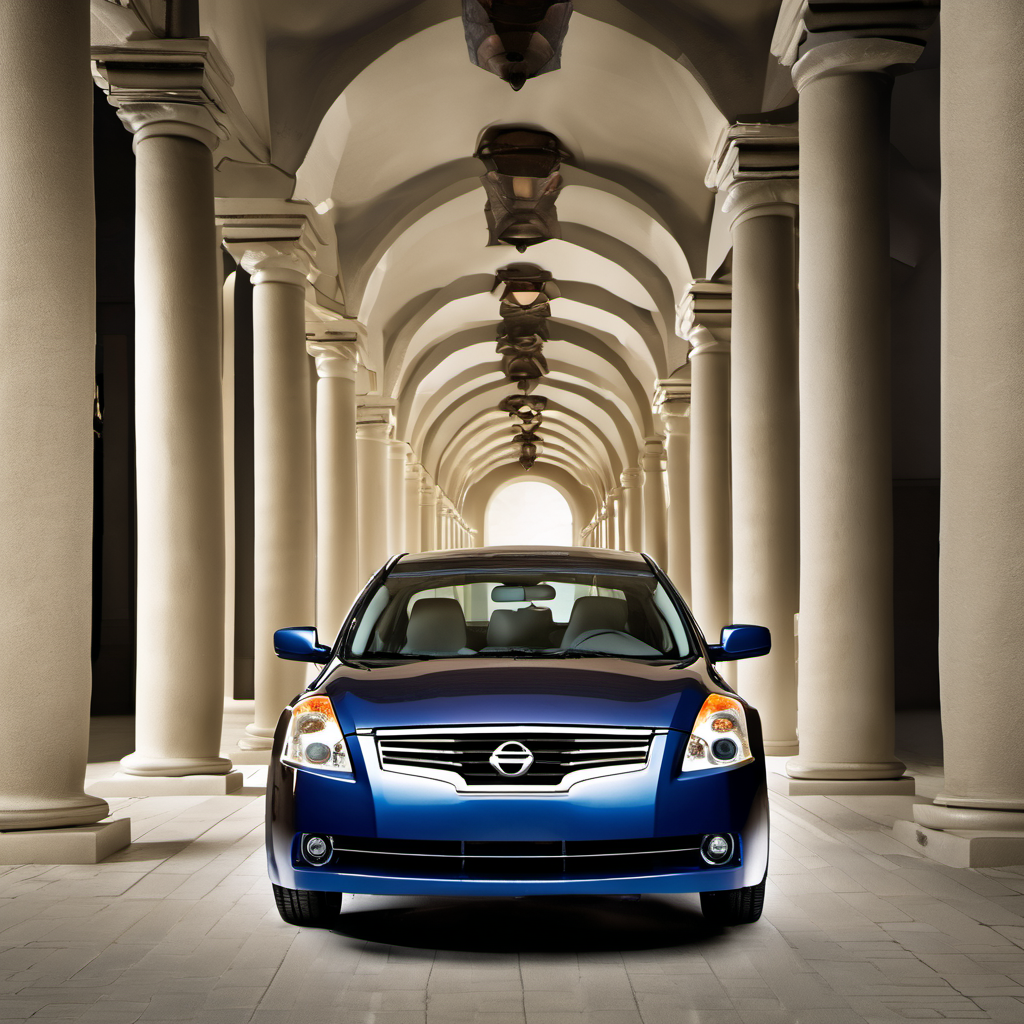
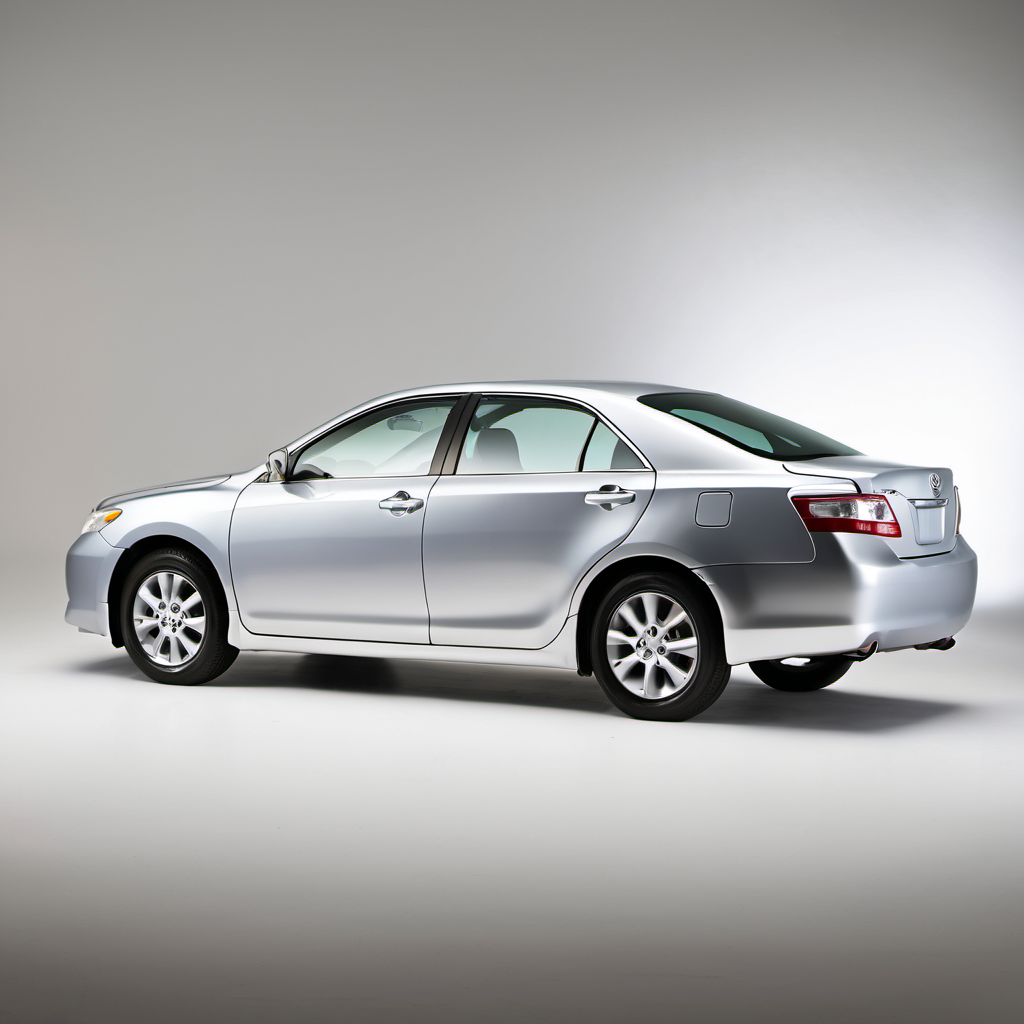
2008 Nissan Altima Sedan
Popular pick

2008 Nissan

AltimaSedan

2.5L 4-cylinder · Sedan

The 2008 Nissan Altima is the second model year of the fourth-generation (L32) platform, a significant refresh over its predecessor. It offered a roomier cabin, a stylish coupe-like roofline, and a well-regarded 2.5L QR25DE inline-four as the entry powertrain. The Altima was a volume leader in the competitive midsize sedan class, competing directly with the Camry and Accord. The 2.5L four-cylinder is generally a capable engine with decent fuel economy for its era, but this generation introduced Nissan's Variable Valve Timing Control System (VVEL precursor — actually CVTCS on the QR25DE), and the CVT transmission became standard, which is both a fuel-saver and a notable long-term ownership concern. At this age (16+ years), most examples on the road have well over 100k miles. The CVT is the single biggest risk factor on this vehicle — budget accordingly. Rust from Wisconsin road salt is a real concern on any example that has spent its life in the upper Midwest.

Reliability
3/5
Verified data
Specs shown for Altima Coupe — the most common configuration. Other trims may vary in engine, drivetrain, or fuel economy. Sign in to see your vehicle's exact specs.
Engine
[object Object]
Drivetrain
4x2
Fuel
Gasoline
MPG
23 city / 32 highway
Seats
Doors
4
Body
Subcompact Cars
MSRP
$19,990

Overview

AI-curated

The 2008 Nissan Altima is the second model year of the fourth-generation (L32) platform, a significant refresh over its predecessor. It offered a roomier cabin, a stylish coupe-like roofline, and a well-regarded 2.5L QR25DE inline-four as the entry powertrain. The Altima was a volume leader in the competitive midsize sedan class, competing directly with the Camry and Accord. The 2.5L four-cylinder is generally a capable engine with decent fuel economy for its era, but this generation introduced Nissan's Variable Valve Timing Control System (VVEL precursor — actually CVTCS on the QR25DE), and the CVT transmission became standard, which is both a fuel-saver and a notable long-term ownership concern. At this age (16+ years), most examples on the road have well over 100k miles. The CVT is the single biggest risk factor on this vehicle — budget accordingly. Rust from Wisconsin road salt is a real concern on any example that has spent its life in the upper Midwest.

Known for
  • Spacious, comfortable cabin for the class
  • Smooth, quiet highway ride
  • Competitive fuel economy (23/32 MPG)
  • CVT transmission — efficient but costly to replace
  • QR25DE engine oil consumption at higher mileage
Best for
  • Daily commuters who prioritize comfort and MPG
  • Budget-conscious buyers who maintain vehicles on schedule
  • Highway-heavy drivers
  • Single owners or small families needing a reliable A-to-B sedan
Watch for
  • CVT failure — a well-documented and expensive problem on this generation
  • Excessive oil consumption from the QR25DE engine after 80k miles
  • Catalytic converter degradation tied to oil consumption
  • Underbody and subframe rust on Wisconsin/salt-belt cars
  • Timing chain stretch and VVT solenoid issues at higher mileage

Common issues by mileage

6 known

CVT Transmission Failure

high
Typically appears
100–150k mi
Estimated repair
$2,800 – $4,500

Excessive Engine Oil Consumption (QR25DE)

high
Typically appears
80–150k mi
Estimated repair
$100 – $2,500

VVT (Variable Valve Timing) Solenoid / Timing Chain Stretch

medium
Typically appears
100–180k mi
Estimated repair
$400 – $1,200

Catalytic Converter Failure (accelerated by oil consumption)

medium
Typically appears
100–160k mi
Estimated repair
$600 – $1,400

Oxygen / A/F Sensor Failure

medium
Typically appears
80–130k mi
Estimated repair
$150 – $400

Underbody / Subframe Rust (salt-belt specific)

high
Typically appears
Any mileage on salt-belt cars
Estimated repair
$300 – $3,000

Maintenance schedule

  1. 1
    Every 40,000–50,000 miles (do not follow 'lifetime' fluid claims on used vehicles) CVT fluid change

    Nissan originally marketed the CVT fluid as long-life, but thermal degradation is a leading cause of CVT failure on this generation. Fresh fluid is the single best investment you can make in this transmission's longevity.

  2. 2
    Every 5,000 miles — check level every fill-up Engine oil change with consumption check

    The QR25DE is prone to oil consumption after 80k miles. Running a quart low accelerates wear on the timing chain and VVT components. Use the viscosity specified on the oil cap.

  3. 3
    At 100k miles or if P0012/P0015 codes appear Timing chain and VVT solenoid inspection

    Timing chain stretch and sludged VVT solenoids are related to oil change intervals. Catching them early prevents a much larger engine repair.

  4. 4
    Every 60,000 miles or 5 years Coolant flush

    Degraded coolant raises corrosion risk in the aluminum engine and radiator. Especially important heading into Wisconsin winters.

  5. 5
    Every 2–3 years Brake fluid flush

    Brake fluid absorbs moisture over time, lowering its boiling point and promoting internal corrosion in ABS components — a concern in a high-humidity, freeze-thaw climate.

  6. 6
    Every fall before first salt and every spring Underbody wash and rust inspection

    Wisconsin road salt attacks the subframe, control arm mounts, and brake lines on this generation Altima. Catching surface rust early and applying rust inhibitor is far cheaper than structural repairs.

  7. 7
    Every 15,000–20,000 miles Cabin and engine air filter replacement

    A clogged engine air filter stresses the MAF sensor and reduces fuel economy. Cabin filter affects HVAC efficiency, important for defrost performance in winter.

  8. 8
    Every 105,000 miles (OEM iridium plugs) Spark plug replacement

    Worn plugs on the QR25DE can worsen misfires and increase unburned fuel entering the catalytic converter, shortening its life — already at risk due to oil consumption.

Always defer to the manufacturer's service manual for warranty-mandated intervals.

Cost of ownership

Annual maintenance
$500 – $1,200
Fuel
At 27 combined MPG and ~12,000 miles/year, expect roughly $1,400–$1,700/year at $3.50–$4.00/gallon. Highway-heavy driving improves this noticeably.
Insurance
Typically $900–$1,400/year in Wisconsin for full coverage on a vehicle this age, depending on driver profile. Liability-only is considerably less.

Routine annual costs are modest compared to newer vehicles — parts are widely available and inexpensive. The financial wildcard is the CVT: a failure without an extended warranty or CVT service history can cost more than the car's market value. Budget a CVT fluid service immediately if history is unknown, and set aside a repair reserve. Rust remediation can also add unexpected costs on any salt-belt example.
Seasonal care

Lake Geneva, WI
Winter
  • Switch to a full synthetic 0W-20 or 5W-30 (per owner's manual) for easier cold cranking — critical when temperatures drop below 0°F in Lake Geneva
  • Test the battery before November; a battery over 4 years old should be load-tested and replaced proactively. Cold weather dramatically reduces cranking capacity.
  • Upgrade to winter-rated wiper blades and fill washer fluid reservoir with a -20°F or colder rated fluid — standard fluid freezes on the windshield at Wisconsin temps
  • Inspect brake lines and rubber brake hoses for corrosion and cracking; salt accelerates deterioration and a brake line failure in winter is dangerous
  • Check tire tread depth and consider dedicated winter tires — this is a FWD car with modest ground clearance (5.4 in), and all-season tires lose significant grip below 40°F
  • Rinse the undercarriage every 1–2 weeks during salting season to slow subframe and brake line corrosion
Summer
  • Check tire pressure after the first warm week — pressure rises roughly 1 PSI per 10°F increase and overinflated tires reduce grip and wear unevenly
  • Inspect the A/C system for proper cooling; the condenser sits in front of the radiator and a refrigerant recharge may be needed on a vehicle this age
  • Check coolant level and condition before summer heat — a degraded 50/50 mix raises the risk of overheating, especially in stop-and-go traffic
  • Inspect serpentine belt for cracking or glazing; heat accelerates rubber degradation and a belt failure strands you

Comparable vehicles

If you're shopping for one

Red flags
  • Any CVT shudder, slip, or delayed engagement — walk away or price in a $3,000+ repair
  • Oil consumption confirmed at more than 1 quart per 1,000 miles without a clear remediation plan
  • Visible subframe rust or brake line corrosion — structural repairs can exceed the car's value
  • Active P0012 or P0015 codes without a recent VVT solenoid and oil change service
  • No maintenance records on a vehicle over 100k miles — unknown CVT fluid history is a serious gamble
  • Signs of coolant in oil (milky residue on dipstick or oil cap) indicating possible head gasket seepage
What to inspect
  • CVT operation: listen for shuddering, slipping, or whining under light acceleration — these are early failure signs
  • Oil level and condition: pull the dipstick; a quart or more low on a warm engine signals consumption problems
  • Undercarriage: inspect subframe mounting points, rear control arm brackets, and brake lines for rust — especially on any car sold in Wisconsin or surrounding states
  • Timing chain rattle: a cold-start tick or rattle from the front of the engine that clears after 30 seconds suggests chain stretch or low oil pressure to VVT solenoids
  • Request a full scan for stored and pending codes — VVT codes (P0012, P0015) and CVT network codes (U0100, U0101) are red flags
  • Check for any CVT fluid service records; dark brown or burnt-smelling fluid means the transmission has been neglected
AI profile generated 4 days ago · claude-sonnet-4-6 · v2.