F1 Paddle-Shift Clutch Wear and Actuator Failure
high- Typically appears
- 10,000–40,000 mi
- Estimated repair
- $4,000 – $12,000
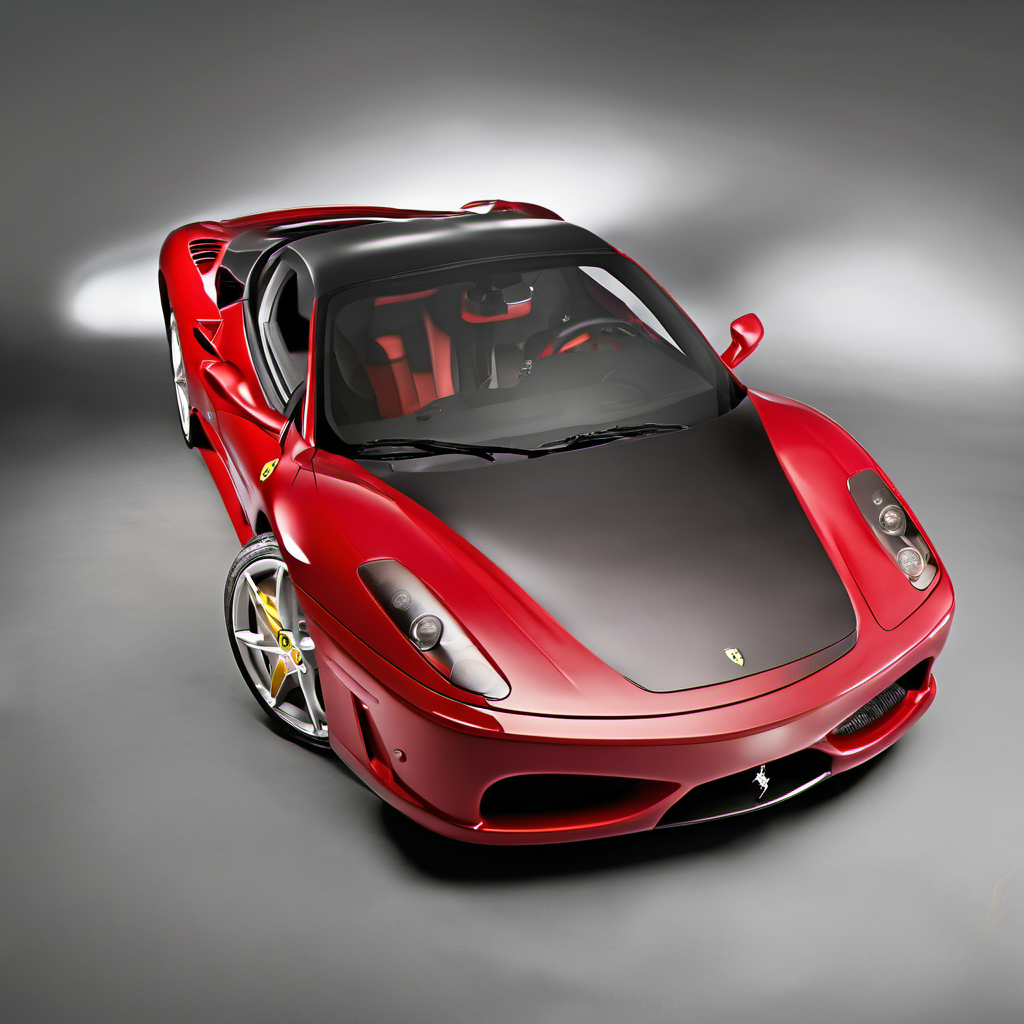
2008 Ferrari
Convertible
The 2008 Ferrari F430 Spider is a mid-engine, rear-wheel-drive convertible sports car built in Maranello, Italy. Powered by a 4.3L naturally aspirated V8 producing 483 horsepower, it was widely regarded as one of Ferrari's most driver-focused road cars of its era — offering genuine race-derived technology including an E-Diff electronic differential, F1-style steering wheel controls, and a sonorous flat-plane-crank engine that revs to 8,500 RPM. The F430 Spider replaced the 360 Spider and was sold from 2005 to 2009. It can be equipped with either a traditional 6-speed gated manual or Ferrari's F1 paddle-shift single-clutch automated manual (F1 transmission), the latter being far more common on U.S. cars. Power is routed to the rear wheels only, and the mid-engine layout gives it a balanced, rear-biased weight distribution prized by enthusiasts. Owning an F430 in the upper Midwest demands serious commitment. This is a low-slung exotic that is not designed for salt, cold soaks, or potholed Wisconsin roads. Most knowledgeable owners store it from November through April and budget for Ferrari-specialist maintenance costs that dwarf any mainstream vehicle.
The 2008 Ferrari F430 Spider is a mid-engine, rear-wheel-drive convertible sports car built in Maranello, Italy. Powered by a 4.3L naturally aspirated V8 producing 483 horsepower, it was widely regarded as one of Ferrari's most driver-focused road cars of its era — offering genuine race-derived technology including an E-Diff electronic differential, F1-style steering wheel controls, and a sonorous flat-plane-crank engine that revs to 8,500 RPM. The F430 Spider replaced the 360 Spider and was sold from 2005 to 2009. It can be equipped with either a traditional 6-speed gated manual or Ferrari's F1 paddle-shift single-clutch automated manual (F1 transmission), the latter being far more common on U.S. cars. Power is routed to the rear wheels only, and the mid-engine layout gives it a balanced, rear-biased weight distribution prized by enthusiasts. Owning an F430 in the upper Midwest demands serious commitment. This is a low-slung exotic that is not designed for salt, cold soaks, or potholed Wisconsin roads. Most knowledgeable owners store it from November through April and budget for Ferrari-specialist maintenance costs that dwarf any mainstream vehicle.
Ferrari's required interval for the F430. Cam belt failure is engine-destroying. On a car that logs few annual miles, the calendar interval matters more than mileage. This is the single most important service on the car.
The single-clutch F1 system uses a hydraulic actuator and self-adjusting clutch that still requires periodic inspection. Ignoring it leads to harsh engagement and eventually actuator pump failure.
Uses full synthetic Ferrari-approved 5W-40. Oil that sits through a storage season should be changed at spring commissioning regardless of mileage.
The F430 has significant parasitic draw from its ECUs and alarm system. A flat battery can trigger multiple U-code CAN network faults and damage sensitive modules. A quality battery maintainer on a dedicated circuit is essential.
DOT 4 fluid is hygroscopic and degrades quickly. On a high-performance car with carbon-ceramic or steel brakes generating extreme heat, degraded fluid is a safety issue.
The Spider roof uses a hydraulic system prone to slow leaks at seals and cylinder ends. Catching a small leak early avoids pump damage and costly actuator replacement.
The F430 uses staggered low-profile performance tires that are sensitive to cold pressure loss. Wisconsin temperature swings from summer to fall can drop pressure 6–8 PSI. Tire sidewalls also age faster than tread wears on a low-mileage exotic — inspect for cracking.
Wisconsin road salt is highly corrosive to aluminum suspension components, brake lines, and the exhaust system. This car should not be driven on salted roads — but if it is, flush the undercarriage immediately and inspect.
Always defer to the manufacturer's service manual for warranty-mandated intervals.
The F430 is inexpensive to buy relative to its original MSRP, but annual costs are anything but. Budget a minimum of $3,000/yr for routine maintenance on a well-maintained, low-mileage car in regular seasonal use — and $8,000–$12,000+ in any year that requires major service, F1 clutch work, or suspension/brake components. Deferred maintenance multiplies costs quickly. Storage costs, insurance, tires (often $2,000–$3,500 per set), and specialty shop labor should all be factored in before purchase.

Direct segment rival — mid-engine V10 convertible exotic, similar price point new, comparable ownership costs, and a similar buyer profile. AWD versus RWD is the key dynamic difference.
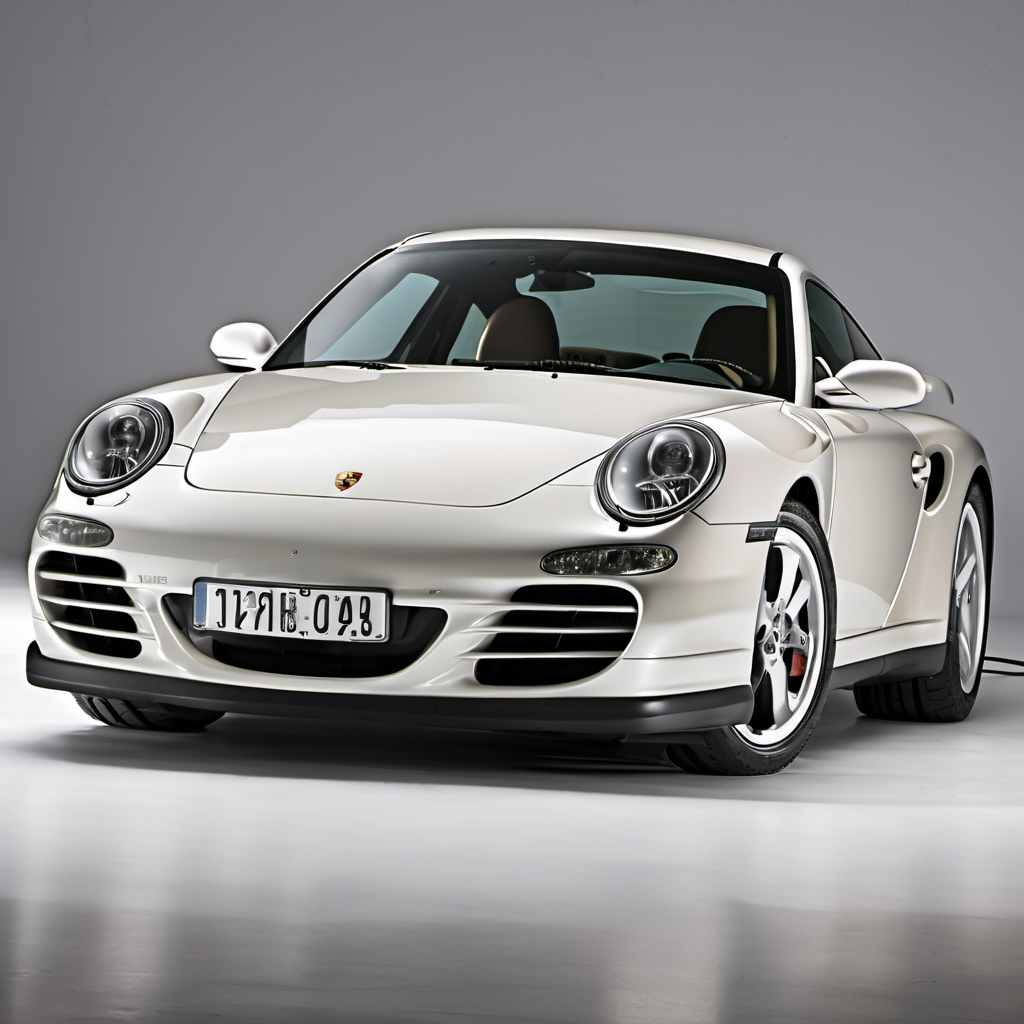
Rear-engine convertible sports car at a lower price point, significantly better reliability and parts availability, but slower and less exotic. A rational alternative for buyers who want open-top performance without F430-level ownership complexity.
Front-engine V8 convertible in a similar price range. More usable daily, comparably beautiful, but lacks the F430's mid-engine dynamics and legendary engine note.
No catalog match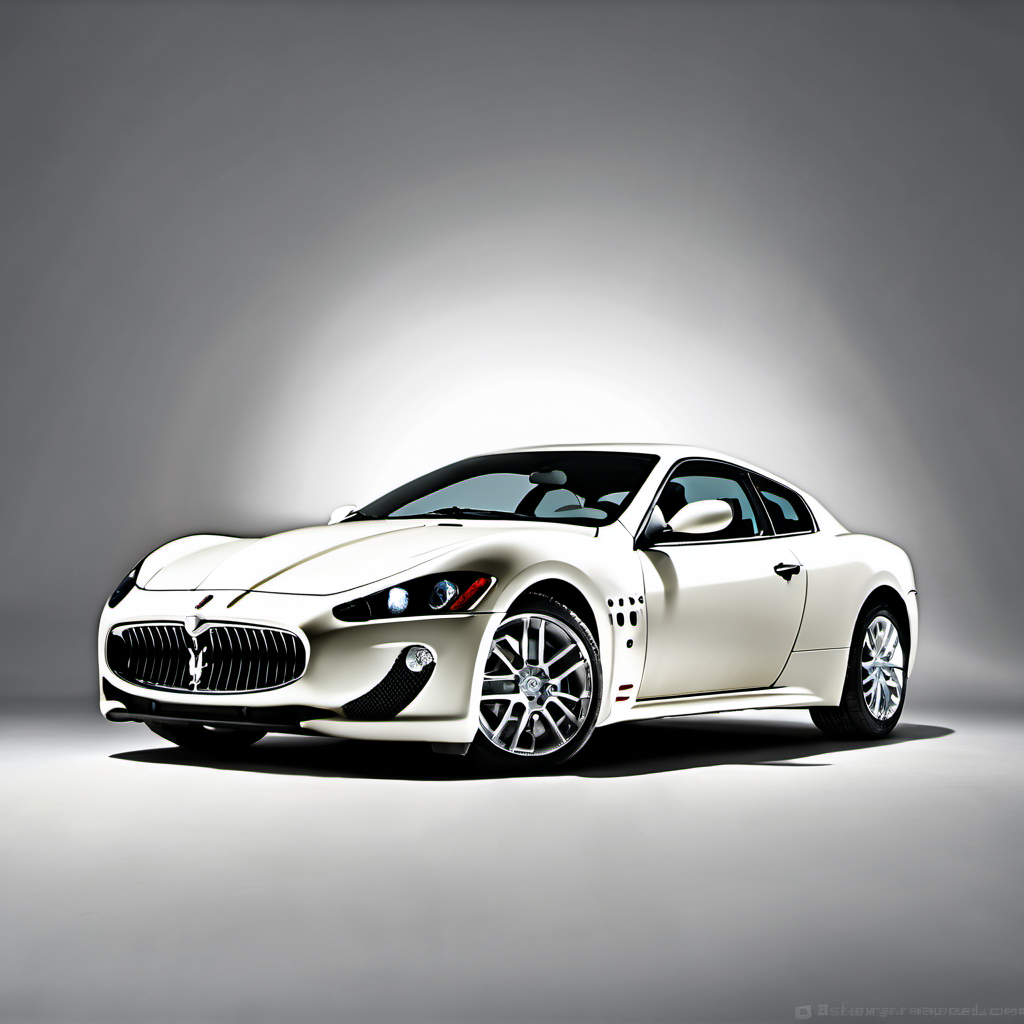
Italian V8 grand tourer at a lower price point. More of a GT car than a pure sports car, but shares the exotic Italian ownership experience and is in the same used-market price neighborhood.