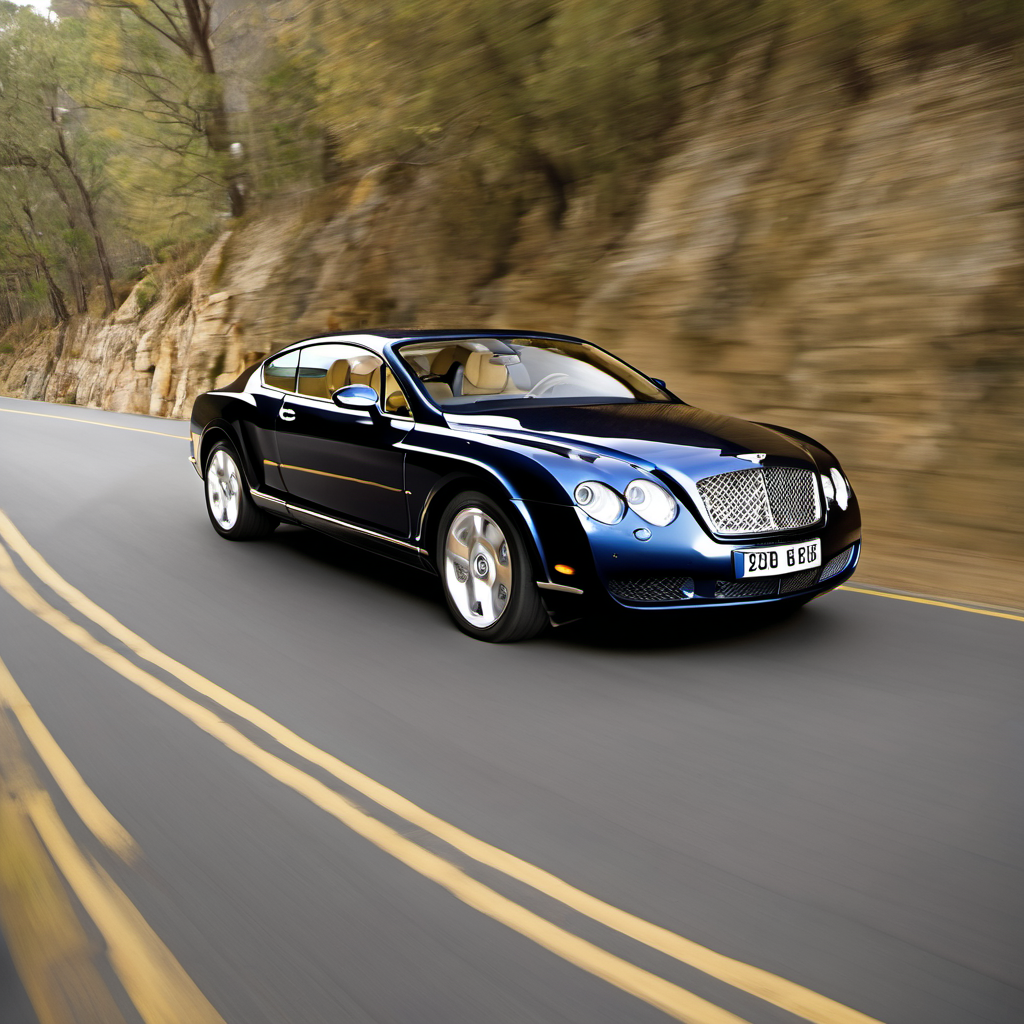
2008 Aston Martin DB9

2008 Aston

Martin DB9

5.9L V12

The 2008 Aston Martin DB9 is a hand-built British grand tourer powered by a 5.9L V12 engine producing 450 hp. It was Aston Martin's flagship GT during this era, built on an aluminum VH platform at the Gaydon factory in England. The DB9 sits in a rare class — it's fast enough to be genuinely exciting on a track yet refined enough for long highway cruises. This generation DB9 uses a six-speed Touchtronic 2 automated manual transmission (paddle shifters, no traditional torque converter) mounted in the rear transaxle for near-perfect 50/50 weight distribution. The all-aluminum body means corrosion resistance is better than most steel-bodied cars of the era, but it also means any collision repair is expensive and requires specialist knowledge. Owning a 2008 DB9 means accepting that this is a specialist vehicle. Parts are expensive, many items are dealer- or specialist-only, and routine service costs several times what you'd pay on a mainstream car. That said, owners who keep up with maintenance and garage the car properly report strong reliability from the V12 itself.

Reliability
3/5
Engine
[object Object]
Drivetrain
RWD
Fuel
Gasoline
MPG
12 city / 19 hwy / 15 combined
Seats
4
Doors
2
Body
Coupe
MSRP
$168,000

Overview

AI-curated

The 2008 Aston Martin DB9 is a hand-built British grand tourer powered by a 5.9L V12 engine producing 450 hp. It was Aston Martin's flagship GT during this era, built on an aluminum VH platform at the Gaydon factory in England. The DB9 sits in a rare class — it's fast enough to be genuinely exciting on a track yet refined enough for long highway cruises. This generation DB9 uses a six-speed Touchtronic 2 automated manual transmission (paddle shifters, no traditional torque converter) mounted in the rear transaxle for near-perfect 50/50 weight distribution. The all-aluminum body means corrosion resistance is better than most steel-bodied cars of the era, but it also means any collision repair is expensive and requires specialist knowledge. Owning a 2008 DB9 means accepting that this is a specialist vehicle. Parts are expensive, many items are dealer- or specialist-only, and routine service costs several times what you'd pay on a mainstream car. That said, owners who keep up with maintenance and garage the car properly report strong reliability from the V12 itself.

Known for
  • Hand-built 5.9L V12 producing a distinctive exhaust note
  • Aluminum VH platform with excellent torsional rigidity
  • Rear-mounted Touchtronic 2 transaxle for 50/50 weight balance
  • Striking Marek Reichman exterior design that aged very well
  • Low production numbers — genuine rarity on the road
Best for
  • Enthusiasts who want a GT car with real exclusivity
  • Weekend and warm-weather driving, not daily commuting
  • Buyers with a dedicated specialist shop and parts budget
  • Collectors looking for an appreciating-era Aston Martin
  • Drivers who prioritize driving feel and character over reliability scores
Watch for
  • High cost of ownership — nearly everything is more expensive than it looks
  • Touchtronic transmission requires specialist diagnosis; don't let a generalist shop guess
  • Aluminum body repairs require trained technicians and drive up collision costs sharply
  • Electronics and infotainment were early 2000s-era tech — aged poorly and parts are scarce
  • This is not a car to store outdoors in a Wisconsin winter without proper prep

Common issues by mileage

6 known

Random/Multiple Cylinder Misfire

medium
Typically appears
70–90k mi
Estimated repair
$350 – $700

Catalytic Converter Efficiency Fault

medium
Typically appears
75–100k mi
Estimated repair
$1,000 – $2,500

Fuel Trim / System Lean Faults (Both Banks)

medium
Typically appears
60–80k mi
Estimated repair
$250 – $600

Transmission Fluid Leak (Touchtronic Transaxle)

medium
Typically appears
60–90k mi
Estimated repair
$600 – $1,200

Coolant Hose Failure

medium
Typically appears
50–80k mi
Estimated repair
$500 – $900

Power Steering Pump Failure

medium
Typically appears
70–100k mi
Estimated repair
$1,000 – $1,800

Maintenance schedule

  1. 1
    Every 5,000 miles or 6 months, whichever comes first Oil & Filter Change

    The V12 runs tight tolerances and is hard on oil. Use only the specified full-synthetic grade. Wisconsin cold-soaks make fresh oil even more important at startup.

  2. 2
    Every 10,000 miles or 12 months Tire Rotation

    RWD and 450 hp create uneven rear wear. Rotation extends tire life and helps you catch irregular wear before an expensive set is ruined.

  3. 3
    Every 2 years regardless of mileage Brake Fluid Flush

    DOT 4 fluid is hygroscopic — Wisconsin humidity and temperature swings accelerate moisture absorption, which lowers boiling point and invites corrosion in the calipers.

  4. 4
    Every 30,000 miles or 3 years Coolant System Inspection & Flush

    Coolant hose failures are a known weak point on this generation DB9. Inspect hose condition at every service; a hose failure at highway speed can destroy the engine.

  5. 5
    Every 60,000 miles or 6 years Transmission Fluid Change (Touchtronic)

    The rear-mounted transaxle runs hot in spirited driving. Fresh fluid prevents the valve body wear and seal degradation that leads to expensive leaks and shift quality issues.

  6. 6
    Whenever the car will sit more than 2 weeks Battery Tender (Trickle Charge) During Storage

    The DB9's electronics draw a continuous parasitic load. Wisconsin winters often mean months of storage — a flat battery stresses the AGM battery and can corrupt control module memory.

  7. 7
    Every 40,000 miles Spark Plug Inspection & Replacement

    12 plugs in a tight engine bay — labor alone is significant. Worn plugs on this V12 quickly lead to misfires (P0300) and can trigger lean codes as combustion efficiency drops.

  8. 8
    Every 30,000 miles or if check engine light appears EVAP System Inspection

    Small EVAP leaks are common and can be as simple as a degraded fuel cap seal or as involved as a cracked vapor line. Catch early to avoid emissions test failures.

Always defer to the manufacturer's service manual for warranty-mandated intervals.

Cost of ownership

Annual maintenance
$2,500 – $6,000
Fuel
Premium 91+ octane required. Expect 12–15 mpg in mixed Wisconsin driving. Budget $3,500–$5,500/year for fuel at typical usage of 6,000–8,000 miles annually.
Insurance
Expect $2,000–$4,500/year for a agreed-value collector or specialty policy, which is strongly recommended over standard auto coverage given the vehicle's value.

The DB9 is genuinely expensive to maintain — not because it breaks constantly, but because when it does need attention, every part and every labor hour costs more than a mainstream vehicle. A healthy car with no deferred maintenance runs $2,500–$4,000/year in routine service. Add any unplanned repairs (transmission work, cooling system, power steering) and a single bad year can exceed $8,000–$12,000 easily. Budget accordingly and never skip a service to save money short-term.

Seasonal care

Lake Geneva, WI
Winter
  • Store the car — the DB9 is not designed for salted roads. Road salt will attack the aluminum subframe bonding points and any exposed steel fasteners, and low ground clearance increases splash exposure.
  • Connect a battery tender for the entire storage period. The car's electronics draw current continuously and Wisconsin winters are long.
  • Change to fresh oil before storage so acids from combustion byproducts don't sit in the engine all winter.
  • Top off the fuel tank and add a fuel stabilizer if storing more than 60 days to prevent ethanol-blend fuel from separating and degrading.
  • Inflate tires to the upper end of the recommended range before storage to reduce flat-spotting from the cold and the weight of the vehicle sitting stationary.
  • If the car must be driven in winter, use only freeze-rated washer fluid rated to at least -20°F and inspect wiper blades — the low hood angle means windshield visibility is critical.
Summer
  • Check tire pressure monthly — ambient temperature swings between Wisconsin spring and summer can shift pressure by 4–6 PSI, and summer heat adds more. The DB9's low-profile tires are unforgiving of underinflation.
  • Inspect the A/C system at the start of the season. The V12 generates significant heat soak in slow traffic; a weak A/C makes the cabin unbearable and the engine runs hotter with a struggling compressor.
  • Monitor coolant temperature closely, especially in stop-and-go traffic. The DB9's aluminum engine and tight engine bay are more susceptible to heat soak than the highway cruising it was designed for.
  • Check for coolant hose softness or swelling during the pre-season inspection — heat cycles accelerate hose degradation and summer is when they fail.

Comparable vehicles

If you're shopping for one

Red flags
  • Any gap in the service record, especially around the 40–60k mile mark when clutch, plugs, and fluid services all converge.
  • Evidence the car was ever driven on salted winter roads — check wheel wells, underside, and around door sills carefully.
  • Aftermarket tune or modified ECU — warranty is long gone but it complicates diagnostics and can mask engine issues.
  • Seller cannot produce Aston Martin dealer or recognized specialist service records — a generic quick-lube history on a DB9 is a serious warning.
  • Any signs of overheating history: discolored coolant, milky oil residue on the dipstick, or warped valve cover gaskets.
  • Mismatched paint panels or filler detected by paint depth gauge — aluminum repair done wrong is a structural and financial liability.
What to inspect
  • Full documented service history — gaps are deal-breakers on this car; deferred maintenance is extremely expensive to catch up on.
  • Cooling system: squeeze hoses, check for staining around the expansion tank and around hose clamps. A single neglected hose can destroy a $30,000+ engine.
  • Touchtronic transmission behavior: shifts should be smooth with no hesitation, clunking, or slipping. Have a specialist perform a transmission fluid condition check.
  • Aluminum body panel fit and finish: look for gaps that indicate prior accident repair; aluminum repairs done by unqualified shops often hide structural concerns.
  • Battery condition and electrical function: test every power feature — windows, mirrors, infotainment, parking sensors. Electrical gremlins are common and parts are scarce.
  • Undercarriage inspection for corrosion at aluminum-to-steel fastener points, especially if the car's history includes any winter road use.
  • Power steering pump: listen for whine at full lock; inspect for fluid seepage around the pump body.
  • Check engine light history via Aston-specific scan tool — generic OBD2 readers will not capture all stored codes on this vehicle.
AI profile generated 4 days ago · claude-sonnet-4-6 · v2.