F1 Gearbox Hydraulic Pump & Accumulator Failure
high- Typically appears
- 20–60k mi (also age-related regardless of mileage)
- Estimated repair
- $1,500 – $6,000
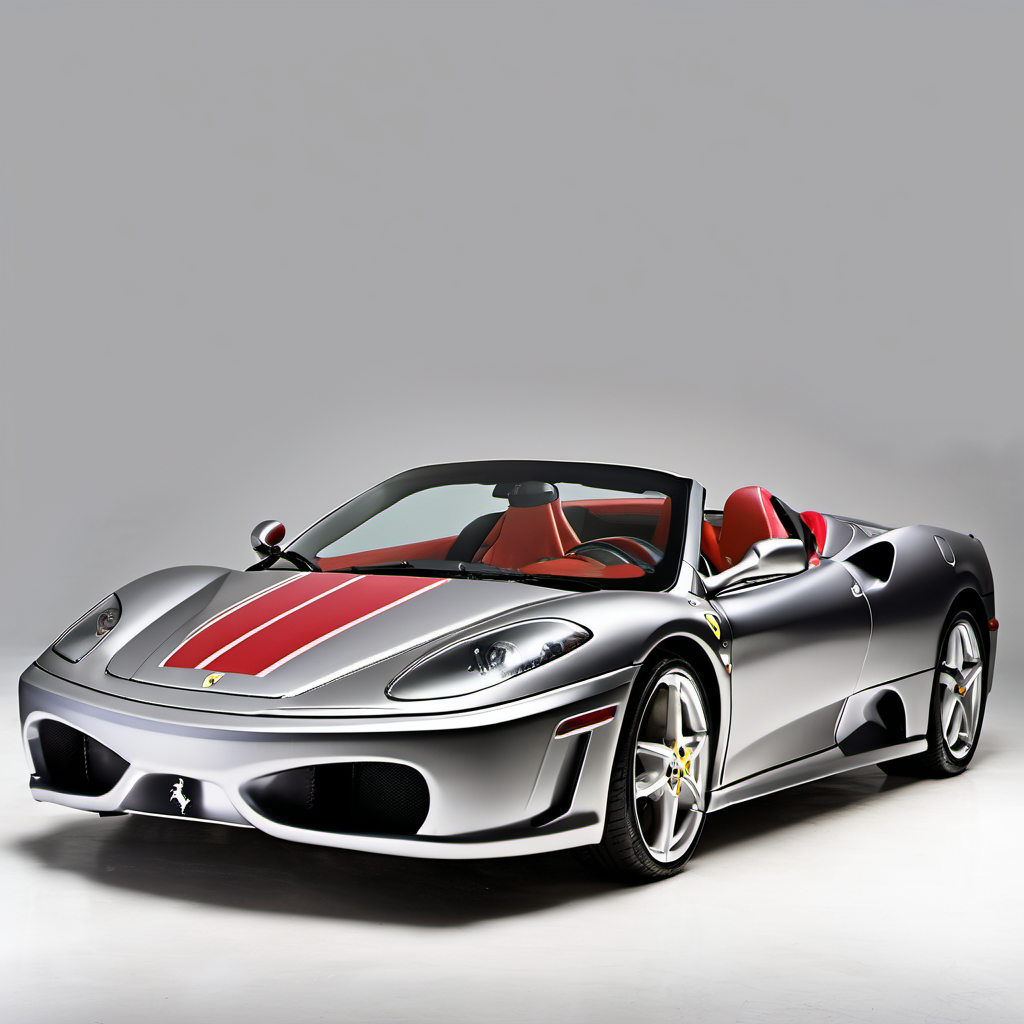
2007 Ferrari
Convertible
The 2007 Ferrari F430 Spider is a mid-engine, rear-wheel-drive convertible built on Ferrari's aluminum space frame platform. Powered by a 4.3L V8 revving to 8,500 RPM, it produces 483 horsepower and is widely regarded as one of Ferrari's most driver-focused cars of the era. The F430 introduced the E-Diff (electronic differential) and F1-SuperFast2 paddle-shift gearbox as standard features, making it a technological landmark in Ferrari's lineup. As a Spider (convertible), it adds a folding fabric top to the coupe's already exceptional mid-engine layout without meaningfully compromising rigidity. Curb weight is around 3,200 lbs — light for a car of its performance — and 0–60 comes in under 4 seconds. The naturally aspirated engine is one of the most celebrated Ferrari units ever made, derived partly from the Enzo V8. Owning an F430 in a climate like Lake Geneva's demands preparation and commitment. This is a low-slung sports car not designed for Wisconsin winters. Expect to store it seasonally, budget generously for maintenance, and use only Ferrari-authorized service for many tasks. Running costs are high by any standard, but ownership of a well-maintained example is deeply rewarding.
The 2007 Ferrari F430 Spider is a mid-engine, rear-wheel-drive convertible built on Ferrari's aluminum space frame platform. Powered by a 4.3L V8 revving to 8,500 RPM, it produces 483 horsepower and is widely regarded as one of Ferrari's most driver-focused cars of the era. The F430 introduced the E-Diff (electronic differential) and F1-SuperFast2 paddle-shift gearbox as standard features, making it a technological landmark in Ferrari's lineup. As a Spider (convertible), it adds a folding fabric top to the coupe's already exceptional mid-engine layout without meaningfully compromising rigidity. Curb weight is around 3,200 lbs — light for a car of its performance — and 0–60 comes in under 4 seconds. The naturally aspirated engine is one of the most celebrated Ferrari units ever made, derived partly from the Enzo V8. Owning an F430 in a climate like Lake Geneva's demands preparation and commitment. This is a low-slung sports car not designed for Wisconsin winters. Expect to store it seasonally, budget generously for maintenance, and use only Ferrari-authorized service for many tasks. Running costs are high by any standard, but ownership of a well-maintained example is deeply rewarding.
The high-revving V8 operates at extreme tolerances. Ferrari's short oil-change interval is not optional — skipping it accelerates wear in the variable valve timing system and cam journals.
Hygroscopic brake fluid absorbs moisture over time, dropping boiling point dangerously — critical on a track-capable car with carbon-ceramic or performance iron rotors.
The F430 uses twin spark plugs per cylinder. Worn plugs cause misfires, rough idle, and can mask or trigger VVT-related fault codes.
The F430's electronics, ECU, F1 gearbox pump, and alarm system drain a stored battery within weeks. A dead battery causes CAN bus faults and may require ECU resets.
Aluminum engine components are sensitive to degraded coolant chemistry. In Wisconsin's freeze-thaw cycles, proper freeze protection (−34°F minimum) and fresh inhibitors are essential.
The hydraulic pump and accumulators that drive the paddle-shift system depend on clean fluid and correct pressure. Deferred service is the leading cause of expensive actuator failures.
Wisconsin winters cause rubber seals to crack and folding top hardware to corrode or stiffen. Catching seal failures early prevents interior water damage.
The F430 sits very low (approx. 4.3 in ground clearance). If driven on salted roads at any point, undercarriage corrosion can attack aluminum components and exhaust heat shielding quickly.
Always defer to the manufacturer's service manual for warranty-mandated intervals.
The F430 Spider is not an inexpensive car to own. Routine annual service alone runs $3,500–$5,000 at an independent Ferrari specialist. Major services (30k-mile intervals with spark plugs, fluids, and inspections) can reach $8,000–$12,000. Any F1 gearbox or VVT work easily adds $2,000–$6,000 on top of scheduled service. Storage costs (a heated garage or climate-controlled storage is strongly recommended in Lake Geneva), insurance, and tires (typically $1,500–$2,500 per set for performance rubber) add further. Budget conservatively at $8,000–$15,000 per year all-in for a lightly driven, well-maintained example.
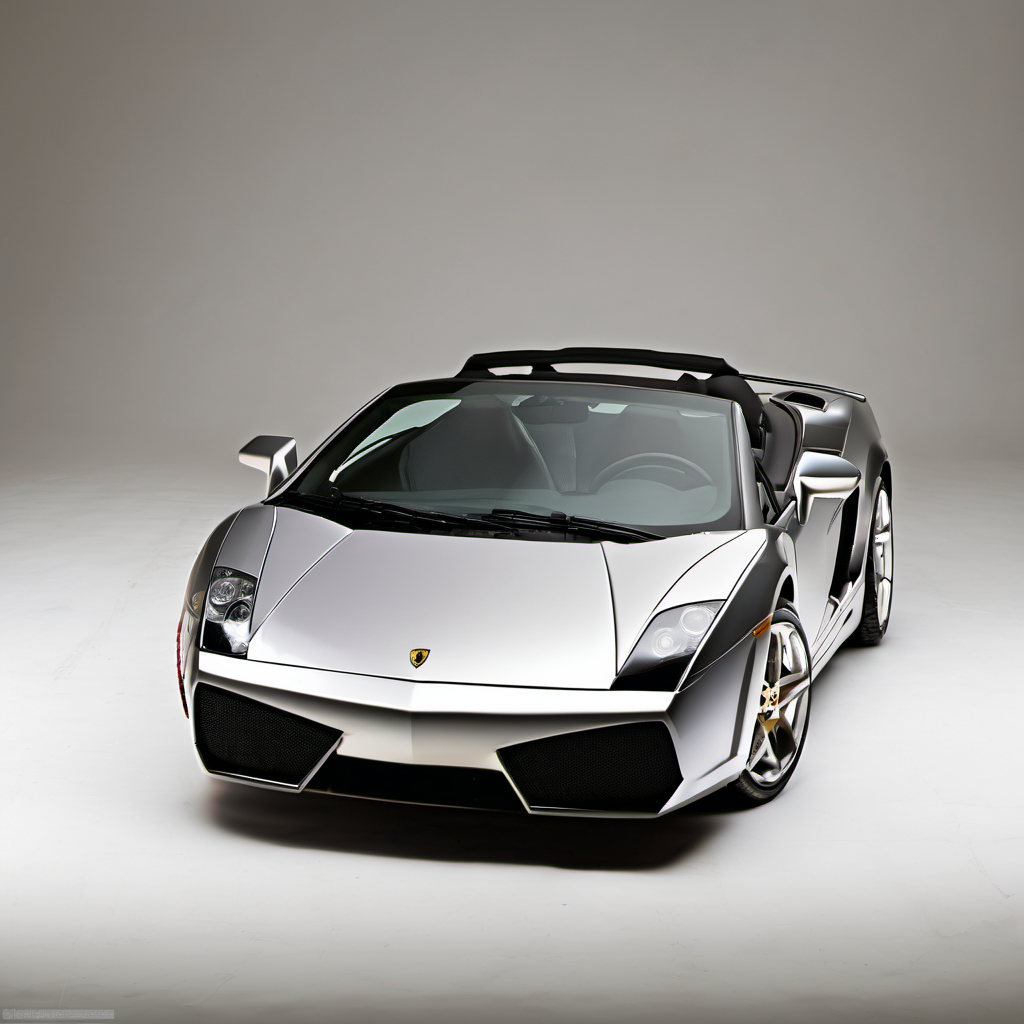
Same era mid-engine V10 Italian exotic convertible, AWD vs. RWD, similar price bracket, direct segment rival for buyers cross-shopping Italian supercars.
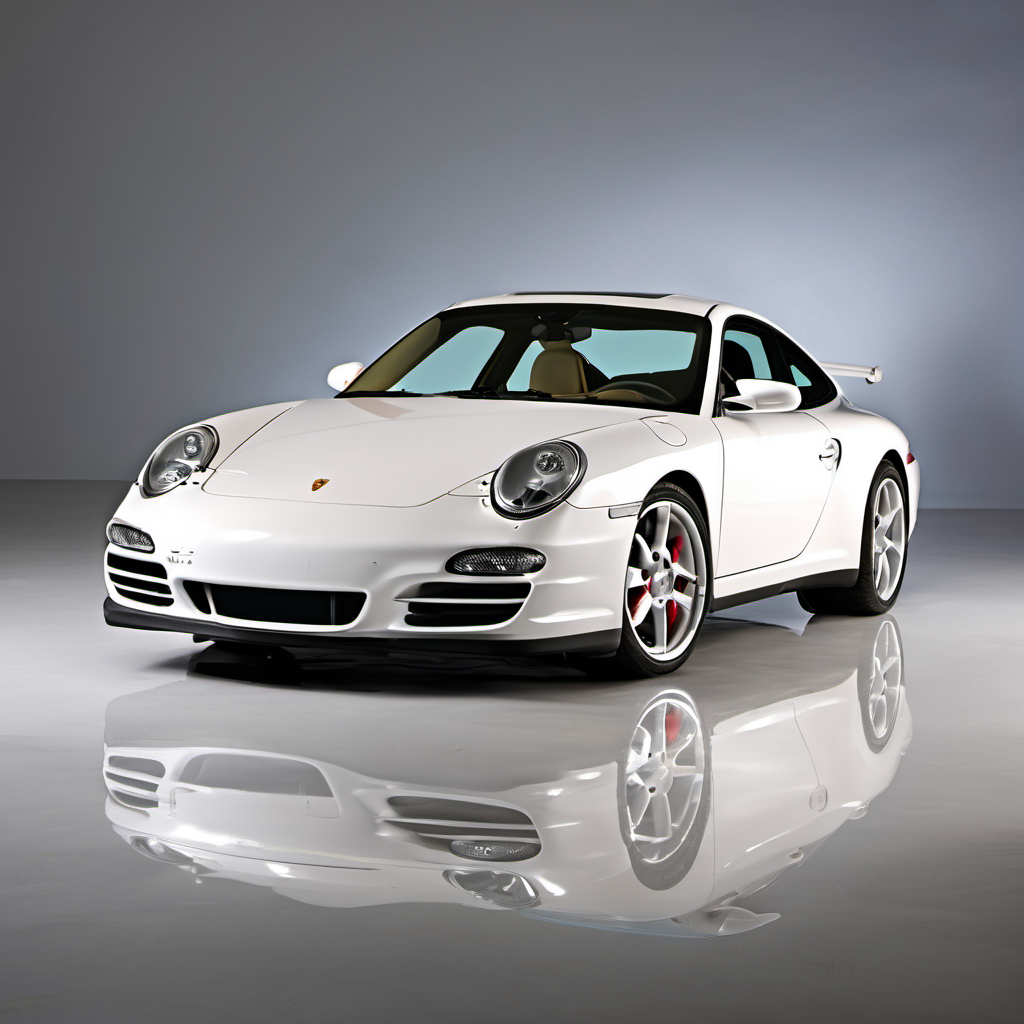
High-performance convertible at a comparable price point with significantly better everyday usability and lower maintenance costs, though a different character entirely.
Comparable price-range exotic convertible from the same era; less raw than the F430 but offers a similar grand touring sports car experience with a different flavor.
No catalog match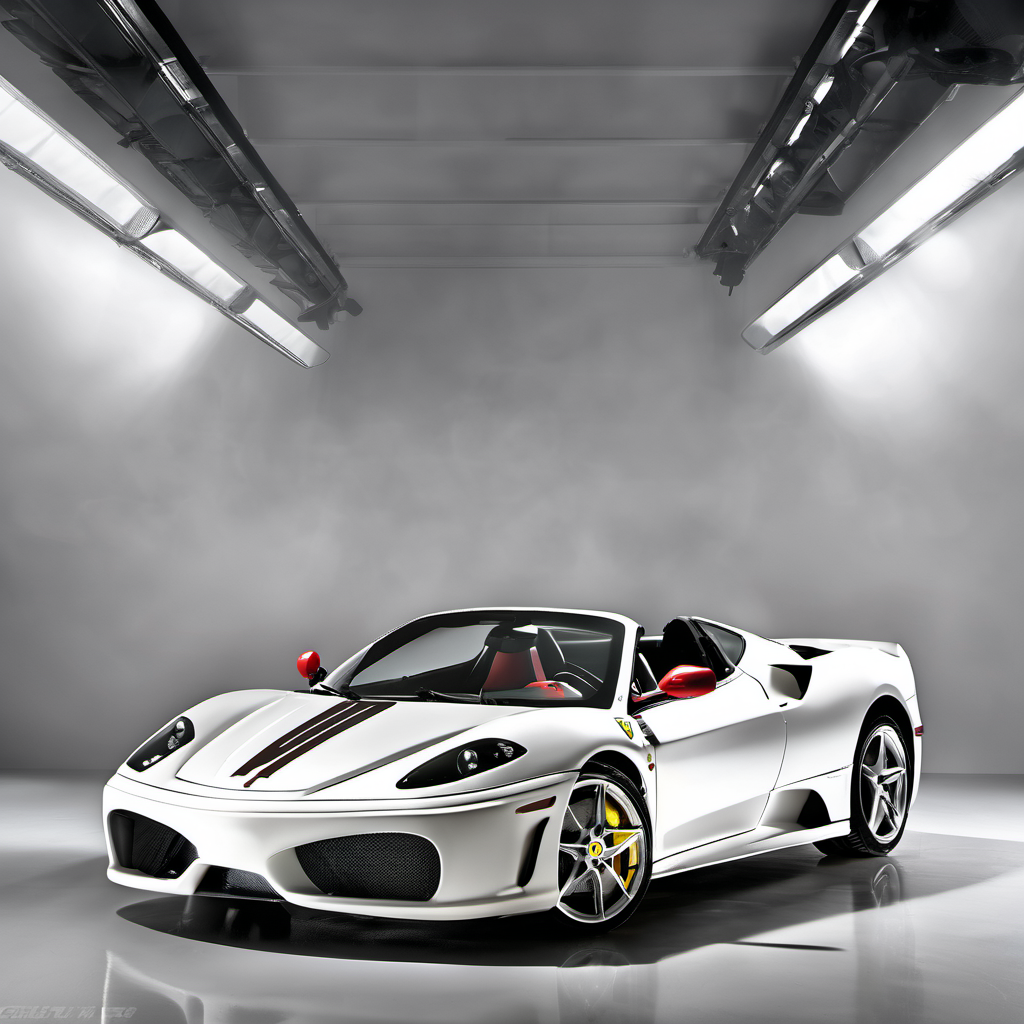
The stripped, track-focused coupe sibling — listed as a comparable for buyers deciding between the Spider and a higher-performance coupe variant in the F430 family.