Transmission Rough Shifting / Failure
high- Typically appears
- 60–90k mi
- Estimated repair
- $2,500 – $5,000
2007 Aston
5.9L V12
The 2007 Aston Martin DB9 is a British grand tourer built on Aston Martin's VH (Vertical Horizontal) bonded aluminum platform. It was the flagship production model of its era, powered by a hand-assembled 5.9L V12 producing 450 hp, paired with a rear-mounted 6-speed automatic transaxle for near-perfect 50/50 weight distribution. It is available as both a coupe (DB9) and a convertible (DB9 Volante). The DB9 is genuinely hand-built in small numbers at Aston Martin's Gaydon facility, meaning fit and finish is exceptional but parts sourcing and specialist labor requirements are very different from mainstream luxury cars. Many components — particularly electrical systems — were sourced from Ford (who owned Aston Martin until 2007) and Volvo, which helps somewhat with parts availability but also introduces some inherited quirks. Owning a DB9 in the Lake Geneva area means treating it as a seasonal vehicle. Wisconsin road salt is extremely damaging to the aluminum structure and the exposed brake and suspension hardware, and the car's low ground clearance is not suited to winter driving. Budget generously for maintenance — parts and labor costs are several multiples of a typical luxury car.
The 2007 Aston Martin DB9 is a British grand tourer built on Aston Martin's VH (Vertical Horizontal) bonded aluminum platform. It was the flagship production model of its era, powered by a hand-assembled 5.9L V12 producing 450 hp, paired with a rear-mounted 6-speed automatic transaxle for near-perfect 50/50 weight distribution. It is available as both a coupe (DB9) and a convertible (DB9 Volante). The DB9 is genuinely hand-built in small numbers at Aston Martin's Gaydon facility, meaning fit and finish is exceptional but parts sourcing and specialist labor requirements are very different from mainstream luxury cars. Many components — particularly electrical systems — were sourced from Ford (who owned Aston Martin until 2007) and Volvo, which helps somewhat with parts availability but also introduces some inherited quirks. Owning a DB9 in the Lake Geneva area means treating it as a seasonal vehicle. Wisconsin road salt is extremely damaging to the aluminum structure and the exposed brake and suspension hardware, and the car's low ground clearance is not suited to winter driving. Budget generously for maintenance — parts and labor costs are several multiples of a typical luxury car.
The V12 holds approximately 10 quarts and requires a full synthetic meeting Aston Martin's spec. Using the wrong viscosity or a non-spec oil accelerates wear on the hand-built rotating assembly. Budget around $250 per service at an independent specialist.
The DB9's RWD layout and rear weight bias cause uneven rear tire wear. Rotation extends tire life and keeps the handling balance predictable. Check pressures at the same time — low-profile tires lose pressure faster than most owners expect.
The DB9's carbon-ceramic or iron rotors run very hot during spirited driving. Brake fluid absorbs moisture over time, lowering the boiling point and causing fade. On a car with this much stopping power, fresh fluid is a safety item.
The V12 generates significant heat. The water pump and radiator are known weak points past 50k miles. Fresh coolant at this interval and a visual inspection of hoses and pump weep holes can prevent a much more expensive repair.
The ZF 6-speed automatic transaxle is positioned at the rear axle and runs warm. Fresh fluid reduces the risk of the rough-shifting and solenoid wear that plagues high-mileage DB9s. Do not skip or extend this interval.
The V12 has 12 plugs in a tight installation. Worn plugs on any of the 12 cylinders can trigger misfires (P0300) or lean codes. Labor access is tight — budget for the full set when you're in there.
The DB9's electronics are battery-sensitive — a weak battery causes module communication faults and infotainment failures. In Lake Geneva's winters, if the car sits, keep it on a quality trickle/maintenance charger to avoid deep discharge damage.
Even if the car was not driven in winter, trailer transport or brief exposure to parking lots with residual salt can begin corrosion on brake hardware and suspension components. Rinse the underside thoroughly and inspect for any moisture intrusion around the aluminum structure.
Always defer to the manufacturer's service manual for warranty-mandated intervals.
The DB9 is an inexpensive car to buy today — used examples trade between $50,000–$80,000 — but the cost of ownership can rival or exceed a new luxury car. Annual maintenance at an honest independent specialist will run $2,500–$6,000 in years when nothing breaks. Add any one major component failure (transmission, air suspension, catalysts) and a single year can easily top $8,000–$12,000. This is a car for someone who budgets for surprises and keeps a reserve fund. It should be stored from November through April in Wisconsin and never driven on salted roads.
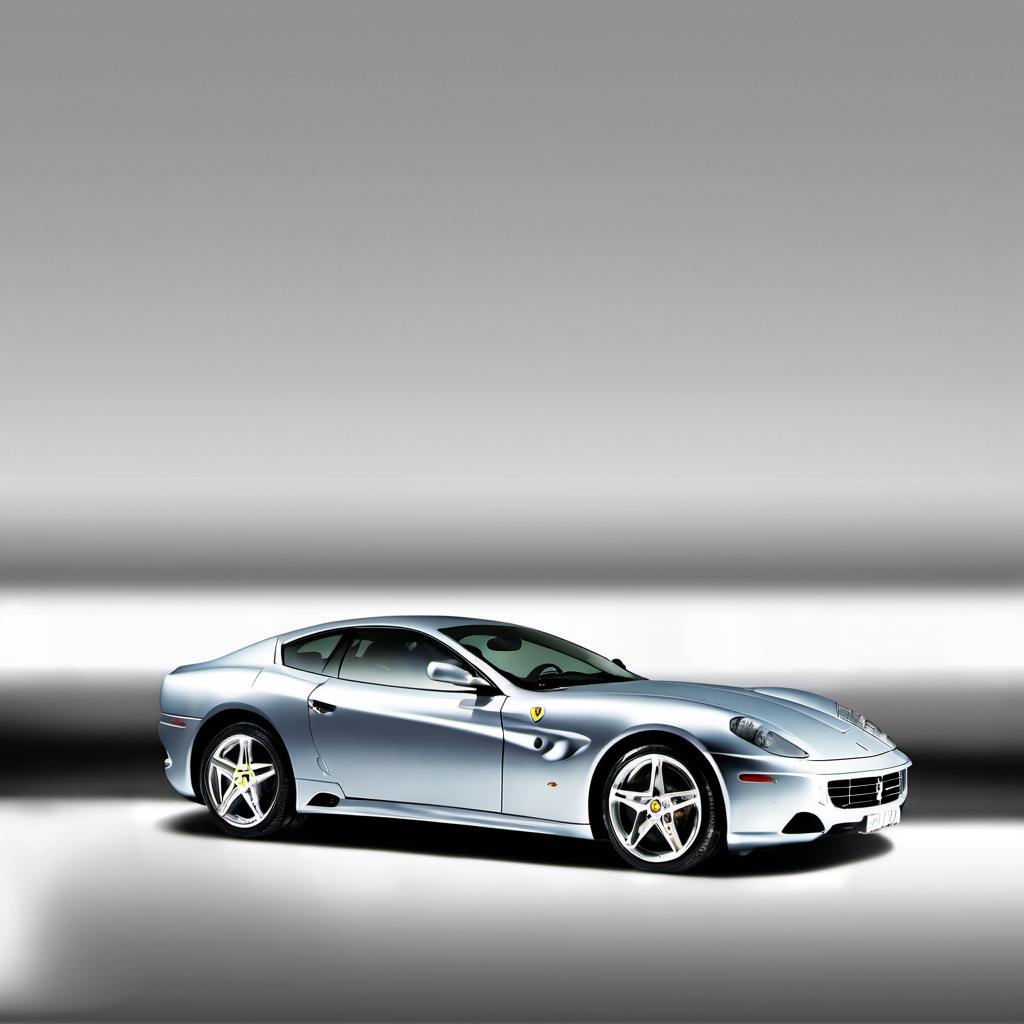
Same era 2+2 grand tourer with a V12, similar used price range, similarly high maintenance costs and specialist-only servicing requirements.
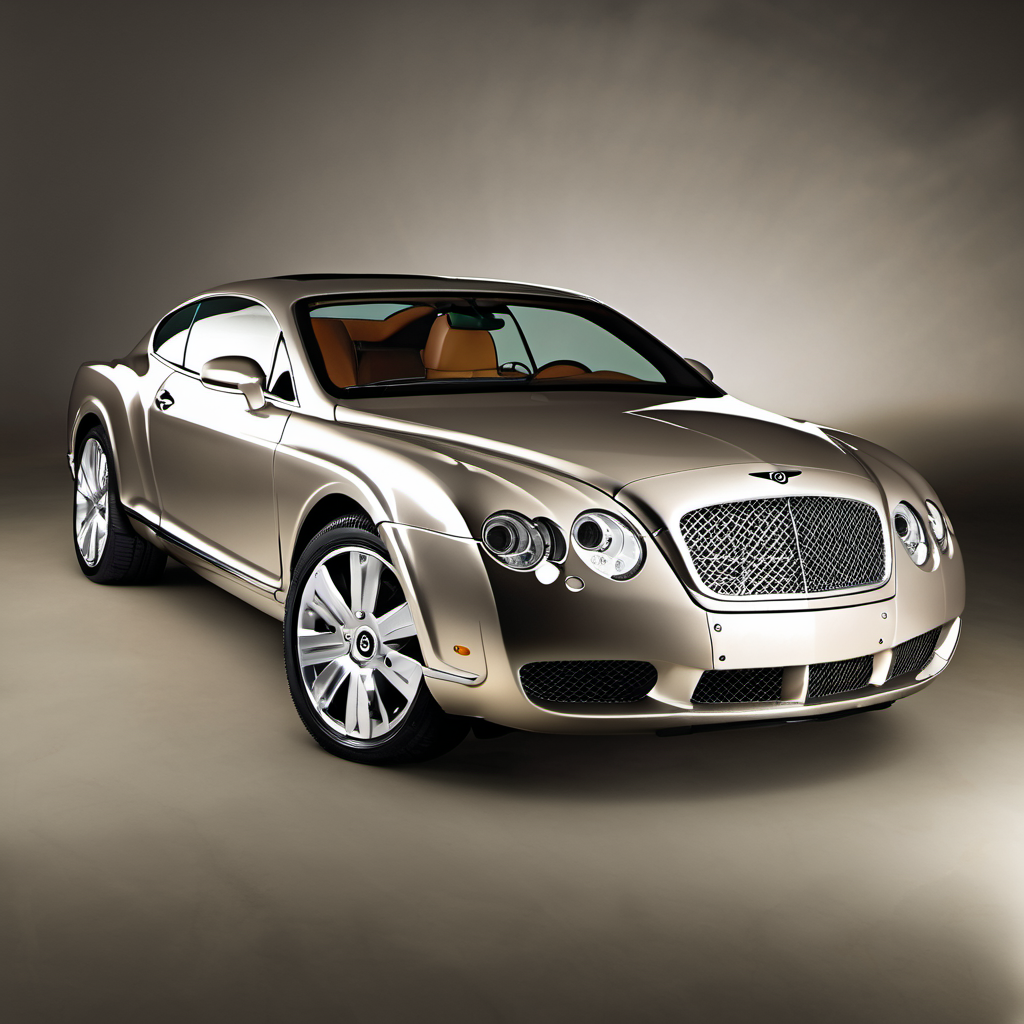
British GT coupe in the same price bracket today, with a twin-turbo W12 and similar grand-touring mission. More practical and easier to find service for, but equally expensive to maintain.
Italian V8 grand tourer at a similar used market price, with a comparable emphasis on style and driving feel over day-to-day practicality. Ferrari-derived engine has its own maintenance quirks.
No catalog match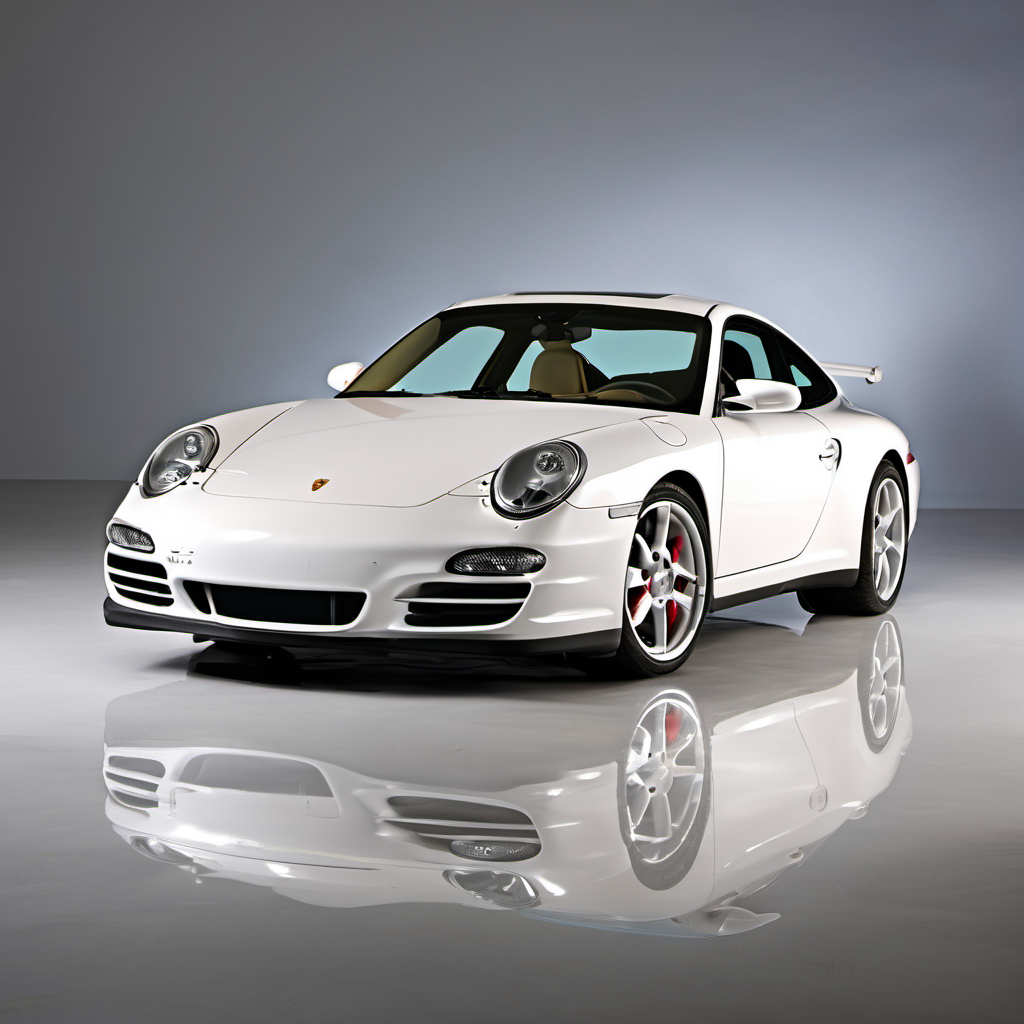
If the DB9's ownership cost is a concern, a 997-generation 911 Turbo offers comparable performance, is significantly more reliable, and has a much wider service network — including specialists throughout Wisconsin.