2AZ-FE Engine Oil Sludge
medium- Typically appears
- 60–120k mi
- Estimated repair
- $800 – $3,500
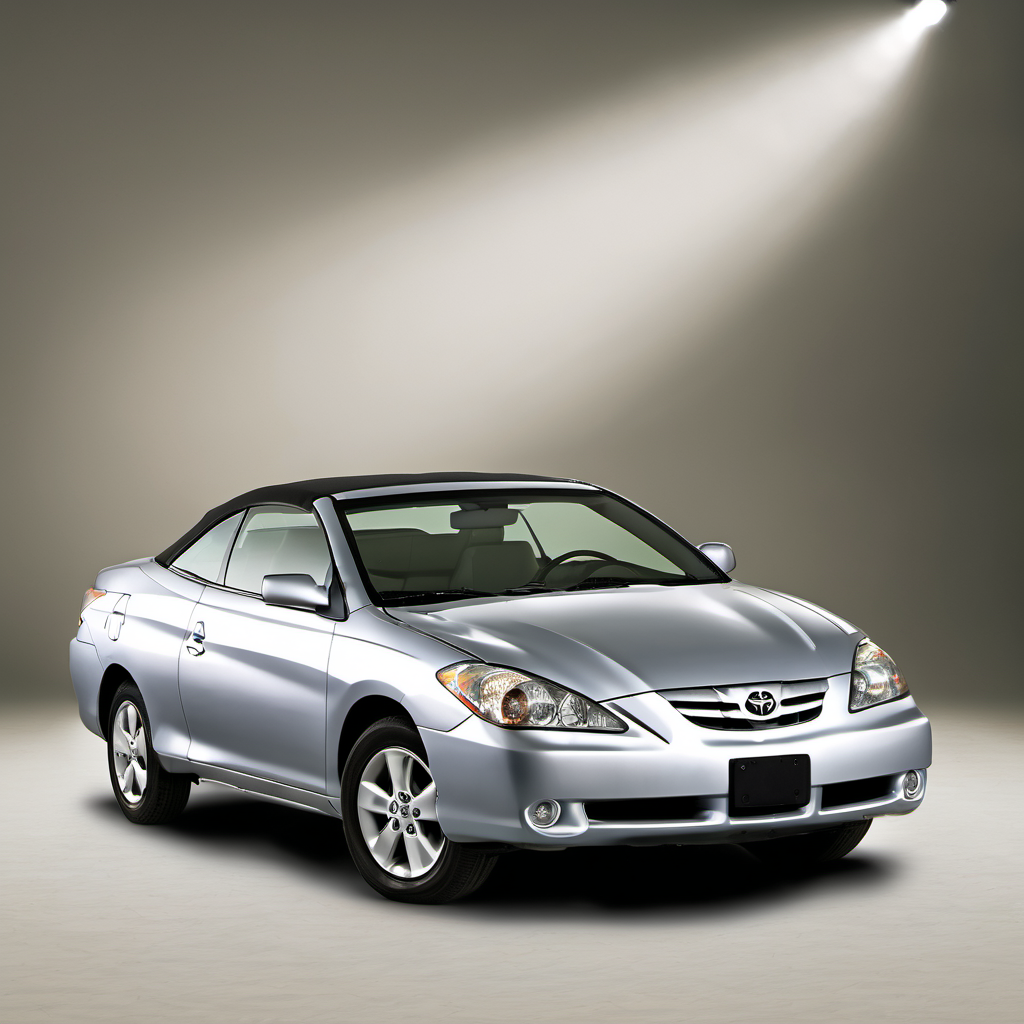
2006 Toyota
2.4L I4 (2AZ-FE) · Coupe
The 2006 Toyota Solara Coupe is a two-door, front-wheel-drive personal luxury coupe built on the Camry platform. It was Toyota's answer to buyers who wanted Camry-level refinement and reliability in a sportier body style, without the complexity of a true sports car. The Solara shared its powertrains with the Camry — a 2.4L four-cylinder or a 3.3L V6 — giving it a proven, parts-common foundation that made ownership straightforward and affordable. By 2006, the Solara was in its second and final generation (2004–2008). It offered a comfortable, quiet ride, a well-finished interior, and Toyota's trademark durability. It was never a driver's car — the steering is light and the suspension tuned for comfort — but it delivered a relaxed, refined experience that many buyers appreciated. The convertible version was also available, though the coupe's tighter structure gives it a slight edge in long-term rigidity. Toyota discontinued the Solara after 2008 as the market for traditional coupes softened. That makes used examples the only option, and at nearly 20 years old, most survivors are well into high-mileage territory. The good news: the Camry-derived mechanicals are among the most proven in the segment, and parts are plentiful and inexpensive.
The 2006 Toyota Solara Coupe is a two-door, front-wheel-drive personal luxury coupe built on the Camry platform. It was Toyota's answer to buyers who wanted Camry-level refinement and reliability in a sportier body style, without the complexity of a true sports car. The Solara shared its powertrains with the Camry — a 2.4L four-cylinder or a 3.3L V6 — giving it a proven, parts-common foundation that made ownership straightforward and affordable. By 2006, the Solara was in its second and final generation (2004–2008). It offered a comfortable, quiet ride, a well-finished interior, and Toyota's trademark durability. It was never a driver's car — the steering is light and the suspension tuned for comfort — but it delivered a relaxed, refined experience that many buyers appreciated. The convertible version was also available, though the coupe's tighter structure gives it a slight edge in long-term rigidity. Toyota discontinued the Solara after 2008 as the market for traditional coupes softened. That makes used examples the only option, and at nearly 20 years old, most survivors are well into high-mileage territory. The good news: the Camry-derived mechanicals are among the most proven in the segment, and parts are plentiful and inexpensive.
Oil sludge is the single biggest reliability threat to this engine. Frequent oil changes with a quality conventional or full-synthetic oil are the best insurance. Use 5W-30 as specified.
Toyota specifies lifetime fluid, but that assumes ideal conditions. In Wisconsin driving with cold starts and stop-and-go, a drain-and-fill at 60k intervals keeps the U250E shifting cleanly and extends transmission life significantly.
Toyota's long-life pink coolant does last, but at nearly 20 years old, this car's cooling system likely needs fresh coolant. Degraded coolant causes corrosion inside the radiator and water pump passages.
The 2AZ-FE uses iridium plugs rated for 60k miles. Worn plugs reduce fuel economy and can cause misfires. On the V6 option, rear bank plugs are more involved — budget extra labor time.
A snapped belt in a Wisconsin winter is a dangerous breakdown situation. The tensioner spring weakens with age and should be replaced alongside the belt if original.
Brake fluid is hygroscopic — it absorbs moisture over time, lowering its boiling point. In a car this age, a flush is almost certainly overdue and improves pedal feel and ABS reliability.
Salt exposure from Lake Geneva area roads accelerates corrosion on subframe mounting points, brake lines, and fuel lines. Catching rust early means a $50 treatment; ignoring it can mean a $3,000 repair.
The oil control valve screens on the VVT-i solenoids clog with sludge and varnish. Cleaning or replacing them during oil changes on high-mileage examples prevents the more expensive cam timing failures.
Always defer to the manufacturer's service manual for warranty-mandated intervals.
The Solara is one of the more affordable coupes to own in this age bracket. Parts are shared with the Camry, meaning wide availability and competitive shop pricing. The biggest cost wildcard is deferred maintenance — an engine with sludge or a neglected transmission can turn a $6,000 purchase into a $4,000 repair. Buy clean, maintain it regularly, and annual costs stay modest.
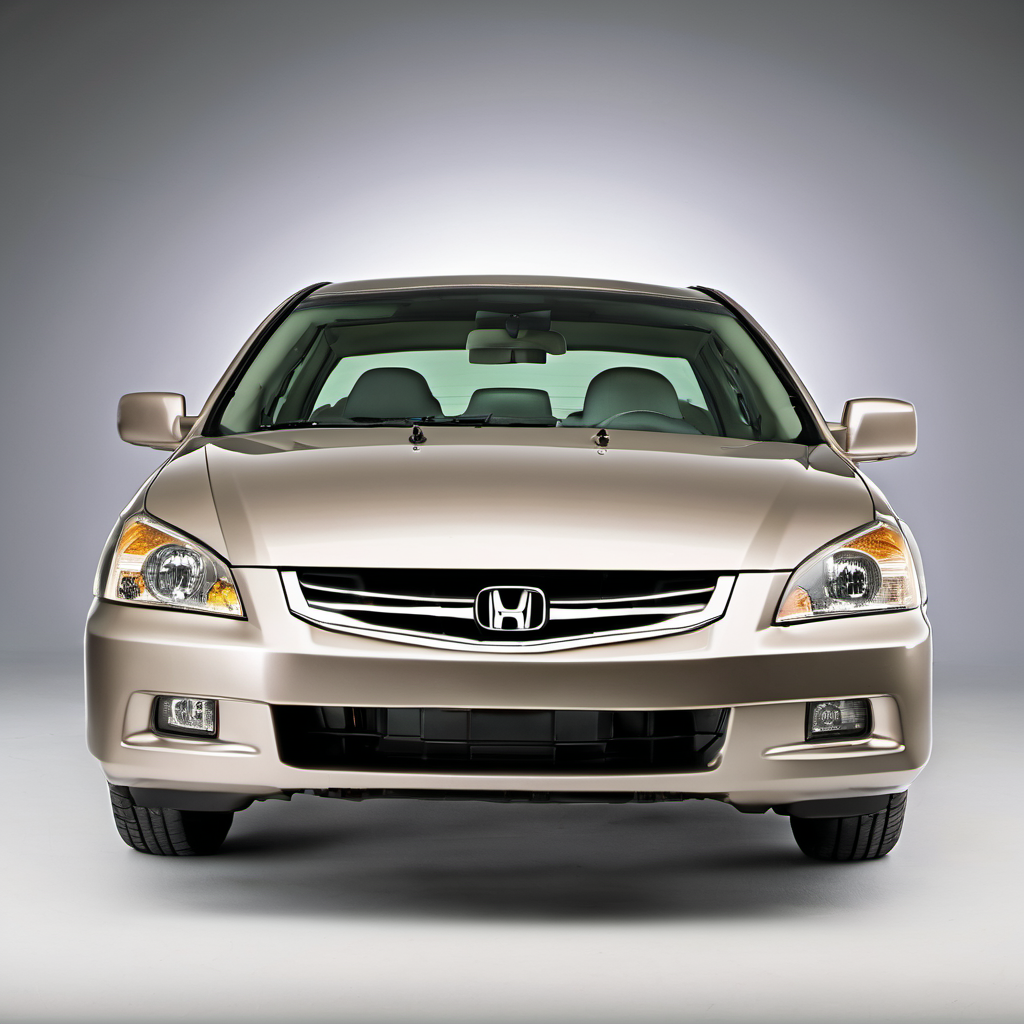
The closest direct competitor — same segment, same FWD platform-based coupe formula, similar pricing and reliability reputation. The Accord Coupe has a slightly sportier character; the Solara is quieter and more comfort-oriented.
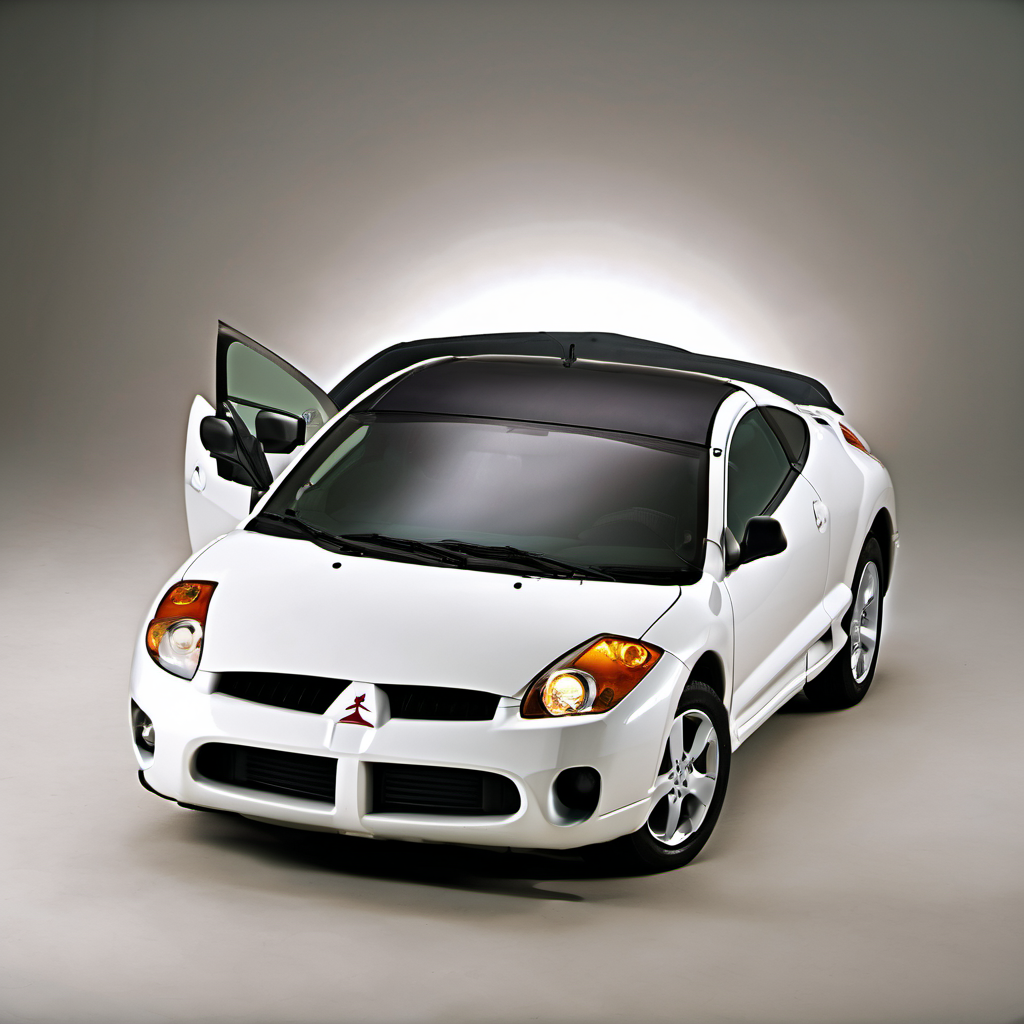
Another front-wheel-drive coupe in the same price range. The Eclipse looks more aggressive but trails the Solara significantly in long-term reliability and parts availability. A Solara with the same miles will generally be in better shape.
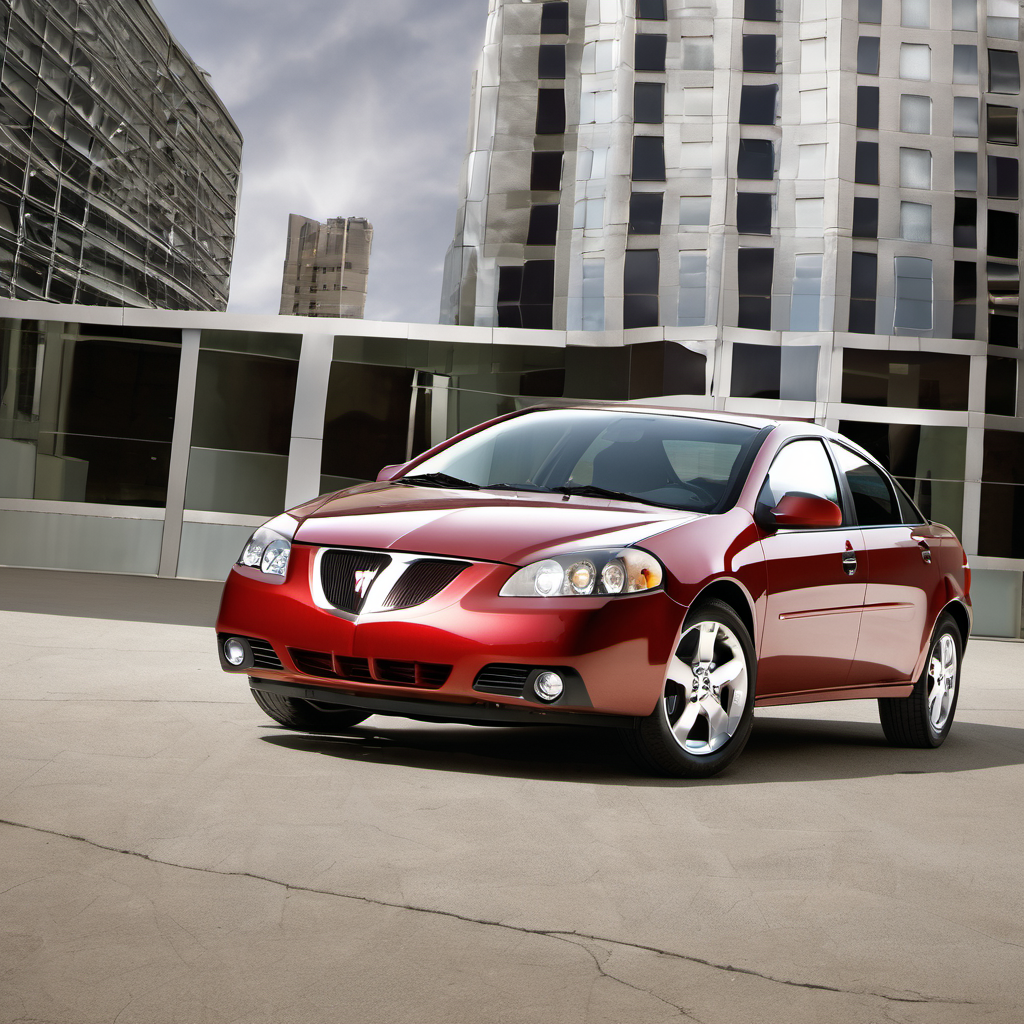
Priced similarly new and targets the same relaxed-coupe buyer. The G6 offers more interior space but lags behind the Solara in reliability and resale value. Useful cross-shop if budget is the top priority.
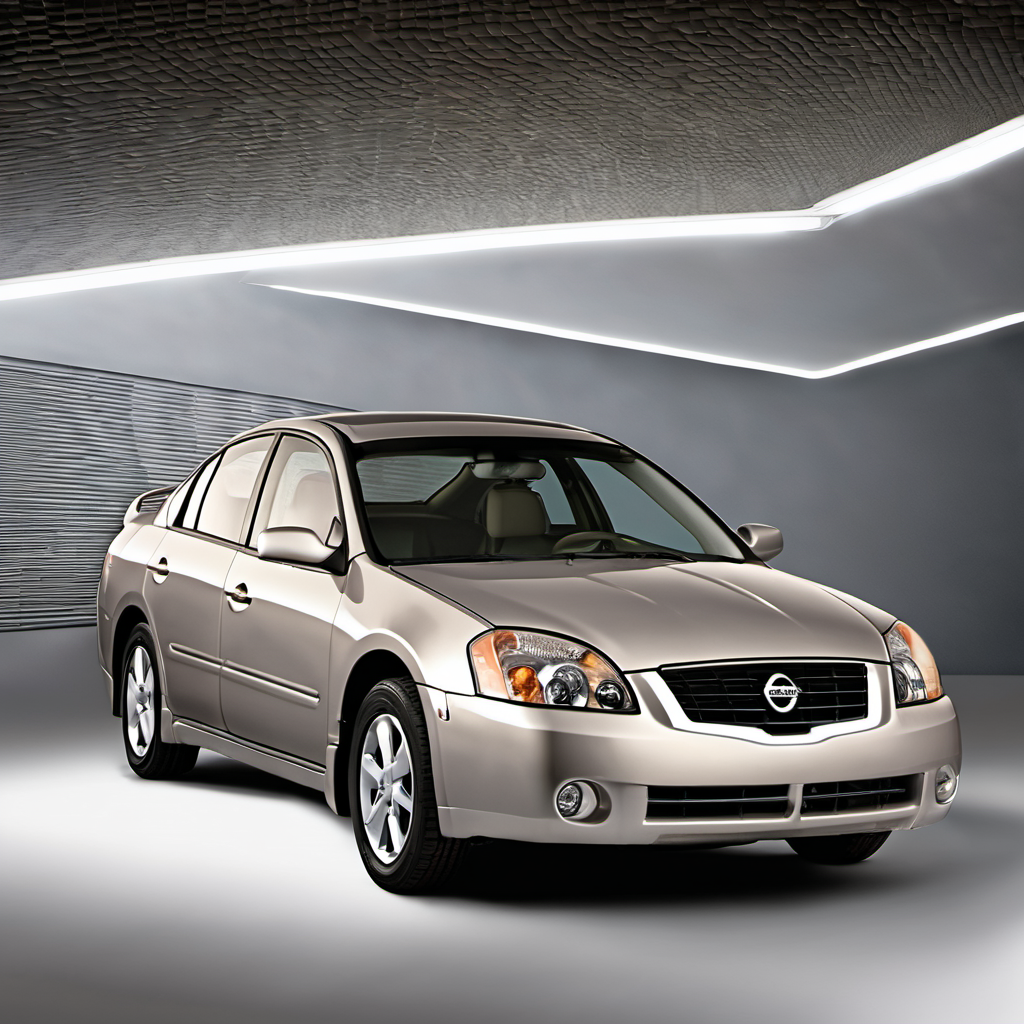
A Camry-class platform coupe with proven reliability. The Altima Coupe launched in 2008, so a 2008 model is the right comparison — it's slightly more modern but in the same spirit: a comfortable, practical FWD coupe built from a reliable sedan platform.