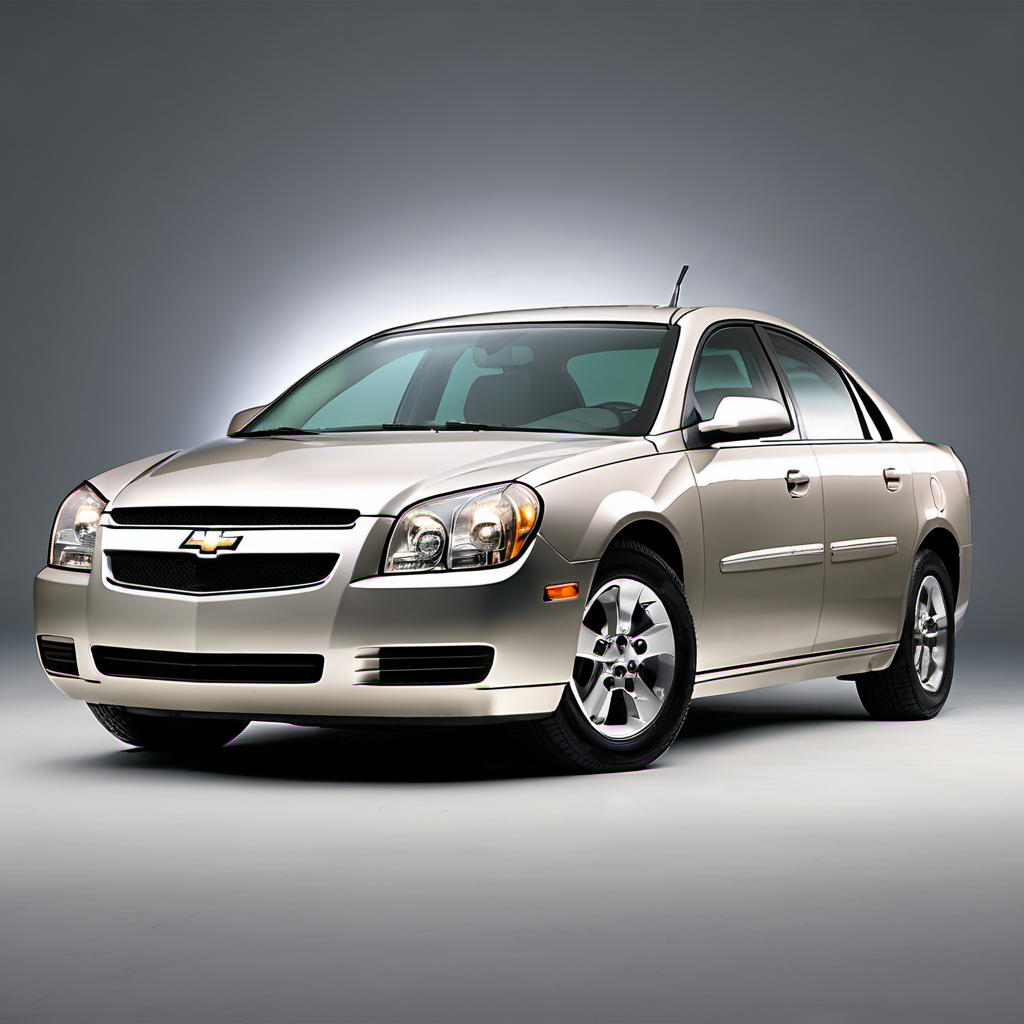
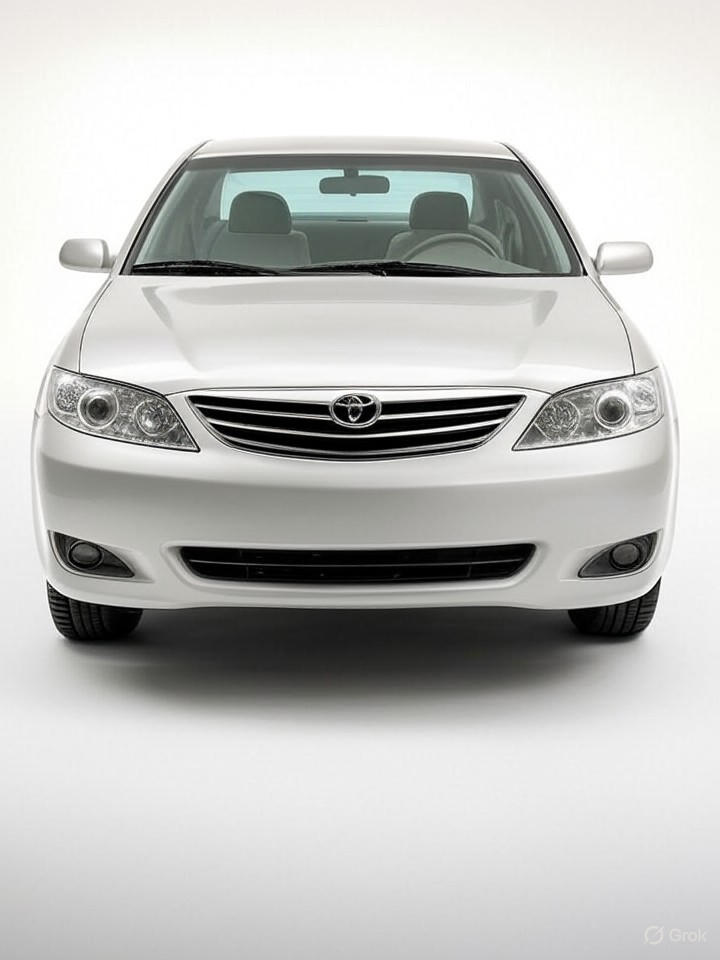
2006 Chevrolet Malibu Sedan
Popular pick

2006 Chevrolet

MalibuSedan

3.5L V6 LX9 · Sedan

The 2006 Chevrolet Malibu is a mid-size front-wheel-drive sedan built by General Motors at their Fairfax, Kansas assembly plant. This generation (2004–2007) was a significant step up from the previous Malibu in terms of interior quality, ride comfort, and powertrain refinement. It offered two engine choices — a 2.2L Ecotec four-cylinder and the more capable 3.5L V6 LX9 — making it a solid, no-frills daily driver for families and commuters alike. By 2006, the Malibu had earned a reputation as an honest, competent midsize sedan that punched near its weight in ride quality and passenger room. It was never exciting to drive, but it was comfortable, reasonably reliable, and cheap to maintain. The V6 version in particular offers brisk enough acceleration to feel confident on Wisconsin highways. At nearly 20 years old now, most examples on the market will have significant miles. The key risks are typical GM V6 wear items — intake manifold gaskets, passlock theft-deterrent gremlins, and suspension bushings beaten up by Wisconsin roads. A well-kept example is still a cost-effective used buy, but deferred maintenance and rust are serious concerns in this climate.

Reliability
3/5
Verified data
Specs shown for Malibu — the most common configuration. Other trims may vary in engine, drivetrain, or fuel economy. Sign in to see your vehicle's exact specs.
Engine
[object Object]
Drivetrain
Front-Wheel Drive
Fuel
Gasoline
MPG
22 city / 30 highway / 25 combined
Seats
Doors
4
Body
Midsize Cars
MSRP
$21,495

Overview

AI-curated

The 2006 Chevrolet Malibu is a mid-size front-wheel-drive sedan built by General Motors at their Fairfax, Kansas assembly plant. This generation (2004–2007) was a significant step up from the previous Malibu in terms of interior quality, ride comfort, and powertrain refinement. It offered two engine choices — a 2.2L Ecotec four-cylinder and the more capable 3.5L V6 LX9 — making it a solid, no-frills daily driver for families and commuters alike. By 2006, the Malibu had earned a reputation as an honest, competent midsize sedan that punched near its weight in ride quality and passenger room. It was never exciting to drive, but it was comfortable, reasonably reliable, and cheap to maintain. The V6 version in particular offers brisk enough acceleration to feel confident on Wisconsin highways. At nearly 20 years old now, most examples on the market will have significant miles. The key risks are typical GM V6 wear items — intake manifold gaskets, passlock theft-deterrent gremlins, and suspension bushings beaten up by Wisconsin roads. A well-kept example is still a cost-effective used buy, but deferred maintenance and rust are serious concerns in this climate.

Known for
  • Comfortable, compliant ride quality for its class
  • Roomy interior and large trunk for a midsize sedan
  • Affordable ownership and repair costs
  • Smooth, capable 3.5L V6 when properly maintained
Best for
  • Budget-conscious daily commuters
  • Families needing reliable basic transportation
  • First-time used car buyers
  • High-mileage highway commuters
Watch for
  • Intake manifold gasket leaks on the 3.5L V6 — very common at high mileage
  • Passlock II anti-theft system failures causing no-start conditions
  • Rust on lower body panels, subframe, and brake lines — critical concern in Wisconsin
  • Worn lower control arm bushings and strut mounts on high-mileage examples
  • Power steering leaks from the rack — inspect carefully on any used purchase

Common issues by mileage

6 known

Intake Manifold Gasket Leak (Lower)

high
Typically appears
80–150k mi
Estimated repair
$300 – $600

Passlock II Anti-Theft No-Start

high
Typically appears
60–200k mi
Estimated repair
$100 – $350

Power Steering Rack Leak / Failure

medium
Typically appears
100–180k mi
Estimated repair
$400 – $850

Strut Mounts and Control Arm Bushings Worn

high
Typically appears
80–150k mi
Estimated repair
$300 – $700

Oxygen Sensor Heater Circuit Failure

medium
Typically appears
80–160k mi
Estimated repair
$150 – $350

Brake Line Corrosion (Wisconsin Salt Exposure)

high
Typically appears
100k+ mi
Estimated repair
$400 – $1,200

Maintenance schedule

  1. 1
    Every 5,000 miles or 6 months Engine oil and filter change

    The LX9 V6's intake gaskets are sensitive to oil sludge. Regular changes with the correct viscosity (5W-30) are the single best prevention against gasket and VVT-related issues.

  2. 2
    Every 5 years or 150,000 miles (Dex-Cool); inspect hoses annually Coolant flush and inspection

    Dex-Cool coolant that goes beyond its service life becomes acidic and accelerates intake gasket and water pump degradation — a known issue on GM 3.5L V6 engines.

  3. 3
    Every 30,000–45,000 miles Transmission fluid change

    GM's 4T65-E automatic does not have a true 'lifetime' fluid in real-world use. Fresh Dexron VI fluid extends transmission life significantly, especially if the vehicle is used for city driving.

  4. 4
    Every year, especially before and after winter Brake line inspection

    Road salt in Wisconsin aggressively corrodes the steel brake lines on this generation of Malibu. A line failure is a safety emergency — catch it early during routine inspection.

  5. 5
    Every 30,000 miles Fuel filter replacement

    The in-line fuel filter on this generation is serviceable and affordable. Neglecting it stresses the fuel pump, which is expensive to replace.

  6. 6
    Every 60,000 miles Spark plugs and ignition wires

    The rear bank of spark plugs on the 3.5L V6 is harder to access. Doing plugs and wires together at 60k avoids a second labor charge later and maintains clean combustion.

  7. 7
    Every 2–3 weeks during winter road salt season Undercarriage wash

    Lake Geneva roads are heavily salted November through March. Regular undercarriage flushing is the most cost-effective rust prevention available for this age of vehicle.

  8. 8
    Every fall before winter season Battery load test

    A battery that passes a simple voltage test in summer may fail a load test and leave you stranded at -10°F. At this vehicle's age, plan on replacement every 3–4 years.

Always defer to the manufacturer's service manual for warranty-mandated intervals.

Cost of ownership

Annual maintenance
$600 – $1,400
Fuel
At 25 MPG combined and 12,000 miles/year, expect roughly $1,440–$1,680/year at $3.00–$3.50/gallon. Highway-heavy drivers will do better; city-heavy drivers worse.
Insurance
Typically $900–$1,400/year in Wisconsin for a driver with a clean record. Liability-only coverage on a high-mileage example is common and significantly cheaper.

The 2006 Malibu is one of the cheaper midsize sedans to own on a year-to-year basis, assuming no major deferred repairs. Budget toward the higher end of the maintenance range if the vehicle is above 120k miles or has an unknown service history. A brake line replacement, intake gasket job, or strut replacement can push a single year's cost to $2,000+, so pre-purchase inspection by a shop is strongly recommended.
Seasonal care

Lake Geneva, WI
Winter
  • Test the battery every fall — cold cranking amps drop sharply below 0°F and this vehicle's age makes a dead battery a near-certainty without proactive replacement.
  • Switch to a winter-rated washer fluid rated to at least -20°F; the standard reservoir will freeze in a Wisconsin January and crack the pump.
  • Inspect and if needed replace wiper blades with winter-rated blades before first snowfall — the Malibu's flat cowl collects ice and wears standard blades quickly.
  • Check tire pressure monthly — pressure drops roughly 1 PSI for every 10°F of temperature drop, and underinflated tires reduce traction on snow and ice.
  • After any snow event, wash the undercarriage as soon as possible, paying attention to brake lines, fuel lines, and the subframe — rust on these vehicles starts from the bottom up.
  • Keep the fuel tank at least half full during cold snaps to prevent moisture accumulation in the fuel system and to avoid being stranded.
Summer
  • Check the A/C system charge before peak heat — the manual A/C on this generation can lose refrigerant slowly over years, and recharging is inexpensive when caught early.
  • Inspect coolant level and condition — heat soak in stop-and-go traffic stresses the cooling system, especially if the Dex-Cool is overdue for a flush.
  • Check tire pressure monthly — summer heat increases pressure and overinflation reduces contact patch and handling on hot pavement.
  • Inspect the serpentine belt and tensioner — summer heat accelerates rubber aging, and a belt failure will leave you stranded.

Comparable vehicles

If you're shopping for one

Red flags
  • Security/theft light illuminated or history of no-start events — Passlock issues can be a recurring nightmare.
  • Any evidence of coolant mixed with oil (milky residue on oil cap or dipstick) — indicates a blown intake or head gasket.
  • Rust-compromised brake lines, even if 'recently patched' — the whole line set likely needs replacement.
  • Subframe with active rust perforation — structural repairs on an 18-year-old economy sedan rarely pencil out.
  • No service records and over 120,000 miles — the cost to catch up on deferred maintenance can exceed the car's market value.
What to inspect
  • Brake lines and fuel lines: crawl under the car and look for rust, pinhole leaks, or patched sections — this is a pass/fail item in Wisconsin.
  • Subframe and rear suspension mounting points for heavy rust or perforation.
  • Intake manifold area for coolant weeping or residue — a telltale sign the gaskets are going.
  • Transmission for smooth, firm shifts in all gears; harsh or slipping shifts mean fluid neglect.
  • Passlock system: verify the car starts reliably three times in a row without the security light staying on.
  • All four struts and shocks for leaking fluid or excessive bounce during a test drive.
AI profile generated 4 days ago · claude-sonnet-4-6 · v2.