N62 Valvetronic Eccentric Shaft Actuator Failure
high- Typically appears
- 60–120k mi
- Estimated repair
- $800 – $2,200
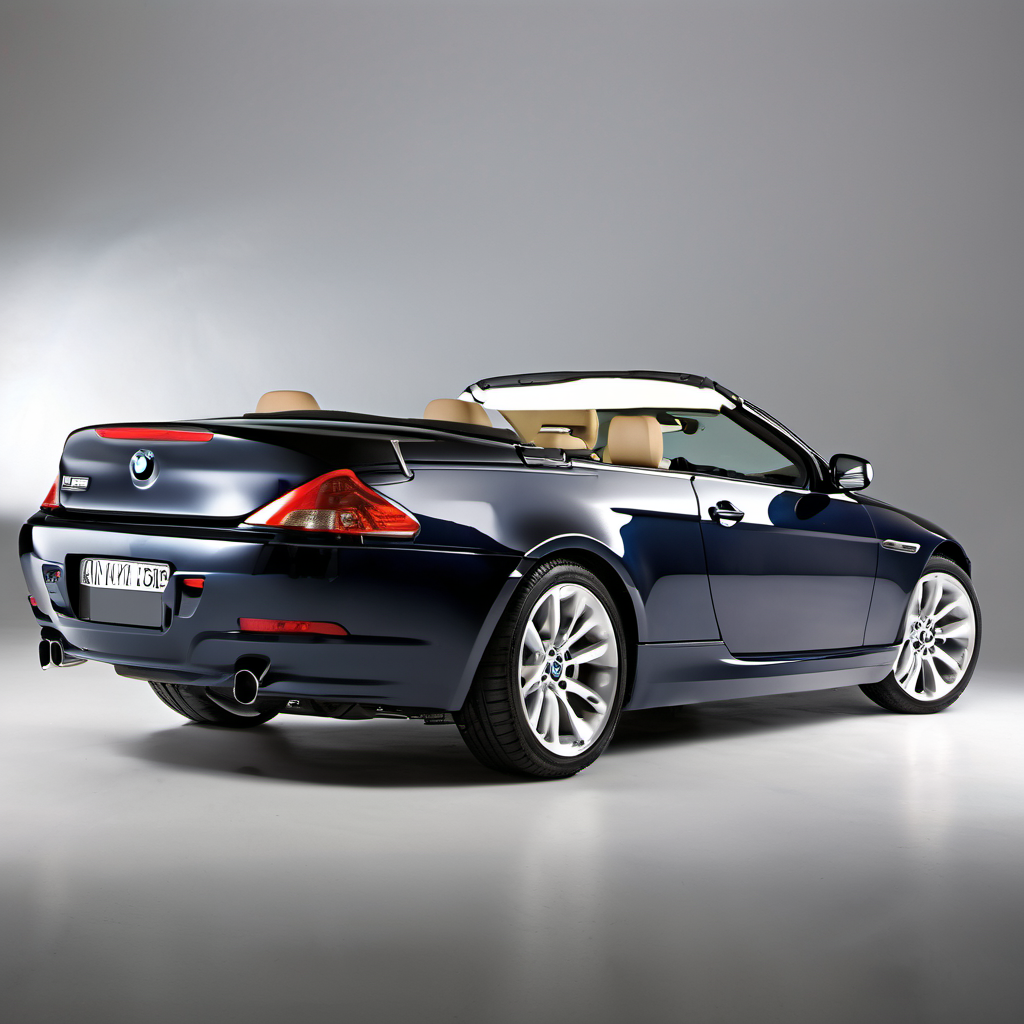
2006 BMW
Coupe
The 2006 BMW 6 Series Coupe (E63 generation) is a grand touring two-door built around BMW's silky 4.8L V8. As the 645Ci/650i, it sits at the top of BMW's coupe lineup for this era, blending long-distance comfort with genuine sport credentials. The cabin is driver-focused, the rear seats are occasional-use only, and the trunk is surprisingly usable for a low-slung coupe. This generation is visually striking — styled by Chris Bangle at peak controversy — and has aged well. It rewards owners who keep up with maintenance; neglect it and the repair bills climb fast. Premium fuel, premium service intervals, and a knowledgeable independent BMW shop are non-negotiable cost-of-entry items. In the upper Midwest, the E63's RWD chassis and low ground clearance make it a fair-weather or occasional-winter driver at best. Salt exposure is particularly punishing on the brake system, electronics connectors, and underbody components. Budget accordingly.
The 2006 BMW 6 Series Coupe (E63 generation) is a grand touring two-door built around BMW's silky 4.8L V8. As the 645Ci/650i, it sits at the top of BMW's coupe lineup for this era, blending long-distance comfort with genuine sport credentials. The cabin is driver-focused, the rear seats are occasional-use only, and the trunk is surprisingly usable for a low-slung coupe. This generation is visually striking — styled by Chris Bangle at peak controversy — and has aged well. It rewards owners who keep up with maintenance; neglect it and the repair bills climb fast. Premium fuel, premium service intervals, and a knowledgeable independent BMW shop are non-negotiable cost-of-entry items. In the upper Midwest, the E63's RWD chassis and low ground clearance make it a fair-weather or occasional-winter driver at best. Salt exposure is particularly punishing on the brake system, electronics connectors, and underbody components. Budget accordingly.
The N62 V8's Valvetronic and VANOS systems are oil-pressure dependent. Dirty or low oil is the #1 cause of expensive failures. Use the flute-style filter cap wrench; drain plug torque is 25 ft-lb.
N62 plugs are deeper in the heads and labor-intensive to access. Running worn plugs stresses the ignition coils, which are also failure-prone.
The N62 runs hot and thermostat failures are common. Fresh coolant prevents water pump cavitation and keeps the engine out of temperature-related trouble.
Wisconsin road salt accelerates corrosion at brake calipers and ABS hardware. Fresh fluid prevents moisture uptake, which lowers the boiling point and attacks internal components.
Catching this early — before oil contacts hot exhaust — prevents a fire hazard and can reduce repair scope slightly if addressed proactively.
The E63 has a large electrical load from active systems. A marginal battery struggles with sub-zero Wisconsin starts and can trigger cascading module faults. BMW uses an IBS (intelligent battery sensor) — replacement battery must be registered to the car.
Blocked filters reduce A/C and heat output. On the E63, a clogged filter can also contribute to windshield fogging — a visibility issue in Wisconsin winter.
Proactive inspection catches cracked hoses and worn pump brushes before a full failure. Early detection keeps the repair closer to the lower end of the cost range.
Always defer to the manufacturer's service manual for warranty-mandated intervals.
The 6 Series is cheap to buy used and expensive to own. The sticker price long since depreciated; the repair bills have not. Budget a realistic $2,000–$5,000/year for maintenance and incidental repairs, more if deferred work has stacked up. This car rewards owners who stay ahead of maintenance and punishes those who don't.
Same segment — luxury sport coupe/sedan with a V8, similar used pricing, similarly complex electronics. More refined cabin, but comparable ownership cost and German specialist requirements.
No catalog match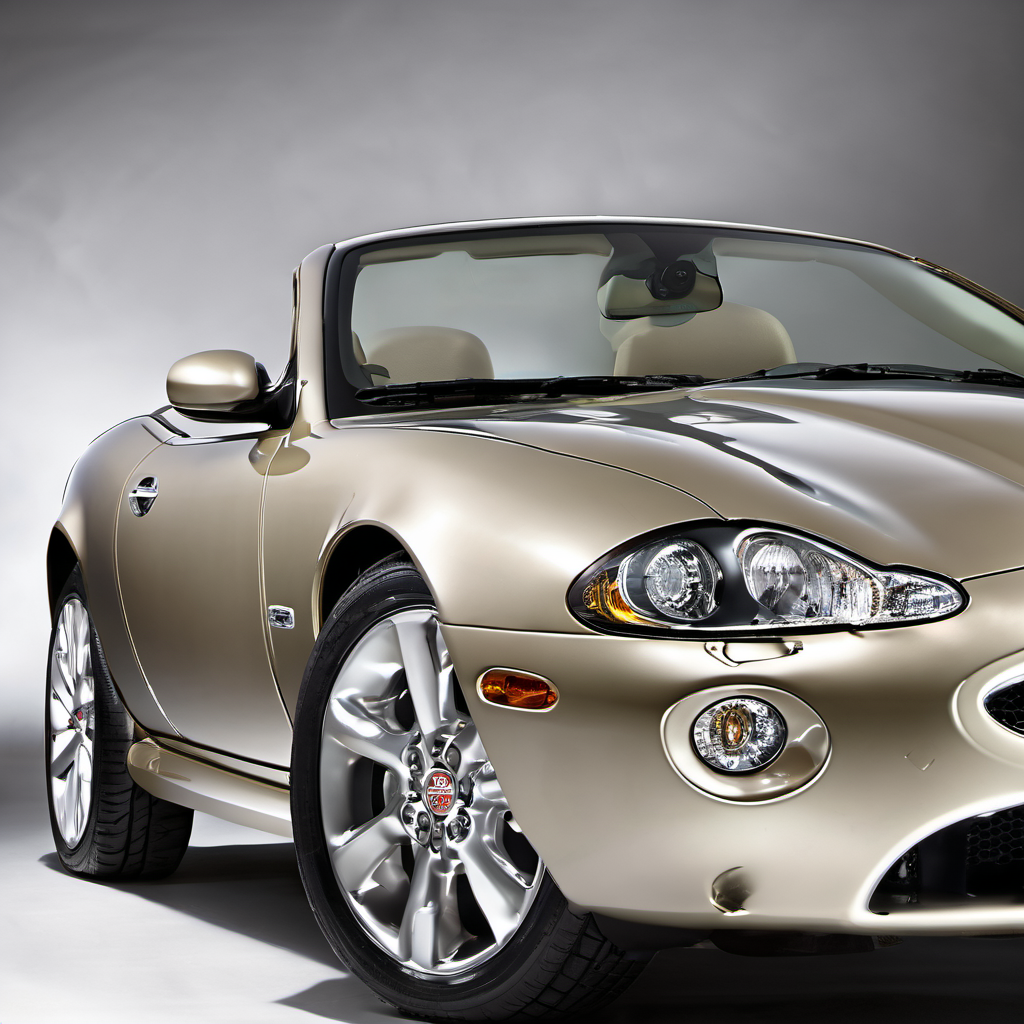
V8 luxury GT coupe with comparable power and price. More relaxed character than the BMW, but aluminum construction and electronics bring their own maintenance quirks.
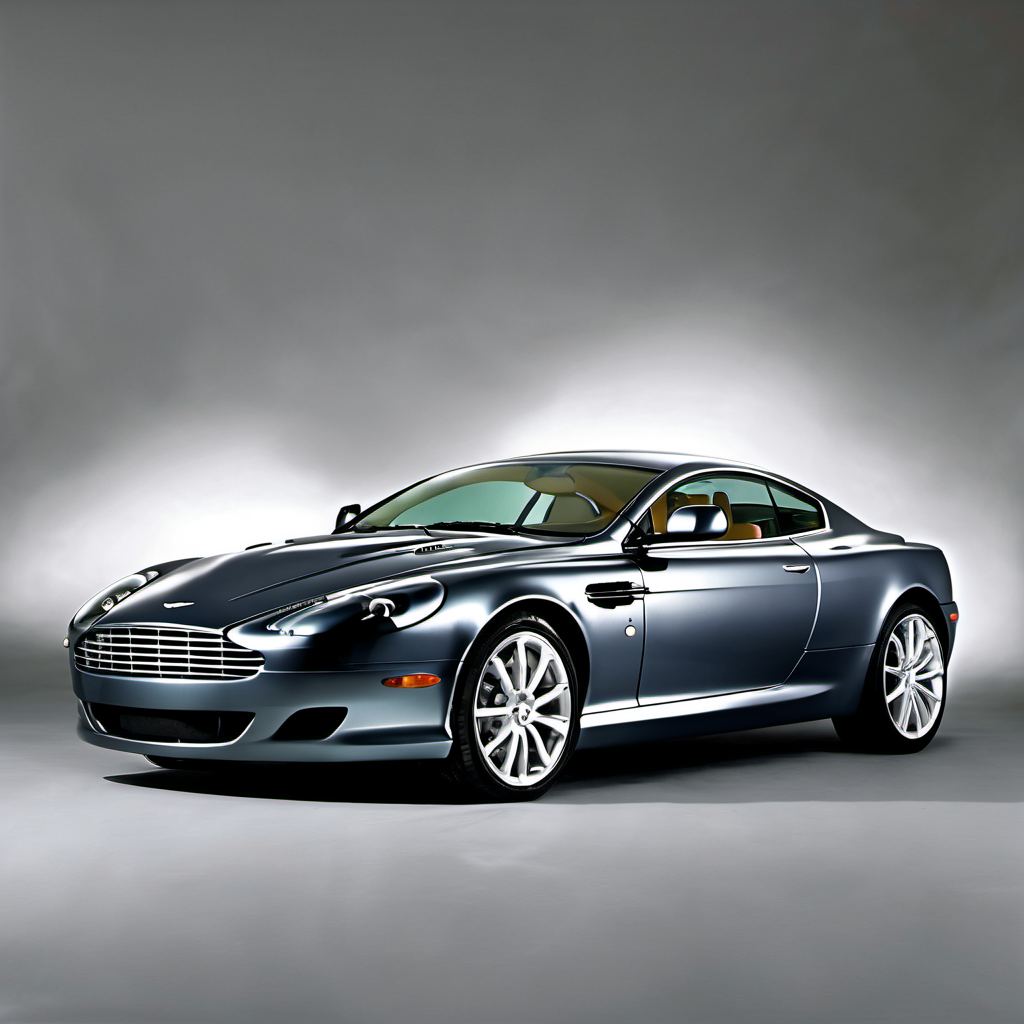
Premium V12 GT coupe — aspirational step up. Stunning but even more expensive to maintain; mentioned only for buyers willing to stretch the budget significantly.
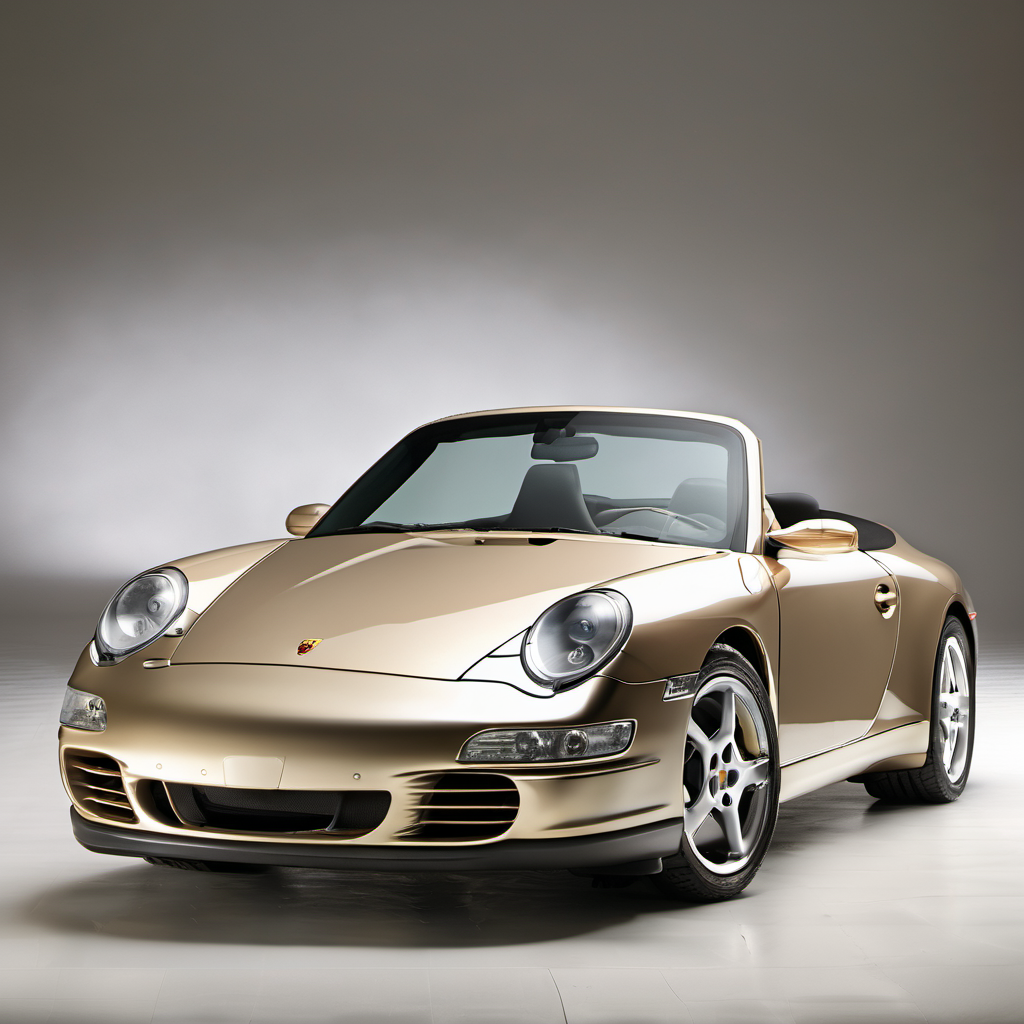
RWD sport coupe with a flat-6, better reliability reputation than the N62 BMW, and a stronger used-value trajectory. More focused driver's car, less grand tourer.