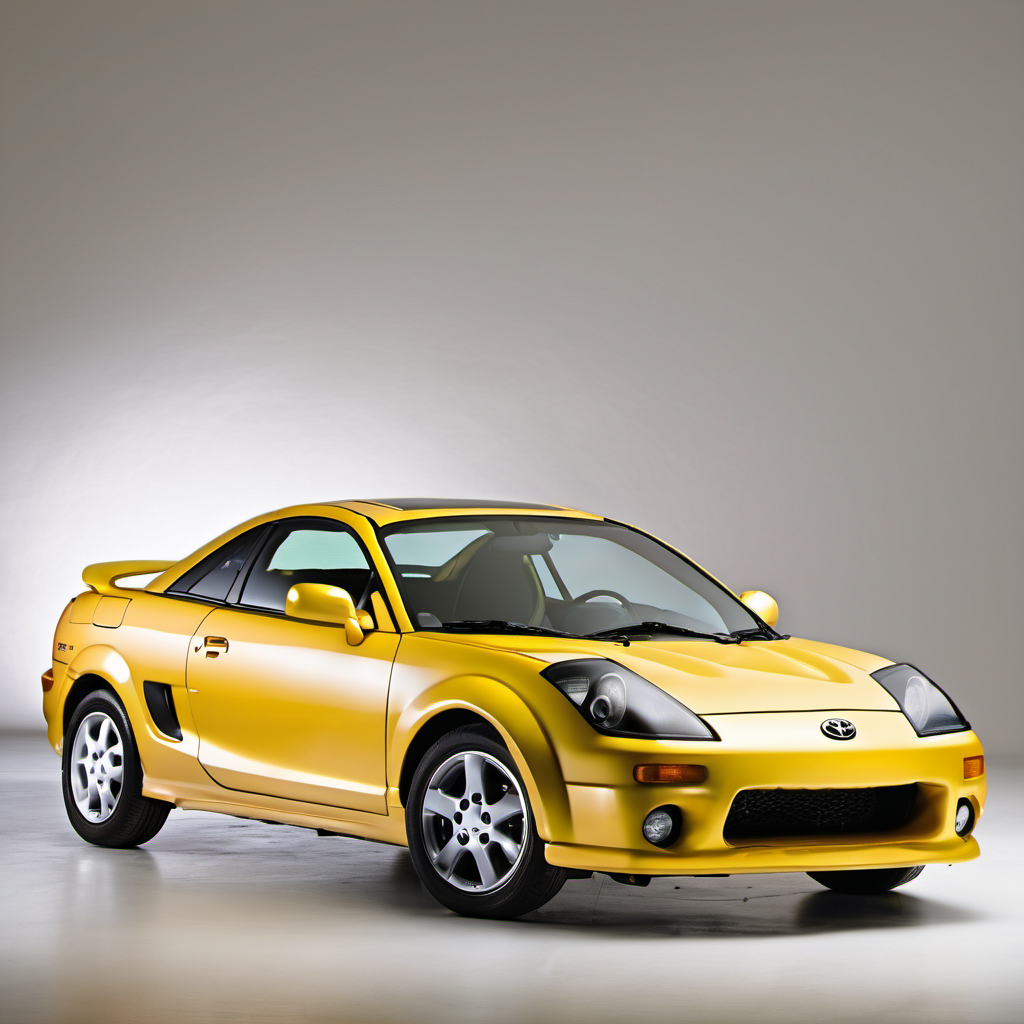
2005 Toyota MR2 Convertible

2005 Toyota

MR2Convertible

Convertible

The 2005 Toyota MR2 Spyder is the third-generation MR2, a lightweight two-seat roadster built around a mid-engine, rear-wheel-drive layout. Toyota sold it in the U.S. from 2000 through 2005, making this the final model year for the American market. It pairs a rev-happy 1ZZ-FE 1.8L four-cylinder with a slick 5-speed manual or a sequential manual transmission (SMT), tipping the scales at just under 2,200 lbs — which makes even its modest 138 hp feel punchy. The MR2 Spyder is a pure driver's car. The mid-engine balance, near 50/50 weight distribution, and communicative steering made it one of the most engaging sport convertibles of its era at any price. It's not fast in a straight line by modern standards, but it rewards skilled drivers and rarely punishes them with unexpected drama — unlike its predecessor, snap-oversteer tendencies were largely engineered out. As the last model year for U.S. sales, 2005 examples are increasingly collectible. They're simple enough mechanically that an attentive owner can maintain one without exotic parts costs, but the SMT transmission requires specific knowledge and respect. Parts availability has thinned over 20 years; sourcing some items now requires Japanese domestic market suppliers or specialty vendors.

Reliability
3/5
Verified data
Specs shown for MR2 — the most common configuration. Other trims may vary in engine, drivetrain, or fuel economy. Sign in to see your vehicle's exact specs.
Engine
[object Object]
Drivetrain
RWD
Fuel
Gasoline
MPG
23 city / 29 hwy / 25 combined
Seats
Doors
Body
Two Seaters

Overview

AI-curated

The 2005 Toyota MR2 Spyder is the third-generation MR2, a lightweight two-seat roadster built around a mid-engine, rear-wheel-drive layout. Toyota sold it in the U.S. from 2000 through 2005, making this the final model year for the American market. It pairs a rev-happy 1ZZ-FE 1.8L four-cylinder with a slick 5-speed manual or a sequential manual transmission (SMT), tipping the scales at just under 2,200 lbs — which makes even its modest 138 hp feel punchy. The MR2 Spyder is a pure driver's car. The mid-engine balance, near 50/50 weight distribution, and communicative steering made it one of the most engaging sport convertibles of its era at any price. It's not fast in a straight line by modern standards, but it rewards skilled drivers and rarely punishes them with unexpected drama — unlike its predecessor, snap-oversteer tendencies were largely engineered out. As the last model year for U.S. sales, 2005 examples are increasingly collectible. They're simple enough mechanically that an attentive owner can maintain one without exotic parts costs, but the SMT transmission requires specific knowledge and respect. Parts availability has thinned over 20 years; sourcing some items now requires Japanese domestic market suppliers or specialty vendors.

Known for
  • Mid-engine, rear-wheel-drive layout in a lightweight 2-seat roadster
  • Excellent weight distribution and sharp, communicative handling
  • Rev-happy 1ZZ-FE 1.8L four-cylinder engine
  • Available Sequential Manual Transmission (SMT) — unique for the segment
  • Final U.S. model year, growing collector appeal
Best for
  • Driving enthusiasts who prioritize handling over straight-line speed
  • Weekend and fair-weather drivers in moderate climates
  • Owners comfortable sourcing specialty or JDM parts
  • Those looking for an affordable, engaging sports car with Toyota reliability fundamentals
Watch for
  • SMT transmission — finicky, expensive to repair, and often misunderstood
  • Oil consumption on the 1ZZ-FE engine, especially higher-mileage examples
  • Soft-top convertible roof condition and seal deterioration after 20 years
  • Limited cargo space and no back seat — true two-seater only
  • Parts scarcity; some items require JDM sourcing

Common issues by mileage

6 known

1ZZ-FE Engine Oil Consumption

high
Typically appears
70k–150k mi
Estimated repair
$800 – $3,500

Sequential Manual Transmission (SMT) Actuator / Clutch Failure

high
Typically appears
50k–120k mi
Estimated repair
$1,200 – $4,500

Soft-Top Convertible Roof Seal and Latch Deterioration

high
Typically appears
Any mileage on 15+ year-old examples
Estimated repair
$300 – $1,800

Camshaft Position / VVT-i Oil Control Valve Issues

medium
Typically appears
80k–130k mi
Estimated repair
$150 – $600

Oxygen Sensor / Heater Circuit Failure

medium
Typically appears
80k–150k mi
Estimated repair
$150 – $450

Suspension Bushings and Ball Joint Wear

medium
Typically appears
80k–140k mi
Estimated repair
$400 – $1,200

Maintenance schedule

  1. 1
    Every 3,000–5,000 miles or every 6 months Engine oil change with consumption check

    The 1ZZ-FE is prone to oil consumption. Check the dipstick every fill-up and change oil on the shorter end of the interval to reduce piston ring deposits and extend engine life.

  2. 2
    Every 20,000 miles or 2 years SMT hydraulic fluid change (if SMT-equipped)

    The SMT system uses hydraulic fluid to actuate the clutch and gear changes. Degraded fluid accelerates actuator wear and is the single biggest factor in SMT longevity.

  3. 3
    Every 30,000–45,000 miles Manual transmission fluid change

    Toyota fills the T-series manual with gear oil at the factory. Fresh fluid keeps synchros smooth, especially important in cold Wisconsin winters where cold fluid thickens.

  4. 4
    Every 30,000 miles Spark plug replacement

    The 1ZZ-FE responds well to fresh plugs. Worn plugs can worsen oil consumption symptoms and reduce the crisp throttle response that defines this engine.

  5. 5
    Every spring and fall Convertible top and seal inspection/conditioning

    Seals harden and crack after 20 years, especially with Wisconsin freeze-thaw cycles. Conditioning the rubber seals and fabric top annually prevents leaks and interior water damage.

  6. 6
    Every fall before winter 12V battery load test

    The MR2 Spyder sits for extended periods in Wisconsin winters. A marginal battery will not recover after long storage. Test and replace proactively if the battery is over 4 years old.

  7. 7
    Every 2 years Brake fluid flush

    Brake fluid absorbs moisture over time. On a lightweight sports car where braking feel is critical, fresh fluid maintains pedal firmness and prevents corrosion in the ABS system.

  8. 8
    Every spring after salt season Undercarriage and rocker panel rust inspection

    Wisconsin road salt is aggressive. The MR2's low ground clearance puts the undercarriage close to spray. Inspect and treat any bare metal or bubbling paint before rust gets into structural areas.

Always defer to the manufacturer's service manual for warranty-mandated intervals.

Cost of ownership

Annual maintenance
$600 – $1,800
Fuel
Affordable — the 1.8L engine and light curb weight mean relatively low fuel costs at typical sport-driving usage. Expect roughly $1,200–$1,600/year at average Wisconsin driving distances and current regular-grade fuel prices.
Insurance
Generally moderate for a 2-seat sports car of this age and value; expect higher premiums than a comparable sedan due to the convertible/sports classification, but lower than higher-horsepower exotics. Shop around — rates vary significantly for specialty/collector vehicles.

A well-maintained MR2 Spyder with the 5-speed manual is a relatively affordable sports car to operate day-to-day — simple mechanically, good on fuel, and parts (while harder to find than mainstream Toyotas) are not exotic in price. The big wildcard is the SMT transmission: a failing SMT actuator or clutch can add $1,500–$4,500 to any given year's bill. Budget extra for convertible top maintenance and the reality that many wear items are now 20 years old and approaching replacement together.
Seasonal care

Lake Geneva, WI
Winter
  • Do not daily-drive this car in Wisconsin winters — salt exposure to the low-slung undercarriage accelerates frame and rocker rust significantly on a vehicle with minimal ground clearance.
  • If storing for winter, charge the 12V battery monthly with a maintenance charger or disconnect it entirely; long storage kills older batteries fast in sub-zero temps.
  • Before storage, apply a fresh coat of wax and spray the undercarriage with a rust-inhibiting coating to protect against any residual salt contamination.
  • Store the soft-top in the closed position to preserve seal shape; clean and condition the fabric and rubber before storage to prevent cracking from dry indoor heat.
  • Use a breathable car cover if storing in a garage — moisture trapped under a non-breathable cover causes more rust than open air storage.
  • If driven at all in winter, switch to a full-synthetic 0W-20 or 5W-30 for easier cold starts, and top off washer fluid with a winter-rated blend good to at least -20°F.
Summer
  • Check tire pressure monthly — heat causes pressure to rise and the MR2's handling balance is highly sensitive to tire pressure deviations front to rear.
  • Inspect the soft-top fabric for UV degradation and apply a UV-protective fabric treatment each spring to prevent cracking and fading through the summer sun.
  • With the engine mounted directly behind the cockpit, heat soak after short runs in traffic is real — let the engine idle briefly before shutting off in hot weather.
  • Inspect and top off coolant before summer; the 1ZZ-FE runs warm in traffic and a low-coolant condition can push temps into the danger zone quickly in a small-displacement engine.
  • Run the A/C system at least once a week even on mild days to keep seals lubricated and detect any refrigerant loss early in the season.

Comparable vehicles

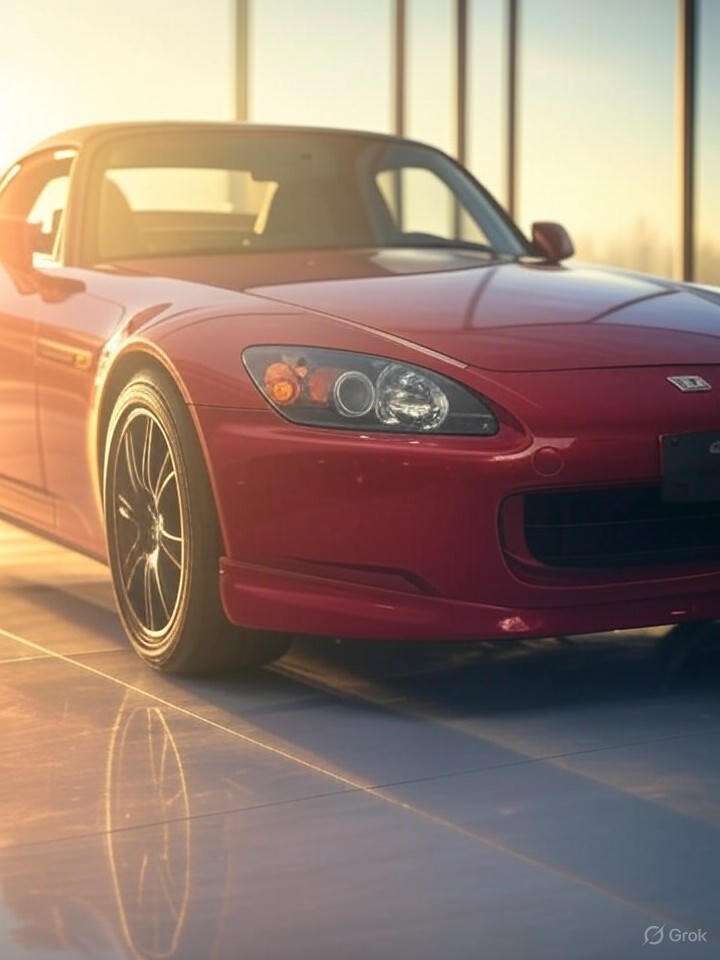
2005 Honda S2000
2005 Honda
S2000

Also a Japanese 2-seat RWD roadster from the same era. The S2000 offers more power (240 hp) and a higher-revving engine, but costs more to buy and maintain. Both reward driver skill equally.
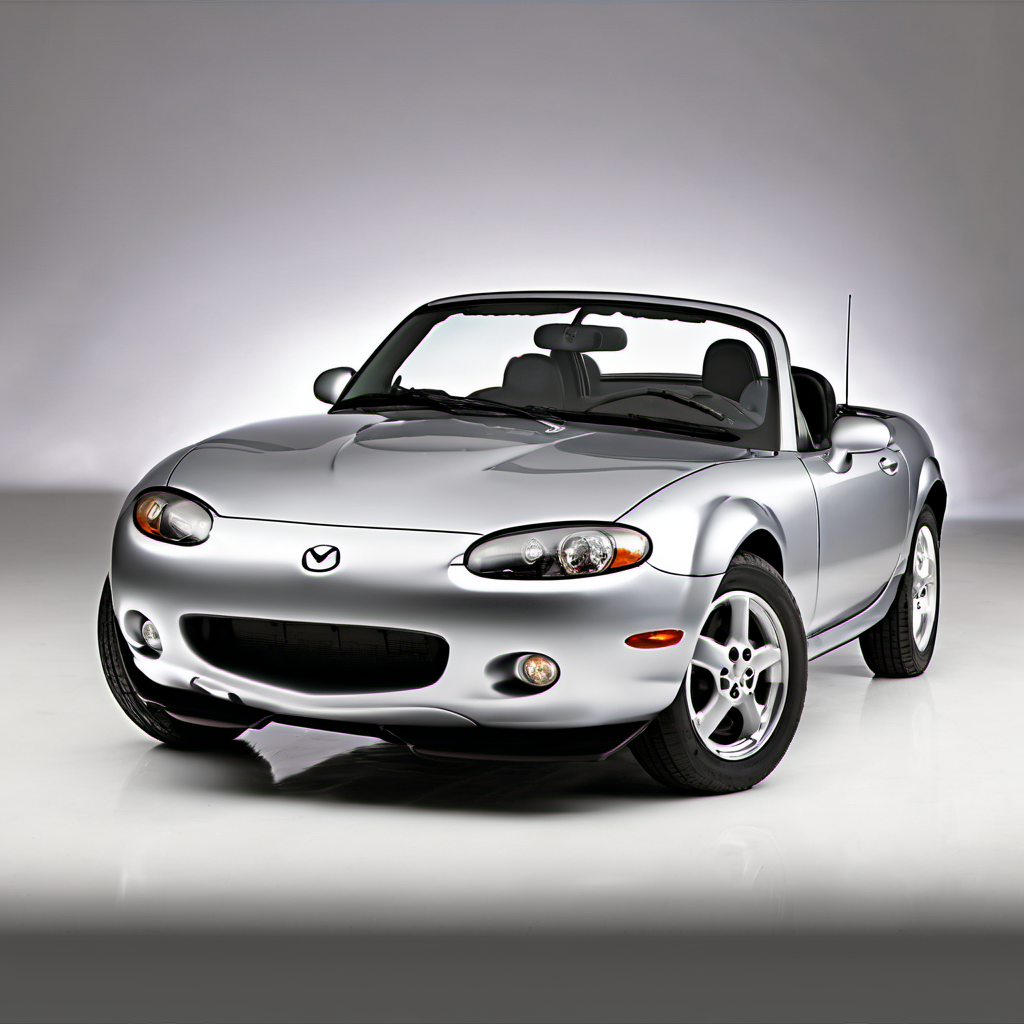
2005 Mazda MX-5 Miata
2005 Mazda
MX-5 Miata

The closest direct competitor — lightweight, 2-seat, RWD convertible with strong parts availability and a large enthusiast community. Front-engine vs. mid-engine is the key dynamic difference. Easier to live with and cheaper to maintain than the MR2.

2005 Pontiac
Solstice

American-market 2-seat RWD roadster at a similar price point. Less refined than the MR2 but more powerful. Parts are now difficult to source and long-term reliability is lower.

No catalog match
2005 Saturn
Sky

Shared the Solstice platform; similar trade-offs. Offered a turbocharged Redline version with real performance, but suffers the same parts scarcity and reliability concerns as its Pontiac sibling.

No catalog match

If you're shopping for one

Red flags
  • SMT car with no documented hydraulic fluid service history — budget for imminent actuator replacement.
  • Any evidence of water intrusion in the interior — soft-top leaks cause mold, electrical damage, and rust in the floor pan.
  • Blue smoke on startup or acceleration — indicates advanced oil consumption / piston ring wear on the 1ZZ-FE.
  • Bubbling paint or visible rust on rockers, sills, or rear engine bay — structural rust on a 20-year-old low-production sports car is costly and sometimes unfixable.
  • Modified suspension or dramatically lowered ride height — the MR2 already sits low; further lowering compounds understeer, bump steer, and tire wear issues.
  • No service records at all — for a 20-year-old specialty vehicle, history documentation is essential to understanding what you're buying.
What to inspect
  • Pull the dipstick and check for oil consumption evidence — ask the seller how often they add oil between changes. Dark, low oil on a 1ZZ-FE is a red flag.
  • If SMT-equipped, test every gear change mode (auto and manual paddle) for smooth, hesitation-free shifts. Jerky, slow, or missed shifts indicate actuator or clutch wear.
  • Inspect the soft-top thoroughly: open and close it, look for tears, water staining on the interior headliner, and hardened or cracked seals around the windows and door frames.
  • Get under the car and inspect rockers, rear subframe, and the area around the mid-mounted engine for rust — Wisconsin-history cars are especially vulnerable.
  • Check for oil leaks around the valve cover and cam seals on the 1ZZ-FE; small leaks onto a hot exhaust can be a fire risk on a mid-engine layout.
  • Have a trusted independent mechanic perform a pre-purchase inspection — this is not a vehicle to buy based on a test drive alone at this age.
AI profile generated 48 min ago · claude-sonnet-4-6 · v2.