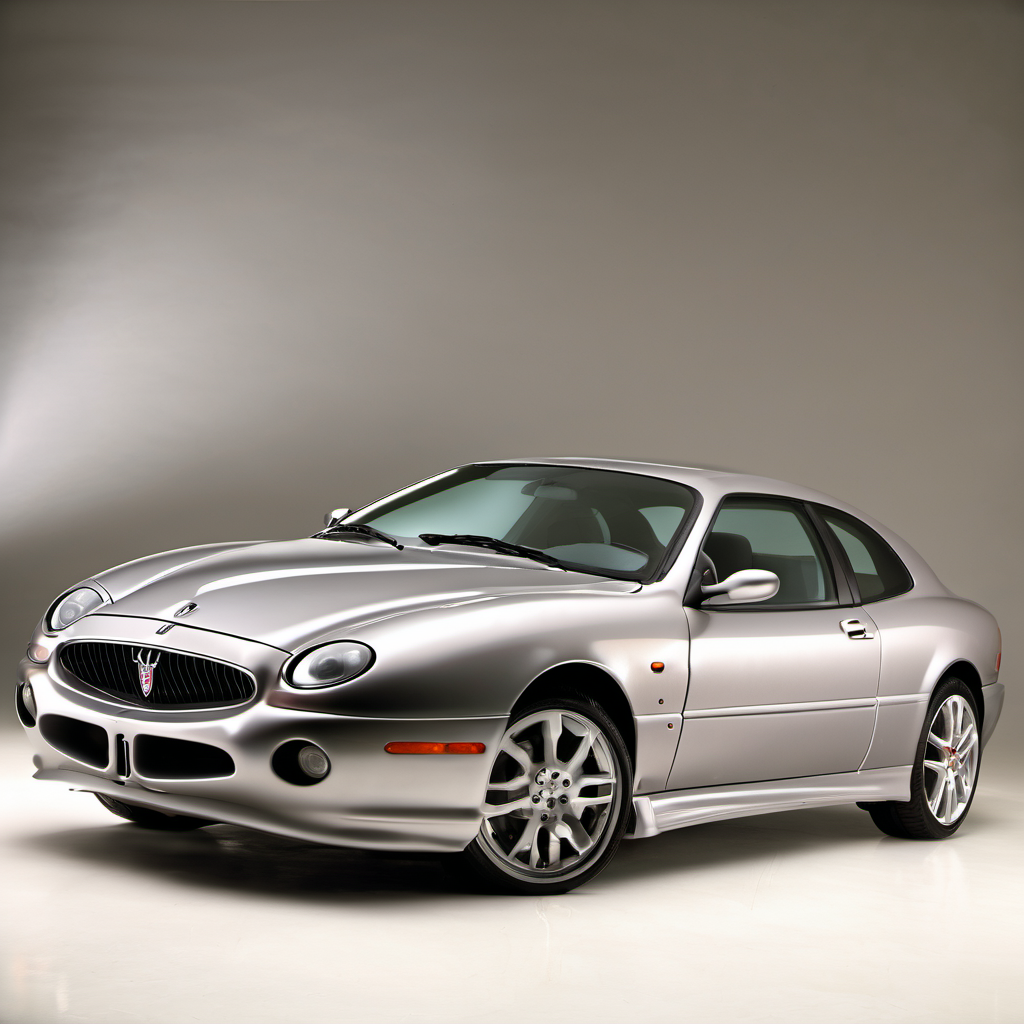
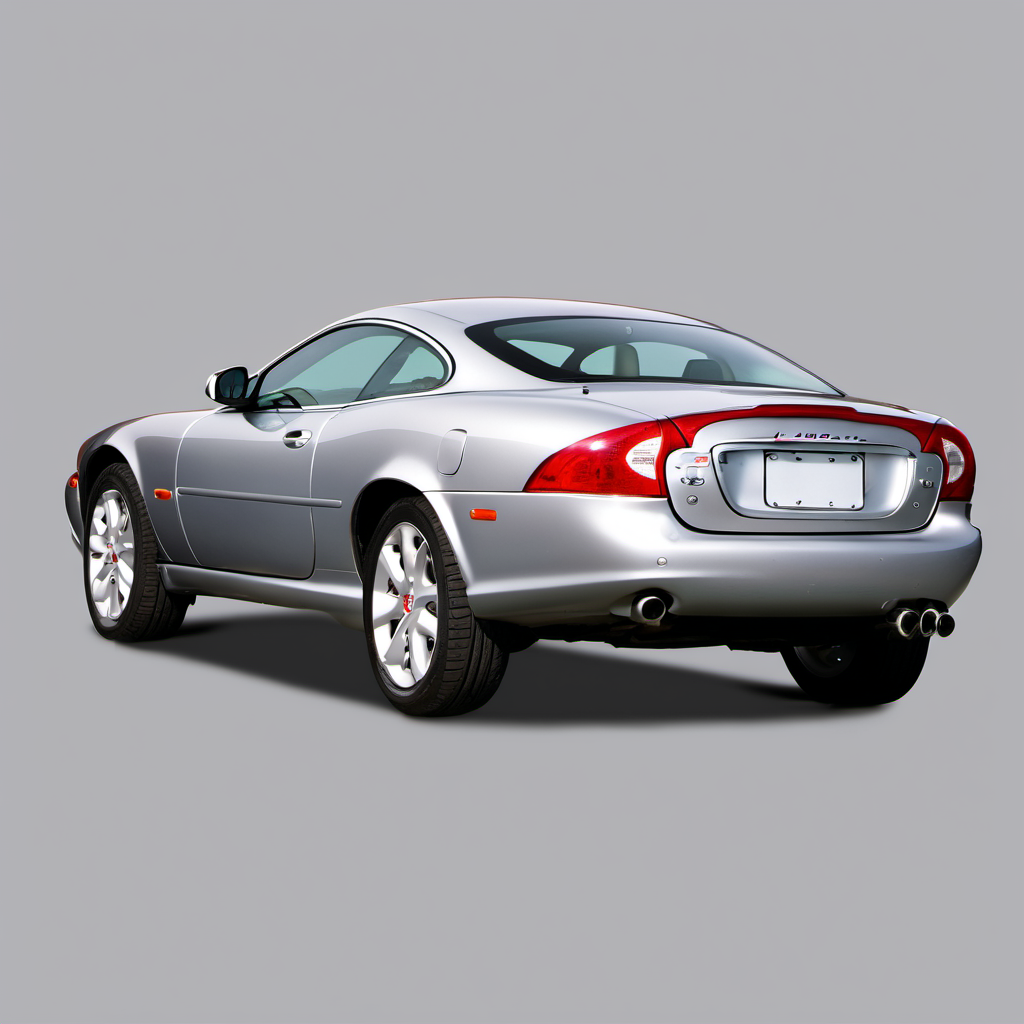
2005 Aston Martin DB9

2005 Aston

Martin DB9

5.9L V12

The 2005 Aston Martin DB9 is a hand-built British grand tourer powered by a 5.9L V12 engine producing 450 hp. Built on an all-aluminum VH platform developed with Ford, it represented a generational leap for Aston Martin — lighter, stiffer, and more refined than anything the company had made before. The DB9 shares its basic architecture with the Vanquish but is positioned as a more road-focused, everyday-capable GT car. At 20 years old, a 2005 DB9 is firmly in exotic-car maintenance territory. Parts are specialty items, labor rates at qualified shops are high, and many components simply aren't available at your local auto parts store. That said, owners who maintain them properly report strong reliability for the platform — the V12 itself is robust. The Touchtronic 2 six-speed automatic (sourced from ZF) and the electronics are the weak links. This is a car for someone who genuinely loves it and has the budget to keep it right. Deferred maintenance on a DB9 compounds quickly and expensively. Budget accordingly before buying.

Reliability
3/5
Engine
[object Object]
Drivetrain
RWD
Fuel
Gasoline
MPG
12 city / 19 hwy / 15 combined
Seats
4
Doors
2
Body
Coupe
MSRP
$168,000

Overview

AI-curated

The 2005 Aston Martin DB9 is a hand-built British grand tourer powered by a 5.9L V12 engine producing 450 hp. Built on an all-aluminum VH platform developed with Ford, it represented a generational leap for Aston Martin — lighter, stiffer, and more refined than anything the company had made before. The DB9 shares its basic architecture with the Vanquish but is positioned as a more road-focused, everyday-capable GT car. At 20 years old, a 2005 DB9 is firmly in exotic-car maintenance territory. Parts are specialty items, labor rates at qualified shops are high, and many components simply aren't available at your local auto parts store. That said, owners who maintain them properly report strong reliability for the platform — the V12 itself is robust. The Touchtronic 2 six-speed automatic (sourced from ZF) and the electronics are the weak links. This is a car for someone who genuinely loves it and has the budget to keep it right. Deferred maintenance on a DB9 compounds quickly and expensively. Budget accordingly before buying.

Known for
  • Hand-built 5.9L V12 with a spine-tingling exhaust note
  • All-aluminum VH platform — light and stiff for its era
  • Striking Ian Callum exterior design that has aged extremely well
  • Touchtronic 2 paddle-shift gearbox sourced from ZF
  • Low-volume, hand-assembled construction at Gaydon, England
Best for
  • Grand touring on open highways
  • Enthusiasts who want a driver's car with genuine GT comfort
  • Collectors looking for a modern classic with strong visual appeal
  • Owners with access to an Aston-qualified independent specialist
Watch for
  • Deferred maintenance history — service intervals are expensive and often skipped
  • Touchtronic transmission problems are costly and common in higher-mileage examples
  • Electrical gremlins, particularly infotainment and body control modules
  • Coolant leaks from the engine can escalate quickly if ignored
  • Parts availability and specialist labor are limited outside major metro areas

Common issues by mileage

6 known

Touchtronic Transmission Failure / Harsh Shifting

high
Typically appears
60–90k mi
Estimated repair
$2,500 – $4,500

Fuel System Lean Condition (Both Banks)

medium
Typically appears
70–90k mi
Estimated repair
$400 – $600

Random / Multiple Cylinder Misfire

medium
Typically appears
75–90k mi
Estimated repair
$400 – $700

Catalytic Converter Efficiency (Both Banks)

medium
Typically appears
85–110k mi
Estimated repair
$2,000 – $3,500

Coolant Leaks from Engine (Hoses, Water Pump, Coolant Pipes)

medium
Typically appears
50–70k mi
Estimated repair
$600 – $1,200

Electrical / Infotainment Module Faults

medium
Typically appears
40–60k mi
Estimated repair
$400 – $900

Maintenance schedule

  1. 1
    Every 10,000 miles or 12 months, whichever comes first Engine Oil & Filter Change

    The V12 runs hot and works hard — use only the specified 10W-60 full synthetic. On a 20-year-old engine, fresh oil is the single cheapest form of insurance you have. Skipping or stretching this interval accelerates carbon buildup and bearing wear.

  2. 2
    Every 7,500 miles or 6 months Tire Rotation

    RWD with 450 hp puts uneven stress on rear tires. Rotation extends tire life and helps you catch uneven wear that could indicate suspension wear — a known issue on this platform.

  3. 3
    Every 2 years regardless of mileage Brake Fluid Change

    Brake fluid absorbs moisture over time. On a performance car with high-load braking, degraded fluid raises fade risk. At two years, change it — especially important before winter storage when the car may sit.

  4. 4
    Every 4 years / 60,000 miles Coolant System Inspection & Flush

    Coolant leaks from hoses, the water pump, and aluminum coolant pipes are a documented problem on the DB9. Inspect all cooling system components at every flush and replace hoses proactively if they show any softness or cracking.

  5. 5
    Every 60,000 miles or 4 years Transmission Fluid Change (Touchtronic)

    Transmission issues are the most expensive common failure on this car. Fresh ZF-spec fluid helps extend the life of the Touchtronic unit. Don't skip this — a transmission replacement or rebuild runs $2,500–$4,500+.

  6. 6
    Any time the car sits more than 2–3 weeks Battery Tender / Trickle Charge During Storage

    The DB9's electronics draw a small constant current. A dead or low battery stresses the Body Control Module and can trigger a cascade of electrical faults that are time-consuming to diagnose.

  7. 7
    Every 30,000 miles or at any sign of clunking/handling change Suspension Component Inspection

    Bushings, ball joints, and tie rod ends on the DB9's aluminum suspension wear at moderate mileage. Catching these early prevents alignment damage and keeps the car safe and predictable.

  8. 8
    Every 60,000–80,000 miles Carbon Cleaning (Intake Valves / Combustion Chamber)

    Carbon buildup is a documented issue on the 5.9L V12 and contributes to rough running and misfires. Walnut blasting or professional intake cleaning at the interval can prevent escalation to ignition or fuel system repairs.

Always defer to the manufacturer's service manual for warranty-mandated intervals.

Cost of ownership

Annual maintenance
$2,500 – $6,000
Fuel
Premium unleaded required. At 15 MPG combined and ~12,000 miles/year, expect $3,000–$4,000+ annually depending on fuel prices. This car will drink premium.
Insurance
Expect $2,500–$5,000/year for agreed-value exotic coverage in Wisconsin. Agreed-value (not ACV) policies are strongly recommended for a car of this age and rarity. Rates vary widely based on usage, storage, and driving record.

The DB9 is not an expensive car to insure relative to its value, but it is expensive to maintain. An oil change runs around $300. Any significant repair — transmission, catalytic converters, cooling system — starts at $600 and can easily reach $4,000+. Budget a minimum of $2,500/year for routine maintenance on a well-kept example; double that if the car has deferred work or you're buying with unknown history. Parts must often be sourced from specialty suppliers or overseas, which adds lead time and cost. Ownership is very rewarding when the car is right — just keep a healthy contingency fund.

Seasonal care

Lake Geneva, WI
Winter
  • Do not drive this car on salted Wisconsin roads — the aluminum chassis resists rust, but suspension components, brake hardware, and underbody electrical connectors do not. Winter storage is strongly recommended.
  • Before storing, fill the fuel tank and add a fuel stabilizer to prevent ethanol-blend fuel from degrading over a long storage period.
  • Connect a quality battery tender for the entire storage period. The DB9's electronics draw continuously and will drain a battery within weeks, risking module damage.
  • Store in a climate-controlled or at minimum dry, covered space. Sub-zero temperatures are hard on rubber seals, hoses, and the Touchtronic transmission.
  • Perform your annual oil change before storage — not in spring. Old oil contains acids and combustion byproducts that attack engine internals if left sitting all winter.
  • Check coolant freeze protection before any cold-weather driving — the DB9's cooling system has known weak points, and a frozen coolant line is catastrophic.
Summer
  • Check tire pressure at least monthly — summer heat raises pressure by 4–6 PSI and affects handling on a performance car. Use the door placard spec as a baseline.
  • Inspect the A/C system at the start of summer. The DB9's cabin is low-slung and heats up quickly; a marginal refrigerant charge that worked in spring may not keep up in July heat.
  • After winter storage, inspect all coolant hoses and connections before the first extended summer drive. Heat cycles stress already-aged rubber.
  • Use a quality UV-protectant on leather and interior trim — the low greenhouse makes the DB9's interior vulnerable to sun damage during summer storage or top-down (Volante) use.
  • Check brake pad thickness before any spirited summer driving. Track-day use or aggressive mountain driving will wear pads quickly on a 4,000-lb performance car.

Comparable vehicles

If you're shopping for one

Red flags
  • No service records or gaps longer than 18 months between documented services
  • Any sign of coolant loss, overheating history, or white residue on the engine
  • Transmission shudder, hesitation, or fault codes present — these are expensive to fix and a sign of deferred care
  • Aftermarket ECU tunes or performance modifications — these complicate repairs and may have stressed the drivetrain
  • Evidence of accident repair, especially on an aluminum-bodied car — aluminum doesn't straighten like steel and frame repairs are extremely expensive
  • Low asking price relative to market without a clear explanation — a cheap DB9 almost always means expensive problems waiting to happen
What to inspect
  • Full documented service history — specifically oil changes and transmission fluid changes. No records is a dealbreaker on this car.
  • Transmission behavior: test all shift modes (auto, manual paddle), listen for hesitation, clunks, or harsh engagement. Touchtronic rebuilds start at $2,500.
  • Cooling system: look for white residue around hose connections, the overflow tank, and under the car. Even a small coolant leak can escalate quickly on this engine.
  • Electrical systems: test every powered feature — windows, infotainment, HVAC, interior lighting. Gremlins are common and diagnosis alone is expensive.
  • Suspension and steering: feel for vagueness, clunking over bumps, or uneven tire wear. Aluminum suspension components are non-trivial to replace.
  • Have a pre-purchase inspection done by an Aston Martin-qualified independent specialist, not a general mechanic. There are a handful in the Midwest — it's worth traveling to one.
AI profile generated 4 days ago · claude-sonnet-4-6 · v2.