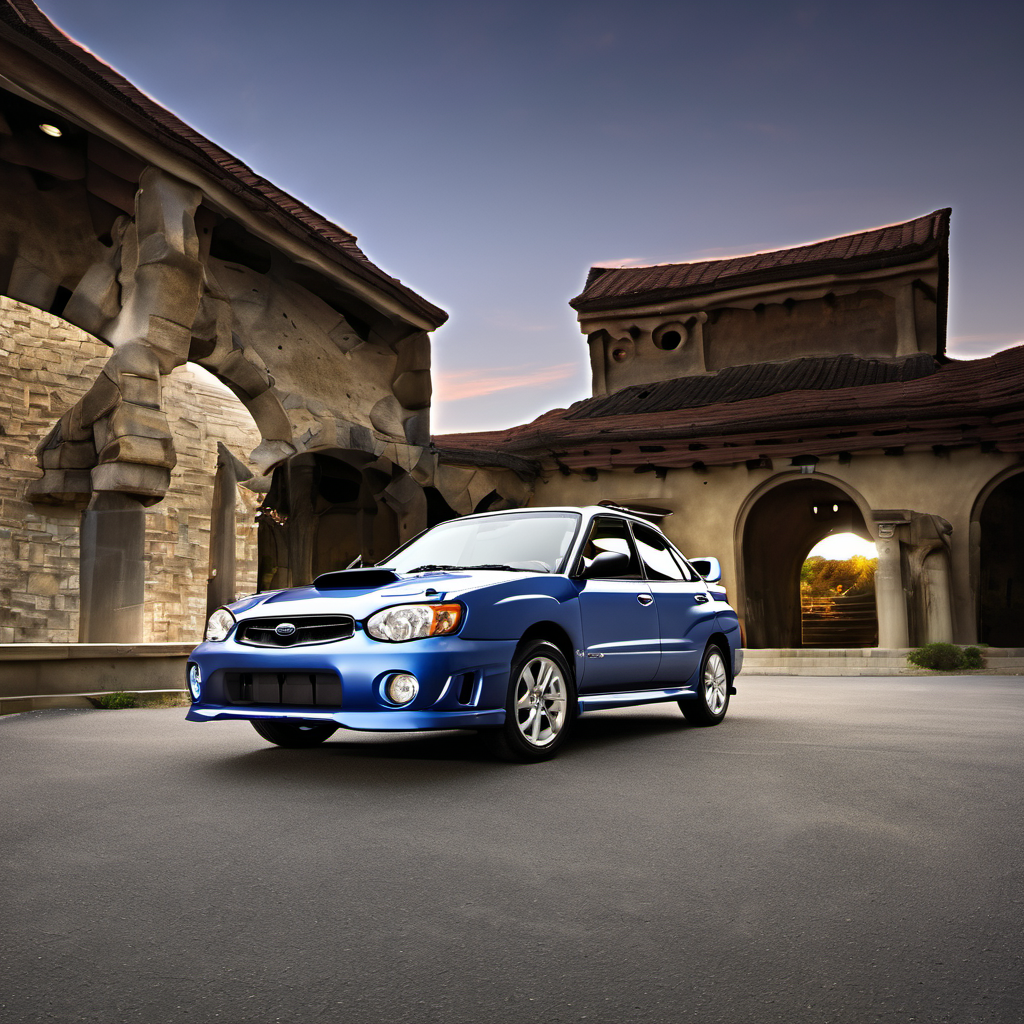
2004 Subaru Impreza Wagon
Popular pick

2004 Subaru

ImprezaWagon

2.5L EJ25 SOHC H4 · Wagon

The 2004 Subaru Impreza Wagon is a compact, all-wheel-drive wagon that punches above its weight for Wisconsin drivers. It shares its platform with the WRX but in this naturally aspirated 2.5L form it's a practical, everyday hauler rather than a performance machine. Cargo space is genuinely useful, ground clearance is reasonable for light snow, and AWD is always-on — not a part-time system you have to engage. The EJ25 SOHC (Phase II) engine is proven but comes with well-documented head gasket vulnerabilities that every prospective buyer must understand before signing. Address that issue proactively and this car can push well past 150k miles without drama. At 20 years old, most examples are deep into high-mileage territory. The ones still running well have usually had their head gaskets done at least once and received consistent oil changes. Budget accordingly and inspect carefully — this is a car where deferred maintenance shows up in expensive ways.

Reliability
3/5
Verified data
Engine
2.5L EJ25 SOHC H4
Drivetrain
AWD/All-Wheel Drive
Fuel
Gasoline
MPG
20 city / 27 highway
Seats
5
Doors
4
Body
Sedan
MSRP
$19,595

Overview

AI-curated

The 2004 Subaru Impreza Wagon is a compact, all-wheel-drive wagon that punches above its weight for Wisconsin drivers. It shares its platform with the WRX but in this naturally aspirated 2.5L form it's a practical, everyday hauler rather than a performance machine. Cargo space is genuinely useful, ground clearance is reasonable for light snow, and AWD is always-on — not a part-time system you have to engage. The EJ25 SOHC (Phase II) engine is proven but comes with well-documented head gasket vulnerabilities that every prospective buyer must understand before signing. Address that issue proactively and this car can push well past 150k miles without drama. At 20 years old, most examples are deep into high-mileage territory. The ones still running well have usually had their head gaskets done at least once and received consistent oil changes. Budget accordingly and inspect carefully — this is a car where deferred maintenance shows up in expensive ways.

Known for
  • Symmetrical full-time AWD traction in snow and rain
  • Practical wagon utility in a compact footprint
  • EJ25 head gasket failure — a known, recurring issue on this generation
  • Loyal, knowledgeable owner community with abundant DIY resources
Best for
  • Wisconsin winters — AWD handles Lake Geneva-area snow and ice reliably
  • Budget-conscious buyers who want AWD without SUV fuel economy
  • Owners willing to do proactive maintenance or who can wrench themselves
  • Light hauling, camping gear, and weekend use
Watch for
  • Head gasket failure — coolant leaks, overheating, white exhaust smoke
  • Rust on subframes, rear wheel wells, and undercarriage (road salt exposure)
  • Automatic transmission reliability on high-mileage examples
  • Timing belt service — this is an interference engine, and a snapped belt is catastrophic

Common issues by mileage

6 known

Head Gasket Failure (EJ25 SOHC)

high
Typically appears
60–120k mi
Estimated repair
$1,400 – $2,200

Timing Belt & Water Pump Service (Interference Engine)

high
Typically appears
60–105k mi (every 105k or 7 yrs)
Estimated repair
$500 – $850

Oxygen Sensor Failure / Heater Circuit Fault

medium
Typically appears
80–150k mi
Estimated repair
$150 – $350

Automatic Transmission Wear / Shift Quality Degradation

medium
Typically appears
100–160k mi
Estimated repair
$800 – $3,200

Undercarriage & Subframe Rust (Road Salt Damage)

high
Typically appears
Any — worsens with age in WI/IL/MN
Estimated repair
$300 – $2,500

Wheel Bearing Failure (Rear)

medium
Typically appears
80–140k mi
Estimated repair
$250 – $500

Maintenance schedule

  1. 1
    Every 105,000 miles or 7 years, whichever comes first Timing belt, tensioner, and water pump replacement

    This is an interference engine — if the belt snaps, valves meet pistons and you're looking at an engine replacement. At 20 years old, verify the last service date regardless of mileage.

  2. 2
    Every 30,000 miles or 2 years Coolant flush with correct Subaru-spec coolant

    Using the wrong coolant chemistry accelerates head gasket degradation on the EJ25. Old or contaminated coolant raises the risk significantly. Do not mix green and pink coolants.

  3. 3
    Every 5,000 miles or 6 months Engine oil change with full-synthetic 5W-30

    EJ25 head gaskets are sensitive to overheating caused by oil sludge. Short intervals with synthetic oil reduce sludge risk and extend head gasket life.

  4. 4
    Every 30,000 miles Transmission fluid change (automatic)

    Subaru's 4-speed automatic is durable when fluid is fresh. Neglected fluid leads to solenoid wear and shifting problems that are expensive to fix.

  5. 5
    Every 30,000 miles Front and rear differential fluid service

    AWD differentials depend on clean fluid. Contaminated fluid causes binding and wear on the center viscous coupling.

  6. 6
    Every fall before winter season Inspect and undercoat undercarriage

    Lake Geneva road salt is brutal on subframes and rear suspension mounting points. Annual undercoating dramatically extends structural life.

  7. 7
    Every 30,000 miles (copper) or 60,000 miles (platinum) Spark plug replacement

    Boxer engines require removing the intake to access rear plugs — labor adds up fast if plugs are neglected past service interval.

  8. 8
    Every oil change Inspect coolant for oil contamination

    Milky or brown-tinted coolant reservoir fluid is the first sign of head gasket seepage. Catching it early can save a full HG replacement.

Always defer to the manufacturer's service manual for warranty-mandated intervals.

Cost of ownership

Annual maintenance
$600 – $1,400
Fuel
At 23 MPG combined and ~12,000 miles/year, expect roughly $1,500–$1,800/year at current Midwest gas prices.
Insurance
Typically $900–$1,400/year for a 20-year-old vehicle in the Lake Geneva area; varies by driver history and coverage level.

On paper this is an affordable vehicle to own — the MSRP was modest and insurance on a 20-year-old car is low. The real cost risk is deferred maintenance catching up. A head gasket job ($1,400–$2,200), timing belt service (~$600–$850), and rust repair can easily stack in the same year on a neglected car. Buy one with documentation and you'll likely spend $600–$1,000/year in routine maintenance. Buy blind and year-one could cost $3,000+.
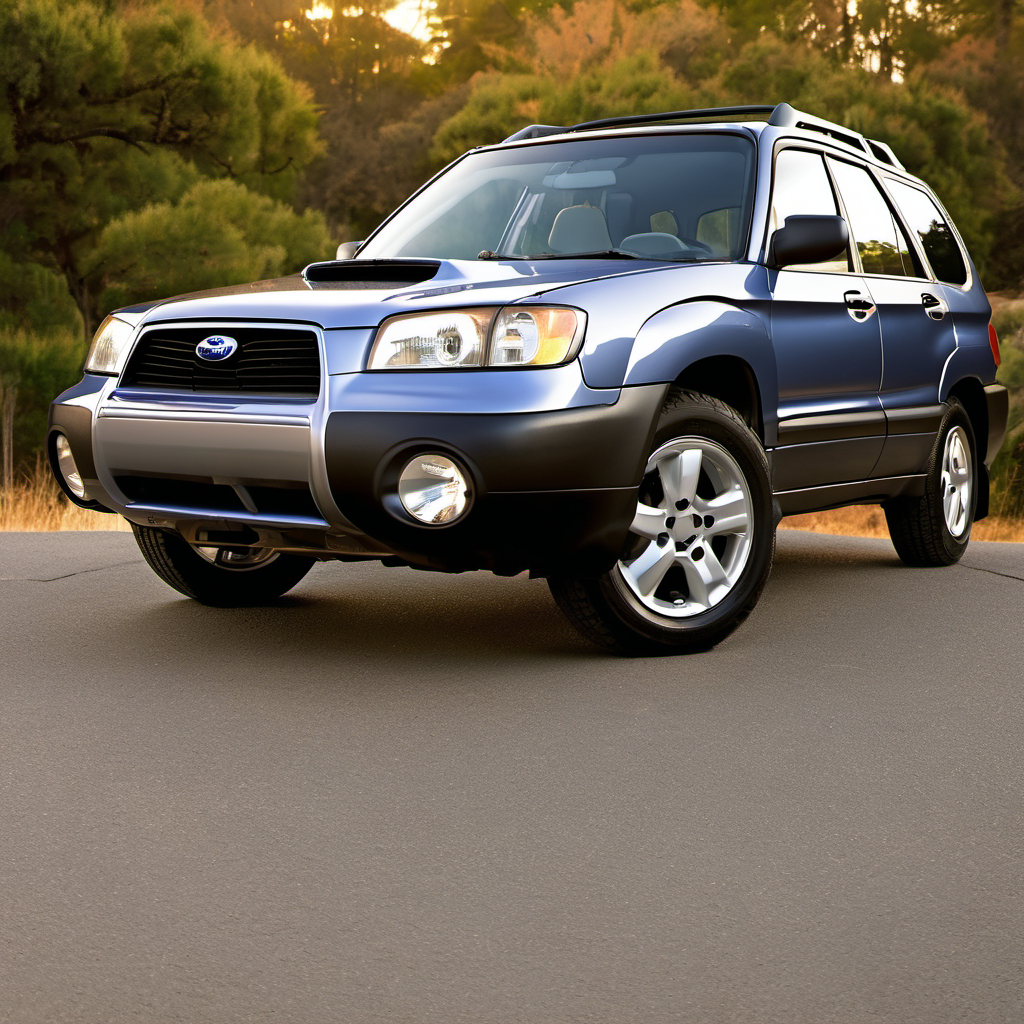
Seasonal care

Lake Geneva, WI
Winter
  • Switch to a full set of dedicated winter tires — AWD helps you go, it does not help you stop on ice. Dedicated rubber makes a bigger difference than the AWD system.
  • Test the battery before first hard freeze. At 20 years old, most batteries have been replaced, but a weak battery at -10°F will leave you stranded. Load-test it in October.
  • Use washer fluid rated to -20°F or lower. Lake Geneva winters regularly hit single digits and standard fluid will freeze in the reservoir and lines.
  • Flush and fill with Subaru-spec coolant and verify the freeze point is adequate — at least -34°F. Do not trust unknown coolant condition going into winter.
  • Check that AWD center differential is binding-free before winter. If you feel hesitation or a 'clunk' turning tight corners, service the differential fluid now.
  • Rinse the undercarriage every 1–2 weeks during salting season, especially around rear subframe mounts and wheel wells.
Summer
  • Watch the temperature gauge closely on hot days — a marginally seeping head gasket that hides in winter will show itself in July. Pull over immediately if the temp creeps above normal.
  • Check tire pressure monthly; pressure drops ~1 PSI per 10°F temperature change and summer swings are significant.
  • Inspect and test A/C refrigerant charge — this generation commonly loses charge slowly through aging seals. A weak A/C in August is both uncomfortable and a sign to check for leaks.
  • Inspect the radiator and cooling hoses for cracking or softness. Heat cycles accelerate rubber deterioration on older hoses.

Comparable vehicles

If you're shopping for one

Red flags
  • No maintenance records at all — on a 20-year-old Subaru, undocumented history almost always means deferred HG and timing belt service.
  • Temperature gauge that climbs above the middle mark, even briefly — the head gasket may already be compromised.
  • Visible rust holes or flaking around the rear subframe or floor — structural repairs can easily exceed the car's value.
  • Owner says 'just needs coolant added occasionally' — that is head gasket failure, not a minor quirk.
  • Strong burnt or sweet smell from the engine bay or exhaust — coolant burning internally is a deal-breaker without a serious price reduction.
What to inspect
  • Pull the oil dipstick and look for a milky, caramel, or frothy residue — this signals coolant in the oil from head gasket failure.
  • Check the coolant reservoir for a brown oily film on the surface or underside of the cap — another head gasket indicator.
  • Get under the car and inspect the rear subframe mounting points, rear trailing arm brackets, and floor pan edges for rust perforation — not just surface rust.
  • Start the engine cold and watch the tailpipe: persistent white sweet-smelling smoke is coolant burning off through a breached head gasket.
  • Ask for timing belt documentation. If none exists and the car has over 90k miles, assume it hasn't been done and price it into your offer.
  • Drive at highway speed and check for vibration — worn wheel bearings and out-of-balance tires are common on high-mileage examples.
  • Test the AWD by doing a slow, tight circle on a parking lot — a binding thump means the center diff or rear diff fluid is long overdue.
AI profile generated 4 days ago · claude-sonnet-4-6 · v2.