VTC Actuator Rattle on Cold Start
high- Typically appears
- 80–150k mi
- Estimated repair
- $200 – $450
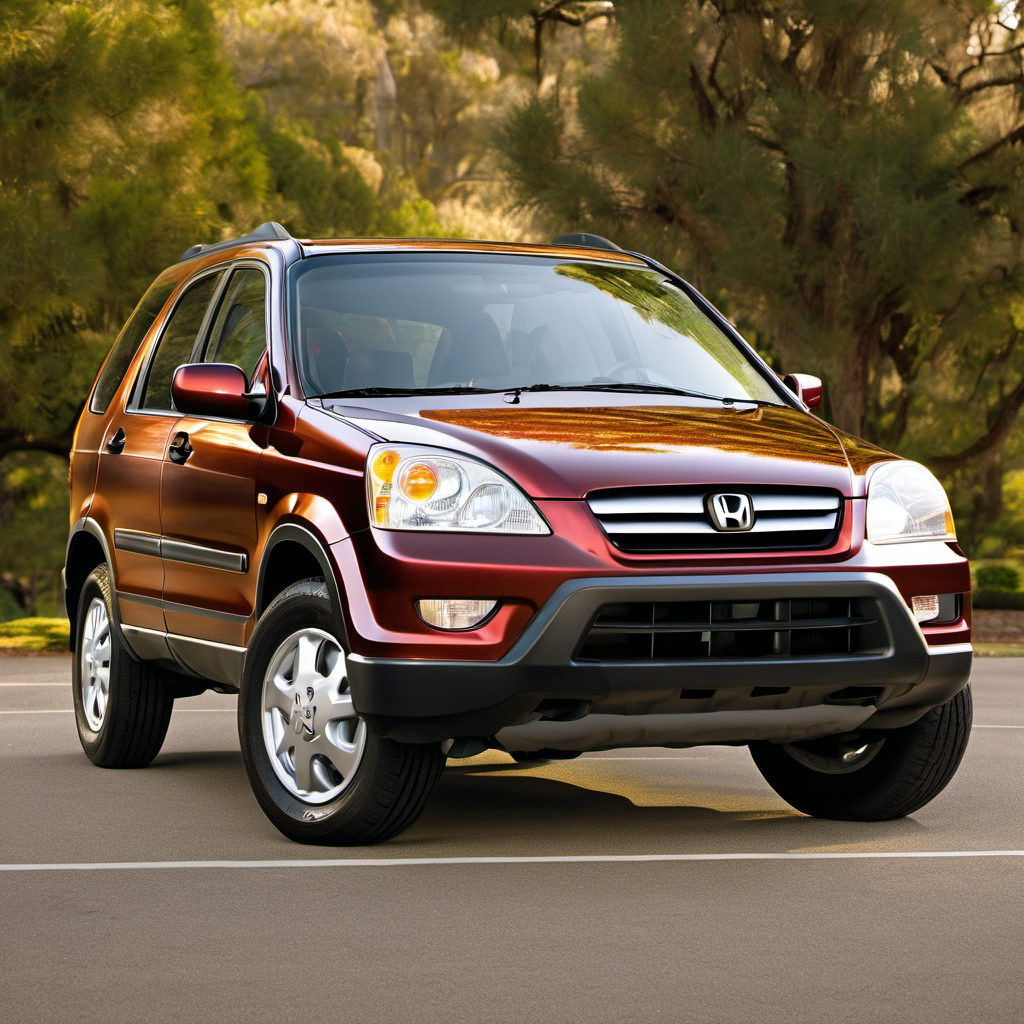
2004 Honda
2.4L I4 · SUV
The 2004 Honda CR-V is the second generation of Honda's compact SUV, riding on a car-based platform shared with the Civic. It brought a significant upgrade over the first gen: a proper 2.4L K24A1 four-cylinder, a roomier interior, and a much more car-like driving experience. For a 20-year-old compact SUV, it punches above its weight for daily usability and long-term durability. The K24 engine family is one of Honda's most bulletproof motors. With basic maintenance — especially regular oil changes — these engines routinely push 200,000+ miles. The automatic transmission is generally reliable but does not tolerate neglected fluid changes. The platform itself is simple, which keeps independent shop repair costs reasonable even two decades in. At this age, you're buying the maintenance history as much as the vehicle itself. A well-kept CR-V with documented oil changes and timing chain service is a strong used buy. A neglected one can present oil consumption issues and VTC actuator problems that get expensive fast.
The 2004 Honda CR-V is the second generation of Honda's compact SUV, riding on a car-based platform shared with the Civic. It brought a significant upgrade over the first gen: a proper 2.4L K24A1 four-cylinder, a roomier interior, and a much more car-like driving experience. For a 20-year-old compact SUV, it punches above its weight for daily usability and long-term durability. The K24 engine family is one of Honda's most bulletproof motors. With basic maintenance — especially regular oil changes — these engines routinely push 200,000+ miles. The automatic transmission is generally reliable but does not tolerate neglected fluid changes. The platform itself is simple, which keeps independent shop repair costs reasonable even two decades in. At this age, you're buying the maintenance history as much as the vehicle itself. A well-kept CR-V with documented oil changes and timing chain service is a strong used buy. A neglected one can present oil consumption issues and VTC actuator problems that get expensive fast.
The K24A1's VTC actuator and timing chain are oil-pressure dependent. Letting oil go dirty or low is the single biggest cause of expensive engine repairs on this platform. Full synthetic holds up better in Wisconsin cold starts.
Honda recommends this fluid specifically. Using the wrong ATF or skipping changes leads to shudder and premature clutch pack wear. Drain-and-fill — not a flush — is preferred.
A clogged engine air filter hurts fuel economy and airflow to the K24. Cabin filter is often skipped on older vehicles — a dirty one can kill A/C airflow and produce odors.
Using the wrong coolant type causes galvanic corrosion in the aluminum engine block. At 20 years old, the coolant should be fresh regardless of mileage.
The K24 uses a timing chain (not a belt), so there's no scheduled replacement — but chains stretch and tensioners wear. Listen for startup rattle; have a technician inspect the system at higher mileage.
Brake fluid absorbs moisture over time, lowering its boiling point. On a vehicle this age, fresh fluid is overdue and protects calipers and ABS components from internal corrosion.
After a Wisconsin winter, road salt packs into the subframe, brake lines, and wheel wells. A thorough undercarriage flush each spring dramatically slows rust progression. Inspect brake lines for surface corrosion annually.
Worn plugs cause rough idle, poor cold starts, and increased fuel consumption — all more noticeable in cold Wisconsin winters. Iridium plugs last longer and fire more reliably in sub-zero temps.
Always defer to the manufacturer's service manual for warranty-mandated intervals.
The 2004 CR-V is one of the more affordable compact SUVs to own at this age. Routine maintenance is the main annual cost — oil changes, ATF service, brakes, and tires. The K24 engine's simplicity keeps labor hours low at an independent shop. Budget more if the vehicle has deferred maintenance or shows signs of the VTC/rust issues common in Wisconsin-driven examples. A surprise transmission or engine repair can spike costs significantly in any given year.
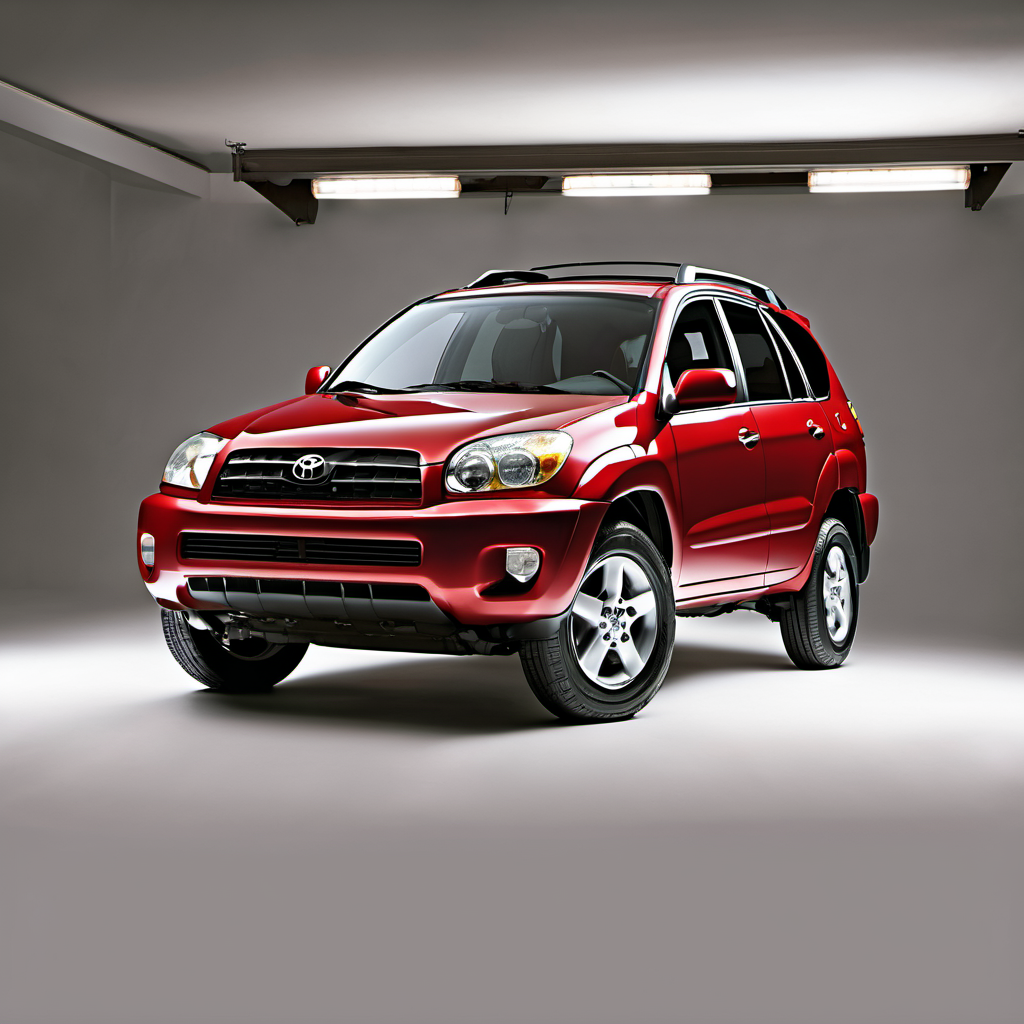
Direct competitor in the compact SUV segment at the same price point. The 2.4L RAV4 is similarly reliable but has a slightly smaller interior. Both are strong long-term buys.
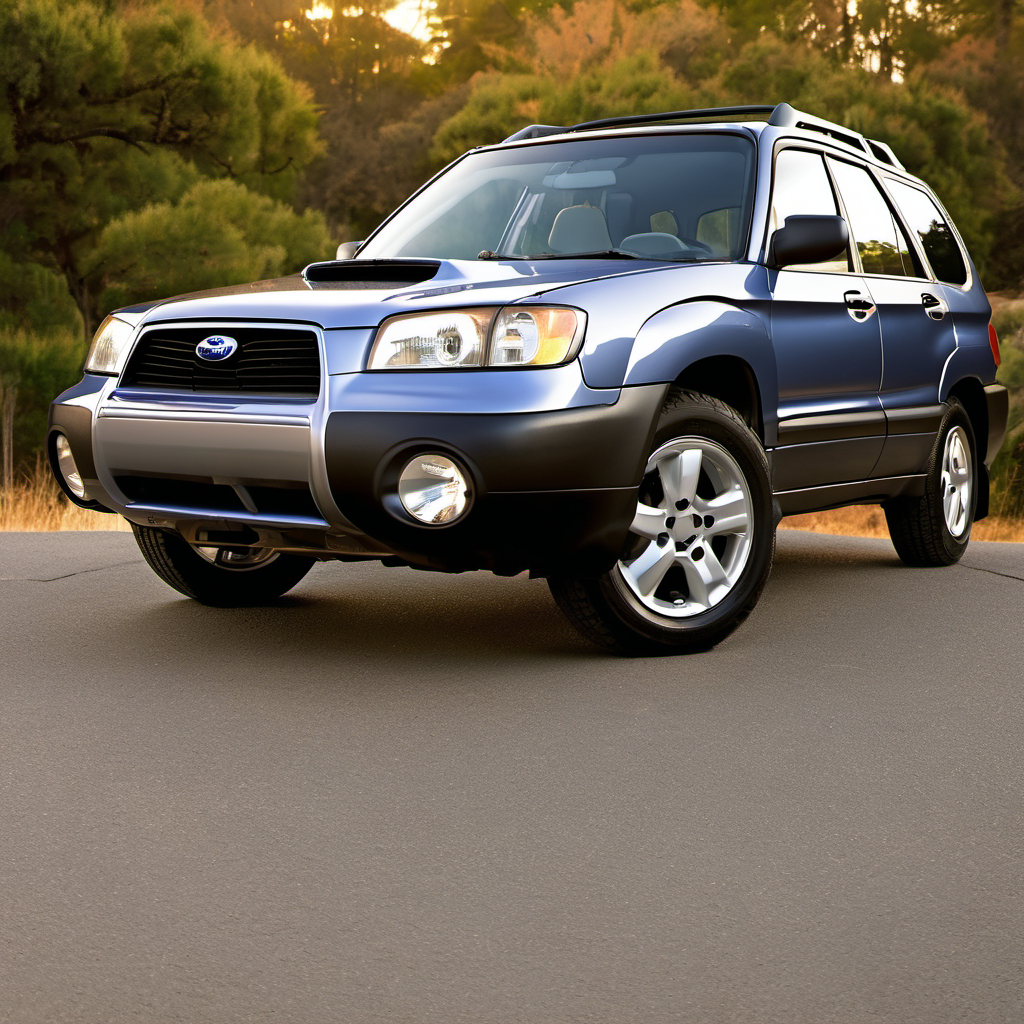
Similar size and mission with the advantage of standard AWD — a meaningful edge in Wisconsin winters. The EJ25 engine is reliable but does require head gasket attention on some examples.
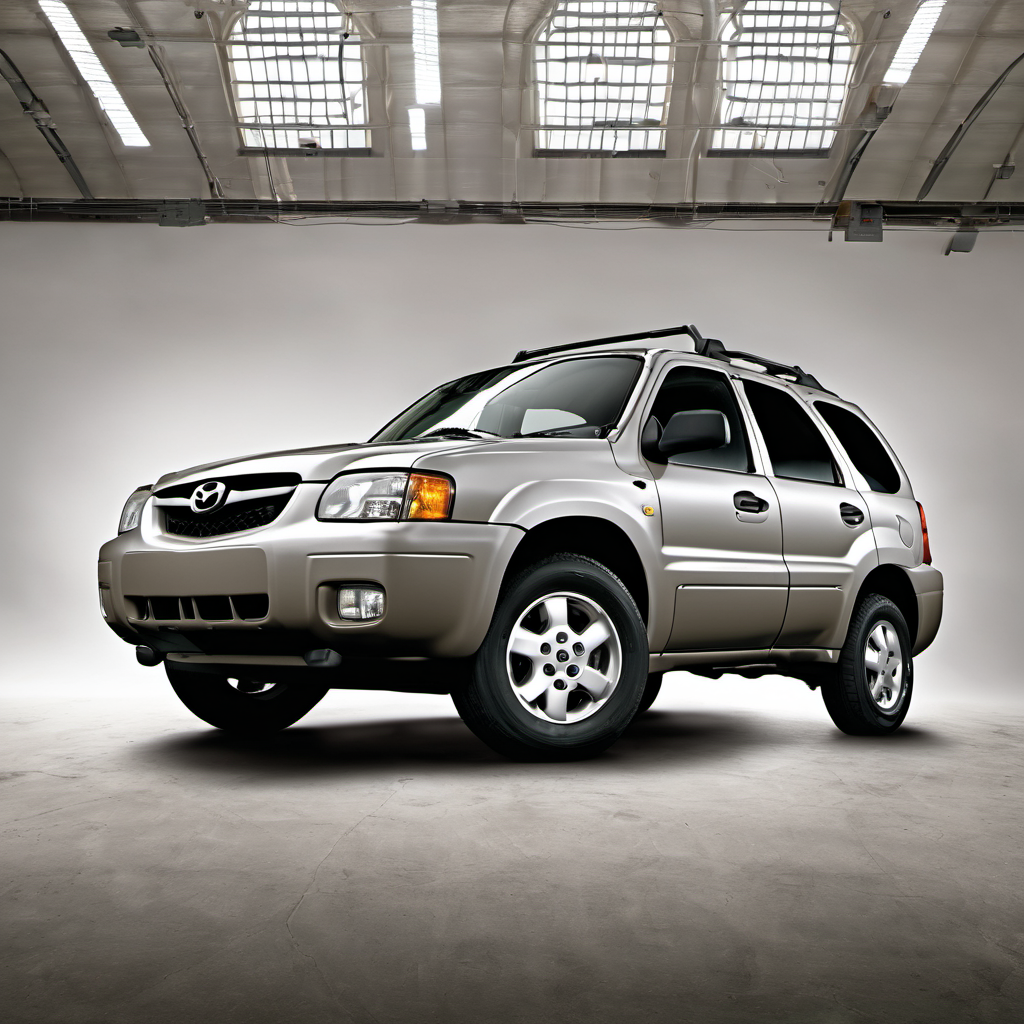
Shares a platform with the Ford Escape. More car-like driving feel, similar cargo space and price, but lower long-term reliability ceiling than the CR-V.
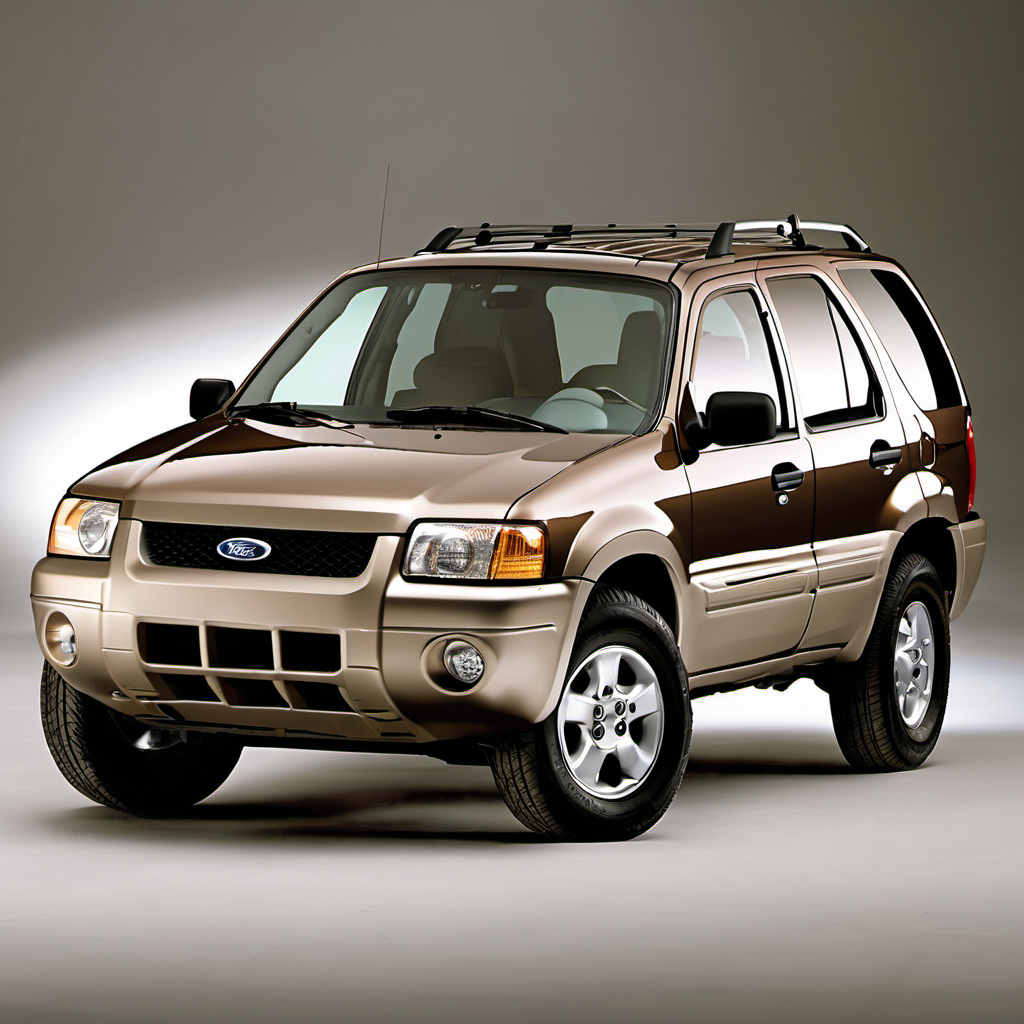
Common, affordable, and widely serviced. The 2.3L four-cylinder is decent but the Escape has a weaker long-term reliability track record versus the CR-V at high mileage.