VVT-i Oil Sludge / Camshaft Timing Faults
high- Typically appears
- 80–200k mi
- Estimated repair
- $800 – $4,500
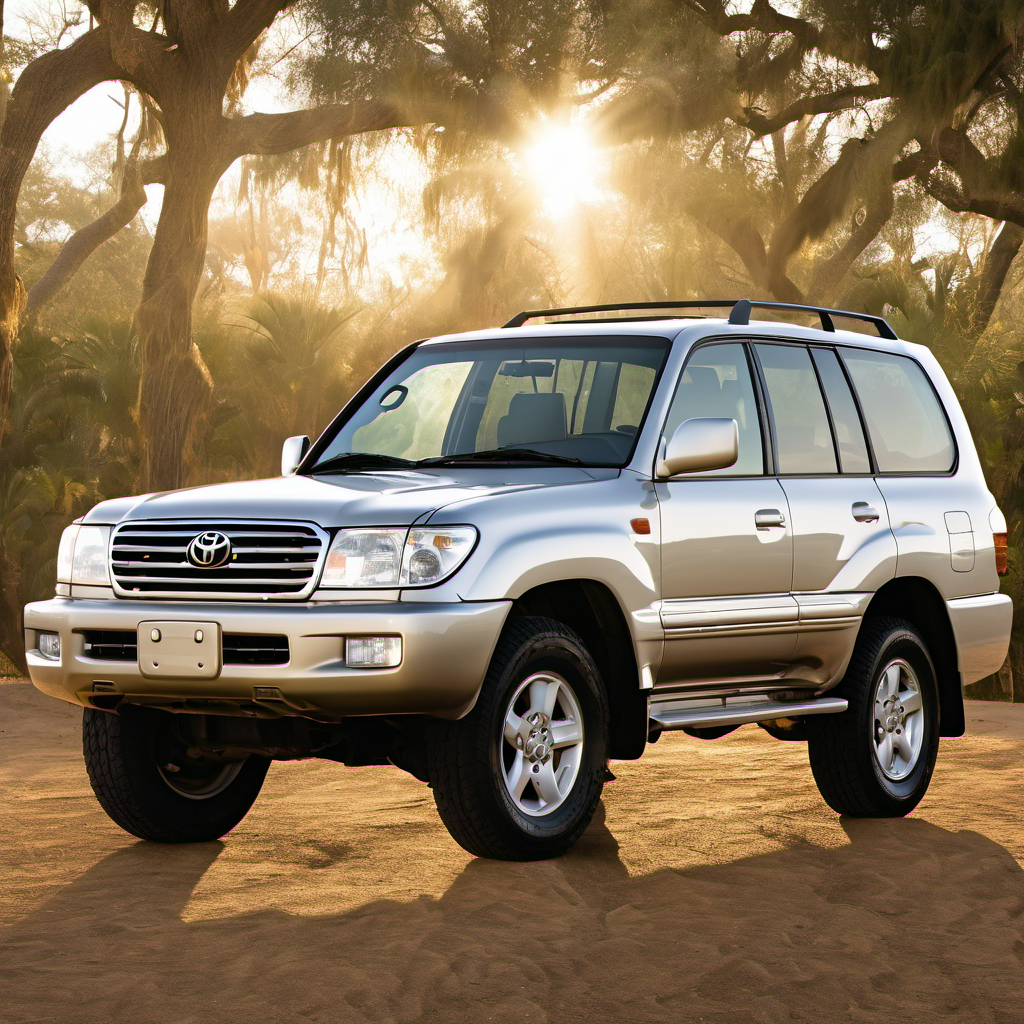
2003 Toyota
SUV
The 2003 Toyota Land Cruiser is the 100 Series generation — a full-size, body-on-frame SUV that Toyota built to outlast almost everything else on the road. It pairs a torque-rich 4.7L V8 with a permanent four-wheel-drive system, locking center differential, and available Active Height Control suspension, making it one of the most capable factory off-roaders ever sold in the U.S. By 2003 the platform was well-sorted and represented the sweet spot of the generation before buyers started paying serious collector premiums. Inside, the Land Cruiser punches closer to luxury territory than most truck-based SUVs of its era — heated leather, a third-row seat, and a premium sound system were standard. That said, buyers pay for the badge and the capability: fuel economy is firmly in the 'don't look at the pump' category, and repair costs reflect the complexity of a premium Toyota. At 20-plus years old, well-maintained examples routinely exceed 250,000 miles. The biggest killers are deferred maintenance (especially oil changes on the VVT-i system) and rust from road salt — directly relevant for Wisconsin owners. Buy a clean, documented one and it will reward you. Buy a neglected one and the repair bills will be memorable.
The 2003 Toyota Land Cruiser is the 100 Series generation — a full-size, body-on-frame SUV that Toyota built to outlast almost everything else on the road. It pairs a torque-rich 4.7L V8 with a permanent four-wheel-drive system, locking center differential, and available Active Height Control suspension, making it one of the most capable factory off-roaders ever sold in the U.S. By 2003 the platform was well-sorted and represented the sweet spot of the generation before buyers started paying serious collector premiums. Inside, the Land Cruiser punches closer to luxury territory than most truck-based SUVs of its era — heated leather, a third-row seat, and a premium sound system were standard. That said, buyers pay for the badge and the capability: fuel economy is firmly in the 'don't look at the pump' category, and repair costs reflect the complexity of a premium Toyota. At 20-plus years old, well-maintained examples routinely exceed 250,000 miles. The biggest killers are deferred maintenance (especially oil changes on the VVT-i system) and rust from road salt — directly relevant for Wisconsin owners. Buy a clean, documented one and it will reward you. Buy a neglected one and the repair bills will be memorable.
The VVT-i system is the Land Cruiser's Achilles heel when oil is neglected. Sludge in the oil galleries causes expensive cam timing failures. Use a quality full-synthetic 5W-30 and never skip this interval.
Factory service interval. Verify history on any used purchase — this is frequently deferred. Do the water pump, tensioner, and idler simultaneously; the labor overlap makes it cost-inefficient to do them separately.
The part-time 4WD and locking center diff take abuse. Fresh fluid protects gear surfaces and is cheap insurance on a drivetrain this expensive to rebuild.
Toyota's 'lifetime' fluid spec doesn't account for high-heat use or a vehicle this age. Regular fluid changes extend transmission life significantly and cost almost nothing compared to a rebuild.
Worn plugs on a V8 affect fuel economy noticeably on an engine that already averages 13 MPG. Replacement is straightforward and keeps combustion efficient.
Brake fluid absorbs moisture over time. In Wisconsin's wide temperature swings, moisture-saturated fluid can cause vapor lock in extreme heat and corrosion in the ABS modulator.
Degraded coolant becomes acidic and attacks the aluminum components in the cooling system. Critical on a V8 that runs warm under load.
Lake Geneva roads get heavy salt treatment. An annual inspection of frame rails, brake lines, fuel lines, and suspension components catches rust before it becomes structural. Treat bare metal with a rust-inhibiting coating each fall.
Always defer to the manufacturer's service manual for warranty-mandated intervals.
The Land Cruiser is not a cheap vehicle to operate, but costs are predictable when maintenance is kept up. Annual routine maintenance (oil changes, filters, fluids) runs $800–$2,000 at an independent shop. Budget an additional $600–$1,200 in any year a timing belt or major fluid service falls due. The AHC suspension is the wildcard — a leak repair can add $800–$3,500 in a single visit. Fuel is the largest ongoing cost. Despite this, total cost of ownership over 10+ years often compares favorably to newer vehicles because major mechanical failures are rare on well-maintained examples.
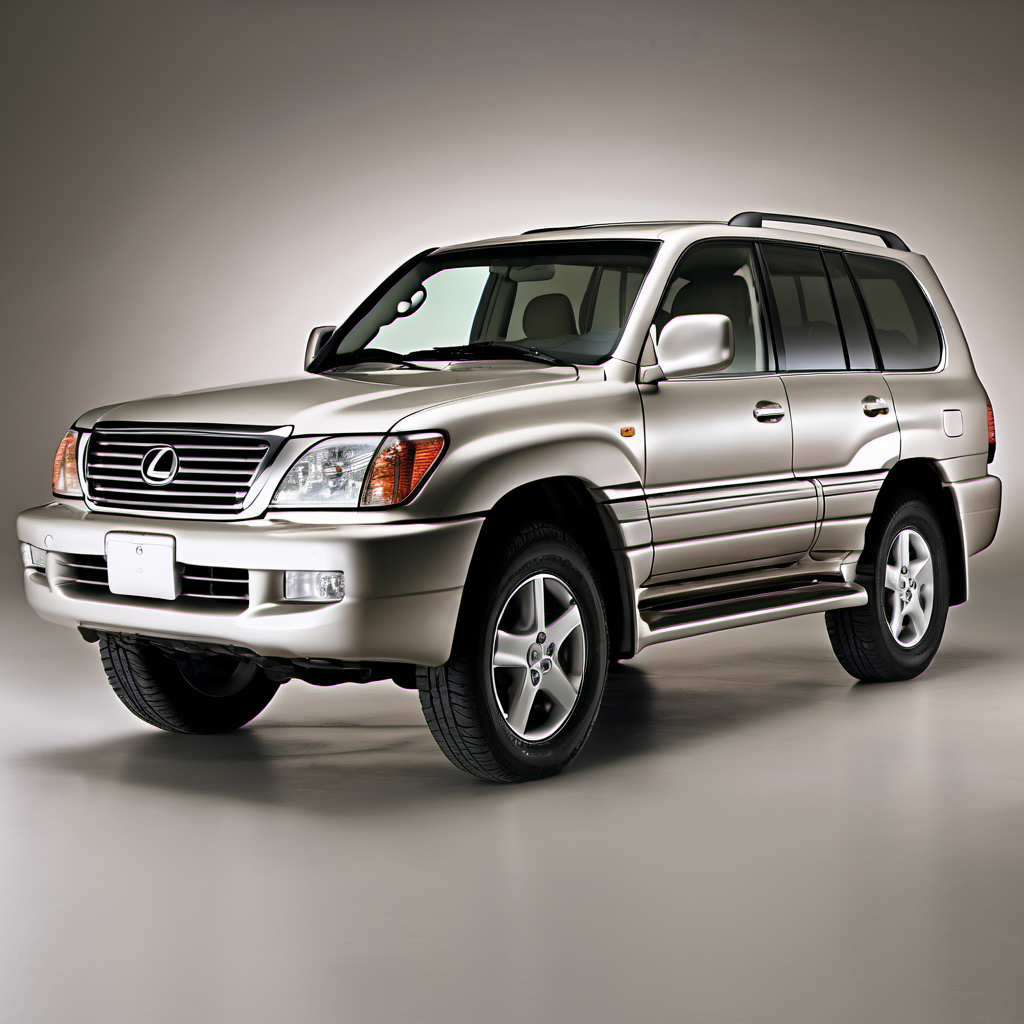
Same platform, same 4.7L V8, same drivetrain — the LX 470 is essentially a luxury-trimmed Land Cruiser. Higher original MSRP means similar used prices; choose between badge preference and parts availability (Land Cruiser wins on parts).
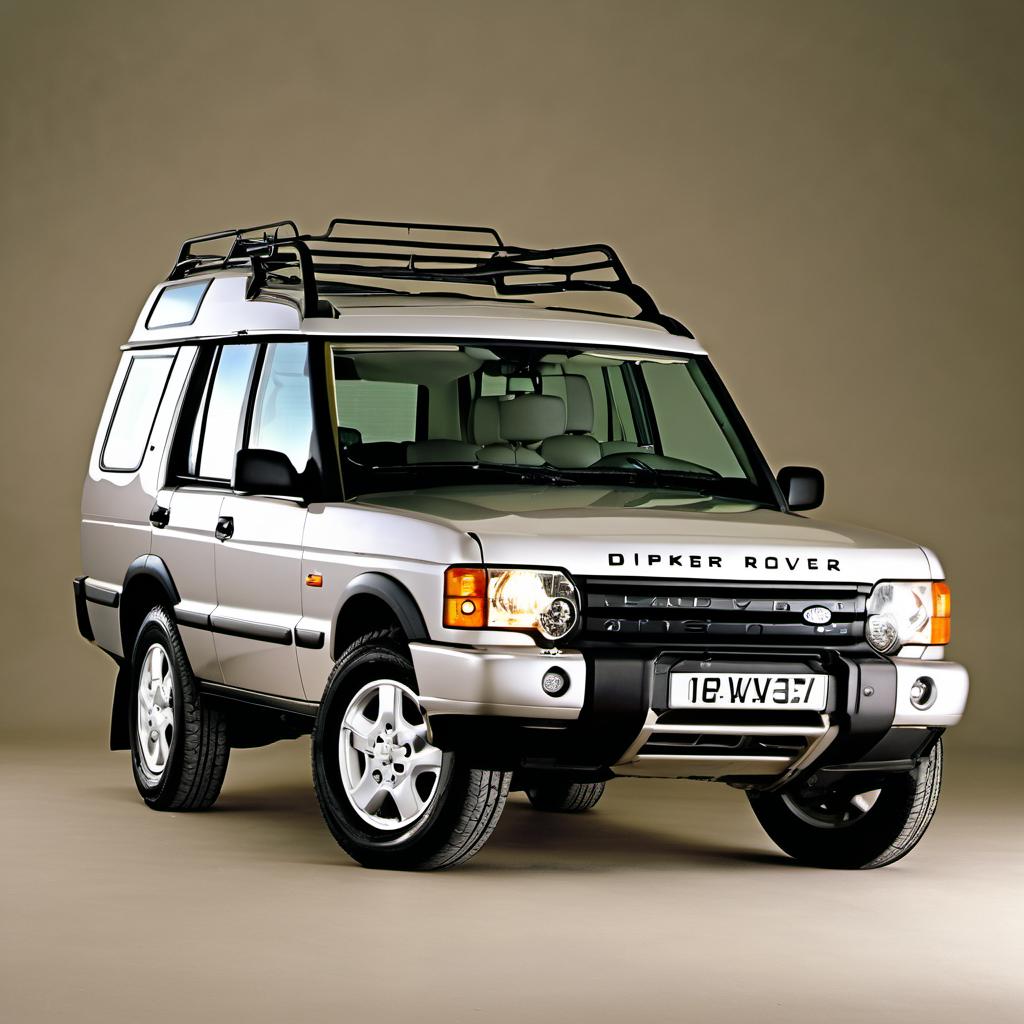
Similar full-size, body-on-frame off-road SUV with comparable capability and V8 power. Significantly lower reliability and higher repair costs than the Land Cruiser — worth the comparison but not the trade-off.
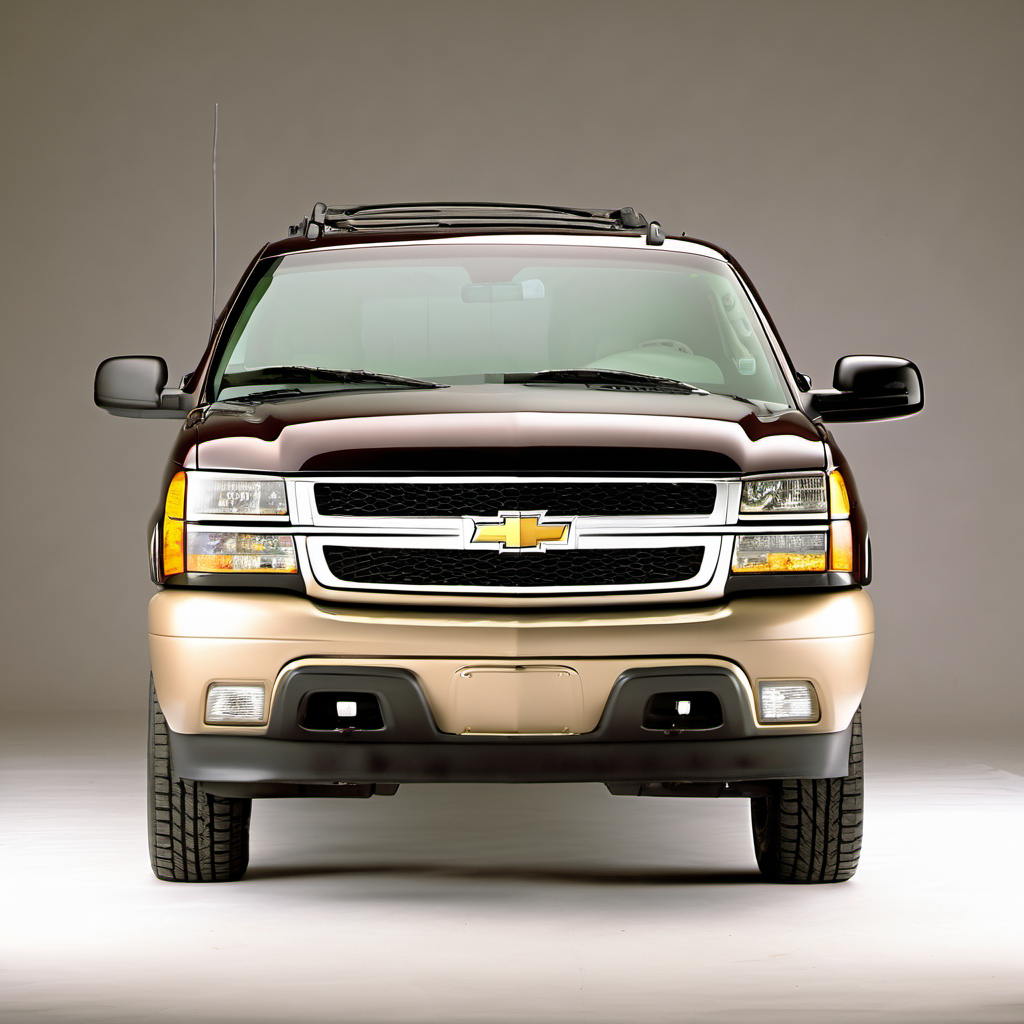
Also a full-size, body-on-frame V8 SUV with 4WD and 8-passenger seating. Much lower purchase price and cheaper to maintain, but lacks the Land Cruiser's off-road refinement and long-term durability reputation.
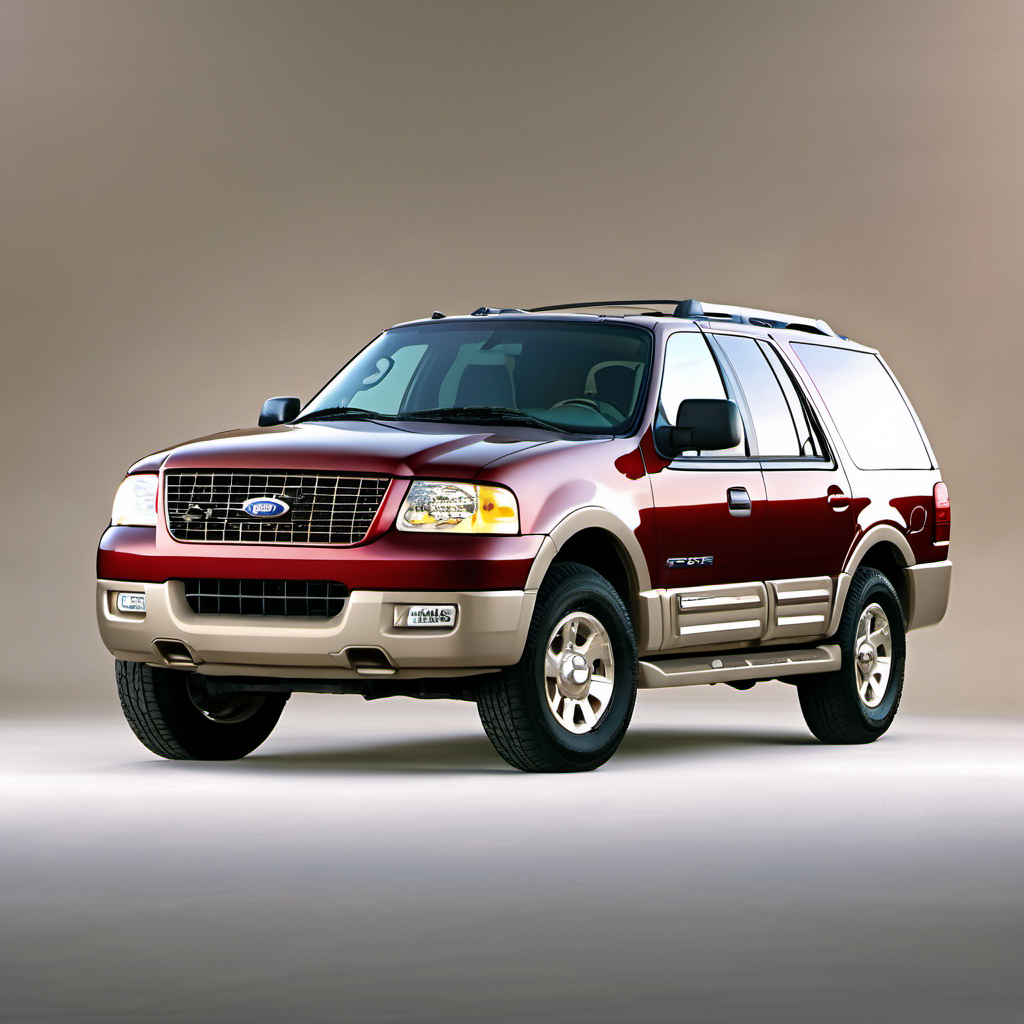
Comparable full-size V8 4WD SUV at a lower price point. More common for parts availability, but reliability falls short of the Land Cruiser at high mileage.