Turbo Bypass / Diverter Valve Failure
high- Typically appears
- 60–120k mi
- Estimated repair
- $150 – $400
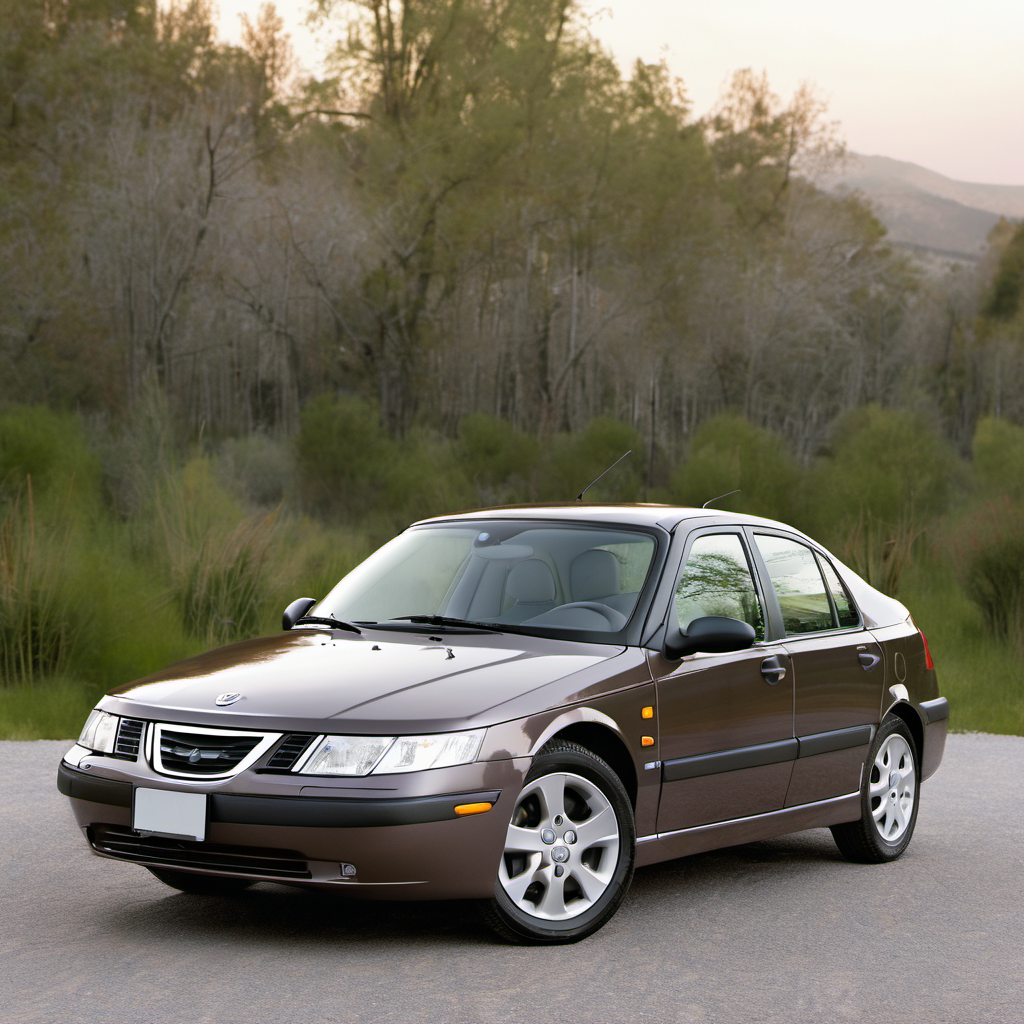
2003 Saab
Convertible
The 2003 Saab 9-3 Convertible is the last year of the first-generation (C900/NG900-derived) 9-3 platform before GM completely redesigned the line. It's a front-wheel-drive, turbocharged four-cylinder drop-top that punches above its weight in style and driving feel. Saab marketed it heavily toward buyers who wanted European character without full European pricing — and the soft-top delivered a genuinely open-air experience with a well-padded, insulated roof that was class-competitive for its day. Under the hood sits the B205R turbocharged 2.0L four-cylinder paired to either a five-speed manual or four-speed automatic. Power is modest by today's standards, but the turbo gives it a peppy mid-range that makes city and highway driving enjoyable. The SaabCom/Trionic engine management system is clever but also a source of frustration when things go wrong — proprietary diagnostics and limited independent-shop coverage were already becoming a problem in 2003, and they're a bigger concern now. Ownership of a 20-plus-year-old Saab convertible is a labor of affection. Parts availability has tightened considerably since GM discontinued the brand in 2011. That said, a well-maintained example with a documented service history is still a rewarding car to own — just go in with eyes open about the specialist knowledge required to keep it right.
The 2003 Saab 9-3 Convertible is the last year of the first-generation (C900/NG900-derived) 9-3 platform before GM completely redesigned the line. It's a front-wheel-drive, turbocharged four-cylinder drop-top that punches above its weight in style and driving feel. Saab marketed it heavily toward buyers who wanted European character without full European pricing — and the soft-top delivered a genuinely open-air experience with a well-padded, insulated roof that was class-competitive for its day. Under the hood sits the B205R turbocharged 2.0L four-cylinder paired to either a five-speed manual or four-speed automatic. Power is modest by today's standards, but the turbo gives it a peppy mid-range that makes city and highway driving enjoyable. The SaabCom/Trionic engine management system is clever but also a source of frustration when things go wrong — proprietary diagnostics and limited independent-shop coverage were already becoming a problem in 2003, and they're a bigger concern now. Ownership of a 20-plus-year-old Saab convertible is a labor of affection. Parts availability has tightened considerably since GM discontinued the brand in 2011. That said, a well-maintained example with a documented service history is still a rewarding car to own — just go in with eyes open about the specialist knowledge required to keep it right.
Turbo bearings depend on clean, fresh oil. Sludge from extended intervals is the #1 killer of these B205 engines. Do not stretch intervals on a turbocharged car.
Worn plugs stress the ignition cassette — a notably expensive Saab-specific part. Staying on schedule protects the cassette.
The coil-on-plug cassette is a common failure point on B205 engines. Catching a developing fault early avoids full cassette replacement.
Belt failure leaves you stranded. The tensioner often weakens before the belt shows visible wear.
Hydraulic leaks worsen quickly and can strand the top mid-cycle. Early detection saves significant labor costs.
Wisconsin winters and UV exposure degrade seals and fabric rapidly. Keeping seals supple prevents water intrusion into the cabin and electrical components.
Degraded coolant accelerates corrosion in the aluminum engine components and the heater core — both expensive repairs on this platform.
Wisconsin sub-zero temps are brutal on older batteries. These cars have enough electronics that a weak battery causes cascading electrical faults before it fails to start.
Always defer to the manufacturer's service manual for warranty-mandated intervals.
Routine maintenance on this car is manageable, but the cost floor rises sharply when age-related repairs hit — soft top hydraulics, turbo components, and electrical issues can each run $500–$2,000+ individually. Parts sourcing is the wildcard: some Saab-specific items now command a premium or require overseas sourcing, adding time and cost. Budget conservatively and maintain a parts-sourcing relationship with a reputable Saab specialist.
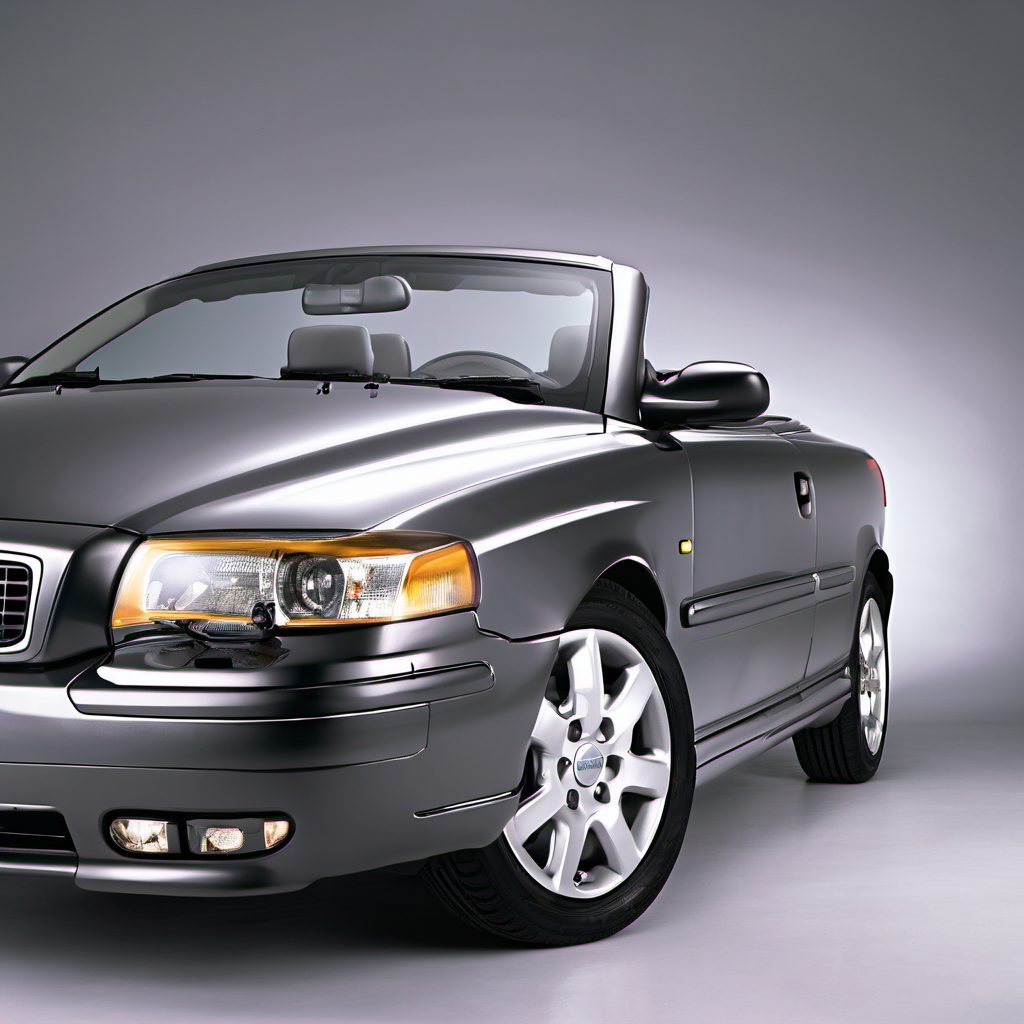
Swedish turbocharged convertible in the same price tier, similar FWD layout and safety focus, comparable parts-sourcing challenges today.
European front-wheel-drive soft-top at a lower price point; simpler mechanically but similar niche buyer.
No catalog matchRWD European convertible in the same approximate price segment; stronger parts availability and enthusiast support network, higher running costs.
No catalog match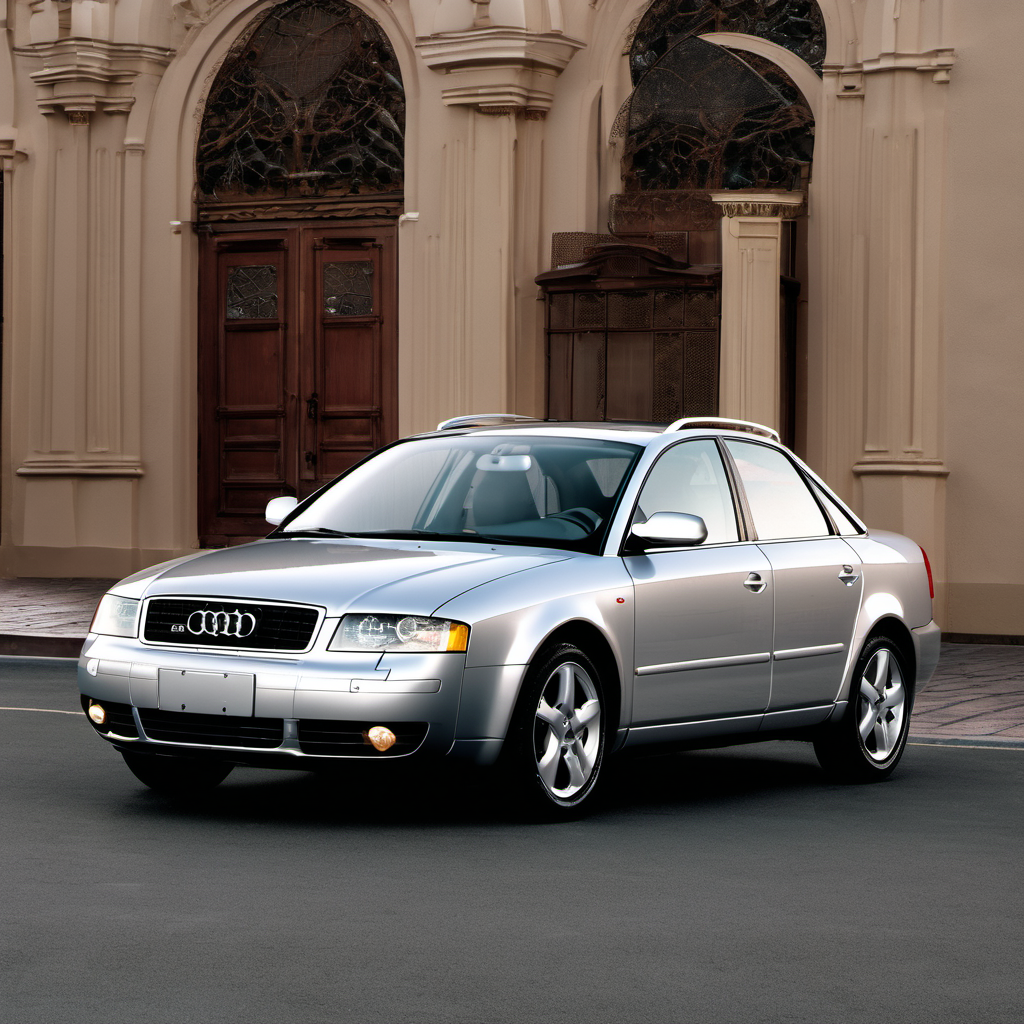
Turbocharged European convertible with AWD option, similar premium positioning, and similar age-related maintenance considerations.