Variable Valve Timing (VVT) Solenoid Failure / Camshaft Timing Faults
high- Typically appears
- 70–130k mi
- Estimated repair
- $400 – $1,200
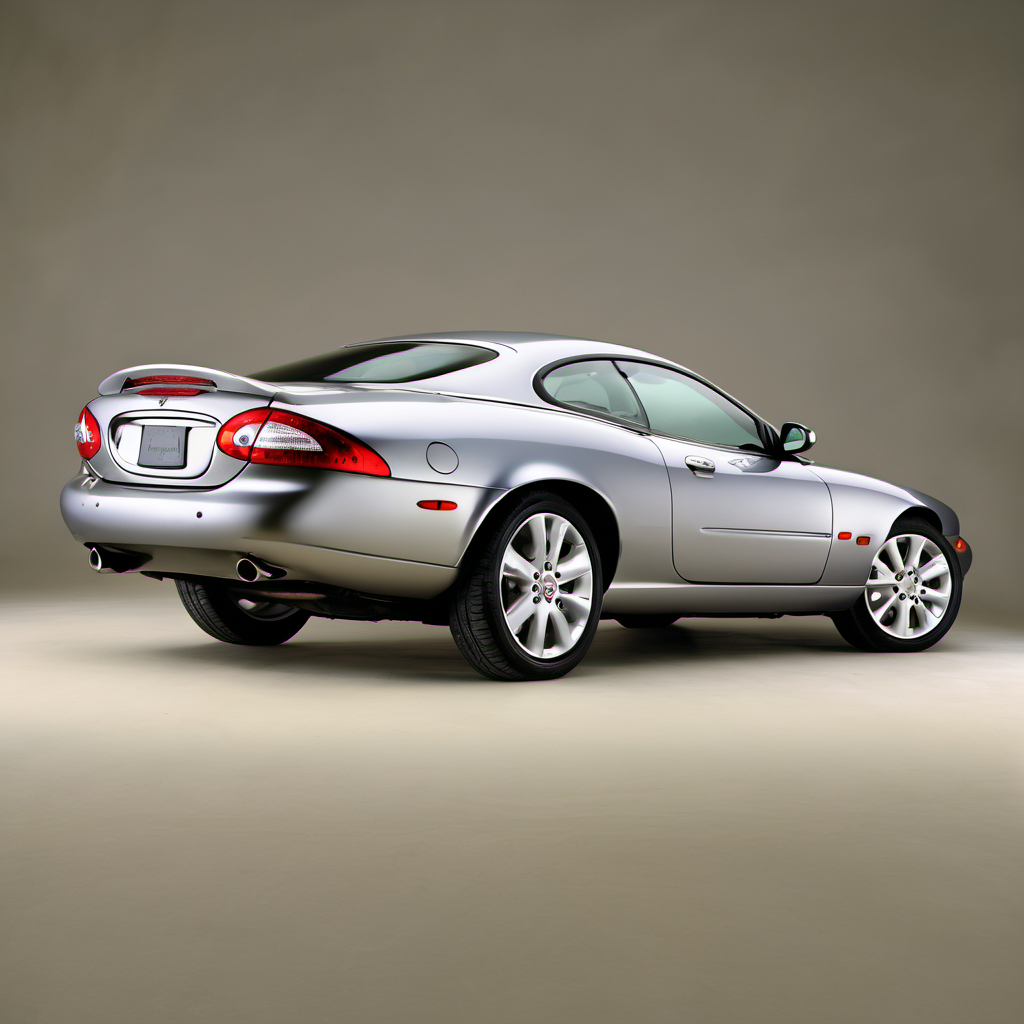
2003 Jaguar
4.2L V8 (AJ34) · Coupe
The 2003 Jaguar XK8 Coupe is a grand touring sports car built on Jaguar's aluminum-intensive platform, powered by a naturally aspirated 4.2-liter V8. It replaced the earlier 4.0L AJ26 engine with the more refined AJ34 unit, bringing smoother power delivery and improved emissions compliance. The XK series at this point was Ford-era Jaguar at its most polished — genuinely beautiful, genuinely quick, and genuinely expensive to own past 80,000 miles. This is a car you buy with your heart and maintain with your wallet. The 2003 model year benefits from the switchover to the 4.2L V8 and a revised ZF automatic transmission, both of which are more reliable than the earlier 4.0L combination. That said, the XK8 is loaded with complex electronic systems, a Nikasil-coated engine block (on earlier variants), and proprietary Jaguar/Ford PAL architecture that requires specialized diagnostic tools. For a Lake Geneva-area owner, this car is best treated as a warm-weather cruiser. The aluminum body resists rust remarkably well, but the suspension, electrical harness connectors, and brake components do not enjoy Wisconsin salt seasons. Winter storage with proper preparation is strongly recommended.
The 2003 Jaguar XK8 Coupe is a grand touring sports car built on Jaguar's aluminum-intensive platform, powered by a naturally aspirated 4.2-liter V8. It replaced the earlier 4.0L AJ26 engine with the more refined AJ34 unit, bringing smoother power delivery and improved emissions compliance. The XK series at this point was Ford-era Jaguar at its most polished — genuinely beautiful, genuinely quick, and genuinely expensive to own past 80,000 miles. This is a car you buy with your heart and maintain with your wallet. The 2003 model year benefits from the switchover to the 4.2L V8 and a revised ZF automatic transmission, both of which are more reliable than the earlier 4.0L combination. That said, the XK8 is loaded with complex electronic systems, a Nikasil-coated engine block (on earlier variants), and proprietary Jaguar/Ford PAL architecture that requires specialized diagnostic tools. For a Lake Geneva-area owner, this car is best treated as a warm-weather cruiser. The aluminum body resists rust remarkably well, but the suspension, electrical harness connectors, and brake components do not enjoy Wisconsin salt seasons. Winter storage with proper preparation is strongly recommended.
The AJ34 VVT system is oil-pressure dependent. Dirty or low oil accelerates timing chain wear and clogs VVT solenoids, leading to P0012/P0015/P0022/P0025 codes.
Plastic coolant fittings on the AJ34 become brittle with age. A small seep becomes a roadside overheat quickly. Catch it on the lift, not on the highway.
Degraded coolant accelerates corrosion inside the aluminum block and heads. Do not mix coolant types.
Jaguar listed the ZF fluid as 'lifetime' but real-world experience shows fluid breakdown past 60k causes shift quality decline and solenoid wear.
Aged connector terminals corrode and cause cascading U-codes and body module faults. Cleaning with electrical contact cleaner resolves many expensive-seeming problems.
Worn plugs stress the ignition coils, which are expensive on this platform. Staying on schedule protects both.
Hygroscopic fluid in a high-performance brake system degrades ABS/stability module performance and accelerates caliper corrosion — especially relevant in a high-salt Wisconsin environment.
A weak battery confuses Jaguar's module network and generates false U-codes. The XK's many modules also draw standby current — extended storage without a tender will kill the battery.
Always defer to the manufacturer's service manual for warranty-mandated intervals.
The 2003 XK8 Coupe is inexpensive to buy and moderately expensive to own correctly. Budget years are around $1,800 in maintenance; the moment a VVT system, cooling system, or suspension component needs attention, you're looking at $3,000–$6,000 repair events. A pre-purchase inspection by a Jaguar-experienced independent shop is non-negotiable. Set aside a $3,000–$5,000 repair reserve before buying — not if something breaks, but when.
Same grand touring coupe mission, similar V8 power and price point used. The CLK500 has stronger parts availability and a wider independent service network, but shares the high-cost-of-ownership DNA.
No catalog match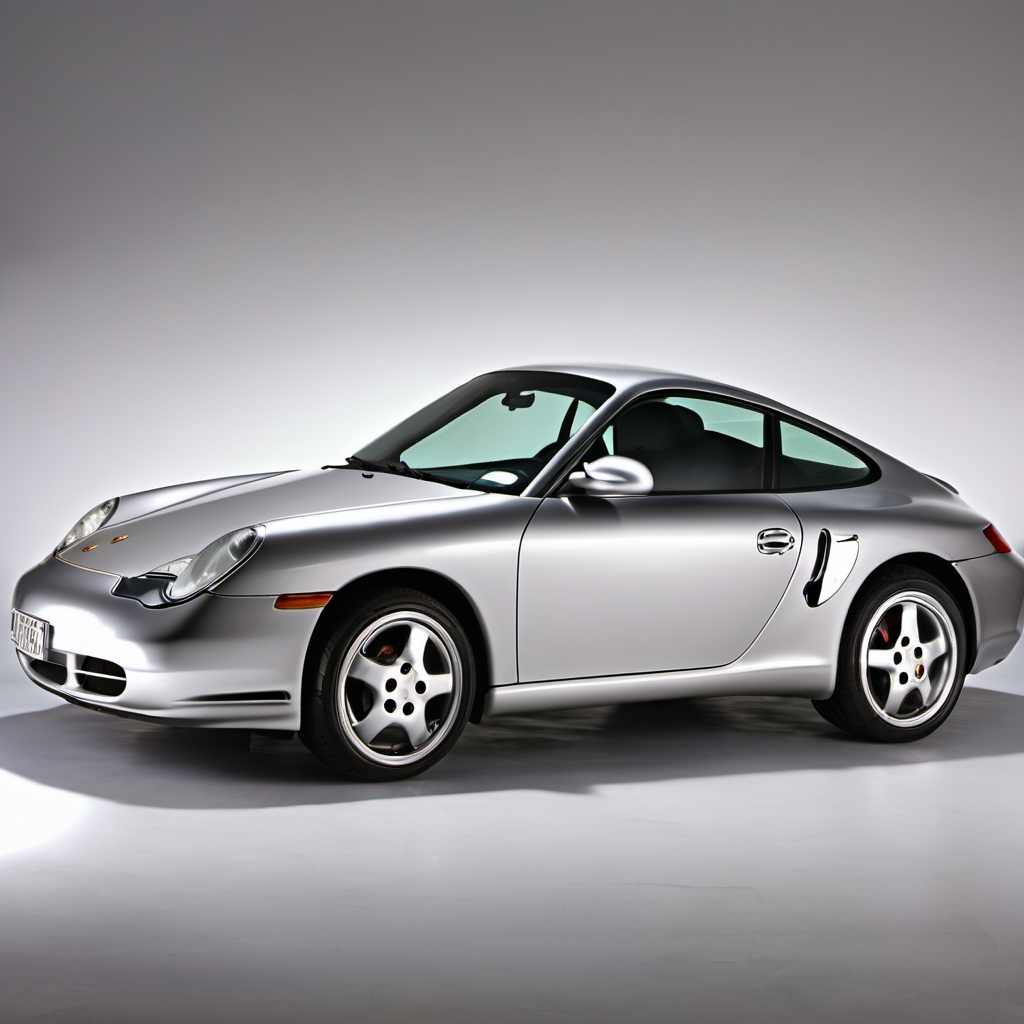
Higher driver engagement, better long-term reliability reputation, and stronger resale, but more expensive to buy at equivalent condition. Worth the premium if driving dynamics matter as much as style.
The E63 645Ci is a direct competitor — V8, 2+2 coupe, sport-luxury mission — with a broader independent service network in the upper Midwest. Earlier E63s have their own issues (Valvetronic, SMG) but parts are more accessible.
No catalog matchShares the hand-built British grand tourer ethos and similar aesthetic. Far more expensive to maintain and with a smaller service footprint — only consider if the XK feels too mainstream.
No catalog match