2003 Jaguar XJ Sedan

2003 Jaguar

XJSedan

Sedan

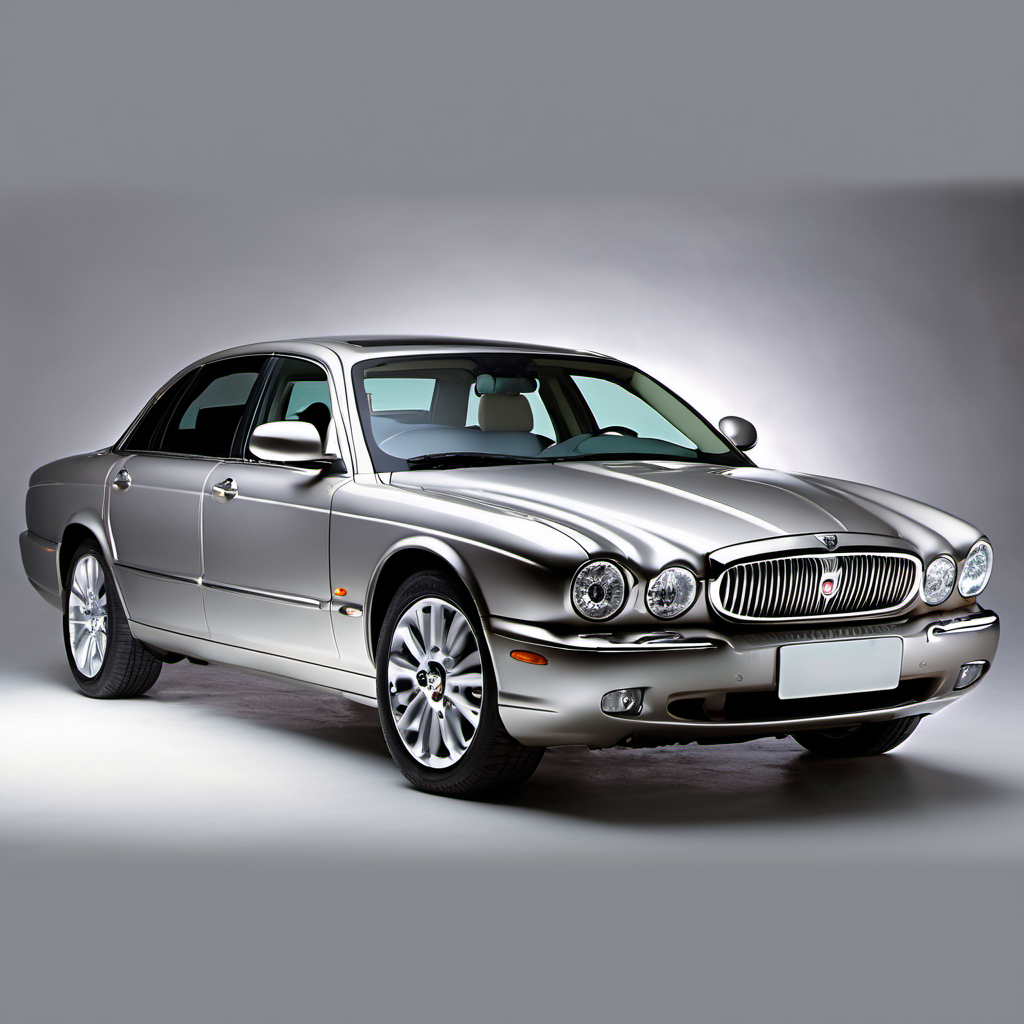
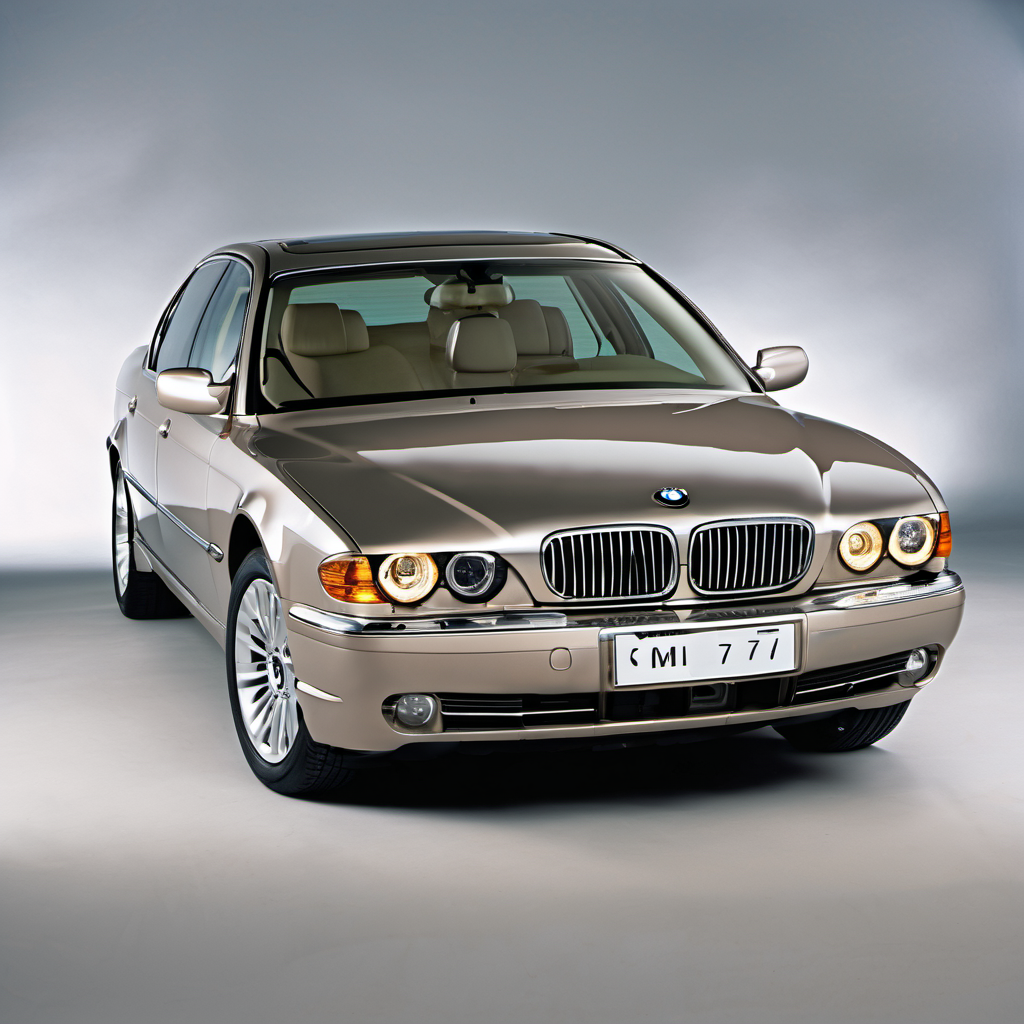
The 2003 Jaguar XJ (X350 generation) is a full-size British luxury sedan powered by a 4.0L V8. This was actually a transitional year — Jaguar quietly shifted to an all-aluminum monocoque body for the X350, making it one of the lightest large luxury sedans of its era despite its substantial presence. Underneath the traditional styling is genuinely sophisticated engineering borrowed from Ford's ownership era. On the road, the XJ delivers a silky, wafting ride quality paired with a sporting edge that set it apart from German rivals. The AJ-V8 engine is a refined, torque-rich unit that pulls strongly through the ZF automatic gearbox. Ride comfort and cabin quietness are genuine strengths. The catch is cost of ownership. This is a 20-year-old British luxury car — parts are pricier than a domestic sedan, specialist knowledge matters, and deferred maintenance compounds quickly. Budget accordingly, and you'll be rewarded with a genuinely distinctive ownership experience.

Reliability
2/5
Verified data
Specs shown for XJ Sport — the most common configuration. Other trims may vary in engine, drivetrain, or fuel economy. Sign in to see your vehicle's exact specs.
Engine
[object Object]
Drivetrain
RWD
Fuel
Premium gasoline
MPG
15 city / 22 hwy / 18 combined
Seats
Doors
Body
Compact Cars

Overview

AI-curated

The 2003 Jaguar XJ (X350 generation) is a full-size British luxury sedan powered by a 4.0L V8. This was actually a transitional year — Jaguar quietly shifted to an all-aluminum monocoque body for the X350, making it one of the lightest large luxury sedans of its era despite its substantial presence. Underneath the traditional styling is genuinely sophisticated engineering borrowed from Ford's ownership era. On the road, the XJ delivers a silky, wafting ride quality paired with a sporting edge that set it apart from German rivals. The AJ-V8 engine is a refined, torque-rich unit that pulls strongly through the ZF automatic gearbox. Ride comfort and cabin quietness are genuine strengths. The catch is cost of ownership. This is a 20-year-old British luxury car — parts are pricier than a domestic sedan, specialist knowledge matters, and deferred maintenance compounds quickly. Budget accordingly, and you'll be rewarded with a genuinely distinctive ownership experience.

Known for
  • Silky smooth AJ-V8 powerplant with strong low-end torque
  • Exceptionally light all-aluminum body for its class
  • Plush, genuinely quiet long-distance ride quality
  • Distinctive traditional Jaguar styling that ages well
  • Complex electrical architecture that demands attention
Best for
  • Highway commuters and long-distance cruisers
  • Enthusiasts who want European luxury with British character
  • Buyers who can budget $1,500–$2,500/year for upkeep
  • Owners with access to an independent Jaguar/Land Rover specialist
Watch for
  • Aging electrical and air suspension systems on high-mileage examples
  • Coolant system failures (thermostat housing, coolant crossover pipes)
  • High cost of routine consumables (filters, plugs, fluids) vs. domestic cars
  • Limited knowledgeable independent shop coverage in rural areas

Common issues by mileage

6 known

Cooling System Failures (Thermostat Housing / Crossover Pipes)

high
Typically appears
60–120k mi
Estimated repair
$400 – $900

Air Suspension Compressor or Ride Height Sensor Failure

high
Typically appears
70–150k mi
Estimated repair
$600 – $1,800

Oxygen Sensor / Heater Circuit Faults

medium
Typically appears
80–130k mi
Estimated repair
$150 – $400

Battery Drain / Body Control Module Issues

high
Typically appears
Any mileage on older cars
Estimated repair
$150 – $800

Maintenance schedule

  1. 1
    Every 5,000 miles or 6 months — do NOT stretch to the oil life monitor on a 20-year-old engine Engine oil change with correct viscosity (5W-30 or per owner's manual)

    The AJ-V8's VVT system is oil-pressure dependent. Sludge from extended intervals directly causes VVT solenoid blockage and timing codes.

  2. 2
    Every 3 years / 45,000 miles Coolant system inspection and flush

    Plastic thermostat housings and coolant crossover pipes degrade with age. Fresh coolant inhibits internal corrosion that accelerates those failures.

  3. 3
    Every 60,000 miles Transmission fluid service (ZF 6HP26)

    Jaguar listed this as a 'sealed for life' unit, but real-world ownership strongly supports fluid changes at 60k to prevent solenoid wear and shift quality degradation.

  4. 4
    Every 60,000 miles Spark plug replacement (iridium OEM spec)

    Worn plugs on the V8 cause misfires that stress the catalytic converters — an expensive downstream failure.

  5. 5
    Annually or at every oil change Air suspension compressor and air line inspection

    Wisconsin winters accelerate air line cracking and compressor wear. Catching a slow leak early is a $50–$150 repair; catching it after the compressor burns out is $600+.

  6. 6
    Every fall, before winter Battery load test and terminal cleaning

    The XJ's numerous always-on modules create a significant parasitic draw. A weak battery causes cascading electrical faults and module resets — addressing this proactively saves significant diagnostic labor.

  7. 7
    Every 2 years Brake fluid flush

    Hygroscopic brake fluid in an older ABS/traction control system lowers the boiling point and risks internal corrosion in ABS modulators.

  8. 8
    Every spring after Wisconsin winter Underbody inspection for corrosion (subframe, brake lines, fuel lines)

    The aluminum body resists rust, but steel subframe components, brake lines, and fuel lines are vulnerable to road salt. Early detection prevents catastrophic failures.

Always defer to the manufacturer's service manual for warranty-mandated intervals.

Cost of ownership

Annual maintenance
$1,200 – $2,800
Fuel
Expect roughly $2,400–$3,200/year at 12,000 miles/year assuming current Wisconsin mid-grade pump prices. Premium fuel is required.
Insurance
Typically $1,100–$1,600/year for a 2003 XJ in Wisconsin for a driver with a clean record — classified as a luxury/specialty vehicle, not a sports car.

The 2003 XJ is cheap to buy and expensive to keep. Purchase prices run $4,000–$10,000 but budget a separate $1,500–$2,500 upfront for a pre-purchase inspection and deferred maintenance catch-up. Annual costs of $3,500–$6,000 all-in (fuel, maintenance, insurance) are realistic. The car rewards diligent owners who address small issues before they cascade.
Seasonal care

Lake Geneva, WI
Winter
  • Load-test the battery every October — the XJ's electrical load is high and sub-zero starts will kill a marginal battery fast. Replace proactively if it's over 4 years old.
  • Switch to a full-synthetic oil if not already using one; cold-start oil pressure matters to the VVT system and a thicker conventional oil slugs at -10°F.
  • Inspect and top off air suspension lines before freeze-up; moisture in lines can freeze and crack them.
  • Use a high-quality winter washer fluid rated to -30°F — the long hood means the windshield washer lines run a long distance and are prone to freezing.
  • Check brake line and fuel line condition in fall; road salt damage accelerates rapidly in the wheel wells on this car.
  • Keep the fuel tank at least half full to reduce condensation in the tank and prevent fuel line freeze in extreme cold.
Summer
  • Monitor coolant temperature gauge closely — the plastic cooling system components are most likely to fail under sustained heat load.
  • Check tire pressures monthly; Wisconsin summer heat can push pressures 4–6 PSI above the cold-fill spec on dark pavement.
  • Inspect the A/C system before summer — the condenser and associated seals are aging; recharging a low system buys time but a leak trace and repair is the correct fix.
  • Park in shade when possible; the dark interior trim and large glass area cause significant heat soak that taxes the A/C system and ages interior plastics.

Comparable vehicles

If you're shopping for one

Red flags
  • No service records or evidence of oil changes longer than 7,500 miles apart — walk away.
  • Any corner of the car sitting noticeably lower than the others (air suspension failure).
  • Multiple unresolved U-codes (CAN bus / module communication faults) — these are time-consuming to diagnose and may indicate a deeper wiring or module problem.
  • Coolant that looks brown or oily, or any visible residue on the engine suggesting a past overheating event.
  • A seller who is eager to move the car quickly and unwilling to allow a pre-purchase inspection by an independent shop.
What to inspect
  • Cooling system: look for white residue around the thermostat housing and any crossover pipe connections — these are the first places plastic coolant components weep.
  • Air suspension: with the car warmed up and parked, check all four corners for equal ride height. Let it sit overnight and check again — a corner that drops indicates a leaking air spring or line.
  • Electrical: scan ALL modules before purchase, not just powertrain. Body and network codes (B and U series) point to chronic module faults that are expensive to diagnose.
  • Oil condition and interval: pull the dipstick and look for dark, sludgy oil. Ask for service records. Neglected oil intervals on an AJ-V8 cause VVT system damage that is not cheap to fix.
  • Transmission: test all shift modes including Sport. Hesitation, shuddering, or hunting between gears on the ZF box suggests overdue fluid or worn solenoids.
  • Underbody: get the car on a lift and inspect steel brake lines, fuel lines, and subframe mounting points for rust perforation — the aluminum body hides a lot of steel underneath.
AI profile generated 4 days ago · claude-sonnet-4-6 · v2.