VVT / Camshaft Timing System Faults
high- Typically appears
- 60–120k mi
- Estimated repair
- $400 – $1,200
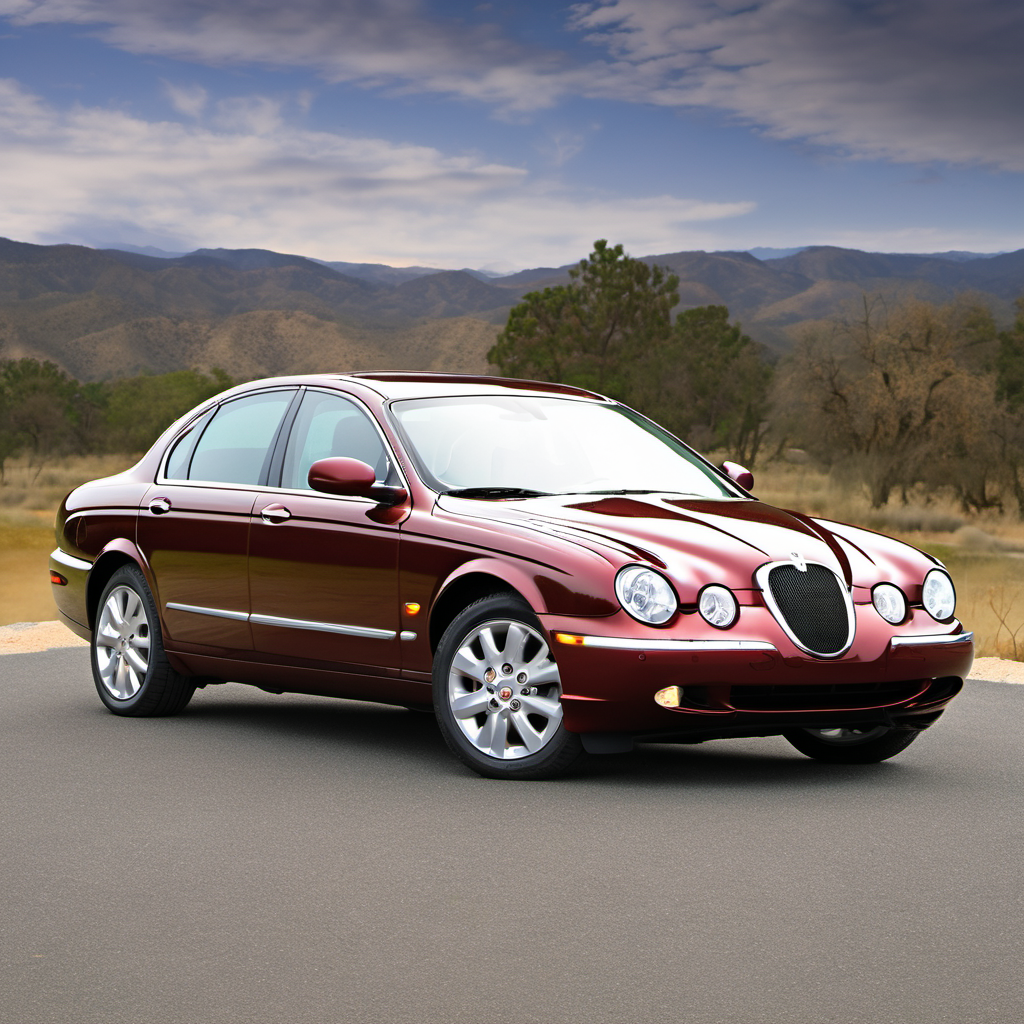
2003 Jaguar
Sedan
The 2003 Jaguar S-Type is a rear-wheel-drive mid-size luxury sedan that shared its platform with the Ford Lincoln LS and Ford Thunderbird during the Ford ownership era. It blended classic Jaguar styling cues — the rounded body, oval grille, and wood-and-leather interior — with a modern chassis and a choice of V6 or V8 engines. The 3.0L V6 variant is the more common find on the used market and offers a good balance of performance and running costs relative to the V8. The S-Type was positioned to compete with the BMW 5 Series and Mercedes E-Class, but at a noticeably lower transaction price even when new. That price gap has widened dramatically on the used market — you can buy one cheaply, but the ownership cost story is more complicated. Parts are not always cheap, and some repairs require specialist knowledge of Jaguar's systems. For Lake Geneva-area buyers, the RWD layout demands proper winter tires. The S-Type's age also means rubber seals, cooling hoses, and electrical connectors are past their expected service life, so a thorough pre-purchase inspection is essential before buying any example.
The 2003 Jaguar S-Type is a rear-wheel-drive mid-size luxury sedan that shared its platform with the Ford Lincoln LS and Ford Thunderbird during the Ford ownership era. It blended classic Jaguar styling cues — the rounded body, oval grille, and wood-and-leather interior — with a modern chassis and a choice of V6 or V8 engines. The 3.0L V6 variant is the more common find on the used market and offers a good balance of performance and running costs relative to the V8. The S-Type was positioned to compete with the BMW 5 Series and Mercedes E-Class, but at a noticeably lower transaction price even when new. That price gap has widened dramatically on the used market — you can buy one cheaply, but the ownership cost story is more complicated. Parts are not always cheap, and some repairs require specialist knowledge of Jaguar's systems. For Lake Geneva-area buyers, the RWD layout demands proper winter tires. The S-Type's age also means rubber seals, cooling hoses, and electrical connectors are past their expected service life, so a thorough pre-purchase inspection is essential before buying any example.
The VVT system is the most expensive thing on this engine to repair. Clean oil at regular intervals is the single best way to prevent VVT solenoid sludging and timing chain wear. Do not stretch intervals on this car.
Cooling system failures are common on this generation. Flushing removes corrosion inhibitor breakdown products; inspecting the thermostat and hoses at each flush catches failures before they strand you.
Jaguar listed this fluid as 'lifetime' but real-world experience shows the ZF unit benefits from fresh fluid. Burnt fluid leads to shift flares and solenoid wear. Use ZF-approved fluid only.
Corrosion on battery terminals and ground straps is a direct cause of the U-series CAN bus communication faults. A clean ground is cheap insurance against expensive electrical diagnosis.
Road salt accelerates corrosion on brake hardware and ABS sensor wiring. Early spotting of cracked hoses or frayed sensor leads prevents brake failure and ABS fault codes.
Air spring bladders and compressor wear accelerate with age and temperature swings. Catching a slow leak early prevents compressor burnout, which doubles the repair cost.
The V6 uses individual coil-on-plug ignition. Worn plugs increase misfire risk and can mask VVT-related running concerns, complicating diagnosis.
Wisconsin winters demand blades that clear ice and a washer fluid rated to at least -25°F. Standard summer fluid freezes in the lines and can crack the washer pump.
Always defer to the manufacturer's service manual for warranty-mandated intervals.
The S-Type is inexpensive to buy but not inexpensive to own. Routine maintenance on this car costs more than a comparable domestic or Japanese sedan because parts are Jaguar-priced and labor requires specialist knowledge. Budget $1,200–$2,000/year for a well-maintained example; a car with deferred maintenance or active electrical issues can easily run $3,000–$5,000 in a single year. Set aside a repair reserve before purchase.
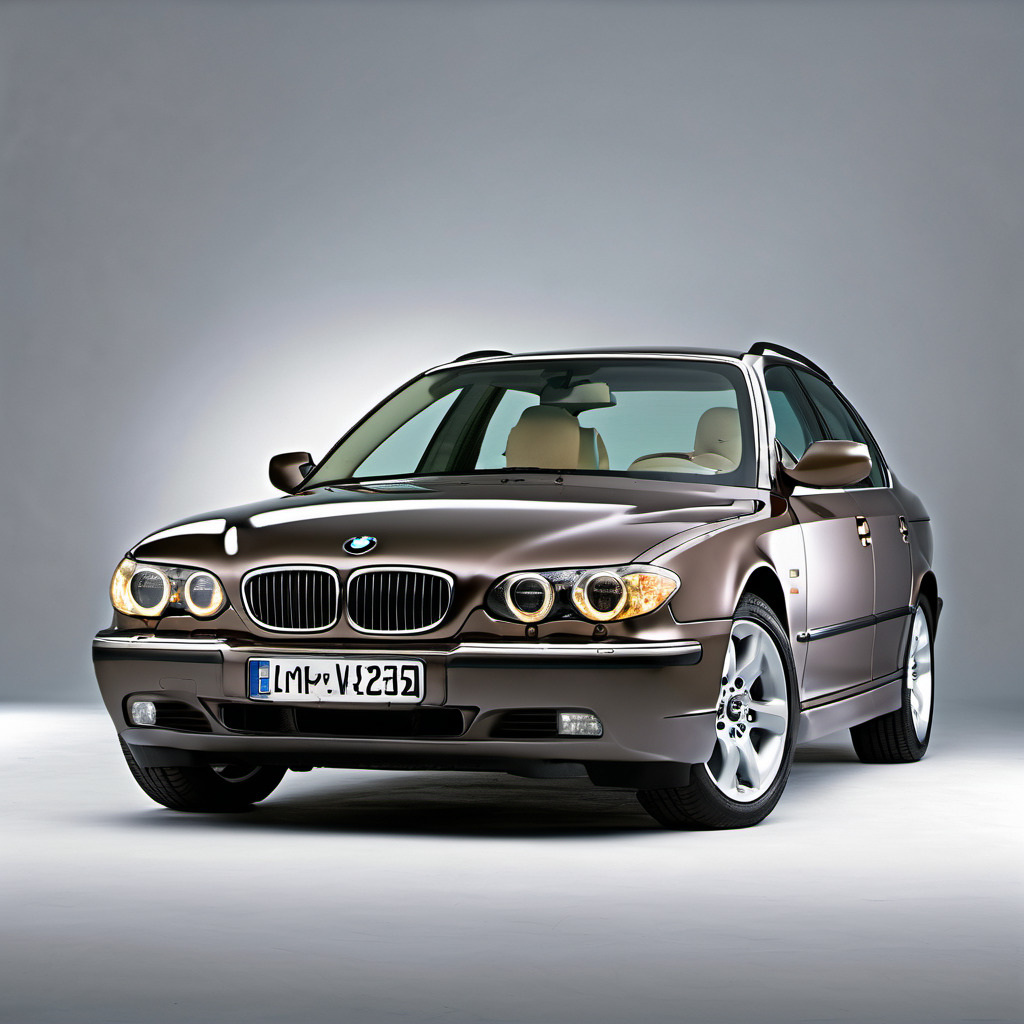
Direct competitor in the mid-size rear-wheel-drive luxury sedan segment. More driving-focused, broader independent shop support in the Midwest, but similarly expensive to maintain at this age.
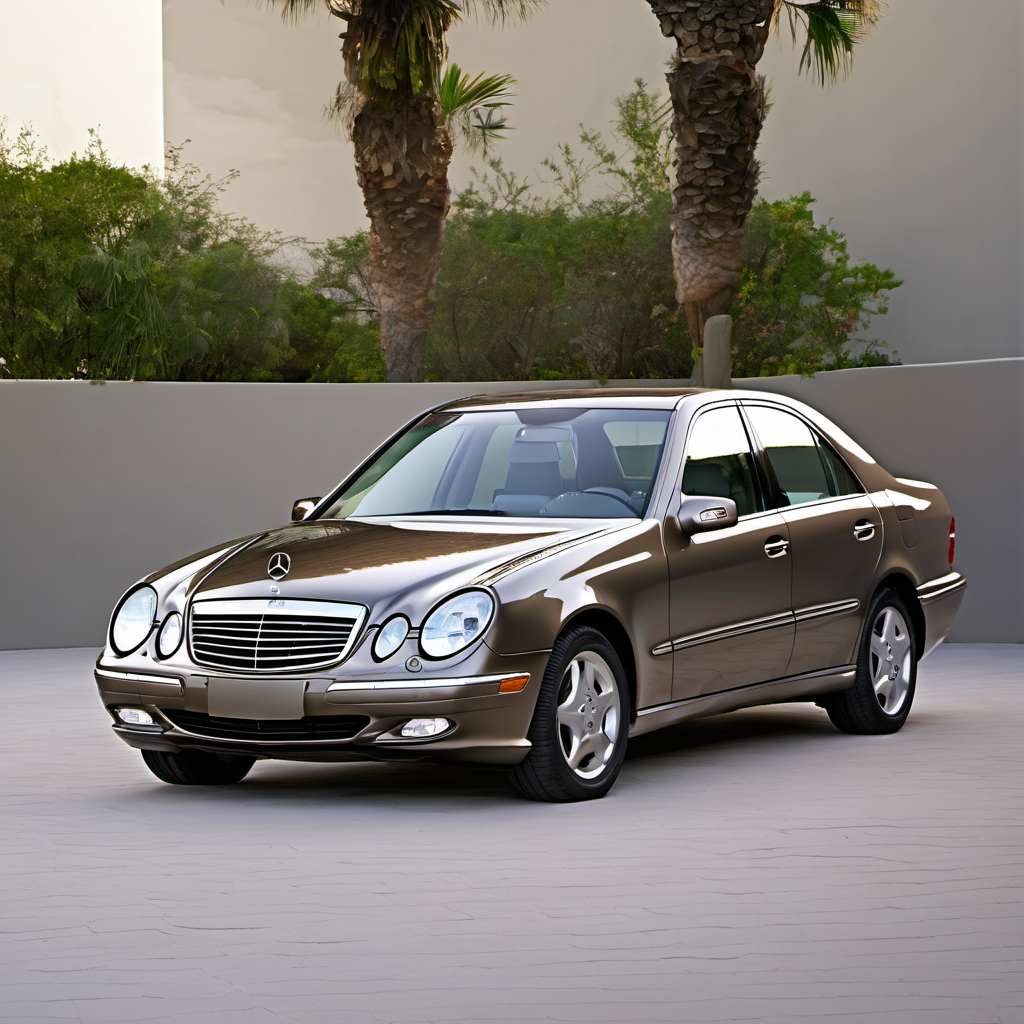
Same price bracket and mission. Well-appointed and comfortable, though early W211 examples have their own electrical and air suspension issues. Parts availability is generally better than Jaguar.
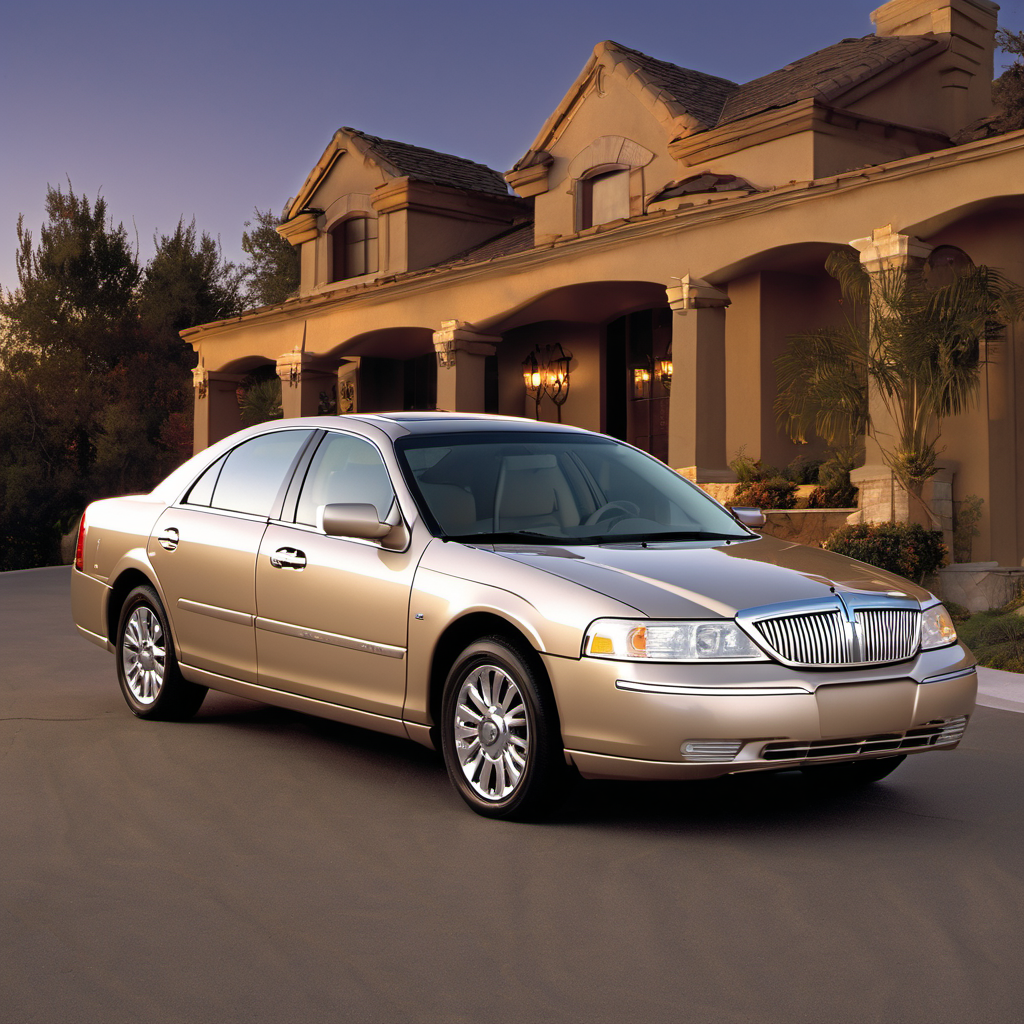
Shares the DEW98 platform with the S-Type. Lower purchase price, easier domestic-shop support, and similar performance — though it carries its own V6 cooling and electrical challenges.
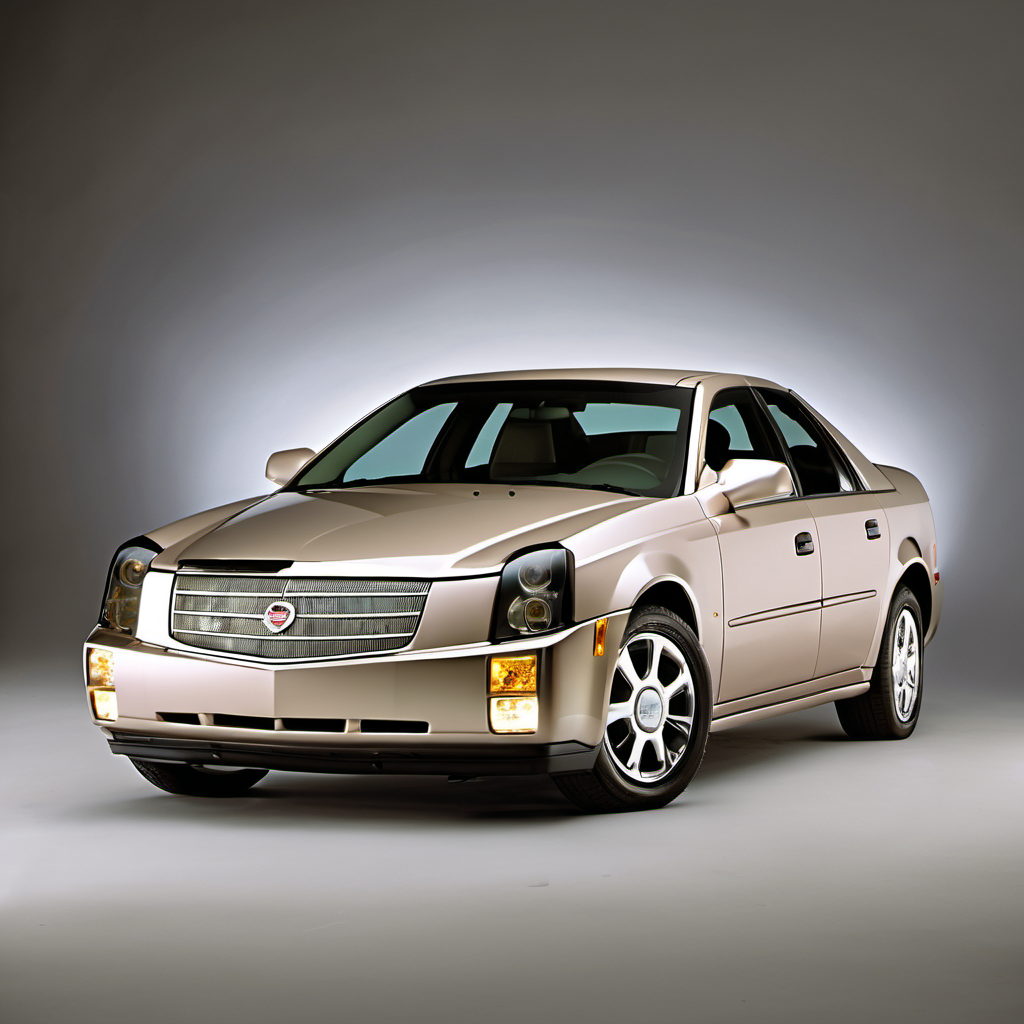
Domestic rear-wheel-drive luxury sedan at a similar used price point. Simpler electrical architecture and broader Midwest shop familiarity make repairs more straightforward.