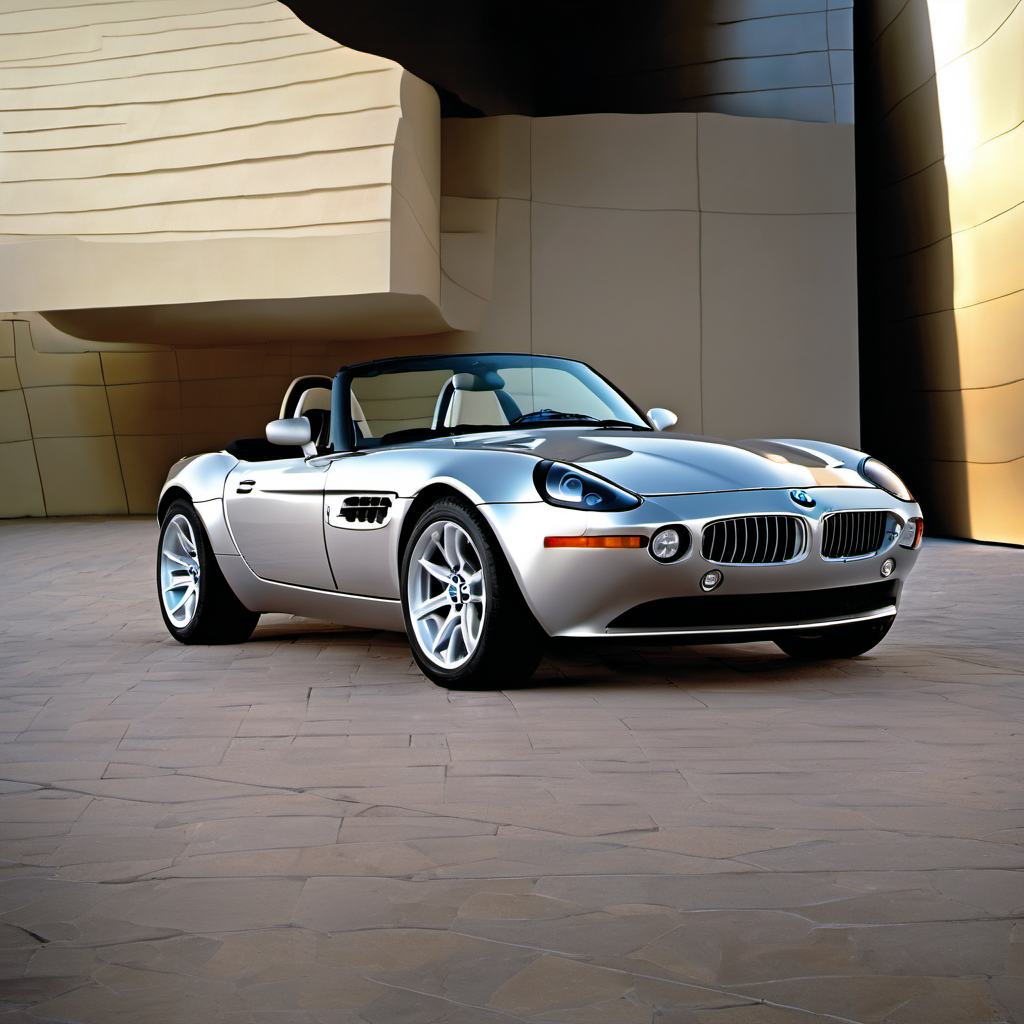
2003 BMW Z8 Convertible

2003 BMW

Z8Convertible

Convertible

The 2003 BMW Z8 is one of the most exclusive roadsters BMW ever produced — a hand-built, aluminum-bodied sports car styled as a modern homage to the legendary 507 of the 1950s. It was manufactured at BMW's Dingolfing plant in extremely limited numbers, with total worldwide production of just 5,703 units across the 2000–2003 model years. The Z8 is as much a rolling sculpture as it is a driver's car, powered by the same S62 V8 found in the E39 M5 and mated to a 6-speed manual transmission. On the road, the Z8 is a serious performance machine: 0–60 mph in roughly 4.2 seconds, a governed top speed of 155 mph, and razor-sharp steering delivered through a chassis tuned by BMW Motorsport. The cockpit is driver-centric and analog in feel despite its early-2000s electronics, with a center console housing redundant controls in a nod to classic design. Owning a Z8 today means owning a collector car first and a driver's car second. Parts are scarce and expensive, specialist labor is essential, and values have climbed steadily — making condition and provenance everything. This is not a vehicle for deferred maintenance.

Reliability
3/5
Verified data
Specs shown for Z8 — the most common configuration. Other trims may vary in engine, drivetrain, or fuel economy. Sign in to see your vehicle's exact specs.
Engine
[object Object]
Drivetrain
RWD
Fuel
Premium gasoline
MPG
12 city / 19 hwy / 15 combined
Seats
Doors
Body
Two Seaters

Overview

AI-curated

The 2003 BMW Z8 is one of the most exclusive roadsters BMW ever produced — a hand-built, aluminum-bodied sports car styled as a modern homage to the legendary 507 of the 1950s. It was manufactured at BMW's Dingolfing plant in extremely limited numbers, with total worldwide production of just 5,703 units across the 2000–2003 model years. The Z8 is as much a rolling sculpture as it is a driver's car, powered by the same S62 V8 found in the E39 M5 and mated to a 6-speed manual transmission. On the road, the Z8 is a serious performance machine: 0–60 mph in roughly 4.2 seconds, a governed top speed of 155 mph, and razor-sharp steering delivered through a chassis tuned by BMW Motorsport. The cockpit is driver-centric and analog in feel despite its early-2000s electronics, with a center console housing redundant controls in a nod to classic design. Owning a Z8 today means owning a collector car first and a driver's car second. Parts are scarce and expensive, specialist labor is essential, and values have climbed steadily — making condition and provenance everything. This is not a vehicle for deferred maintenance.

Known for
  • Hand-built aluminum spaceframe chassis — extremely rare construction for its era
  • S62 4.9L V8 shared with the E39 M5, producing 394 hp
  • Timeless 507-inspired styling by Henrik Fisker
  • Collector-grade appreciation in value since production ended
  • One of the last great analog BMW roadsters
Best for
  • Serious collectors who understand exotic-car ownership costs
  • Experienced BMW enthusiasts with access to specialist technicians
  • Fair-weather weekend driving — not daily transportation
  • Those who prioritize driving purity and provenance over practicality
Watch for
  • Extremely expensive and difficult-to-source parts given low production volume
  • Soft-top roof mechanism complexity and age-related deterioration
  • High-strung S62 V8 that demands premium fuel and meticulous oil change intervals
  • Aluminum body is not forgiving of corrosion neglect or improper repair
  • Any deferred maintenance on a Z8 compounds quickly into five-figure repair bills

Common issues by mileage

6 known

VANOS Variable Valve Timing System Wear / Failure

high
Typically appears
40–80k mi
Estimated repair
$800 – $2,500

VANOS Solenoid Circuit Faults

medium
Typically appears
40–90k mi
Estimated repair
$400 – $1,200

Oxygen Sensor / Heater Circuit Failure

medium
Typically appears
60–100k mi
Estimated repair
$300 – $900

Soft-Top Hydraulic Roof Mechanism Failure

high
Typically appears
Any mileage — age-driven
Estimated repair
$1,500 – $6,000

CAN Bus / Module Communication Faults

medium
Typically appears
Any mileage — age and corrosion-driven
Estimated repair
$500 – $3,000

Throttle Actuator and Drive-by-Wire Faults

low
Typically appears
60–120k mi
Estimated repair
$600 – $2,000

Maintenance schedule

  1. 1
    Every 5,000 miles or annually — do not stretch intervals Engine oil change with BMW-approved full synthetic (LL-01 spec, 5W-40 or 10W-60 as specified)

    The S62 VANOS system is extremely sensitive to oil quality and change frequency. Degraded oil is the single biggest cause of VANOS wear and premature cam timing failures on this engine.

  2. 2
    Inspect at 50k mi; rebuild if rough idle or cam timing codes appear VANOS seals inspection and rebuild if symptomatic

    Original rubber VANOS seals deteriorate with age regardless of mileage. Neglecting this leads to P0012/P0015/P0022/P0025 codes and significant power loss.

  3. 3
    Every 3 years Coolant flush and thermostat inspection

    The S62 runs warm and coolant degradation accelerates seal wear. Thermostat failures on this engine can lead to overheating events that are catastrophic given aluminum construction.

  4. 4
    Annually Soft-top fabric and hydraulic system inspection

    Hydraulic lines and cylinders degrade with age. Early intervention on a slow-operating top prevents full hydraulic failure, which is far more expensive to remedy.

  5. 5
    Every 2 years Brake fluid flush

    Hygroscopic DOT 4 fluid absorbs moisture over time, reducing boiling point. Critical on a high-performance car driven enthusiastically.

  6. 6
    Every 30,000 miles Spark plug replacement (BMW OEM spec only)

    The S62 requires exact plug specifications. Incorrect plugs can cause misfires and, in worst cases, lean-cylinder damage.

  7. 7
    Every 60,000 miles Fuel system inspection including injector condition

    Low-mileage collector cars left sitting with stale fuel develop injector deposits and fuel rail corrosion. Ethanol-blend fuels accelerate this on 20-year-old seals.

  8. 8
    Annually, before storage season Battery condition test and terminal inspection

    The Z8's electronics are sensitive to voltage drops. A weak battery causes cascading module faults (U0100-series codes). Use a quality trickle charger during storage.

Always defer to the manufacturer's service manual for warranty-mandated intervals.

Cost of ownership

Annual maintenance
$2,500 – $8,000
Fuel
Premium 91+ octane required. At 15 mpg combined and ~5,000–8,000 miles/year typical for a collector car, expect $800–$1,600/year in fuel at current prices.
Insurance
Collector/agreed-value specialty insurance is strongly recommended. Standard auto policies will under-insure this vehicle. Annual premiums vary widely by storage, usage, and declared value but typically run $1,200–$3,500/year for agreed-value coverage.

The Z8 is expensive to maintain even when nothing goes wrong. Routine service using BMW LL-01 spec fluids and OEM or quality OE-equivalent parts from a specialist shop will run $2,500–$4,000/year on a well-kept example. Any deferred maintenance item — VANOS seals, soft top hydraulics, suspension bushings — can push a single service visit past $5,000–$10,000. Budget conservatively, find a specialist before you need one, and never let this car sit unattended for extended periods without a maintenance plan.

Seasonal care

Lake Geneva, WI
Winter
  • Do not drive this vehicle on salted Wisconsin roads. Road salt and aluminum do not coexist — even well-sealed aluminum frames can suffer at fastener points, subframe mounts, and brake hardware.
  • Store with a quality battery tender/trickle charger. The Z8's electronics are sensitive to voltage sag and a dead battery over a Wisconsin winter can trigger multiple module faults.
  • Before storage, fill the fuel tank and add a fuel stabilizer to prevent ethanol-blend fuel from degrading injector seals and fuel lines over a 4–6 month storage period.
  • Store on tire cradles or move the car monthly — flat-spotting is a real risk on performance tires left stationary in sub-zero temperatures.
  • Use a breathable indoor car cover, not an airtight one. Moisture trapped under a sealed cover promotes mold in the soft-top fabric and corrosion under body seams.
  • Confirm coolant freeze protection to at least -34°F before any cold-weather movement of the vehicle in or out of storage.
Summer
  • Check tire pressure before every drive — performance tires on a 3,500-lb RWD car are the last line of defense at speed, and pressure drops 1–2 PSI for every 10°F of temperature change.
  • Inspect the soft-top fabric for UV cracking and seam separation at the start of each driving season. Early treatment with a UV-protectant conditioner prevents expensive replacements.
  • Monitor coolant temperature closely during spirited driving or stop-and-go traffic. The S62 in a tight Z8 engine bay can heat-soak faster than in the roomier E39 M5 chassis.
  • Service A/C annually — the system uses R-134a and 20-year-old seals are prone to slow leaks. A dry Wisconsin summer will still make a non-functional A/C miserable in traffic.

Comparable vehicles

2001 Mercedes-Benz
SL500

Retractable hardtop V8 roadster from the same era, similar price bracket when new, comparable collector appeal and maintenance complexity.

No catalog match
2002 Aston Martin
Vanquish

Hand-built exotic GT from the same period, V12 power, similar collector-tier ownership costs and parts scarcity challenges.

No catalog match
2003 Ferrari
360 Spider

Open-top exotic from the same vintage with similar performance intent and collector value trajectory — though significantly higher service costs.

No catalog match
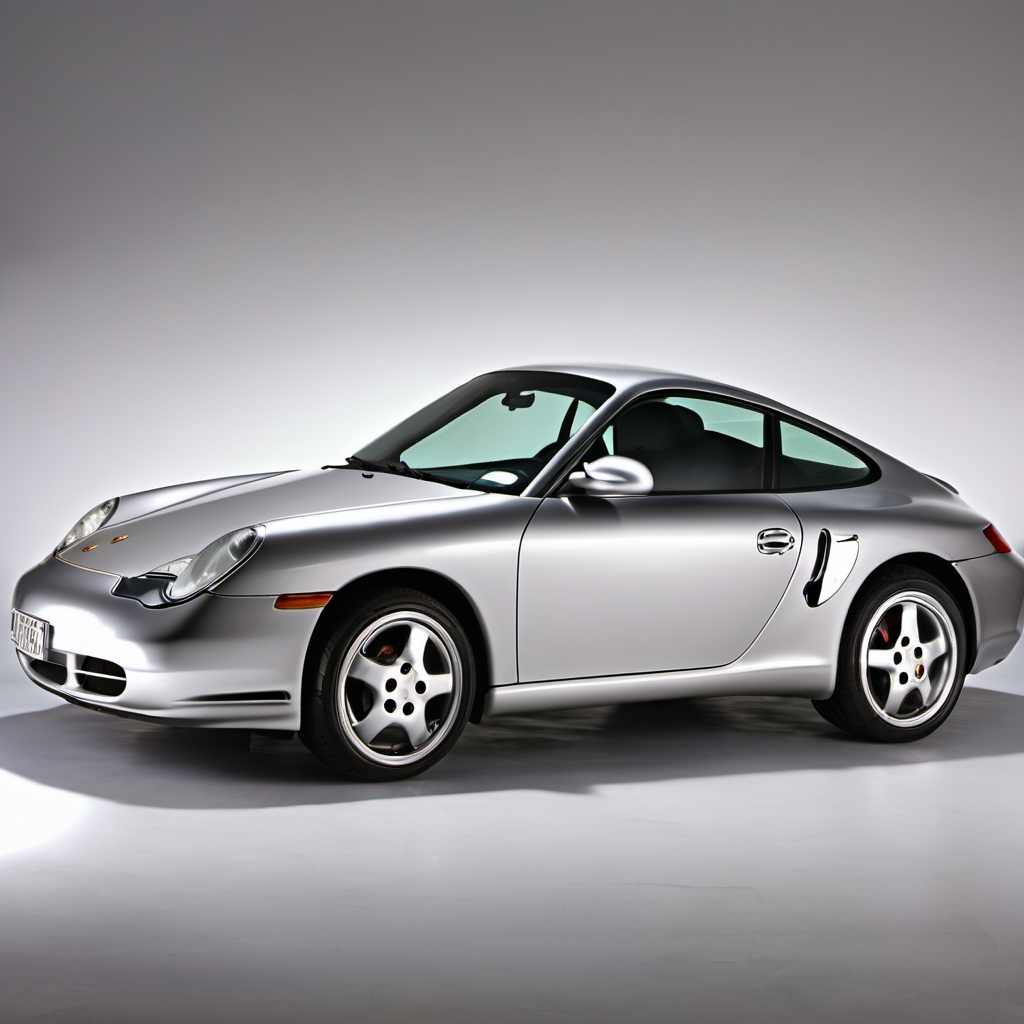
2003 Porsche 911 Turbo Cabriolet
2003 Porsche
911 Turbo Cabriolet

High-performance German convertible from the same era; better parts availability and wider specialist network, but a very different character and driving experience.

AI profile generated 1 hr ago · claude-sonnet-4-6 · v2.