Engine Oil Sludge Buildup
high- Typically appears
- 60–150k mi
- Estimated repair
- $800 – $3,500
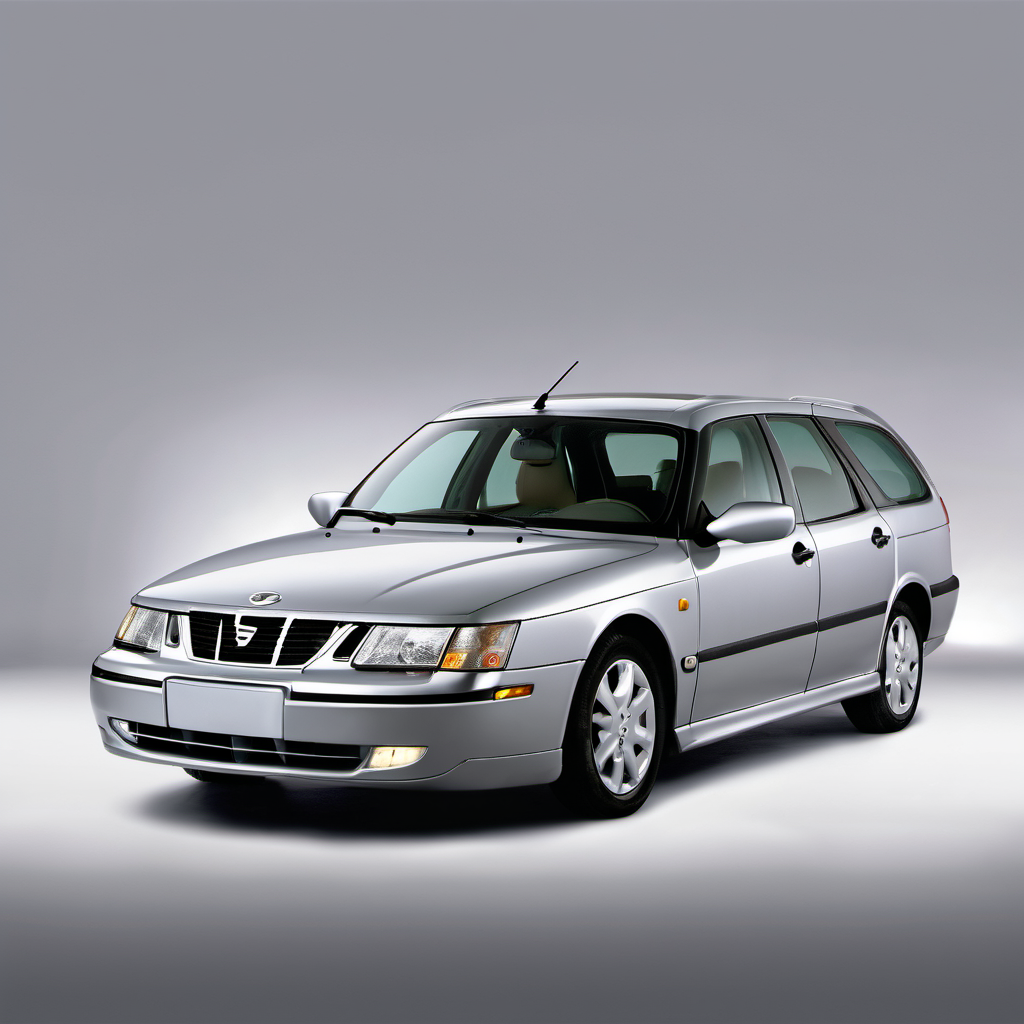
2002 Saab
Sedan
The 2002 Saab 9-5 Sedan is a front-wheel-drive European executive car built on GM's Epsilon-derived platform and powered by Saab's own turbocharged 2.3L four-cylinder. It carved out a loyal following with its distinctive Scandinavian design, surprisingly sporty turbocharged performance, and above-average crash safety for its era. By 2002, Saab was fully under GM ownership and the 9-5 was a mature, refined product — comfortable on the highway, competent in corners, and genuinely engaging to drive. The standard B235R engine produces 185 hp in base trim; the Aero variant pushed 230 hp with a higher-boost tune. The cabin prioritizes driver ergonomics with an aircraft-inspired center console and night panel feature that dims all but essential gauges. Owning one in 2024 means accepting that it's an orphan brand with parts availability that gets harder every year. A well-maintained example can be a rewarding daily driver, but deferred maintenance on any turbocharged system quickly becomes expensive. This is a car for patient, hands-on owners or those with access to a good independent Saab specialist.
The 2002 Saab 9-5 Sedan is a front-wheel-drive European executive car built on GM's Epsilon-derived platform and powered by Saab's own turbocharged 2.3L four-cylinder. It carved out a loyal following with its distinctive Scandinavian design, surprisingly sporty turbocharged performance, and above-average crash safety for its era. By 2002, Saab was fully under GM ownership and the 9-5 was a mature, refined product — comfortable on the highway, competent in corners, and genuinely engaging to drive. The standard B235R engine produces 185 hp in base trim; the Aero variant pushed 230 hp with a higher-boost tune. The cabin prioritizes driver ergonomics with an aircraft-inspired center console and night panel feature that dims all but essential gauges. Owning one in 2024 means accepting that it's an orphan brand with parts availability that gets harder every year. A well-maintained example can be a rewarding daily driver, but deferred maintenance on any turbocharged system quickly becomes expensive. This is a car for patient, hands-on owners or those with access to a good independent Saab specialist.
The B235R's sludge problem is directly tied to extended oil intervals. Use full synthetic 5W-30 meeting GM/Saab specs. This is the single most important thing you can do for this engine.
Clogs cause oil to be ingested into the intake and can build boost pressure in the crankcase, accelerating seal leaks. Inexpensive to address proactively.
Belt is over 20 years old on all surviving examples. A snapped belt in a Wisconsin winter is a tow call. Replace the tensioner at the same time.
Old coolant loses its corrosion inhibitors and accelerates aluminum corrosion. The thermostat is inexpensive and commonly fails — cheap insurance against overheating.
Worn plugs increase load on the DI cassette. Catching a weakening cassette before it leaves you stranded saves the tow bill.
Most used 9-5s have never had a trans fluid change. Fresh fluid extends the Aisin unit's life significantly.
All rubber boost hoses are 20+ years old and crack from heat cycling and freeze-thaw. A split hose causes major power loss and can damage the turbo from unmetered air.
Glycol-based brake fluid absorbs moisture over time, lowering boiling point. Critical for a FWD car braking in Wisconsin winters on salted roads.
Always defer to the manufacturer's service manual for warranty-mandated intervals.
A well-maintained 9-5 is not cheap to run, but it's not ruinous either — if you stay on top of oil changes and catch small issues early. The danger zone is deferred maintenance: a sludged engine or failed turbo on a car worth $3,000–$6,000 is a total-loss scenario. Budget for premium fuel, keep strict oil change records, and treat any CEL as urgent. Parts sourcing from used/online Saab specialist vendors (not the dealer) keeps costs manageable.
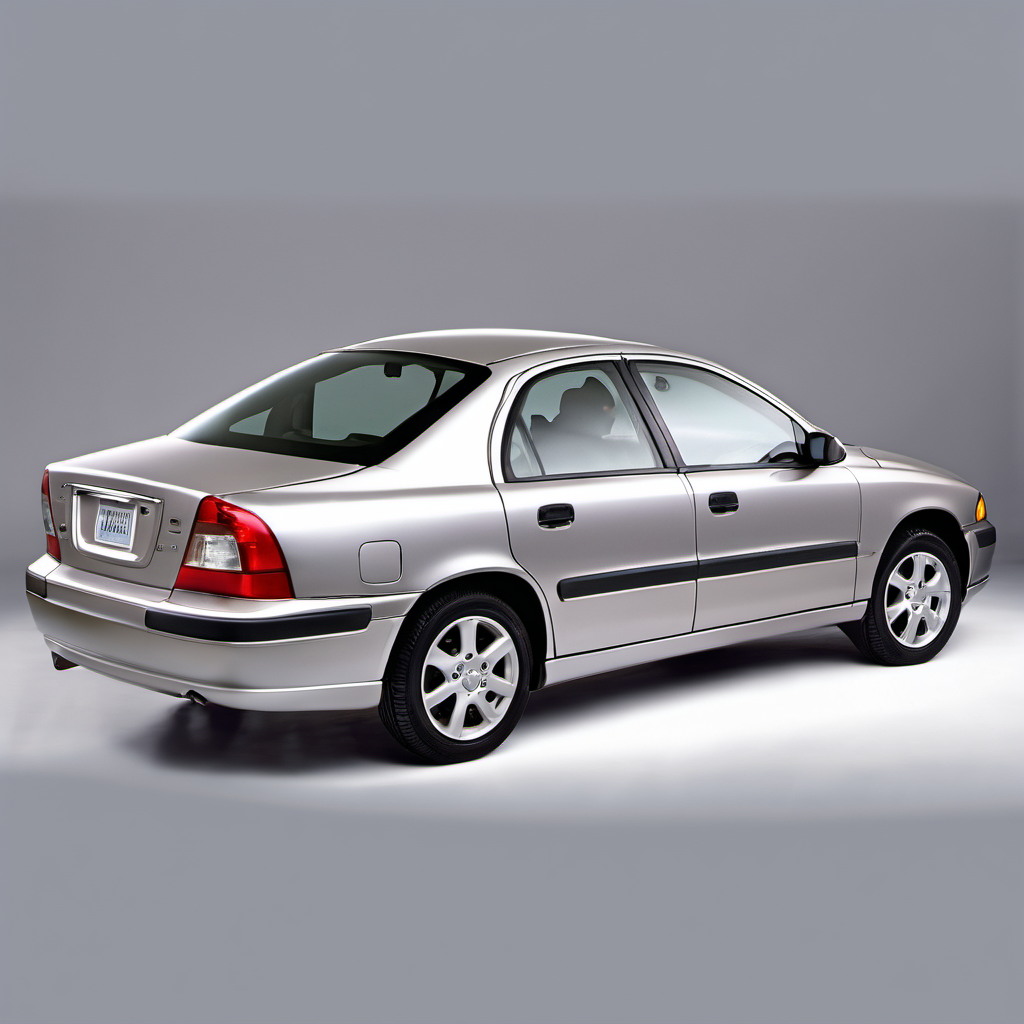
Same era European FWD/AWD executive sedan with turbocharged inline engines, strong safety focus, and similar enthusiast appeal. Parts and specialist support are somewhat better for Volvo.
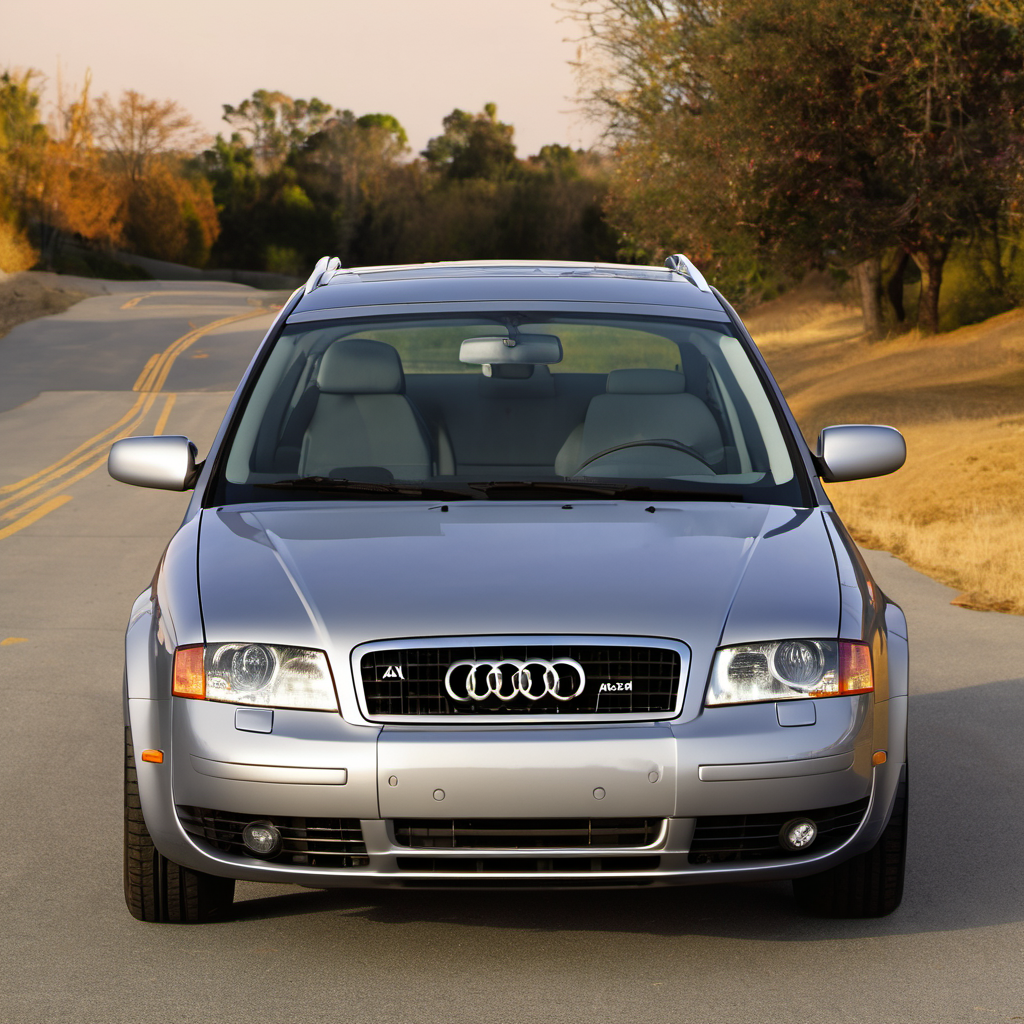
Near-premium European sedan with turbocharged 4-cylinder, similar pricing used, and comparable highway comfort. AWD Quattro option gives it a winter edge over the Saab's FWD.
E39-generation 525i is a direct rival in the near-luxury sport-sedan segment — smoother inline-6, RWD dynamics, better long-term parts availability, though winter traction requires good snow tires.
No catalog match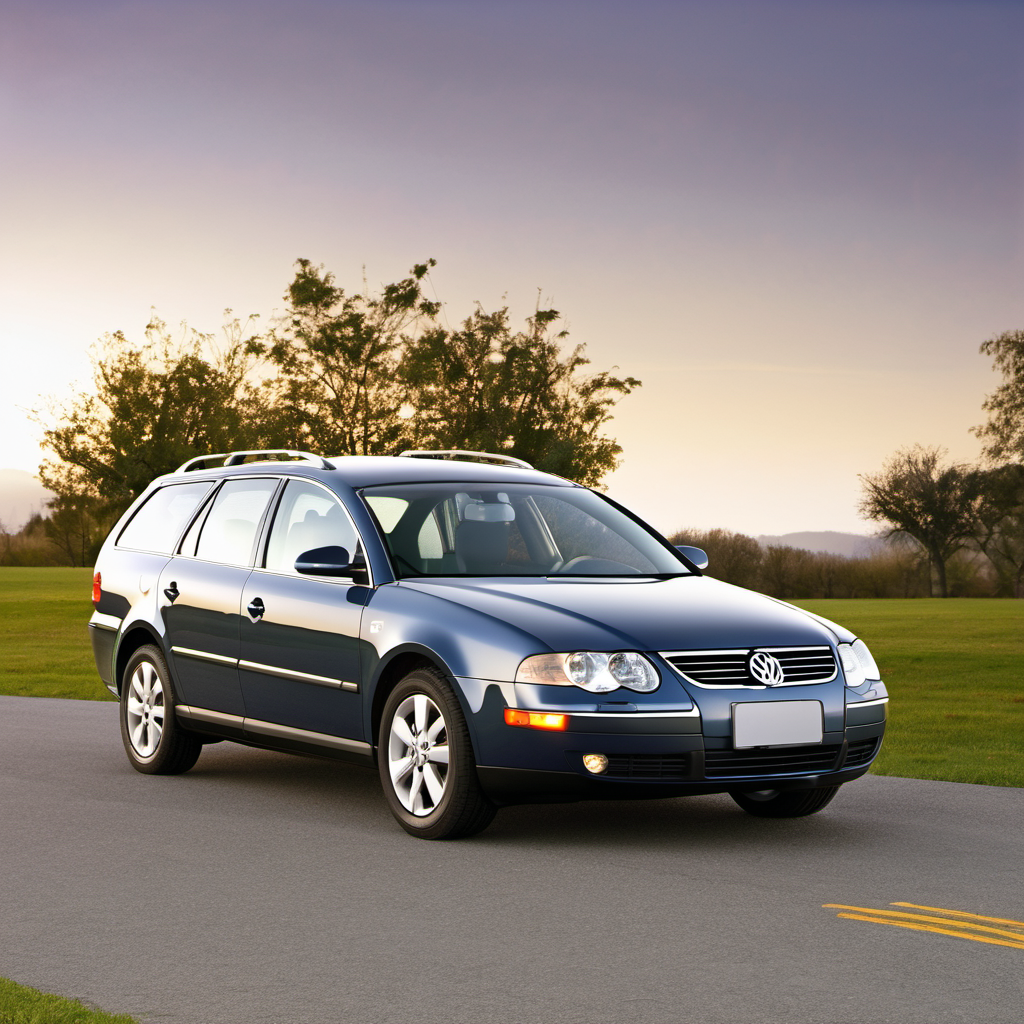
Mainstream-priced European alternative with turbocharged 4-cylinder, FWD or AWD (W8/4Motion), similar cabin refinement, and significantly better parts availability than the orphaned Saab.